

Choosing the right weed control for your lawn shouldn’t feel like guesswork. This roundup breaks down eight real options for cool-season turf, warm-season turf, and bare-ground projects. You’ll get a clear sense of which formula fits your grass type, the weeds you’re fighting, and the scale of your yard.
A Snapshot Of The Selections
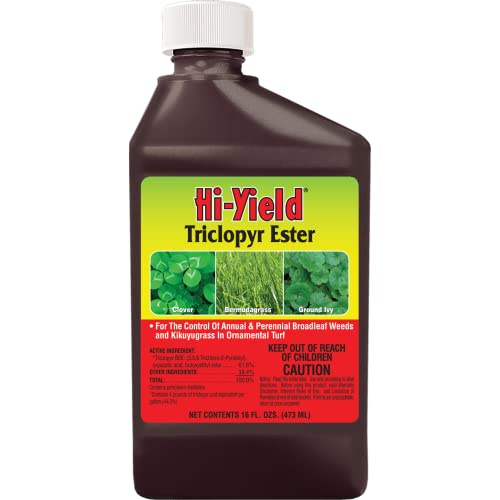
Hi-Yield (35262) Triclopyr Ester, 16 oz
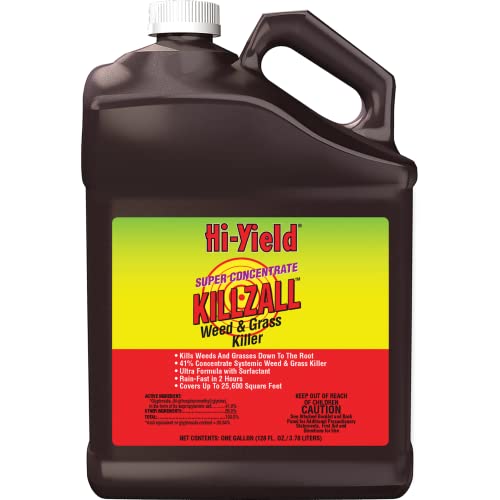
Hi-Yield (33693) Super Concentrate Killzall Weed & Grass Killer, 1 gal
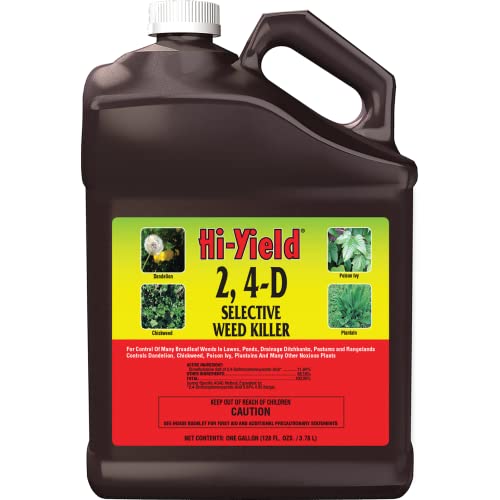
Hi-Yield (21416) 2,4-D Selective Weed Killer, 1 gal

Target 6 Plus (MSMA 48.2%) Turf Herbicide – 2.5 Gallon
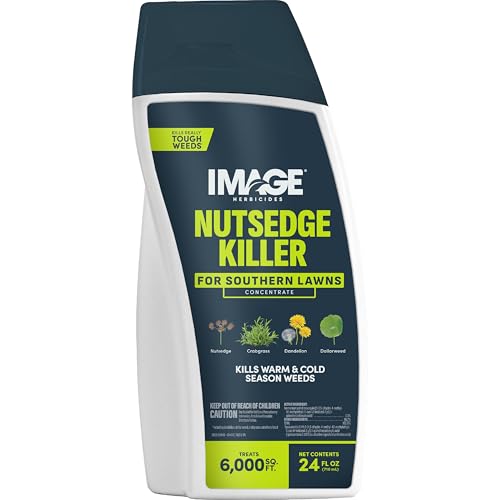
Image Herbicide Nutsedge Killer for Southern Lawns, 24 Ounce
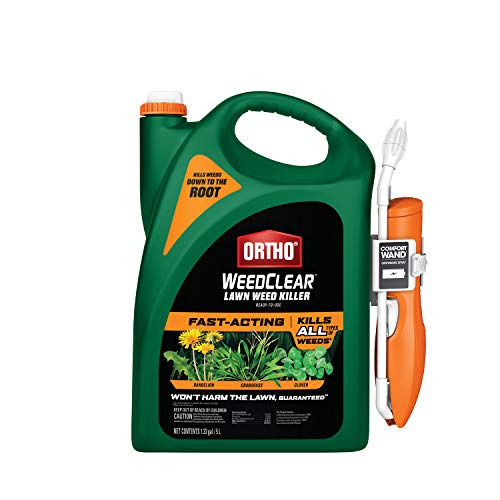
Ortho WeedClear Lawn Weed Killer Ready-to-Use 1.33 gal

Prodiamine 65 WDG 5lb Pre-Emergent (Generic Barricade)

BioAdvanced Lawn Weed Killer Ready-to-Spray 32 oz
The Details Behind The Selections
Triclopyr is a synthetic auxin herbicide, meaning it disrupts the growth hormones inside broadleaf plants without harming most turfgrasses. The Hi-Yield 35262 concentrate is built for cool-season lawns like perennial bluegrass, perennial ryegrass, and tall fescue, and it doubles as a tool for gradually reducing bluegrass where it’s not welcome.
For most homeowners dealing with persistent violets, oxalis, and other stubborn broadleaf invaders, a 16 oz bottle goes a long way when mixed correctly with water. It does require careful label reading, since application rates and turf compatibility shift depending on what you’re spraying.
Bright Spots
- Targets hard-to-kill broadleaf weeds like wild violet and oxalis in actively growing lawns
- Liquid concentrate format lets you mix only what you need, reducing waste
- Functions as a bluegrass suppressor in mixed cool-season stands
- Compatible with perennial bluegrass, ryegrass, and tall fescue ornamental turf
Honest Caveats
- Cannot be used on Bahiagrass, Bentgrass, Bermudagrass, Centipedegrass, St. Augustine, or Zoysiagrass
- Mixing and calibration require some confidence with sprayer equipment
Feature Snapshot
Who Should Grab It
Homeowners with cool-season lawns who need to knock back tough broadleaf weeds without resodding.
Skip It When
Your yard is a warm-season variety like Bermuda or St. Augustine, where the Ortho WeedClear Lawn Weed Killer Ready-to-Use 1.33 gal offers a friendlier fit.
Killzall is a non-selective herbicide, so it kills whatever green tissue it touches, including the lawn itself. The Hi-Yield 33693 gallon is built for total vegetation clearing along fence rows, gravel driveways, patio edges, and other areas where you genuinely want nothing growing. One gallon can cover up to 25,600 square feet when diluted for general weed control.
The double-surfactant blend helps the spray stick to leaves and start working fast, which matters when rain or irrigation is on the way. Just remember, this is not a lawn-safe product, and the label is strict about where it can be applied.
The Value In It
- Treats large non-lawn areas efficiently from a single gallon jug
- Works on grasses, broadleaf weeds, and woody brush species
- Surfactant package helps spray dry fast and stick to foliage
- Useful for prepping soil before laying new turf or hardscape
Things To Consider
- Cannot be used on lawns, so accidental overspray kills desirable turf
- Requires careful storage away from kids and pets, as with any concentrate
Right Fit For
Anyone clearing weeds from gravel paths, fence lines, or a future planting bed before laying new sod or stone.
A Better Fit Elsewhere
If you want selective broadleaf control in living turf, the Hi-Yield (21416) 2,4-D Selective Weed Killer 1 gal is the more appropriate tool for established lawns.
2,4-D is one of the oldest selective herbicides still in rotation, designed to kill broadleaf weeds while sparing most grasses. The Hi-Yield 21416 is a broad-use concentrate that handles dandelion, arrowhead, buckhorn, aster, goatsbeard, and a long list of other listed broadleaf weeds without harming compatible turf.
Unlike Killzall, this formula is approved for use in lawns, plus ponds, drainage ditches, pastures, and rangelands where label instructions allow. For homeowners with acreage or mixed property, that versatility is the real draw.
Key Advantages
- Selective broadleaf control across lawns, pastures, and drainage areas
- Targets common offenders like dandelion, aster, and goatsbeard
- One-gallon format suits larger properties and repeat treatments
- Pairs with Hi-Yield Spreader Sticker for improved leaf coverage
Worth Noting
- Application rates vary widely by use site, so the label needs close attention
- Concentrate handling means wearing gloves and washing equipment after use
Quick Technical Notes
Made For
Property owners managing broadleaf weeds across lawns, pastures, and rural acreage who want one concentrate that handles several jobs.
Consider Something Else When
You’re battling nutsedge in a southern lawn, where Image Herbicide Nutsedge Killer for Southern Lawns, 24 Ounce is purpose-built for that specific pest.
MSMA, or monosodium methanearsonate, is an older organoarsenical herbicide that post-emergence controls crabgrass, dallisgrass, johnsongrass, nutsedge, pigweed, and chickweed. Target 6 Plus delivers 48.2% MSMA in a 2.5-gallon jug sized for professional-scale use on cotton, golf courses, sod farms, and highway rights of way.
This isn’t a casual weekend product. Standard mixing runs around 2 oz per gallon of water, but specific weed targets require different ratios. You need to follow the label carefully to stay effective and stay safe.
Points In Its Favor
- Selective post-emergence control for crabgrass and several grassy weeds
- Handles tough perennial grasses like dallisgrass and johnsongrass
- 2.5-gallon size suits commercial turf and large property use
- Listed for cotton, golf courses, sod farms, and highway rights of way
Trade Offs
- Improper use carries real safety concerns, so label reading is non-negotiable
- Not a fit for small residential lawns or beginner sprayers
- Restricted-use chemistry in many regions, so check local rules before buying
Feature Card
Best Suited To
Turf professionals and large-property managers dealing with crabgrass, dallisgrass, or nutsedge at scale.
Reach For A Different Pick When
You’re a homeowner with a quarter-acre lawn, where the BioAdvanced Lawn Weed Killer Ready-to-Spray 32 oz is far simpler and safer to handle.
Nutsedge is a grass-like weed that laughs off most standard broadleaf killers, and southern turf types need their own dedicated solution. Image Herbicide Nutsedge Killer is formulated as a ready-to-spray post-emergent treatment aimed at sedge, dollarweed, crabgrass, and dandelion in established southern turfgrasses like St. Augustine and Bermuda.
The 24 oz ready-to-spray bottle skips measuring and mixing, which is a relief when summer humidity has weeds exploding. You still want to follow label timing to avoid turf stress, especially during peak heat.
Where It Helps
- Specifically targets nutsedge in southern warm-season turf types
- Ready-to-spray bottle removes the need to measure concentrate
- Handles dollarweed, dandelion, and crabgrass on the same label
- Designed for established St. Augustine, Centipede, and similar grasses
Some Limits To Know
- Limited to southern turf types, so cool-season lawns should look elsewhere
- Heat-stressed turf can show sensitivity, so timing matters during summer peaks
Details At A Glance
Perfect Match For
Southern homeowners with established St. Augustine, Centipede, or Bermuda lawns fighting nutsedge outbreaks.
Look Elsewhere When
You’re managing cool-season turf up north, where the Hi-Yield (35262) Triclopyr Ester 16 oz is built for your grass type instead.
Ortho WeedClear is built for homeowners who want broadleaf weeds gone without hauling around a pump sprayer. The 1.33-gallon ready-to-use jug attaches to a comfort wand that lets you walk the lawn and spray selectively, with no measuring, no mixing, and no cleanup beyond rinsing the wand.
The formula is designed to kill listed broadleaf weeds down to the root while sparing the lawn itself when used as directed. It covers a long list of weeds including dandelion, chickweed, clover, crabgrass, creeping charlie, and foxtail.
Noteworthy Benefits
- Comfort wand setup means no extra sprayer equipment to buy
- Treats over 200 listed broadleaf and grass weeds in one bottle
- Targets weeds to the root, reducing regrowth in treated areas
- Beginner-friendly format removes mixing guesswork entirely
Trade Offs
- Ready-to-use jugs weigh more than concentrates and cost more per treated square foot
- Wand spray pattern works best with steady walking pace, so plan your passes
Whose Shelf It Belongs On
First-time homeowners and casual DIYers who want a grab-and-spray solution without buying a separate pump sprayer.
Where A Sibling Pick Shines
For larger lawns where buying concentrate is more economical, the Hi-Yield (21416) 2,4-D Selective Weed Killer 1 gal covers more ground per dollar once you own a sprayer.
Prodiamine is a pre-emergent herbicide, meaning it forms a barrier in the soil that stops weed seeds from germinating in the first place. The Quali-Pro 65 WDG is a generic equivalent to Barricade, packaged as a water-dispersible granule in a 5 lb bottle for spring and fall application.
For crabgrass and broadleaf prevention, timing matters more than brand. Applied before soil temperatures climb, it lays down a season-long defense so you spend less time chasing weeds later.
Standout Benefits
- Pre-emergent control stops crabgrass before seedlings emerge
- Spring and fall application windows extend the usefulness across the year
- Generic Barricade alternative at a friendlier cost per pound
- 5 lb bottle covers a sizable residential lawn with proper calibration
Things To Consider
- Won’t help weeds already growing, so you need a post-emergent alongside it
- Granules need a spreader and accurate calibration for even coverage
- Timing windows are tight, and late applications lose effectiveness
Key Product Details
Who It Suits Best
Detail-oriented homeowners who plan spring lawn prep in advance and want to stop crabgrass before it appears.
Swap It Out When
Weeds are already visible and actively growing, where the Ortho WeedClear Lawn Weed Killer Ready-to-Use 1.33 gal handles existing weeds instead.
BioAdvanced’s ready-to-spray broadleaf formula covers up to 8,000 square feet from a single 32 oz bottle, which is a sweet spot for small and mid-sized lawns. The hose-end sprayer attachment lets you water and treat at the same time, sparing you the jug-hauling of larger ready-to-use products.
It controls over 200 listed broadleaf weeds including clover, dandelion, dollarweed, and chickweed, reaching the roots so treated weeds don’t bounce back quickly. The formula is designed not to harm your lawn when used as directed.
Everyday Advantages
- Hose-end sprayer simplifies application for homeowners without pump gear
- Covers up to 8,000 sq ft, fitting typical small to mid lawns in one bottle
- Treats 200-plus listed broadleaf weeds down to the root
- Compact 32 oz bottle stores easily on a garage shelf
Points To Note
- Hose attachment uses water during application, so plan around drought advisories
- Coverage assumes light weed pressure, so heavy infestations may need repeat passes
The Right Fit
Homeowners with small to mid-sized lawns who want hose-end convenience without measuring or mixing concentrates.
Where Another Pick Suits Better
If you need selective control across larger acreage or pastures, the Hi-Yield (21416) 2,4-D Selective Weed Killer 1 gal offers more coverage per dollar.
## What To Weigh Before Picking A Lawn Herbicide ### Match The Formula To Your Grass Type The first rule is simple: cool-season turf (bluegrass, ryegrass, fescue) and warm-season turf (Bermuda, St. Augustine, Centipede, Zoysia) accept different chemistries. A product that protects your bluegrass can scorch a St. Augustine lawn in one pass. Always cross-check the label’s approved turf list against what actually grows in your yard, not what the neighbor told you it’s called. ### Decide Pre-Emergent vs. Post-Emergent Pre-emergent herbicides stop weed seeds before they sprout, which makes them a spring-and-fall tool for crabgrass and seasonal broadleaves. Post-emergent products kill weeds that are already growing and visible. Most homeowners end up using both at different points in the season, so it helps to know which job each bottle is doing. ### Read The Application Site List Some herbicides are labeled for lawns only, others for pastures, ponds, and ditches, and a few are bare-ground-only. If your property includes any non-lawn areas like fence rows or gravel, look for a formula approved for that site rather than improvising. Concentrates especially need accurate mixing ratios and clean water to perform as the label intends. ### Factor In Comfort And Equipment Ready-to-spray and hose-end products cost more per treated square foot but skip the learning curve of pump sprayers and measuring. Concentrates are cheaper at scale but require a sprayer, gloves, and a little calibration confidence. The honest read is that the right pick depends on how often you’ll actually use it and how much gear you already own. ## Smart Considerations For Smarter Picks ### Wrong Turns To Avoid A common slip is grabbing a non-selective herbicide like Killzall when the goal is actually to save the lawn. Another trap is using a cool-season product on Bermuda or St. Augustine, which can damage or kill warm-season turf. Always match the bottle to both the weed and the grass, and recheck the label before each application. ### When Paying More Pays Off Higher-tier products often earn their cost through convenience: ready-to-spray wands, broader weed lists, and wider turf compatibility all reduce the risk of misapplication. For small lawns, that convenience often wins. For larger properties where you’ll burn through multiple gallons, a concentrate generally delivers more coverage per dollar. ## Frequently Asked Questions ### What Is The Safest Herbicide For Home Lawns? Selective herbicides designed for your specific grass type are generally the safest fit, since they target broadleaf weeds while sparing turf. Always follow the label’s approved turf list and application rates to keep your lawn healthy. ### Can I Use Any Herbicide On Any Grass Type? No. Cool-season and warm-season grasses tolerate different active ingredients, and several herbicides will damage or kill the wrong turf type. Check the label’s approved grass list before spraying, especially for southern lawns like St. Augustine or Centipede. ### How Long Does Herbicide Take To Work On A Lawn? Most post-emergent products show visible results within a week or two, though tough weeds like wild violet and nutsedge can take repeat treatments. Pre-emergent herbicides work invisibly in the soil before weeds emerge, so their results show up as fewer weeds later in the season. ### Should I Water My Lawn After Applying Herbicide? It depends on the product. Ready-to-spray and post-emergent concentrates often need the spray to dry on the leaf for several hours, so watering too soon washes it off. Pre-emergents usually need watering in to activate the soil barrier. The label spells out the right call for each formula. ### When Is The Best Time Of Year To Spray Lawn Weeds? Spring and fall are the strongest windows: spring for pre-emergent crabgrass control and early post-emergent treatments, and fall for knocking back perennial broadleaf weeds before they go dormant. Timing matters more than brand for most lawn weed problems. ## Closing Remarks The right herbicide depends on your grass type, your weeds, and how much gear you want to buy. Match the bottle to the lawn first, then choose between pre-emergent, post-emergent, or a combination. A little label-reading upfront saves a lot of lawn damage later.