

Nutsedge laughs at a regular lawn routine. It pops up faster than your turf, shrugs off missed mowings, and turns a tidy yard into a patchwork of yellow-green spikes within a couple of weeks. You need a targeted herbicide that actually reaches the root system, not just burns the visible blades.
The eight picks below cover the spectrum from homeowner-friendly ready-to-spray bottles to commercial-strength concentrates. Each one handles nutsedge through a different chemistry or delivery method, so you can match the product to your lawn type, your tolerance for mixing, and the size of the job in front of you.
The Picks In Brief

Fertilome Weed-Out Nutsedge Control Concentrate

Spectracide Weed Stop Plus Crabgrass Killer Concentrate

Target 6 Plus MSMA Turf Herbicide 2.5 Gallon
Image Herbicide Nutsedge Killer Southern Lawns
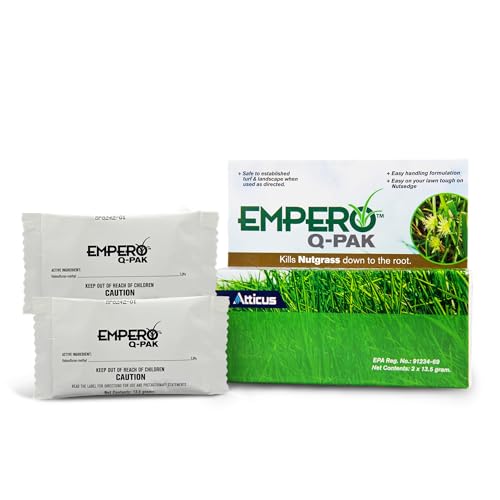
Atticus Empero Q-Pak Nutsedge Killer 2 Pack

Ortho Nutsedge Killer Ready-to-Use 24 oz
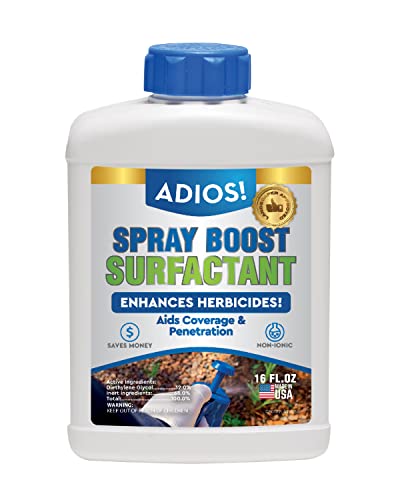
ADIOS Non-Ionic Herbicide Surfactant 16 oz
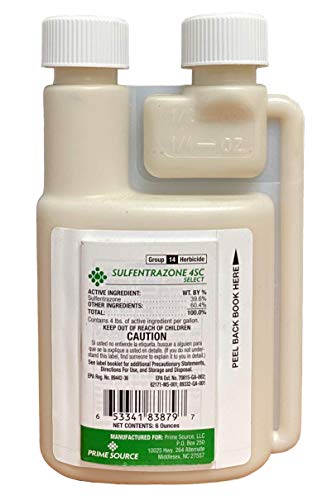
Sulfentrazone 4SC Herbicide 6 Ounces
The Picks, Examined More Closely
A selective herbicide (meaning it targets specific weeds without harming your turf) earns its spot here because it handles nutsedge plus a roster of common lawn invaders in one bottle. The 16-ounce liquid concentrate treats up to 5,800 square feet, which suits a typical suburban yard without forcing you to buy more than you need. Compared with the multi-weed Spectracide concentrate that follows, this one leans harder into sedge control specifically.
It is labeled for both cool and warm season grasses, so bluegrass, fescue, Bermuda, and Bahia lawns are all fair game. You mix it with water and apply as a spot or broadcast spray, which means a little measuring and a pump sprayer are part of the routine.
Noteworthy Benefits
- Controls nutsedge along with dandelion, clover, crabgrass, spurge, and ground ivy in one pass
- Compatible with a wide turf list, from cool fescue to warm Bermuda
- One pint covers a generous residential lawn size on a single fill
- Selective chemistry preserves established grass when applied as directed
Points To Keep In Mind
- Requires mixing and a separate sprayer, which adds setup time for casual users
- Full kill often takes a repeat application two to three weeks later, so plan on more than one visit
- Concentrate should be stored where temperatures stay moderate to preserve shelf life between seasons
Key Product Details
The Right Fit
Homeowners with established cool or warm season turf who want one concentrate that handles sedge and several other weeds at once.
A Better Fit Elsewhere
If you would rather skip measuring and mixing, the Ortho Nutsedge Killer Ready-to-Use below is a more convenient fit for first-timers.
The 32-ounce concentrate targets crabgrass alongside a broad list of broadleaf weeds, and it pulls double duty when nutsedge shows up on a lawn that is dealing with several problems at once. Where the Fertilome concentrate above is tuned to sedge, this one is more of a generalist that handles crabgrass as its headline job.
It works on a wide range of established turf types and is sold in a 32-ounce bottle that mixes with water in a pump or hose-end sprayer. For yards with mixed weed pressure, that flexibility tends to matter more than sedge-specific chemistry.
What Works In Its Favor
- Strong crabgrass knockdown plus broadleaf coverage in a single concentrate
- 32-ounce bottle is double the size of the Fertilome option for bigger lawns
- Mixes easily into standard pump sprayers for broadcast or spot work
- Useful when nutsedge is one of several weeds competing in the same lawn
Practical Considerations
- Sedge control is not its headline strength, so heavy nutsedge pressure may need a follow-up with a dedicated product
- Mixing ratio must be measured carefully to avoid turf stress in sensitive grass types
- Some users keep a dedicated sprayer for herbicides to avoid residue contamination
Made For
Yards juggling crabgrass, broadleaf weeds, and lighter nutsedge pressure who want one multi-purpose concentrate.
Swap It Out When
You face a dedicated nutsedge infestation and want root-level halosulfuron chemistry, in which case the Atticus Empero Q-Pak further down is the sharper tool.
MSMA is an older organoarsenical herbicide that remains one of the most effective post-emergent (meaning applied after the weed has sprouted) tools against tough grasses and sedges when used carefully. The Target 6 Plus jug ships as a 2.5-gallon container with a 48.2% active concentration, which puts it firmly in commercial territory. Standard mix rate runs around two ounces per gallon of water for general applications.
This is the option for cotton, sod farm, and right-of-way work, and it is overkill for a small suburban patch. Compared with the homeowner-scale concentrates earlier, it demands respect for label instructions and proper protective equipment.
Key Advantages
- Highly effective post-emergent control of crabgrass, dallisgrass, johnsongrass, nutsedge, and chickweed
- Bulk 2.5-gallon format suits large properties, farms, and professional crews
- Trusted chemistry for warm-season turfgrass and commercial turf sites
Honest Caveats
- MSMA is restricted in some regions and carries significant handling precautions that go beyond casual homeowner products
- Improper use can damage desirable turf, so label reading is non-negotiable
- The jug size and weight make it impractical for small lots and tight storage
Whose Shelf It Belongs On
Golf course superintendents, sod farm operators, and serious acreage managers dealing with heavy mixed-grass and sedge infestations.
Reach For A Different Pick When
A typical homeowner yard is the job site, in which case the Image Herbicide Nutsedge Killer Ready-to-Spray is a far safer and more proportional choice.
The 24-ounce ready-to-spray bottle is built for southern turfgrasses, which is a meaningful filter if your lawn is St. Augustine, centipede, or zoysia. It targets nutsedge along with dollarweed, crabgrass, and dandelion as a post-emergent herbicide, so it earns its place when warm-season weeds cluster together. Compared with the concentrates earlier, this skips the measuring step entirely.
You attach the bottle to a standard garden hose, and the trigger handle does the dilution for you. For a homeowner who does not want a pump sprayer in the garage, that convenience matters.
Good Reasons To Consider
- Hose-end ready-to-spray format eliminates mixing and cleanup
- Labeled specifically for established southern turfgrasses, reducing guesswork
- Handles nutsedge alongside dollarweed and crabgrass in the same pass
- 24-ounce bottle suits small to medium lawns without leftover concentrate
Where It May Fall Short
- Limited to southern turf compatibility, so northern lawns need a different pick
- Coverage depends on walking pace and hose pressure, which can be uneven for inexperienced hands
- Heavy nutsedge mats often need repeated applications spaced a few weeks apart
Key Product Details
Who It Suits Best
Warm-climate homeowners with St. Augustine, centipede, or zoysia lawns who want a no-mix sedge treatment.
Consider Something Else When
You live in a northern climate with cool-season turf, in which case the Fertilome concentrate is the closer match.
The active ingredient here is halosulfuron-methyl at 5%, which is the same chemistry many turf professionals reach for when nutsedge keeps coming back. It travels down to the tubers in the root zone, which is what separates a real sedge killer from a product that merely browns the tops. The two-pack format gives you enough material to treat an established lawn and come back for a follow-up pass.
It is gentle on most established warm- and cool-season turf, including bluegrass, fescue, Bermuda, and zoysia. Where the Image ready-to-spray above handles lighter outbreaks, this one goes after entrenched infestations.
A Few Strong Suits
- Halosulfuron-methyl chemistry targets the underground tubers, not just surface growth
- Labeled for a broad turf list spanning cool-season fescue to warm-season zoysia
- Two-pack quantity supports a full treatment plus a follow-up application
- Trusted by lawn-care professionals for stubborn sedge problems
Trade-Offs To Consider
- Requires mixing and a sprayer, which adds a step versus ready-to-spray options
- Slower visible response than sulfonylurea alternatives, so patience is required
- Mixing rate and timing matter, so careful label reading pays off
Best Suited To
Homeowners and pros battling stubborn nutsedge in established turf who want root-level chemistry rather than surface burn.
Not Your Match When
You want a grab-and-go bottle with no mixing, in which case the Ortho Nutsedge Killer Ready-to-Use below fits better.
For someone treating nutsedge for the first time, a 24-ounce ready-to-use bottle removes every barrier between you and spraying. The Ortho formula selectively targets purple and yellow nutsedge, kyllinga, wild onion and garlic, plus a list of broadleaf weeds. Compared with the Image ready-to-spray above, this one covers a wider turf spectrum and reaches more weed types.
You spray it directly from the bottle onto weeds, which makes it the lowest-fuss option on this list. It is the kind of product you keep on the shelf between rounds of pulling and mowing.
Standout Benefits
- Comes ready to spray with no measuring or mixing
- Targets both purple and yellow nutsedge along with kyllinga and onion-family weeds
- Selective formula is suitable for a wide variety of lawn types
- Compact bottle is easy to store and handle between applications
Smaller Caveats
- A single 24-ounce bottle covers limited area, so larger yards may need multiple bottles
- Tough infestations often require repeat applications spaced over several weeks
- Trigger sprayers on ready-to-use bottles can clog if not rinsed after each use
Feature Snapshot
Perfect Match For
First-time nutsedge fighters who want a no-mix, point-and-spray bottle for spot treatments.
Look Elsewhere When
You are treating a full lawn and want broader coverage per bottle, in which case the Atticus Empero Q-Pak concentrate is more efficient.
A surfactant (short for surface-active agent) reduces the surface tension of spray droplets so the herbicide spreads and sticks to waxy leaf surfaces instead of beading up and rolling off. The 16-ounce bottle of this non-ionic concentrate makes up to 50 gallons of mixed spray, which is enough to stretch across a full season of treatments. It works with herbicides, pesticides, fungicides, and defoliants.
It is not a herbicide on its own, which is worth flagging. Pair it with the concentrates above to improve how the active ingredient contacts the leaf. Compared with buying each product premixed, this is the kind of upgrade that pays off across many treatments.
Notable Gains
- One 16-ounce bottle concentrates into 50 gallons of spray solution
- Improves coverage and absorption on waxy nutsedge leaves that normally shed water
- Compatible with most herbicide, fungicide, and pesticide mixes
- Non-ionic formula avoids the phytotoxicity risk some surfactants carry
What To Weigh
- Not a herbicide itself, so it must be paired with an active product to do anything
- Mix ratios must be respected, since too much surfactant can damage desirable plants
- Bottle should be labeled clearly to prevent accidental misuse around the garage
Right Fit For
Homeowners already comfortable mixing herbicide concentrates who want better leaf coverage from each pass.
Skip It When
You only need a one-off spot treatment and have no other herbicide on hand, in which case the Ortho Ready-to-Use is the more complete starter option.
Sulfentrazone is a PPO-inhibitor herbicide (a class that disrupts a specific enzyme in plant cells, causing rapid tissue breakdown) that works both through the soil and across leaf surfaces. The 6-ounce bottle of this flowable concentrate (meaning a liquid formulation that suspends fine particles uniformly) carries 4 pounds of active ingredient per gallon, which is the same chemistry marketed under the Dismiss brand. Visible results typically show up within 24 to 48 hours, which is faster than most sedge treatments on this list.
It fits residential lawns, athletic fields, golf course fairways, and commercial sod farms, so it scales with the job. Compared with the slower-acting halosulfuron in the Atticus Empero, this is the quicker-knockdown alternative.
Real-World Strengths
- Visible weed decline in 24 to 48 hours, faster than most sedge herbicides
- Soil-applied residual activity helps prevent new flushes after treatment
- Approved for residential lawns, athletic fields, golf courses, and sod farms
- Compact 6-ounce bottle concentrates into a useful amount of finished spray
Some Limits To Know
- Small bottle can be easy to over-dose, so accurate measuring matters
- Speed of browning does not always equal complete root kill on mature nutsedge
- Mixing equipment should be rinsed thoroughly to avoid residue carryover
Key Product Details
Built With In Mind
Homeowners and turf managers who want a fast-acting spot treatment and are comfortable measuring a small bottle of concentrate.
Where Another Pick Suits Better
You prefer a ready-to-spray format and do not want to deal with mixing, in which case the Image Herbicide Nutsedge Killer Ready-to-Spray is the smoother path.
Choosing The Right Nutsedge Herbicide For Your Lawn
Start with your grass type before anything else. Warm-season southern lawns like St. Augustine, centipede, and zoysia tolerate a narrower list of herbicides than cool-season fescue and bluegrass, and the wrong pick can scorch your turf. Northern lawns usually have more flexibility but still need a label match.
Next, decide between a ready-to-spray bottle and a concentrate. Ready-to-spray options cost more per ounce but skip measuring, which matters for small spot jobs and first-timers. Concentrates are cheaper per treated square foot once you already own a pump sprayer and are comfortable with mix ratios.
Then look at the chemistry. Halosulfuron-methyl works through the root tubers, which makes it the right call for established infestations. Sulfentrazone burns visible growth fast and adds soil residual activity. Older chemistries like MSMA are powerful but carry heavier handling and regulatory notes that suit commercial crews more than homeowners.
Finally, think about tank-mix additives. A non-ionic surfactant helps herbicide droplets stick to waxy nutsedge leaves, which often shed water-based sprays on contact. Adding one can meaningfully improve results without changing your core herbicide.
Key Considerations Across These Picks
Pitfalls Shoppers Hit
Buying a broadleaf weed killer and expecting it to control nutsedge is a common first move. Nutsedge is a sedge, not a true grass or broadleaf, so most general lawn weed products glance off it. Match the label to sedge specifically, or you will waste a season watching the spikes grow back.
Another frequent mistake is treating once and assuming the job is done. Nutsedge tubers sit below the surface, and most chemistries need a follow-up pass two or three weeks after the first to finish the job. Skipping that second trip is the difference between a clean lawn and a recurring patch.
Why Top Tier Costs More
Concentrates with active ingredients like halosulfuron-methyl or sulfentrazone cost more per ounce than generic broadleaf mixes because the chemistry is more targeted and the manufacturing is more specialized. You are paying for root-level action and faster visible results, not just branding.
Higher-tier bottles also tend to include better sprayer heads, more accurate measuring chambers, and tighter seals that extend shelf life. For a single season of light use, a cheaper ready-to-spray may be enough, but for multi-season sedge pressure, the upgrade usually pays back in fewer repeat treatments.
Frequently Asked Questions
What is the best time of year to apply nutsedge herbicide?
Late spring through early summer is generally most effective, when nutsedge is actively growing and the leaves are tall enough to absorb a meaningful dose of herbicide.
Do I need to mow before spraying nutsedge?
Waiting several days after mowing so the weed has enough leaf surface to absorb the spray usually improves uptake. Scalping the lawn right before treatment can reduce effectiveness.
Can I use these products around flower beds and vegetable gardens?
Most nutsedge herbicides are turf-safe only, so drift onto ornamental beds can damage desirable plants. Spot treatment with a shield or shield-less hand sprayer keeps the spray where it belongs.
How long before I see results?
Sulfentrazone products often show browning in 24 to 48 hours, while halosulfuron and MSMA treatments usually take one to two weeks for full visible decline. Repeat applications are common either way.
Will one treatment permanently kill nutsedge?
Most lawns need two or three treatments spaced a few weeks apart to fully exhaust the tuber bank. A single pass often sets back visible growth without eliminating the underground reserves.
The Takeaway
The right nutsedge herbicide comes down to your grass type, the size of the job, and how much mixing you want to do. Homeowners with small outbreaks do well with a ready-to-spray bottle, while persistent infestations reward a concentrate with root-level chemistry. Match the product to your lawn, follow the label, and plan on a follow-up pass.
