

Oxalis, the small yellow-flowered creeper with clover-like leaves, spreads fast and resists casual weeding. Runners across lawn care, garden beds, and even pond edges feel that frustration each season, watching the same plants return thicker than the year before.
The right herbicide makes the difference between constant pulling and a season of actual recovery. Coverage, grass tolerance, and application format all matter. This list walks through eight solid options, with notes on who each one actually helps.
The Main Contenders
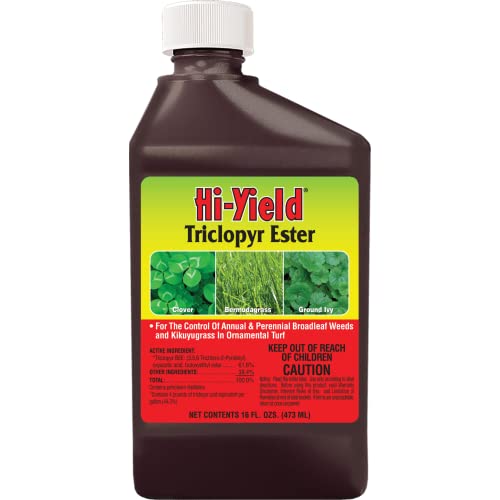
Hi-Yield Triclopyr Ester, 16 oz
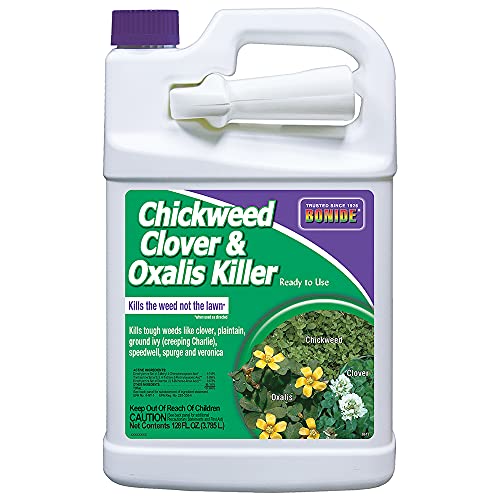
Bonide Chickweed, Clover & Oxalis Killer, 128 oz RTU
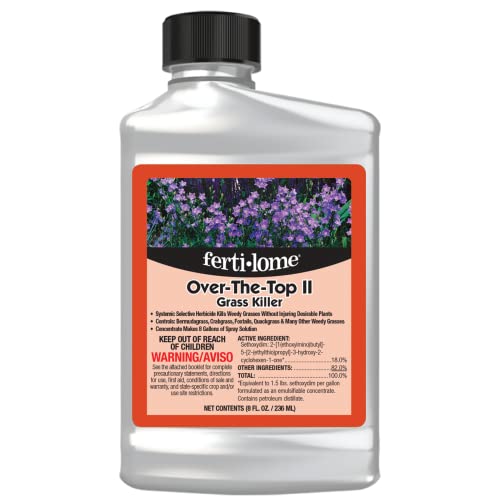
Fertilome 8 Oz Over The Top Grass Killer

Southern AG 01113 Brush Weed Killer, 1 Quart

Airmax Shoreline Defense Emergent Weed Control, 1 Quart

Ortho WeedClear Lawn Weed Killer RTU 1 gal.
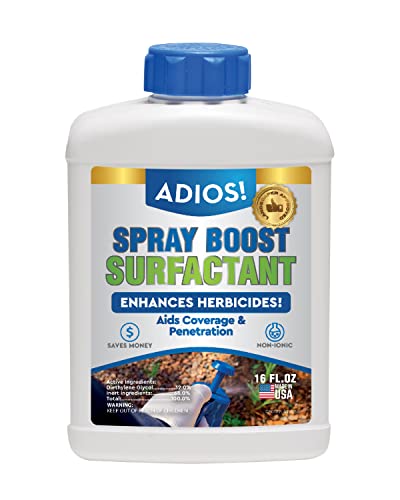
ADIOS! Non-Ionic Surfactant, 16 oz

Ortho Weed B Gon Weed Killer, 24oz RTU
Taking A Closer Look At The Options
Triclopyr is a synthetic auxin herbicide, meaning it mimics a plant growth hormone and disrupts broadleaf tissue while leaving most turfgrasses alone. Hi-Yield’s 16 oz concentrate leans into that chemistry for cool-season lawns where oxalis tends to creep into perennial ryegrass and tall fescue stands.
The same concentrate doubles as a bluegrass suppressor, so homeowners over-seeded with Kentucky bluegrass can dial back the spread. Application rates vary by target, so label-checking is part of the deal here. For most cool-climate lawns, this is a sensible starting point.
What It Does Well
- Targets actively growing broadleaf weeds like oxalis and wild violet with selective action.
- Compatible with perennial bluegrass, perennial ryegrass, and tall fescue ornamental turf.
- Liquid concentrate format stretches across multiple treatments from one bottle.
- Doubles as a bluegrass suppressor for yards transitioning away from that species.
- Concentrate pricing usually runs cheaper per treated square foot than ready-to-use options.
Points To Keep In Mind
- Bahiagrass, Bermudagrass, Centipedegrass, St. Augustine, and Zoysiagrass are all off-limits here.
- Mixing and sprayer cleanup add a step that ready-to-use products skip.
- Storage in a locked shed away from pets and kids matters with any concentrate.
Right Fit For
Homeowners with cool-season turf who want one bottle that handles oxalis and a few other broadleaf troublemakers.
Where Another Pick Suits Better
Southern lawns running warm-season grasses should reach for Ortho WeedClear Lawn Weed Killer RTU 1 gal. instead.
Bonide’s 128 oz ready-to-use bottle cuts out measuring and mixing, which matters for anyone who treats weeds a few times a year rather than weekly. The formula aims at chickweed, clover, dandelion, ground ivy, oxalis, and wild violet on residential turf.
Systemic action travels through the plant and into the roots, so yellowing and curling can show within a day. For homeowners who want one jug in the garage that handles most broadleaf lawn weeds, this format is hard to beat.
Reasons It Performs
- No measuring, no concentrate spills, no separate sprayer to clean.
- Broad label coverage handles over 100 broadleaf weeds beyond oxalis.
- Systemic movement reaches roots rather than just burning top growth.
- One gallon covers a sizeable residential lawn without refilling.
Honest Caveats
- Ready-to-use jugs weigh more at purchase and during carry to the lawn.
- Sprayer nozzle clogging is a widely reported issue after storage.
Who It Suits Best
Homeowners with a small-to-medium lawn who want grab-and-go simplicity and no mixing math.
Skip It When
Large acreage costs more per square foot in concentrate terms; switch to Hi-Yield Triclopyr Ester, 16 oz and a pump sprayer.
Fertilome’s Over The Top formula targets grass weeds rather than broadleaf intruders like oxalis. That distinction matters: it actually does not kill oxalis itself, but it earns its place here because gardeners often face oxalis tangled with crabgrass and other unwanted grasses in vegetable beds.
One 8 oz bottle of concentrate makes roughly 8 gallons of spray solution, depending on the target. Safe around vegetables, gardens, trees, shrubs, and ornamentals, it stops grass weed growth about two days after application. For anyone fighting grass weeds around beds while still managing oxalis by other means, it fills a unique role.
Good Reasons To Consider
- Targets both annual and perennial grass weeds selectively.
- Labeled for use around vegetables, gardens, trees, shrubs, and ornamentals.
- Concentrate stretches to roughly 8 gallons of finished spray.
- Visible growth stoppage within about two days of application.
- Fits a niche most broadleaf herbicides cannot touch.
Less-Strong Areas
- Does not actually control oxalis directly, so pairing with another product is often needed.
- Application rate varies by target species, which complicates planning.
Made For
Vegetable gardeners who want to clear grass weeds around beds without harming food crops or ornamentals.
Reach For A Different Pick When
Targeting oxalis itself calls for Bonide Chickweed, Clover & Oxalis Killer, 128 oz RTU as a dedicated broadleaf option.
Southern AG’s Brush Weed Killer brings serious chemistry to non-lawn areas, with 8.8% triclopyr doing the lifting. That puts it in the same family as Hi-Yield’s concentrate but aimed at fence rows, pastures, and right-of-way brush rather than residential turf.
Application runs 4 to 8 ounces per gallon for foliar spraying, so a quart lasts through multiple treatments. The product also prevents sprouting on cut stumps, a bonus for landowners clearing woody growth. Where oxalis has crept into pastures or unmanaged edges alongside tougher brush, this jug handles both jobs.
What Helps Most
- High triclopyr concentration at 8.8% tackles vines, brush, and stump regrowth.
- Foliar spray rate of 4 to 8 ounces per gallon scales to job size.
- Labeled for pastures, rangeland, and fence rows beyond residential lawns.
- Stump treatment feature reduces resprouting after cutting.
Things To Consider
- Not labeled for home lawns and may damage desirable turfgrass.
- Quart format requires mixing discipline and dedicated spray equipment.
Best Suited To
Rural property owners managing brush, vines, and stubborn weeds in non-crop zones rather than mowed lawns.
Look Elsewhere When
Residential lawn oxalis is the goal; Hi-Yield Triclopyr Ester, 16 oz fits that profile better.
Oxalis shows up along pond banks and shoreline edges, and standard lawn herbicides are not labeled for that water-edge environment. Airmax’s Shoreline Defense carries an aquatic label, which is the key differentiator on this list.
The quart targets emergent weeds and grasses, including cattails, phragmites, and brush along fresh and brackish water. Application directly to the water-adjacent zone lets pond owners reclaim docks and beaches. It is niche, but for waterfront property it fills a real gap.
Notable Gains
- Labeled for fresh and brackish water, which most lawn herbicides are not.
- Tackles emergent aquatics like cattails and phragmites alongside shoreline broadleaves.
- Targets roots of persistent aquatic weeds rather than just top growth.
Worth Noting
- Specialty format costs more than mainstream lawn treatments.
- Limited usefulness outside pond and shoreline settings.
Perfect Match For
Pond and lake property owners dealing with shoreline weed encroachment including oxalis mats.
Consider Something Else When
A standard lawn is the target; Bonide Chickweed, Clover & Oxalis Killer, 128 oz RTU fits better there.
Ortho’s WeedClear brings the brand’s familiar comfort wand to a gallon of ready-to-use lawn weed killer. The wand delivers a targeted stream without bending or knapsack carry, which makes spot-treating oxalis along sidewalk edges much easier.
Visible results tend to show within hours rather than days, with claims of covering over 250 broadleaf weeds including dandelion, chickweed, clover, dollarweed, oxalis, and henbit. For Southern lawns in particular, this is positioned as a direct route to clean turf without complicated setup.
Standout Benefits
- Comfort wand reduces bending and improves spray accuracy on patchy weeds.
- Ready-to-use format removes mixing steps for new homeowners.
- Targets more than 250 broadleaf weeds, including oxalis and dollarweed.
- Visible curling and browning within hours of application.
Practical Considerations
- One-gallon jug gets heavy during long spot-treat sessions.
- Battery or wand mechanisms occasionally clog after storage, which is a widely reported issue.
Whose Shelf It Belongs On
First-time herbicide users in Southern lawns who want a low-learning-curve path to cleaner turf.
A Better Fit Elsewhere
Large-acreage cool-season turf owners should pick Hi-Yield Triclopyr Ester, 16 oz for better cost-per-acre.
A surfactant is a wetting agent that helps spray droplets spread and stick to waxy or hairy leaf surfaces rather than beading up and rolling off. ADIOS! brings that boost to any herbicide tank mix, with one 16 oz bottle treating up to 50 gallons of spray solution.
It works with fungicides, pesticides, and defoliants too, so the bottle keeps earning its keep across seasons. For anyone whose oxalis sprays keep running off the leaf or underperforming, adding a surfactant often moves the needle more than swapping active ingredients.
Everyday Advantages
- One bottle treats up to 50 gallons of finished spray.
- Compatible with herbicides, fungicides, pesticides, and defoliants.
- Improves spray coverage on hard-to-wet leaves.
- Works across multiple garden and lawn applications, not just weeds.
Where It Is Less Suited
- It is an additive, not an herbicide itself, so it cannot replace an active product.
Who Should Grab It
Tank-mixers and homeowners frustrated by spray that beads up on waxy oxalis or violet leaves.
Swap It Out When
A standalone ready-to-spray product is needed; Ortho WeedClear Lawn Weed Killer RTU 1 gal. needs no additive.
The smaller sibling to Ortho’s WeedClear lineup, this 24 oz RTU trigger bottle suits quick spot jobs rather than full-lawn applications. The trigger spray gives simple aim-and-shoot control when only a handful of oxalis plants have shown up.
Designed for both Northern and Southern lawns, the formula handles dandelions, clover, and other broadleaf intruders. For households that treat weeds casually rather than seasonally, this compact bottle earns its place on the shelf.
Advantages To Know
- Compact 24 oz size fits in a kitchen drawer or small shed.
- Trigger spray keeps application precise for individual plants.
- Labeled for both Northern and Southern lawn types.
- Targets oxalis along with dandelion, clover, and similar broadleaves.
Minor Gripes
- Smaller bottle means more frequent repurchasing for larger lawns.
- Trigger sprayers can drift in windy conditions without a wand extension.
Built With In Mind
Apartment and townhome dwellers with small lawns who want a low-commitment, shelf-friendly option.
Another Choice May Suit
Whole-lawn coverage is the goal; Ortho WeedClear Lawn Weed Killer RTU 1 gal. covers more square footage per bottle.
What Matters Most Before Choosing Herbicides For Oxalis
Grass Type Compatibility
The single biggest filter is whether your lawn is cool-season (Kentucky bluegrass, perennial ryegrass, tall fescue) or warm-season (Bermuda, Zoysia, St. Augustine, Centipede). Many selective herbicides for oxalis are off-limits on warm-season turf, so checking the label against your grass species saves a burned lawn.
Application Format
Concentrates stretch further per dollar and let you treat large areas, but require mixing, a dedicated sprayer, and cleanup. Ready-to-use bottles trade economy for convenience, fitting occasional spot-treatments and smaller lawns. Match the format to your typical season volume rather than the lowest sticker.
Where The Weeds Live
Lawn, garden bed, fence row, and pond edge each demand different labels. A standard lawn herbicide can wreck a vegetable bed, and an aquatic-labeled product is overkill for turf. Choosing by location first narrows the list fast.
Coverage Beyond Oxalis
Most oxalis killers also handle chickweed, clover, dandelion, and wild violet. Looking at the full weed label means one product covers multiple troublemakers, which usually justifies a slightly higher initial spend.
Key Considerations Across These Picks
Wrong Turns To Avoid
Grabbing any selective broadleaf herbicide without checking your grass species is the most common lawn-killing mistake. Warm-season turf owners who reach for a cool-season product often see yellowing spread across desirable grass within days.
Another trap is mixing herbicide concentrates in a sprayer that previously held fertilizer or another chemistry. Residual traces can neutralize the new mix or scorch treated areas. A clean, dedicated sprayer is part of the package.
When Paying More Pays Off
Higher-tier aquatic and specialty products carry labels and chemistries that mass-market lawn herbicides simply cannot match. Pond owners, brush-heavy rural lots, and turf managers dealing with stubborn oxalis mats often find the price gap pays back in fewer repeat treatments and cleaner results.
Frequently Asked Questions
What is the best time of year to spray oxalis?
Late spring through early fall, when oxalis is actively growing and flowering, tends to give the most reliable results. Cool mornings with low wind and no rain in the forecast for 24 hours help the treatment stick and absorb.
Will herbicides for oxalis harm my lawn?
Selective formulas target broadleaf plants while leaving most turfgrasses alone, but only if your grass species is on the product label. Cool-season lawns usually have more options than warm-season ones, so always verify compatibility first.
How long does it take to kill oxalis?
Systemic products show yellowing and curling within a day or two, with full kill taking one to two weeks as the chemistry moves into the roots. Repeat treatments are commonly needed because oxalis seeds lie dormant in soil for years.
Can I use these products in vegetable gardens?
Most lawn-labeled herbicides are not approved for use around food crops. For vegetable beds, look for products explicitly labeled for edible gardens, or rely on hand pulling and mulching alongside targeted grass killers like Fertilome Over The Top.
Do I need a surfactant with herbicide sprays?
Adding a non-ionic surfactant helps spray stick to waxy oxalis leaves and improves absorption, especially with concentrate mixes. For ready-to-use trigger bottles, surfactants are usually unnecessary because the formulation already includes wetting agents.
Bottom Line
Eight solid options sit across lawn, garden, shoreline, and brush categories, and the right one depends on grass type, treatment area, and how often you actually spray. Match the label to your situation first, then pick the format that fits your routine.
