

Spurge is one of those weeds that shows up uninvited, hugs the soil in a tight mat, and laughs at hand-pulling once the seed heads set. Left alone, it races across driveways, garden edges, and thin lawns within a single growing season.
If you want to stop it without torching the surrounding turf, the right herbicide matters more than the volume you buy. This guide walks through eight focused options that handle spurge and its stubborn neighbors, from selective lawn concentrates to surfactants that make whatever you spray work harder.
An Overview Of The Picks
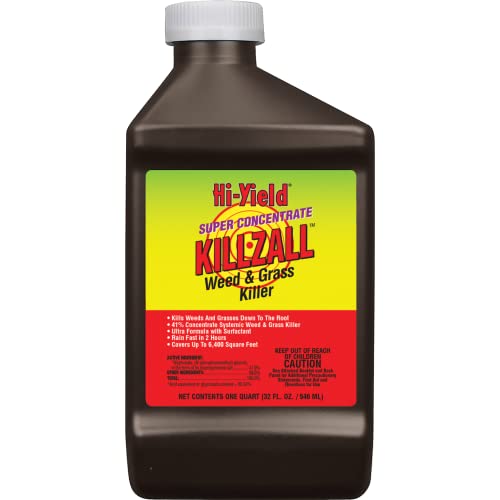
Hi-Yield Super Concentrate Killzall Weed & Grass Killer (32 oz)
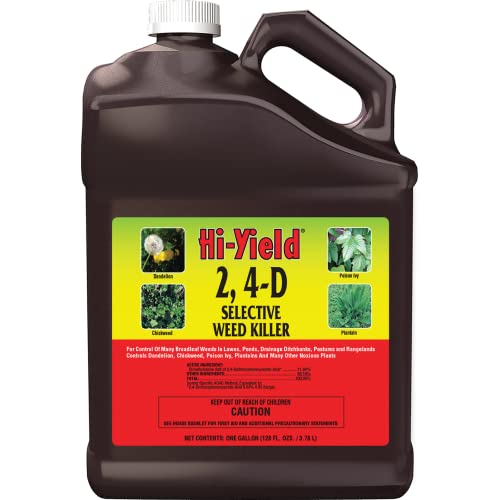
Hi-Yield 2,4-D Selective Weed Killer, 1 gal

Fertilome Weed Free Zone Broadleaf Weed Killer Concentrate, 1 gal
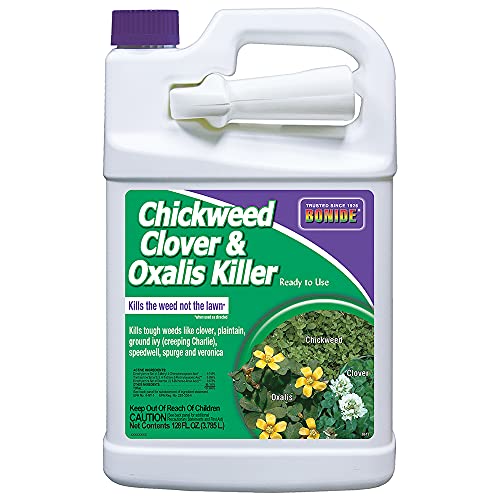
Bonide Chickweed, Clover & Oxalis Killer, 128 oz Spray

Southern AG 01113 Brush Weed Killer, 1 Quart

Ortho WeedClear Lawn Weed Killer Ready-to-Use 1 gal.
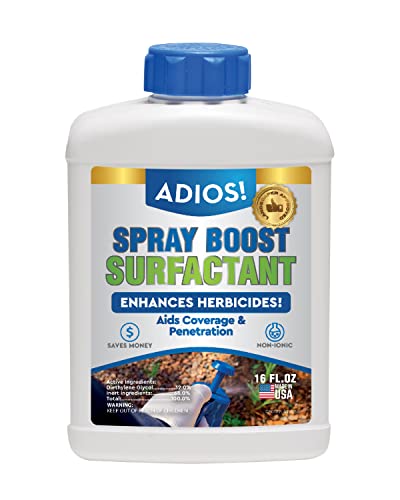
ADIOS! Surfactant for Herbicide and Weeds, 16 oz
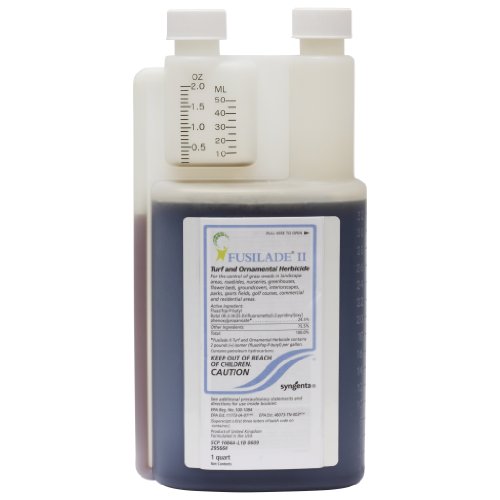
Fusilade Selective Herbicide II 73215
The Details Behind The Selections
Spurge growing through the cracks of a driveway or along a gravel walkway won’t respond to selective formulas that spare the lawn, because there is no lawn to spare. That is exactly the situation this Hi-Yield Killzall concentrate is built for. The double-surfactant blend helps the spray spread across the waxy, low-growing spurge leaves and start working fast on contact.
A single 32 oz bottle covers up to 6,400 square feet once diluted, which makes it practical for large, neglected areas where you want a clean reset before replanting. Compared with the ready-to-use picks lower in this list, you trade convenience for economy. For spot work on bare ground, the tradeoff usually pays off.
Why It Works Well
- Covers a large footprint per bottle, lowering cost per square foot for big jobs.
- Targets grasses, broadleaf weeds, and woody brush in one pass.
- Dries fast on the plant, so rain and irrigation are less of a worry after a short dry window.
- Useful on driveways, fence lines, and bare-soil areas where total vegetation control is the goal.
Things To Consider
- Not for use on lawns: it will damage desirable turf along with the weeds.
- Requires mixing and a dedicated sprayer, which adds cleanup time.
Key Specs
Made For
Homeowners clearing total vegetation on patios, gravel drives, and fence rows where selective control would be wasted.
Skip It When
Spurge has crept into a desirable lawn, where the Fertilome Weed Free Zone concentrate is the smarter, lawn-safe choice.
When the spurge problem has spread across a pasture or a wide lawn, mixing a small concentrate by hand becomes the bottleneck. A full gallon of Hi-Yield 2,4-D solves that with enough volume to treat big turf areas without constantly refilling the tank. The active ingredient targets broadleaf weeds while leaving most established grasses alone.
It is approved for lawns, ponds, drainage ditches, pastures, and rangelands, which gives you flexibility if the spurge has crossed property lines. For best results, tank-mixing with Hi-Yield Spreader Sticker is suggested on the label, which is a surfactant similar to the ADIOS pick further down. Compared with the smaller Killzall concentrate, this one keeps the surrounding turf alive.
The Practical Payoff
- Selective broadleaf control means cool-season grasses usually recover while weeds fade.
- One-gallon size suits multi-acre properties and repeat seasonal treatments.
- Label coverage extends to pastures and drainage ditches, not just residential lawns.
- Pairs cleanly with a sticker surfactant for harder-to-wet weeds like mature spurge.
Worth Noting
- Mixing accuracy matters: over-application can stress desirable turf along the edges.
- Storage of a full gallon takes more space than a 32 oz concentrate bottle.
Feature Snapshot
Right Fit For
Owners of larger lawns, small farms, or acreage with broadleaf pressure who want a selective, repeatable treatment through the growing season.
A Better Fit Elsewhere
Homeowners with only a small patch of spurge will get more value from the smaller, ready-to-use Bonide Chickweed, Clover & Oxalis Killer.
Spurge rarely travels alone. It usually shows up alongside clover, chickweed, thistle, and the usual springtime clutter, so a single-target herbicide often means playing whack-a-mole all season. Fertilome Weed Free Zone is designed for exactly that mixed broadleaf situation, controlling over 80 listed weeds in one pass.
It is safe on common lawn grasses including Kentucky Bluegrass, Bermudagrass, Bahiagrass, and Zoysiagrass when used as directed, which covers both cool-season and warm-season yards. Visible injury can show up within hours of application, which helps you judge whether a re-treatment is needed without waiting days. For homeowners who want one concentrate that handles spurge and its neighbors, this is a strong middle ground between the larger 2,4-D pick above and the ready-to-use Bonide below.
Practical Advantages
- Targets spurge along with clover, chickweed, thistle, and many other broadleaf offenders.
- Visible injury within hours, so you can tell quickly whether a second pass is needed.
- Compatible with several common lawn grasses for flexible seasonal use.
Honest Caveats
- Mixing and sprayer cleanup are required, unlike a hose-end bottle.
- Most effective on young, actively growing weeds, so timing the application matters.
Who It Suits Best
Lawn owners dealing with a mixed bag of broadleaf weeds, including spurge, who want a single concentrate rather than several targeted products.
Consider Something Else When
Treatments need to stay small and infrequent, in which case the Bonide Chickweed, Clover & Oxalis Killer Ready-to-Use spray saves the mixing step.
Not every spurge problem calls for a concentrate and a separate sprayer. Sometimes the goal is a quick walk through the lawn with a bottle in hand, hitting the patches as they show up. Bonide’s Ready-to-Use spray fits that rhythm, with a trigger bottle that needs no mixing, measuring, or post-job cleanup beyond rinsing the nozzle.
It controls chickweed, clover, dandelion, ground ivy, oxalis, wild violet, and over 100 other tough weeds, so spurge is just one entry on a long list. The systemic action works down to the roots without destroying the surrounding lawn, and rainfastness within hours means a passing shower doesn’t undo your effort. For small lawns or spot-treatment routines, this bottle earns its keep.
Everyday Perks
- Pre-mixed bottle removes measuring and tank cleanup.
- Targets a wide list of broadleaf weeds beyond just spurge.
- Rainproof within hours, so an unexpected shower won’t wash away treatment.
- Designed for residential turf, so the surrounding grass usually recovers.
Small Caveats
- Coverage per bottle is limited compared with the Fertilome concentrate above.
- Trigger sprayers can fatigue the hand during a long session; a pump sprayer is more comfortable for big areas.
Quick Facts
Best Suited To
Homeowners with a small yard who prefer grab-and-go spot treatments over mixing concentrates for every spurge patch.
Look Elsewhere When
Spurge has spread across a large lawn, where a concentrate like Fertilome Weed Free Zone becomes more practical and more economical.
Prostrate spurge hugs the ground, but the same family also produces upright, woody-stemmed varieties that behave more like small brush than lawn weeds. Southern AG Brush Weed Killer is sized for those rougher situations, with an 8.8% Triclopyr base designed for vines, hard-to-control plants, and stump treatments.
It is intended for non-crop areas like road rights-of-way, rangeland, pastures, and fence rows, so it is overkill for a tidy suburban lawn. For a homeowner with a rural lot, pasture edges, or a neglected fence line where spurge has climbed into tougher territory, the quarter-gallon format is approachable. Simple mixing directions at 4 to 8 ounces per gallon make it usable without specialized gear.
Advantages To Know
- Handles brush, vines, and stump regrowth in addition to broadleaf weeds.
- Compact 32 oz quart is easier to store than a one-gallon jug.
- Designed for non-crop land, including road edges and pasture borders.
Trade Offs
- Too aggressive for lawn use and can damage desirable turf along fence lines.
- Smaller container means more mixing cycles for very large properties.
Who Should Grab It
Rural property owners dealing with spurge mixed into fence rows, brushy edges, and pasture borders where heavier brush control is also needed.
Reach For A Different Pick When
You want to treat spurge inside an actively maintained lawn, where Bonide Chickweed, Clover & Oxalis Killer keeps the turf intact.
The Comfort Wand turns a one-gallon jug into a walk-behind tool, which makes Ortho WeedClear a good middle ground between a heavy concentrate and a small trigger bottle. You hook up nothing, measure nothing, and walk the lawn treating spurge as you go. The formula targets over 250 broadleaf weeds, so spurge is one of many problems it addresses.
It is positioned for Southern lawns specifically, which matters because grass tolerance varies by region and a product labeled for Bermuda or St. Augustine behaves differently on a Northern bluegrass yard. Visible results show up in hours, similar to the Fertilome concentrate. Compared with the Bonide Ready-to-Use spray, the Comfort Wand saves hand fatigue during a longer session.
A Strong Showing
- Comfort Wand reduces hand strain compared with a squeeze trigger.
- Targets over 250 broadleaf weeds, including spurge, dollarweed, and chickweed.
- Pre-mixed gallon jug removes measuring and tank mixing.
Where It May Fall Short
- Formulated primarily for Southern lawn types, so check grass compatibility before use.
- Bottle weight plus residual liquid makes storage on a high shelf awkward.
Perfect Match For
Southern lawn owners who want a ready-to-spray solution for spurge and other broadleaf weeds without hauling a pump sprayer around.
Where Another Pick Suits Better
Cool-season lawns in the North get more reliable results from Fertilome Weed Free Zone, which is broadly labeled for those grass types.
Spurge leaves are waxy, which means spray droplets often bead up and roll off before the herbicide has a chance to penetrate. A surfactant changes that math by reducing surface tension so the spray sticks and spreads. ADIOS is a non-ionic surfactant that mixes with herbicides to improve coverage.
One 16 oz bottle stretches across roughly 50 gallons of mixed spray, so a little goes a long way. It is a supporting product rather than a standalone treatment, but pairing it with the Hi-Yield 2,4-D or Fertilome Weed Free Zone above can noticeably improve results on stubborn weeds. Think of it as an amplifier for whatever else you already use.
Practical Pluses
- Improves spray adhesion on waxy, hard-to-wet weeds like spurge.
- 16 oz treats up to 50 gallons of mixed spray, keeping cost per use low.
- Compatible with most broadleaf herbicides, fungicides, and insecticides on the market.
Points To Keep In Mind
- It does not kill weeds on its own; pair it with an actual herbicide to see results.
Whose Shelf It Belongs On
Homeowners already using a concentrate herbicide who want better coverage on waxy weeds like spurge without switching products.
Swap It Out When
You want a one-step solution instead of mixing additives, in which case Bonide Chickweed, Clover & Oxalis Killer Ready-to-Use handles spot jobs alone.
Fusilade II occupies a specific niche: it controls grass weeds specifically, leaving broadleaf ornamentals and most landscape plants untouched. It is the right tool when volunteer grass is invading a flower bed, groundcover, or shrub border where a broadleaf herbicide would damage the plants you actually want to keep.
It can be applied as a spot treatment or as an over-the-top spray without harming listed ornamental plants, which makes it versatile across mixed landscape beds. Rainfast within about an hour, it holds up well through an unexpected shower. For homeowners dealing with grassy weeds in flower beds, it solves a problem most of the broadleaf products in this list cannot touch.
What Makes Sense
- Targets grassy weeds specifically, sparing listed ornamentals nearby.
- Works as a spot spray or over-the-top application, depending on coverage needs.
- Rainfast within roughly an hour after application.
Possible Compromises
- Designed for grass weeds, so it does not address prostrate spurge directly.
- Concentrate format requires careful mixing and dedicated spray equipment.
Built With In Mind
Landscapers and homeowners with ornamental beds overrun by grass weeds who need a targeted, plant-safe option.
Not Your Match When
Spurge has taken over a lawn or gravel area, where Fertilome Weed Free Zone or Hi-Yield Killzall are designed for those surfaces.
Matching The Right Herbicide To Your Spurge Problem
Spurge shows up in three very different environments, and the herbicide that wins in one often disappoints in another. Before picking a bottle, identify where the weed is growing and what you want to keep alive around it.
For lawns, selective broadleaf products like Fertilome Weed Free Zone and Hi-Yield 2,4-D target the weed without killing the turf. Non-selective options like Hi-Yield Killzall belong on driveways, gravel, and bare soil where nothing green should be growing. Ready-to-use sprays such as Bonide and Ortho WeedClear make sense for spot treatments in smaller lawns, where hauling a pump sprayer feels like overkill.
Brushy edges, fence rows, and pasture borders call for tougher chemistry like Southern AG Brush Weed Killer, while landscaped flower beds benefit from grass-selective Fusilade II when the issue is grassy weeds rather than spurge itself. If your herbicide is beading up on waxy spurge leaves, a surfactant like ADIOS can help any of these products work better. Always read the label for grass compatibility, especially with Southern-formulated products like Ortho WeedClear on cool-season lawns.
Key Considerations Across These Picks
Where Shoppers Go Wrong
The most common mistake is grabbing a non-selective herbicide like Hi-Yield Killzall and accidentally spraying it across a lawn that was supposed to stay green. Another slip is treating spurge in midsummer when it is drought-stressed, which reduces uptake and weakens results. Finally, skipping surfactant on waxy spurge leaves often means the spray beads off before it can work, so coverage looks good but the weed survives.
When Paying More Pays Off
Higher-tier options like the one-gallon 2,4-D concentrate and Fertilome Weed Free Zone cost more up front because they cover larger areas and target more weed species per pass. For homeowners with a quarter acre or more of mixed broadleaf pressure, that larger jug usually means fewer refilling stops and lower cost per treated square foot overall. Smaller ready-to-use bottles stay the smarter call for spot work on a postage-stamp lawn.
Frequently Asked Questions
Will any of these herbicides kill grass along with the spurge?
Only non-selective products like Hi-Yield Killzall and Southern AG Brush Weed Killer damage grass. The selective concentrates and ready-to-use sprays above are designed to spare listed turf types when used as directed.
How long does it take for spurge to die after spraying?
Most broadleaf herbicides in this list produce visible injury within hours, but full root kill often takes one to three weeks depending on weather and the weed’s growth stage.
Can I use these herbicides on flower beds or vegetable gardens?
Most of these products are labeled for lawns or non-crop areas only. Vegetable gardens require herbicides specifically labeled for edible crops, and flower beds are usually best treated with grass-selective products like Fusilade II or hand removal.
Do I need a surfactant to treat spurge?
Spurge leaves are waxy and cause spray to bead up, so a non-ionic surfactant like ADIOS noticeably improves coverage. It is not strictly required, but it usually helps any of the herbicides above work more reliably.
When is the best time of year to spray for spurge?
Young, actively growing spurge in spring or early fall is the easiest target. Mature, drought-stressed plants in midsummer absorb herbicide poorly, so results drop off.
The Takeaway
Spurge is stubborn but beatable once you match the herbicide to the setting. Selective concentrates handle it in lawns, tougher brush killers clean up fence rows, and a small bottle of surfactant makes any of them stick better on those waxy leaves. Pick the option that fits your surface, follow the label, and the mat of spurge that has been winning all season usually loses within a few weeks.
