

Thistle spreads fast, sinks a taproot deep, and shrugs off the casual spray. Your lawn or pasture needs something that actually moves through the plant and keeps it from coming back. The right herbicide hinges on what you’re growing nearby (cool-season turf, warm-season turf, or no turf at all) and whether you want a selective spray that spares grass or a non-selective cleanup for fence rows and bare ground.
Here’s how the eight options below line up against those real scenarios, so you spend money on a jug that fits your soil, your grass, and your tolerance for re-spraying.
The Picks In Brief
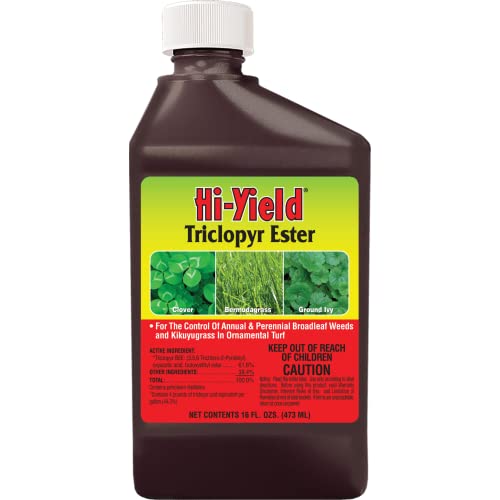
Hi-Yield Triclopyr Ester, 16 oz
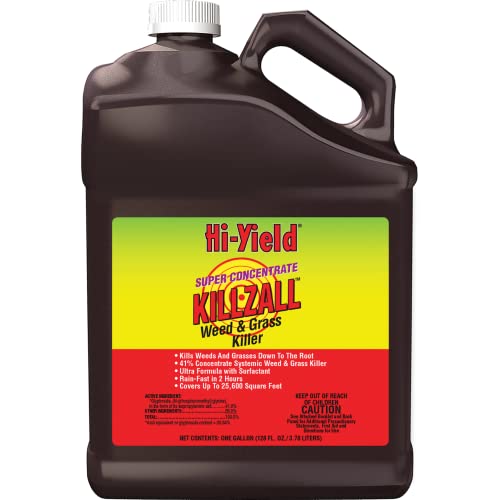
Hi-Yield Killzall Super Concentrate, 1 gal
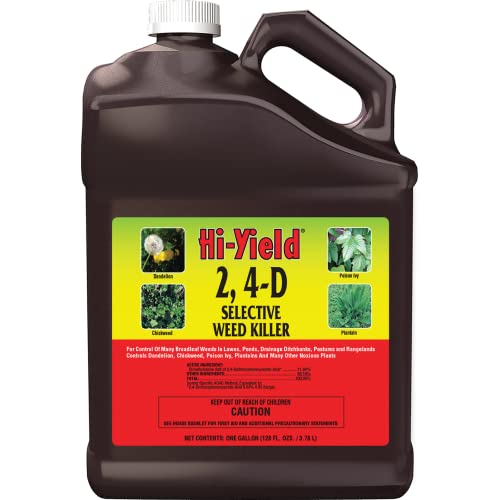
Hi-Yield 2,4-D Selective Weed Killer, 1 gal

Fertilome Weed Free Zone, 1 gal

Target 6 Plus MSMA Turf Herbicide, 2.5 gal
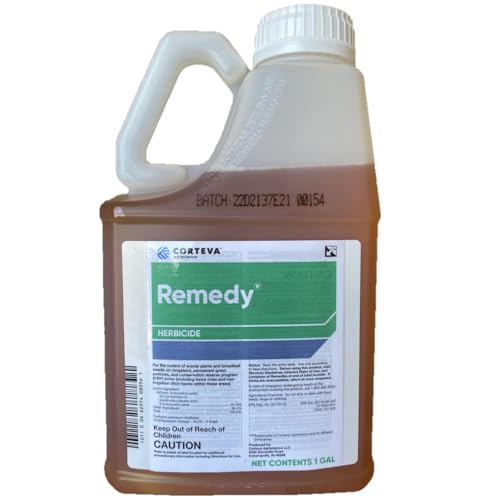
Remedy Specialty Herbicide, 1 gal

Agrisel GlyPhoSel Pro, 32 oz
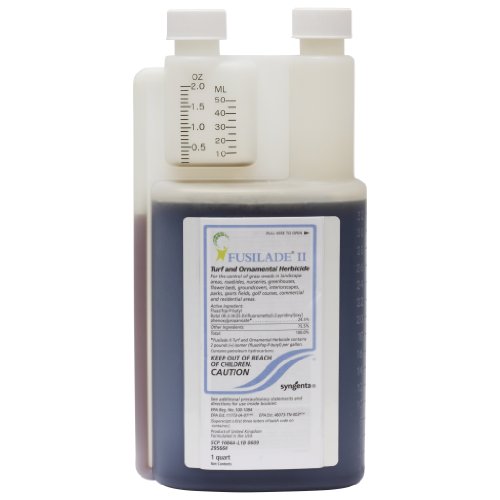
Fusilade II Selective Herbicide 73215
Why These Options Stand Out
Triclopyr is one of the few active ingredients that actually travels down a thistle taproot and keeps it from resprouting, and Hi-Yield packages it as a 16-oz ester concentrate you can mix in a handheld pump sprayer. If your lawn is cool-season (perennial bluegrass, perennial ryegrass, or tall fescue), this is the kind of bottle that lives in the garage for the whole growing season.
For most homeowners, the 16-oz size hits the sweet spot: enough to spot-treat dozens of thistle rosettes without paying for a full gallon you’d store for years. You may find the label intimidating, but the rate per gallon is straightforward once you measure your first batch.
What Pays Off
- Triclopyr ester moves systemically through the plant, so the root system gets a dose, not just the leaves.
- The 16-oz size is a manageable starting point for homeowners who haven’t sprayed before.
- Doubles as a bluegrass suppressor on the label, useful if you’re renovating a tired patch.
- Compatible with common cool-season turfgrasses on the label, reducing the risk of unsightly burn.
Things To Consider
- Do not spray Bahiagrass, Bentgrass, Bermudagrass, Centipedegrass, St. Augustine, or Zoysiagrass, which rules out most southern lawns.
- Ester formulations are sensitive to temperature drift, so a calm day matters more than the calendar.
- Storage in a locked shed keeps curious kids and pets out, since the concentrate is far stronger than the diluted spray.
Key Specs
Who It Suits Best
Homeowners with cool-season lawns who want a small, label-friendly concentrate that handles spot jobs without committing to a full gallon.
Where Another Pick Suits Better
Warm-season lawn owners should skip this in favor of Fertilome Weed Free Zone, which lists Bermudagrass, Bahiagrass, and Zoysiagrass on its label.
Killzall is a non-selective herbicide that treats grasses, broadleaf weeds, and woody brush species, which means it isn’t a lawn product at all. Think fence lines, gravel drives, barn lots, and that corner of the yard where thistle has taken over and you don’t want anything green left behind.
The double-surfactant blend helps the spray dry on the leaf fast and start working quickly, which is a real advantage when rain is in the afternoon forecast. You may find the coverage area generous on the label, but plan for a couple of follow-ups on deep-rooted thistle since non-selectives stop at the leaves more often than you’d like.
Useful Highlights
- Non-selective action clears everything green, including tough brush along property edges.
- One gallon covers large bare-ground areas, which spreads the cost across bigger jobs.
- Fast-drying surfactant formula shortens the rain-fast window after you spray.
Honest Caveats
- The label specifically warns against use on lawns, so a single drift can kill a strip of desired turf.
- Thistle regrowth from established roots can require repeat applications spaced a few weeks apart.
- The concentrate has a strong odor during mixing, so gloves and a ventilated spot are worth the effort.
Right Fit For
Rural property owners clearing fence rows, gravel areas, and overgrown lots where selective spraying isn’t the goal.
Skip It When
Anyone with a desirable lawn should reach for the Fertilome Weed Free Zone instead, since it stays selective on listed turfgrasses.
2,4-D is the old-school broadleaf weapon, and Hi-Yield’s version is a 1-gal concentrate aimed at bigger turf areas than a backyard. It controls or suppresses many broadleaf weeds including dandelion, arrowhead, buckhorn, aster, and goatsbeard, with thistle falling into that same susceptible group.
The label allows use on lawns, ponds, drainage ditches, pastures, and rangelands, which is unusual versatility. You may find a spreader-sticker adjuvant improves how well the spray clings to fuzzy thistle leaves, and the brand offers a companion product for exactly that purpose.
The Value In It
- Works across multiple sites, including pasture and rangeland where thistle is a livestock-graze issue.
- Selective against broadleaf weeds, so surrounding grass stays intact when applied correctly.
- The 1-gal size makes sense for acreage rather than a few square feet.
Practical Considerations
- The label lists many grass types but isn’t universal, so check before spraying near sensitive species.
- Repeat treatments are typically needed for established thistle stands.
- The concentrate should be stored in a cool, dry spot away from feed and animal areas.
Made For
Small-acreage owners and hobby farmers dealing with thistle in pastures, drainage ditches, and larger turf blocks.
A Better Fit Elsewhere
Suburban homeowners with a small lawn should consider Fertilome Weed Free Zone for a faster visual response.
Fertilome’s Weed Free Zone is built around a four-way selective blend that controls over 80 broadleaf weeds, and the label explicitly calls out thistle along with clover, spurge, and chickweed. That makes it the most thistle-targeted residential concentrate in this roundup.
The label also lists Kentucky Bluegrass, Bermudagrass, Bahiagrass, and Zoysiagrass among the safe turf types, opening it up to southern lawns where triclopyr ester is off-limits. You may find the visual response fast enough that neighbors ask what you sprayed, which is a different kind of problem.
Points In Its Favor
- Labeled for thistle among more than 80 broadleaf weeds, so you don’t have to guess.
- Safe on a long list of warm- and cool-season turfgrasses.
- Shows visible injury quickly, which helps you confirm the spray actually landed.
Worth Noting
- A 1-gal jug is more concentrate than a small lawn needs in a single season.
- Best results require young, actively growing weeds, so timing matters more than the brand.
- Mixing accuracy is critical, since over-application can yellow turf along the edges.
Who Should Grab It
Homeowners in transition-zone or southern lawns who want a single jug that handles thistle plus dozens of other broadleaf invaders.
Look Elsewhere When
Anyone managing pasture or fence-line brush should pick up Remedy Specialty Herbicide for heavier woody and brush work.
Target 6 Plus is the professional-turf entry in this list, built around 48.2% MSMA, a post-emergent selective herbicide used on cotton, golf courses, sod farms, and highway rights-of-way. It targets crabgrass, dallisgrass, johnsongrass, nutsedge, pigweed, and chickweed, which makes it a grass-and-sedge specialist more than a thistle specialist.
You may find it useful where grassy weeds dominate a turf stand, but it isn’t the first reach for broadleaf thistle. The mix rate of about 2 oz per gallon is a workable starting point, though specific weeds call for specific label instructions.
What Helps Most
- Selective post-emergent action targets tough grass weeds without killing desired turf on the label.
- The 2.5-gal packaging suits commercial or large-acreage operations.
- Mixes at roughly 2 oz per gallon, a manageable dilution for backpack sprayers.
Trade-Offs To Consider
- Not the strongest choice for thistle specifically, since thistle is a broadleaf rather than a grass.
- Restricted-use considerations apply in some regions, so check local rules before buying.
- Two-and-a-half gallons is a lot of product for a typical homeowner to store and use safely.
Best Suited To
Turf managers and sod-farm operators handling grassy weeds alongside occasional broadleaf pressure in labeled settings.
Reach For A Different Pick When
Residential thistle problems are usually better served by Hi-Yield Triclopyr Ester for cool-season lawns or Fertilome Weed Free Zone for warm-season lawns.
Remedy is the rangeland-grade triclopyr option, formulated for pasture restoration, fence-row maintenance, and encroaching brush. Where Hi-Yield’s 16-oz bottle targets residential spot spraying, Remedy targets acreage-scale brush and thistle control.
It works through the entire plant, including roots and top growth, and the low-odor profile is a real benefit when you’re mixing in a barn or near livestock. You may find it pairs well with broadleaf herbicides like GrazonNext or ForeFront HL in a tank mix for heavier infestations, depending on your goals.
Positive Points
- Triclopyr-based formula treats the whole plant, including roots, which thistle demands.
- Low-odor mix compared to ester herbicides makes handling more pleasant.
- Flexible enough to use alone or tank-mixed for pasture restoration programs.
- Safe around children and pets when applied according to label directions.
Small Caveats
- A 1-gal jug is overkill for a suburban lawn and better matched to multi-acre properties.
- Tank-mixing flexibility requires some herbicide literacy to use safely.
- Spot equipment like a backpack sprayer is fine, but coverage planning matters at fence-line scale.
Feature Snapshot
Whose Shelf It Belongs On
Ranchers and acreage owners reclaiming pasture from thistle and encroaching brush along fence rows.
Swap It Out When
Homeowners with a small lawn should pick Hi-Yield Triclopyr Ester for a more proportional bottle size.
GlyPhoSel Pro is a 41% glyphosate concentrate in a 32-oz bottle, positioned for ornamental gardens and turf spot treatment. Glyphosate is the broadest non-selective herbicide available, so it’s a cleanup tool rather than a lawn rescue, but thistle responds well when you want a single plant gone.
The easy-mix format and small bottle make it approachable for one-off projects. You may find the pet-safe positioning relevant for households where a dog wanders the yard the same afternoon.
The Case For It
- Non-selective glyphosate knocks down tough perennial thistle when spot-applied.
- The 32-oz bottle fits a one-season spot-treatment plan without long storage.
- Low usage rates mean the concentrate stretches across many small jobs.
- Pet-safe framing aligns with label use and gives cautious households a clear path.
Honest Caveats
- Spot treatment on large surfaces is the recommended use, since broad spray eliminates all vegetation.
- Shielding desirable plants during application takes more care than selective herbicides.
- Glyphosate does not move into roots as reliably as triclopyr on thistle, so repeat checks are wise.
Perfect Match For
Gardeners who want a compact non-selective jug for spot-thistle removal around ornamentals and fence corners.
Where A Sibling Pick Shines
Those wanting a selective lawn-safe approach should choose Fertilome Weed Free Zone to preserve surrounding turf.
Fusilade II is a grass-selective herbicide from Syngenta, meaning it controls perennial and annual grass weeds while leaving broadleaf ornamentals alone. Thistle, being a broadleaf, isn’t the direct target, but Fusilade earns its place in any toolbox dealing with grass weeds invading flower beds where thistle might also appear.
You may find the over-the-top application window useful in landscaped areas where a precise spray shield isn’t practical. The rainfast window of about one hour is a real convenience during shoulder seasons.
The Helpful Details
- Selective action targets grass weeds without damaging listed ornamental plants.
- Spot treatment or over-the-top application both fit the label, simplifying landscape work.
- Stands up to rain after about one hour, shortening the weather-anxiety window.
Points To Keep In Mind
- Fusilade doesn’t control thistle directly, since thistle is a broadleaf, not a grass.
- Mixing rates vary by weed, so reading the label matters more than with broader herbicides.
- Coverage planning in mixed ornamental beds takes more thought than broadcast lawn spraying.
Built With In Mind
Landscape professionals and homeowners maintaining ornamental beds who want grass weeds controlled without harming flowers or shrubs.
Where Another Pick Suits Better
For thistle specifically, Hi-Yield Triclopyr Ester or Fertilome Weed Free Zone handle the broadleaf problem more directly.
What Matters Most Before Choosing Herbicides For Thistle
Match The Chemistry To The Grass
A selective herbicide that wipes out thistle in Kentucky Bluegrass can torch a Bermudagrass lawn in the same spray pass. Start every purchase by reading the labeled turf list, not the marketing copy. Cool-season lawns usually pair with triclopyr or 2,4-D blends, while warm-season lawns often do better with Weed Free Zone’s four-way mix.
Thistle Demands A Root-Focused Approach
The visible stalk is the easy part: the taproot is what regrows the plant next spring. Systemic active ingredients like triclopyr and glyphosate move through the leaf into the root system, while contact-only herbicides only crisp the top. Choose a systemic option for established thistle patches and reserve contact sprays for seedlings.
Size And Coverage Drive The Format
A 16-oz concentrate suits a backyard with a dozen rosettes. A 1-gal jug makes sense for pasture, fence-line, or multi-acre turf. Plan on repeat treatments spaced a few weeks apart, so a single jug usually covers more ground than the label’s first estimate suggests.
Application Timing Beats Brand Loyalty
Most broadleaf herbicides work best when weeds are young and actively growing, usually spring or fall in transition zones. Spraying during drought stress or peak summer heat wastes product and stresses the surrounding grass. Calendar timing matters as much as the active ingredient on the label.
Key Considerations Across These Picks
Where Shoppers Go Wrong
The most common error is grabbing a non-selective jug for a lawn rescue, which kills the grass along with the thistle and leaves bare circles that invite new weeds. Another frequent slip is spraying during windy weather, which drifts herbicide onto desirable plants or into neighbor yards. Always confirm the spray window, the labeled turf, and the wind before pulling the trigger.
Where The Extra Money Goes
Premium pasture and rangeland products like Remedy Specialty Herbicide cost more because they cover acreage, treat brush and woody plants, and ship in concentrations built for professional sprayers. The extra spend pays off when your thistle problem is mixed with encroaching brush along a fence line. For a small residential lawn, the same dollars go further in a smaller concentrate that fits a pump sprayer.
Frequently Asked Questions
What is the best time of year to spray thistle?
Most selective herbicides work best when thistle is actively growing in spring or early fall, since the plant pushes the active ingredient down into the root system during those windows. Avoid spraying during summer heat stress or drought, when the plant slows down and absorbs less.
Will one spray kill thistle completely?
Most thistle patches need at least two treatments spaced a few weeks apart, especially for established plants with deep taproots. A single pass usually yellows the leaves and weakens the plant, but the root often survives to send up new growth.
Can thistle herbicides hurt my lawn?
Selective herbicides like Weed Free Zone are labeled safe on specific turf types, but the same product can damage turf not on the label. Always confirm your grass type against the product’s turf list before mixing and spraying.
How long should pets stay off a treated area?
Most labels recommend keeping pets out of the spray area until the product dries, which is often a few hours depending on humidity and sun. Read your specific label for the exact reentry interval, since it varies by active ingredient.
Do I need a surfactant for thistle sprays?
Thistle leaves are waxy and somewhat fuzzy, so a spreader-sticker adjuvant often improves coverage and absorption. Some products are formulated with surfactants already, while others benefit from a separate adjuvant mixed in the tank.
Wrap Up
The right jug depends on your grass, your acreage, and how patient you are with repeat treatments. Cool-season lawn owners usually get the cleanest results from Hi-Yield Triclopyr Ester, while warm-season lawns land on Fertilome Weed Free Zone. Fence-line and pasture problems call for Remedy Specialty Herbicide, and bare-ground cleanup leans on Hi-Yield Killzall. Match the product to the site, spray during active growth, and budget for a follow-up pass.
