

A bare slope is one of the toughest spots in any yard. Heavy rain, dry midsummer heat, and the pull of gravity all conspire to wash away topsoil before grass or flowers can take hold. Pick the wrong approach, and you’re reseeding every spring. Pick the right combination, and the hill becomes the most self-sufficient patch on your property, anchoring itself with deep roots, woven fibers, or a dense mat of bloom. This guide covers eight practical picks, from shade-tolerant turf mixes and erosion blankets to flowering ground covers, so you can match the right solution to the slope you actually have.
Your Options, Compared

Jonathan Green Black Beauty Dense Shade Grass Seed – 25 lb
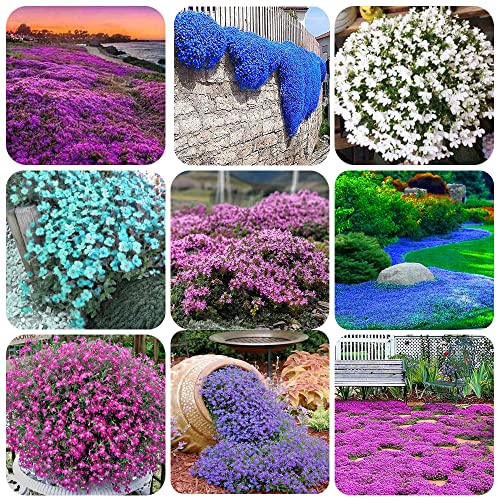
Creeping Thyme Seeds for Planting, Thymus Serpyllum Heirloom Ground Cover

De Witt SBLT6300 Ground Cover Sunbelt

Wildflower Seeds Massive Meadow Mix, 25 Heirloom Varieties (40g)

Dewitt Single Net Excelsior Blanket 4 x 112.5 Feet (2-Pack)

Old Cobblers Farm Wicked Tuff Turf Hillside Stabilizer Seed (10 lbs)
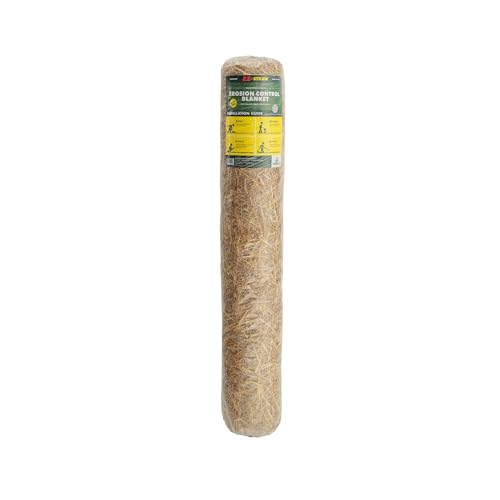
EZ Straw Grass Seed Germination and Erosion Control Blanket 4×50

American Excelsior QuickGrass Pro Erosion Control Blanket 4×50
Taking A Closer Look At The Options
Most lawn seed mixes surrender the moment a maple tree throws shade across a slope. Jonathan Green’s Black Beauty blend is built for exactly that fight. It’s a four-grass mix formulated for filtered light, which is the realistic condition under tall trees or along the north side of a house.
On a hillside, dense shade usually means slower establishment, so a 25 lb bag covers meaningfully less area than a sunny-lawn blend. The reward is a darker green color once it fills in, and the ability to hold its own where most turfgrass thins out. Homeowners with wooded back slopes get the most out of it.
Why It Works Well
- Shade-tolerant blend handles areas with limited sun exposure
- Four-grass formula builds denser turf than single-variety seed
- Dark green color holds through the growing season
- 25 lb bag covers a meaningful slope section in one go
Worth Noting
- Establishment is slower in deep shade, so expect a longer wait before full coverage
- Coverage per pound drops on shaded ground versus open lawn
Feature Snapshot
Who It Suits Best
Homeowners with mature trees casting heavy shade over a back-yard slope who want a real turf look rather than mulch.
Where Another Pick Suits Better
For a sunny, sun-baked slope where erosion is the bigger problem, the Old Cobblers Farm Wicked Tuff Turf Hillside Stabilizer Seed is a stronger match.
If your slope is more about beauty than reinforcement, creeping thyme flips the script. QEVJEKR’s heirloom Thymus serpyllum mix ships with over a thousand seeds, and once established it forms a low, walkable mat that handles foot traffic better than most flowering ground covers.
Thyme hates wet feet, so a fast-draining slope is the ideal home for it. The trade-off is patience: seeds are tiny, germination is slow, and the first full year is mostly root development. Sun-baked ornamental hillsides where you want pollinators and color are the clear use case.
The Value In It
- Pollinator-friendly blooms feed bees and butterflies across the season
- Drought-tolerant once mature, reducing summer watering
- Low-growing mat handles light foot traffic between stepping stones
- Heirloom mix delivers varied flower colors from a single packet
Things To Consider
- Tiny seeds germinate slowly and need consistently moist soil during early growth
- Not suited to heavy shade or poorly drained clay slopes
Right Fit For
Garden-minded homeowners with a sunny, well-drained slope who want a flowering alternative to turfgrass.
Skip It When
Severe erosion on a steep bank calls for the Old Cobblers Farm Wicked Tuff Turf Hillside Stabilizer Seed instead, since thyme roots aren’t deep enough to hold failing soil.
DeWitt’s Sunbelt is the kind of product nurseries and greenhouse operators quietly rely on. It’s a woven black polypropylene fabric, often called a weed barrier, designed to stop sunlight from reaching the soil while still letting water and air pass through.
Lay it down before seeding, pin it with staples, and the surface stays clean and workable. Compared to the soft erosion blankets from later in this list, this is the harder, more industrial option, which is exactly what you want for prep work on raw soil.
Strong Points
- UV-stabilized for longer outdoor life in direct sun
- Permeable weave allows water and air to reach plant roots
- An ecological alternative to chemical weed control on bare ground
Honest Caveats
- Plain black finish isn’t a finished landscape look, so it works best under mulch or as prep
- Cutting and pinning takes time on uneven or rocky slopes
At A Glance
Best Suited To
Homeowners prepping a large bare slope for a planting project who need a long-lasting weed barrier under mulch or beneath new seed.
A Better Fit Elsewhere
For a finished look the same day, the American Excelsior QuickGrass Pro blanket integrates into the lawn visually, while the Sunbelt is better as a hidden underlayer.
Where turf feels like work, a wildflower meadow feels like an exhale. PLANTMEW’s Massive Meadow Mix packs 25 heirloom varieties into a 40 g pack, including 18 annuals, 5 biennials, and 2 specialty types, which together cover 200 to 250 square feet.
That layered mix matters. Annuals deliver color in year one, biennials build the second-season show, and the specialty varieties keep texture interesting later. On a large sunny slope, this is closer to planting an ecosystem than a lawn, and the pollinator traffic tells you it’s working within weeks of germination.
Benefits That Matter
- 25-variety blend creates a multi-season color display
- High seed count fills a meaningful slope area per pack
- Designed to attract pollinators and beneficial insects
Points To Keep In Mind
- First-year look leans heavily on annuals, so biennials need patience to show up
- Open meadow appearance may not match a manicured neighborhood aesthetic
Who Should Grab It
Homeowners with a large open slope who want a low-maintenance, pollinator-rich alternative to traditional turfgrass.
Not Your Match When
Shaded back slopes under tree canopy won’t support a sun-loving wildflower mix, and the Jonathan Green Black Beauty Dense Shade Grass Seed is the better fit there.
Excelsior blankets are old-school civil engineering gear, and DeWitt’s two-pack brings that approach to a homeowner scale. Each roll stretches 4 by 112.5 feet of curled aspen wood fiber, held together by a photodegradable top net that breaks down once grass roots take over.
On long, steep embankments or roadside cuts, the long roll length means fewer seams and a cleaner install. The wood fiber holds moisture against the seed bed, which shortens the establishment window in dry climates. Compared to the shorter EZ Straw blanket, this is the roll you want for big projects.
What Earns Its Place
- Two-pack covers 900 square feet of slope per order
- Long fiber excelsior holds moisture against new seed
- Top netting anchors the mat on steep inclines during establishment
Trade-Offs To Consider
- Bulk rolls require planning for transport and on-site handling
- Wood fiber weathers to brown during the first season, so don’t expect a green look long-term
Quick Facts
Perfect Match For
Homeowners with long, steep embankments or drainage swales who need a heavy-duty erosion mat for new seed establishment.
Look Elsewhere When
For a small front-yard slope where a green-tinted blanket looks better on day one, the American Excelsior QuickGrass Pro is the friendlier pick.
When the hill is actively failing, you don’t need a pretty lawn, you need anchors. Old Cobblers Farm’s Wicked Tuff Turf is a blend engineered around deep-rooted species, including creeping red fescue, which spreads via rhizomes (underground stems that send up new shoots), and birdsfoot trefoil, which drives a 3 to 4 foot taproot into the slope.
The mix also includes nitrogen-fixing legumes, plants that pull nitrogen from the air and feed it to neighboring grasses, so the stand essentially fertilizes itself once established. For zones 3 through 7, on banks, ditch bottoms, or disturbed construction soil, this is the closest thing to a structural fix that comes in a seed bag.
The Good Stuff
- Deep taproots and rhizomes bind soil through heavy rain
- Nitrogen-fixing legumes feed surrounding grasses naturally
- Handles both drought and seasonally wet ground in one mix
- Suited to zones 3 through 7, covering most of the continental U.S.
Room For Improvement
- Prioritizes soil holding over a manicured lawn appearance
- May need reseeding of bare patches in the first season on the worst erosion spots
The Details
Made For
Homeowners and small-property managers dealing with serious erosion on slopes, banks, or recently disturbed soil who need a self-sustaining fix.
Swap It Out When
For a shaded slope under tree cover, the Jonathan Green Black Beauty Dense Shade Grass Seed handles low light far better than this sun-loving mix.
EZ Straw is the entry point most people should start with. It’s a 4 by 50 foot blanket of processed straw fibers, woven into a single mat that covers 200 square feet. Unroll it over freshly seeded soil, pin it down, and the blanket holds moisture while keeping seed from washing away in the first heavy rain.
For a single small slope or a reseeding patch, the manageable roll size makes installation a one-person job. It also breaks down naturally once the grass fills in, leaving nothing to remove. Compared to the longer DeWitt excelsior rolls, this is a more approachable format for first-timers.
The Helpful Details
- Straw fibers hold moisture against new seed for faster germination
- Biodegradable construction eliminates removal after establishment
- Compact roll size suits first-time slope projects
Possible Compromises
- Coverage tops out around 200 square feet per roll, so larger slopes need multiple blankets
- Straw weathers to a tan-brown look during the establishment period
Whose Shelf It Belongs On
First-time slope gardeners reseeding a small patch who want an easy-to-handle blanket without committing to long contractor rolls.
Reach For A Different Pick When
For a longer embankment where seams would weaken the install, the Dewitt Single Net Excelsior Blanket covers far more linear footage per roll.
QuickGrass Pro is American Excelsior’s answer to the front-yard slope problem. The 4 by 50 foot roll is tinted green from day one, so it blends into a lawn visually while the seed below it germinates. That’s a meaningful upgrade if your slope faces the street.
It’s also weed-seed-free, which matters when you’re seeding into disturbed soil that often harbors dormant weed seeds. Made in the USA since 1888, the brand has deep roots in erosion control, and the QuickGrass line is its consumer-friendly face. For visible slopes where appearance matters during the establishment window, this blanket earns its place.
Bright Spots
- Green color blends with surrounding lawn during the establishment window
- Weed-seed-free construction avoids introducing unwanted species
- Supports seed germination by holding moisture against the soil
Worth Bearing In Mind
- Premium positioning puts it above basic straw blankets in cost
- Best suited to smaller, visible slopes rather than long back-property embankments
Who Will Love This
Homeowners with a visible front-yard slope who want a clean, finished look from the day the blanket goes down.
Another Choice May Suit
For a longer back slope where green tint is less important and raw performance is the priority, the Dewitt Single Net Excelsior Blanket is the heavier-duty sibling.
Picking The Right Hillside Ground Cover For Your Slope
A hillside isn’t a flat lawn with extra steps. The angle changes everything, from how water drains to how roots anchor, so the first decision is whether your priority is erosion control, appearance, or a blend of both. Steep, active washes need deep-rooted grasses or structural blankets before anything else. Gentle ornamental slopes give you more room to pick something that just looks good.
Sun exposure matters more than people expect. South- and west-facing slopes cook in summer, so drought-tolerant options like creeping thyme or fescue-heavy seed blends handle the heat. North-facing slopes stay cooler and damper, and that’s where the Jonathan Green Black Beauty Dense Shade Grass Seed earns its place. Get the light wrong and even the best mix will struggle.
Coverage math is the other hidden trap. Seed bags and blanket rolls are both sold with optimistic coverage estimates that assume ideal soil. On slopes, water runs off, seed washes downhill, and blankets overlap at seams, so plan on buying 10 to 20 percent more than the label suggests. A 200 square foot blanket rarely covers 200 square feet of hill.
Finally, think about long-term maintenance. A wildflower meadow looks wild for a reason, and it stays low-cost only if you accept the look. Excelsior blankets and woven fabrics are the closest thing to a one-time install on a tough slope, while seed-only solutions need reseeding and patience through the first full season.
Quick Notes Before You Commit
Where Shoppers Go Wrong
The most common slip is buying a “shade-tolerant” mix for a slope that actually gets full afternoon sun, or grabbing a sun-loving wildflower mix for a north-facing bank. Read the light requirement on the seed bag before you commit. Skipping erosion blankets on bare, freshly graded soil is the other classic move, and it usually ends with seed and topsoil in the storm drain after the first hard rain.
Where The Extra Money Goes
Higher-tier blankets like the American Excelsior QuickGrass Pro or the DeWitt excelsior rolls cost more because the fibers are longer, the netting is stronger, and the color or weight is tuned for specific conditions. The upgrade pays off on visible slopes where you want a clean look during establishment, or on long embankments where a weak blanket would fail before roots take over. For a small backyard patch, the basic EZ Straw blanket does the same job for less.
Frequently Asked Questions
What is the best hillside ground cover for steep slopes? Deep-rooted grass blends like the Old Cobblers Farm Wicked Tuff Turf Hillside Stabilizer Seed are built specifically for steep, active erosion. Pair the seed with a heavy-duty erosion blanket such as the DeWitt Single Net Excelsior Blanket for the best results.
Can I just throw grass seed on a slope? You can, but expect poor germination. Water runs off, seed migrates downhill, and birds get their share. An erosion blanket or a tackifier (a sticky or fiber-based agent that holds seed in place) dramatically improves the odds.
How long does it take for hillside ground cover to establish? Most erosion-control seed blends need a full growing season to knit together. Excelsior and straw blankets speed things up by holding moisture, but you should still plan on light maintenance through year one.
Do erosion blankets really work? Yes, when properly pinned. The blanket holds seed and soil in place, blocks raindrop impact, and keeps moisture from evaporating. Once the roots establish, the biodegradable blankets break down on their own.
Is creeping thyme good for a hillside? On a sunny, well-drained slope, creeping thyme is a great low-maintenance option that adds color and feeds pollinators. On a wet or heavily shaded slope, it will struggle and a grass blend will perform better.
Closing Remarks
The right hillside ground cover depends on the slope you actually have, not the one you wish you had. Match the seed or blanket to your light, soil, and slope angle, and give the install a full season before judging the results. With the right combination of roots, fabric, or bloom, that stubborn hill becomes one of the easiest parts of the yard to maintain.
