

A few extra weeks of growing season, a head start on seedlings before the last frost, or fresh herbs through winter, these are the small wins that make a backyard greenhouse feel like a quiet superpower. The hard part is matching the kit to your space, your climate, and how involved you actually want to be. This roundup walks through eight solid options, from a slim polycarbonate lean-to that tucks against a fence to a tunnel greenhouse large enough to walk around inside. Whether you’re protecting a few patio pots or starting a real cutting garden, the right structure makes all the difference.
The Picks In Brief

Palram Canopia Hybrid Lean-To 4′ x 8′ Greenhouse

Quictent 6x3x1ft Galvanized Raised Garden Bed with Cover

Quictent 6x3x1ft Galvanized Raised Garden Bed with Cover

Outsunny 20′ x 10′ x 7′ Walk-in Tunnel Greenhouse

Greengro 28 x 57 x 76” Walk-in Greenhouse

VEVOR Walk-in Tunnel Greenhouse 19.4×9.7×6.5 ft
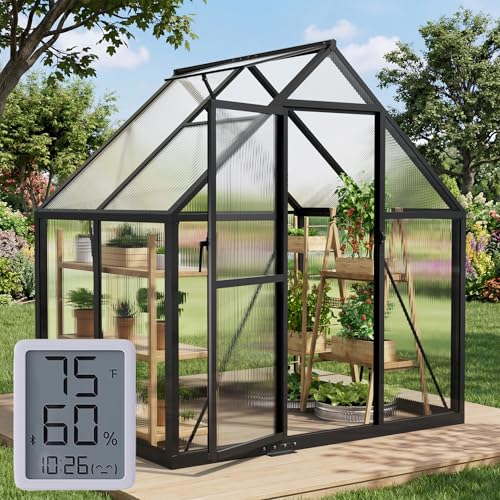
Sylviera 6x4FT Greenhouse with Hygrometer

Bamworld 3-Tier Portable Plant Greenhouse
A Closer Look At Each Pick
Sliding this 4′ x 8′ lean-to against a south-facing wall turns wasted fence-line into a year-round propagation zone. The frame pairs twin-wall polycarbonate on the roof with clear panels on the sides, which means soft filtered light from above and strong transmission through the walls, a smart split that protects tender seedlings from scorch while letting mature plants photosynthesize freely.
Unlike the Quictent raised-bed kits below, this one isn’t a starter project for casual gardeners; it’s a permanent outdoor structure meant to anchor a real growing routine. Homeowners with limited yard space who want a serious lean-to without sacrificing light get the most from this layout.
Where It Excels
- Twin-wall roof panels diffuse intense midday sun, shielding young plants from leaf burn.
- Clear side panels transmit over 90% of light, supporting fruiting crops like peppers and tomatoes.
- Aluminum frame resists rust and tolerates year-round outdoor exposure in most climates.
- Lean-to design channels rainwater off the back wall and frees up patio floor space.
Things To Consider
- Smaller interior footprint than the walk-in tunnel options below, so plan your staging carefully.
- Requires a flat, level base; owners commonly pour a small slab or use pressure-treated wood.
Feature Snapshot
Who It Suits Best
Suburban growers with limited yard space who want a permanent lean-to against an existing wall or fence.
Where Another Pick Suits Better
Skip this for the Outsunny 20′ x 10′ tunnel greenhouse if you need full standing-height walk-in space for raised beds and trellis crops.
First-time gardeners often want one product that handles soil, structure, and weather protection at once. This Quictent kit delivers exactly that: a galvanized raised bed, a removable mini greenhouse cover, and two zippered screen windows for airflow, all in a single 6′ x 3′ footprint. The setup works well for renters and small patios where a permanent structure isn’t practical.
Compared to the Palram Canopia lean-to above, this option sacrifices rigidity for flexibility and portability. You won’t get polycarbonate-grade light transmission, but the cover is easy to lift off in summer and reinstall when temperatures drop, which suits a learning gardener who wants to experiment without commitment.
Key Advantages
- Three-in-one design: raised bed, greenhouse cover, and mesh-vent combo.
- Galvanized steel resists rust during wet growing seasons.
- Zippered windows roll up for easy pollination access and temperature control.
- Low profile fits under most patio railings and fence lines.
Worth Noting
- At 1 ft tall, the bed suits shallow-rooted herbs and greens more than deep taproot crops.
- The PE cover won’t insulate as effectively as rigid polycarbonate in heavy frost.
Made For
Apartment and townhouse growers starting their first herb or salad garden who want a movable setup.
Skip It When
Skip this for the VEVOR 19.4′ x 9.7′ tunnel greenhouse if you plan to grow tall trellis crops or walk inside to tend beds.
This second listing of the Quictent raised bed kit offers the same core configuration as its sibling above but sits at a noticeably accessible entry point. For shoppers comparing listings on the product page, the lower positioning makes this a sensible pick when the goal is testing out greenhouse growing before committing to a larger investment. The galvanized bed, mesh-vent cover, and roll-up zippered door remain identical in function.
Think of this as the “try-it” option: low stakes, modest footprint, and easy to disassemble at season’s end. Where the Palram Canopia lean-to above is a multi-year project, this kit can pack down and travel with you.
Positive Points
- Lower entry cost than most polycarbonate greenhouse kits in this roundup.
- Dismountable cover lets you switch between greenhouse and open raised bed modes.
- Galvanized construction handles soil contact and frequent watering.
- Compact 6′ x 3′ footprint fits apartment patios and narrow side yards.
Trade Offs
- The flexible cover will need re-tensioning after strong winds, based on widely reported owner experience.
- Limited vertical space inside; not suitable for indeterminate tomatoes or climbing cucumbers.
Quick Facts
Right Fit For
Casual gardeners on a tight budget who want to grow herbs or lettuce without a permanent structure.
Look Elsewhere When
Consider the Greengro 28 x 57 x 76” walk-in greenhouse instead if you want standing-height access in a slim footprint.
Anyone who has tried crouching inside a small greenhouse knows how quickly knees complain. This 20′ x 10′ x 7′ walk-in tunnel solves that problem with full standing headroom and 200 square feet of usable floor. The galvanized steel frame, four slant bracing tubes, and middle reinforcement bars give it a level of structural confidence you don’t get from cheaper hoop kits.
The trade-off is footprint and commitment: this isn’t a patio product. Where the Quictent raised beds above can be disassembled in minutes, this is a season-long installation that anchors a real backyard growing operation.
Practical Pluses
- Galvanized steel frame stands up to rust in damp climates and humid greenhouse interiors.
- Slant bracing and cross bars improve wind resistance compared to budget hoop houses.
- Spacious interior accommodates multiple raised beds, grow bags, and trellis rows.
- Walk-in zippered door simplifies watering and harvesting without lifting covers.
Room For Improvement
- The 20′ x 10′ footprint demands a flat, sunny stretch of yard, which many suburban lots don’t have.
- PE plastic cover will eventually degrade under UV; expect a replacement every few seasons.
- Assembly is a multi-hour project typically needing two people and a calm day.
Core Details
Best Suited To
Home growers with acreage or a generous backyard who want to extend the season for multiple crop types.
A Better Fit Elsewhere
Choose the Palram Canopia 4′ x 8′ lean-to instead when your only available space runs along a fence or wall.
Not every gardener wants a 200-square-foot tunnel dominating the backyard. This Greengro walk-in delivers the convenience of standing access inside a much tighter 28″ x 57″ footprint, more like a narrow greenhouse closet than a full tunnel. The polyethylene cover, screened windows, and zippered door handle the basics of light diffusion, ventilation, and pest exclusion without the space commitment of the Outsunny tunnel.
It sits in the middle ground: roomier than a raised bed cover, slimmer than a hoop house. Apartment gardeners with a stretch of patio and big ambitions will get genuine mileage out of this profile.
The Good Stuff
- Walk-in height makes watering and tending far more comfortable than ground-level kits.
- Slim 28″ depth fits along fences, against walls, or on narrow side yards.
- Screened windows allow cross-ventilation while keeping out larger pests.
- PE cover diffuses direct sun for tender starts and leafy greens.
Soft Spots
- Smaller floor area limits how many large containers or beds you can fit inside.
- PE cover won’t insulate as well as rigid panels during cold snaps.
Spec Overview
Who Should Grab It
Patio and small-yard growers who want standing-room access without dedicating a full lawn strip.
Swap It Out When
Reach for the Outsunny 20′ x 10′ tunnel greenhouse instead when you need room for multiple beds and trellis rows.
Ventilation is the silent killer of backyard greenhouses: sealed-up structures cook seedlings in spring and breed fungal problems by midsummer. This VEVOR tunnel addresses that head-on with twelve roll-up windows distributed along the sides, paired with a zippered door for primary access. The reinforced galvanized pipe frame (1″ diameter, 0.02″ wall thickness) and diagonal bracing are tuned for moderate-wind conditions.
The honest read is that this sits between the budget Quictent raised beds and a true heavy-duty structure like the Outsunny tunnel. You get walk-in space and serious airflow control without the full footprint of a 20′ x 10′ setup.
Strengths Worth Knowing
- Twelve windows give you granular control over airflow and temperature zones.
- Reinforced door poles and diagonal bars stiffen the frame against wind gusts.
- U-shaped stakes and tie-downs anchor the structure against uplift.
- Green PE cover balances light transmission with heat retention.
Honest Caveats
- The 6.5 ft peak height is shorter than the Outsunny tunnel’s 7 ft, so very tall gardeners may prefer elsewhere.
- PE cover still requires careful tensioning to prevent wind flap.
Product Snapshot
Perfect Match For
Backyard gardeners in warm or humid climates where airflow management matters more than cold insulation.
Reach For A Different Pick When
Pick the Bamworld 3-Tier Portable greenhouse instead if your goal is seed-starting indoors rather than full-bed production outdoors.
Guessing on humidity and temperature inside a small greenhouse leads to cooked seedlings or damping-off fungal problems. The built-in hygrometer on this 6′ x 4′ Sylviera unit takes that guesswork out of daily checks, which makes it especially friendly to newer growers still learning the rhythm of their microclimate.
Where the VEVOR tunnel above trades size for ventilation, this kit trades size for monitoring precision in a more manageable footprint. You can step inside but you won’t be standing fully upright, so it reads as a kneeling-and-tending workspace rather than a full tunnel.
Real Benefits
- Integrated hygrometer gives real-time humidity and temperature readings inside the structure.
- Polycarbonate panels handle sun, hail, and snow better than thin PE film.
- Windproof design with reinforced frame suited to gusty suburban yards.
- Available in 6×4, 6×6, 6×8, and 6×10 sizes for expandable growing.
Points To Keep In Mind
- Lower ceiling height limits tall crops like indeterminate tomatoes and climbing beans.
- Smaller footprint than the walk-in tunnels above, so plan crop layout accordingly.
Built With In Mind
Data-oriented gardeners who track microclimate readings and want a smaller, mid-range walk-in greenhouse.
Consider Something Else When
Choose the Greengro 28 x 57 x 76” walk-in instead for a slimmer profile that fits tighter side yards.
Sometimes a “greenhouse” doesn’t need to be a building at all. This 3-tier portable stand with a PE cover works more like a vertical seed-starting chamber than a true outdoor structure, which is exactly what apartment growers and indoor seedling gardeners need. The cover traps humidity, the tiers multiply your flat capacity, and the whole thing folds down for closet storage in summer.
Compared to the larger walk-in greenhouses above, this is a focused tool rather than a season-extending structure. It’s the right answer for the gardener whose biggest challenge is starting tomatoes under lights in February.
What Pays Off
- Three tiers triple your seedling capacity in the same floor footprint as a single flat.
- PE cover retains humidity for germination and reduces watering frequency.
- Portable frame moves easily from window to patio to garage.
- Low entry cost makes it a low-risk starting point for first-time gardeners.
Details To Watch
- Lightweight frame and cover need careful handling during setup to avoid tears.
- Tiered shelves limit mature plant height; this isn’t a place to grow full-size vegetables.
Whose Shelf It Belongs On
Balcony gardeners and indoor seed-starters who want a compact, movable propagation chamber.
Not Your Match When
Pick the Quictent 6x3x1ft Galvanized Raised Bed with Cover instead for actual soil growing and outdoor weather protection.
Choosing The Right Size And Style For Your Yard
A greenhouse that’s wrong for your site will frustrate you more than it helps. Match the structure to your space, climate, and ambition before falling for a good-looking listing.
Frame And Cover Materials
Galvanized steel frames (like the Outsunny and VEVOR tunnels) resist rust and handle snow loads better than painted mild steel. Polycarbonate panels cost more than polyethylene film but last years longer and diffuse light more evenly. For year-round outdoor setups in mixed climates, rigid panels earn their keep. For seasonal or temporary covers, PE film keeps the entry cost low.
Footprint Versus Yield
Walk-in tunnels (20′ x 10′) sound appealing until you measure your sunny lawn strip. Most suburban yards accommodate a 6′ x 4′ to 10′ x 10′ footprint more comfortably. Lean-to designs like the Palram Canopia reclaim fence-line space without sacrificing yard depth.
Ventilation And Access
A zippered door handles primary access, but roll-up side windows are what keep plants alive in summer. The VEVOR tunnel’s twelve windows address this directly. Smaller kits without side vents require you to fully unzip doors to lower temperatures, which stresses heat-loving crops.
Assembly And Storage Reality
PE-covered kits disassemble in minutes; polycarbonate structures need flat, level foundations and a full day of assembly. Renters should lean toward portable setups; homeowners investing in a permanent growing space can justify the heavier build.
Key Considerations Across These Picks
Common Shopping Slip Ups
Choosing the largest tunnel you can find often backfires when the structure lands in a shaded corner or fights existing irrigation. Measure your sun exposure first: most fruiting crops need six to eight hours of direct light. Skipping a foundation plan is another frequent regret, since unanchored hoop houses shift in wind and the covers stretch unevenly.
What The Higher Tier Buys
Polycarbonate panels over PE film translate to longer cover life, better light diffusion, and stronger resistance to hail and snow. Reinforced galvanized frames with bracing and tie-down hardware protect against wind uplift, which matters in exposed suburban lots. A built-in hygrometer, like the one on the Sylviera kit, is a small upgrade that prevents overwatering and humidity-related fungal problems. You pay more up front, but you replace covers less often and lose fewer crops to environmental swings.
Frequently Asked Questions
How big should a backyard greenhouse be?
For most home gardeners, a 6′ x 4′ to 6′ x 8′ footprint strikes a good balance between growing space and yard impact. Walk-in tunnels work when you have at least 100 square feet of level, sunny lawn.
Can a small greenhouse survive winter?
Polycarbonate structures handle snow loads and freezing temperatures better than PE film kits. In cold zones, adding a small electric heater or passive thermal mass (water barrels) extends the growing window significantly.
Do I need a foundation for a greenhouse kit?
Permanent polycarbonate structures benefit from a level base such as a wood frame, pavers, or a small concrete pad. Portable PE kits can sit directly on level soil or grass with anchoring stakes.
How long does a polyethylene cover last?
PE covers typically last two to four seasons depending on UV exposure and climate. Replacement covers are available for most major kits and cost less than full panel replacement on polycarbonate models.
Is ventilation really that important?
Yes. Without airflow, interior temperatures spike past 100°F in direct spring sun, killing seedlings and encouraging fungal growth in humid conditions. Side windows or roll-up doors are essential, not optional.
Closing Remarks
A home greenhouse kit doesn’t need to be elaborate to change your gardening year. A simple raised bed with a cover can keep lettuce producing through mild frost, while a walk-in tunnel opens the door to melons, peppers, and overwintered citrus. Start with the space and crops you actually want, then match the structure to that reality.
