

You can’t fix what you can’t see, and that holds especially true for soil. Home gardeners chasing bigger tomatoes, greener lawns, or thriving food plots all hit the same wall: guessing at pH and nutrient levels leads to wasted fertilizer and stunted plants. A reliable home soil test kit turns guesswork into a clear plan, telling you exactly what your soil needs before you spend another dollar on amendments.
A Side-By-Side Look
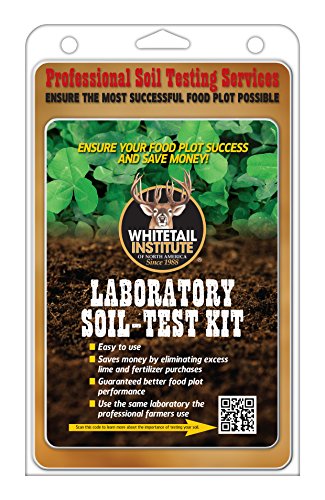
Whitetail Institute Laboratory Soil Test Kit

Luster Leaf 1612 Rapitest pH Soil Tester

Luster Leaf Rapitest Soil Test Kit
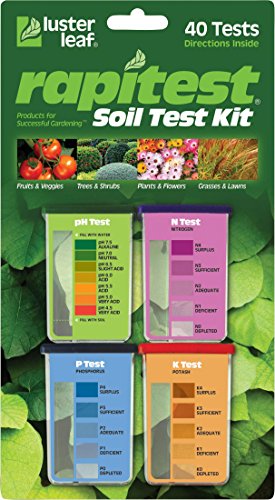
Luster Leaf 1601 Rapitest Soil Test Kit

Dewilde Trading Co pH Test Strips 100-Pack

AiGerdinn 2-in-1 Soil Moisture and pH Meter

Dewilde Trading Co 140-Test Soil Kit

LaMotte Model El Turf and Garden Kit
Why These Options Stand Out
The Whitetail Institute Laboratory Soil Test Kit stands apart from the rest of this list because it isn’t a do-it-yourself strip or capsule system. You collect a sample, mail it in, and a working lab analyzes it, returning tailored lime and fertilizer recommendations alongside a professional consultation. For anyone managing a serious food plot, that hands-off accuracy often justifies the extra lead time and shipping step compared to instant options like the Luster Leaf 1612 Rapitest pH Soil Tester below.
Results arrive within roughly one week, which is fast enough to plan a fall planting season without rushing. The included consultation matters most when soil is marginal or heavily amended, since the agronomist walks you through what the numbers mean for whitetail forage specifically. Deer managers and rural property owners get the most from this kit.
Notable Gains
- Lab-grade analysis delivers more precise readings than capsule or strip methods
- Professional consultation interprets results for your specific food plot goals
- Customized lime and fertilizer prescriptions prevent wasted amendments
- One-week turnaround fits typical fall planting timelines
Points To Keep In Mind
- Mail-in process adds wait time compared to instant at-home kits
- Less useful for gardeners who want same-day pH checks on houseplants
Best Suited To
Hunters and land managers planting whitetail food plots who value lab accuracy and tailored recommendations over instant results.
A Better Fit Elsewhere
Casual vegetable gardeners who only need a quick pH reading should consider the Luster Leaf 1612 Rapitest pH Soil Tester instead.
The Luster Leaf 1612 Rapitest pH Soil Tester narrows its focus to the single most useful soil variable for most home growers: pH, which measures acidity or alkalinity on a 0–14 scale where 7 is neutral. This capsule-based kit gives you ten pH tests using a patented color comparator, so matching shades is more intuitive than guessing against a printed chart. It’s a logical step down from the Whitetail Institute kit if you want instant feedback without mailing anything.
Pulling a soil sample, mixing it with water, and dropping in a capsule takes only a few minutes per test. The included preference list covering over 450 plants helps you match your reading to what blueberries, tomatoes, or lawn grass actually prefer. Beginning gardeners and homeowners troubleshooting patchy turf get clear, repeatable answers here.
Why It Works Well
- Capsule system is genuinely simple for first-time users
- Ten pH tests per kit stretch across a full growing season
- Plant preference chart for 450+ species guides amendment choices
- Compact case fits in a kitchen drawer between uses
Honest Caveats
- Does not measure nitrogen, phosphorus, or potassium levels
- Color matching can be tricky in low indoor lighting
Who It Suits Best
Casual gardeners and homeowners who want a no-fuss pH check before applying lime or sulfur to lawns and beds.
Look Elsewhere When
Vegetable gardeners tracking full nutrient profiles should pick up the Luster Leaf 1601 Rapitest Soil Test Kit, which adds NPK readings.
The Luster Leaf Rapitest Soil Test Kit uses a water extraction process combined with the same capsule-and-color-comparator approach as the brand’s other kits. It targets home gardeners who want a bit more diagnostic depth than a pure pH tester offers but don’t need the full NPK breadth of the 1601 model. Think of it as a middle step between the entry-level 1612 and the broader 1601 covered below.
Setup is quick: you mix soil with water, drop a capsule, shake, and wait for the color to develop. You may find the included instructions clearer than competing budget kits, especially if you’ve never tested soil before. Budget-conscious gardeners and apartment dwellers tending a few raised beds get reliable value.
Strong Points
- Water extraction method is gentler on novice hands than reagent-heavy kits
- Color comparator simplifies result matching
- Compact kit stores easily in a garage or shed
- Lower learning curve than mail-in lab options
Some Limits To Know
- Source data omits exact test count and parameter list, so verifying scope before purchase is wise
- Reading accuracy depends on consistent sample-to-water ratios
Made For
Home gardeners on a budget who want a step up from pH-only testing but don’t need a full five-parameter reading.
Skip It When
You want guaranteed NPK plus pH coverage in one box, in which case the Luster Leaf 1601 Rapitest Soil Test Kit is the more transparent choice.
The Luster Leaf 1601 Rapitest Soil Test Kit covers the four parameters most home vegetable gardeners actually need: pH plus the NPK trio of nitrogen (for leafy growth), phosphorus (for roots and blooms), and potash/potassium (for overall plant vigor). That combination makes it the most complete at-home capsule kit on this list short of the lab-grade Whitetail option above.
You run each parameter separately, which adds time but gives you a more useful picture than a single pH reading. Comparing it to the 1612 model, you trade ten pH-only tests for broader nutrient data, useful when a lawn stays yellow despite regular watering. Vegetable gardeners and serious lawn-care hobbyists benefit most.
Where It Delivers
- Covers pH, nitrogen, phosphorus, and potash in a single kit
- Familiar Rapitest capsule workflow keeps things consistent
- Helps diagnose yellowing lawns and underperforming vegetable beds
- Reusable case stores capsules and comparator between seasons
Trade-Offs To Consider
- Running four separate tests takes longer than a pH-only or probe-style kit
- Color matching still requires decent lighting for accuracy
Quick Facts
Whose Shelf It Belongs On
Vegetable gardeners and lawn-care enthusiasts who want NPK plus pH coverage without mailing samples or buying probes.
Reach For A Different Pick When
You also need ammonia readings for compost monitoring, in which case the Dewilde Trading Co 140-Test Soil Kit covers that extra parameter.
The Dewilde Trading Co pH Test Strips shift away from capsules and color comparators toward simple litmus-style strips. One hundred strips cover a 3.5 to 9 pH range, which spans everything from acidic blueberry beds to alkaline lawn soils. For sheer volume-per-dollar, it outpaces nearly every other kit on this list.
You dip a strip into a soil-water slurry and match the resulting color to the chart on the packaging. The strips handle everything from houseplants and herbs to lawn patches and vegetable rows, making them a flexible grab-and-go option. Households managing many small pots or multiple garden zones get the most mileage here.
The Helpful Details
- 100 strips per pack outlast single-use capsule kits for busy gardeners
- 3.5–9 range covers virtually every edible and ornamental plant
- Works for indoor and outdoor use without separate equipment
- Simple dip-and-match method requires almost no setup
Practical Considerations
- Strips are sensitive to contamination, so clean water matters
- Color gradations are coarser than capsule kits, lowering precision slightly
Right Fit For
Houseplant collectors and mixed indoor-outdoor gardeners who run frequent spot checks and burn through tests quickly.
Swap It Out When
You want an instant no-slurry reading on a single houseplant, where the AiGerdinn 2-in-1 Soil Moisture and pH Meter probe is faster.
The AiGerdinn 2-in-1 Soil Moisture and pH Meter trades chemistry for a probe-and-dial approach, the kind you simply stick into the soil and read. Its dual-dial face shows moisture and pH simultaneously, which is rare in this price range. Where the strips and capsules above require mixing and waiting, this one delivers readings in seconds with no batteries required.
Stick the probe into a moist pot, wait a minute for the needle to settle, and you have a moisture and rough pH reading side by side. The honest read is that probe-style pH meters are generally less precise than capsule kits, but the convenience factor is huge for everyday watering decisions. Casual houseplant owners and herb-garden keepers benefit most.
Features That Help
- Probe design means no soil-water mixing or capsule handling
- Dual dial displays moisture and pH at the same time
- Battery-free operation removes one more thing to maintain
- Beginner-friendly with virtually zero learning curve
Where It Is Less Suited
- Probe pH accuracy trails lab and capsule methods noticeably
- Probes must stay clean and dry between uses to avoid corrosion
Who Will Love This
Houseplant owners and casual gardeners who want quick moisture-and-pH snapshots without any chemistry steps.
Consider Something Else When
You need detailed nutrient data for a vegetable garden, in which case the Dewilde Trading Co 140-Test Soil Kit is the stronger diagnostic tool.
The Dewilde Trading Co 140-Test Soil Kit is the most parameter-heavy liquid reagent kit in this roundup, covering pH, nitrogen, phosphorus, potassium, and ammonia. Ammonia readings matter for composters and anyone tracking fresh manure amendments, since ammonia accumulation can burn seedlings. That extra dimension sets it apart from the Luster Leaf 1601 covered earlier.
The 2026 updated instructions walk you through each parameter with liquid reagents rather than capsules, so plan on a slightly longer learning curve. For dedicated hobbyists who like data, the breadth is appealing, and 140 tests means multiple seasons of monitoring without reordering. Detail-oriented gardeners managing compost and fertility programs get the most value.
Strengths Worth Knowing
- Covers five parameters including ammonia for compost and manure monitoring
- 140-test capacity supports multi-season fertility tracking
- Updated instructions reflect current reagent handling standards
- Customized fertilizer recommendations emerge from combined readings
Factors To Consider
- Liquid reagents demand more careful handling than capsules or strips
- More setup time per test session than pH-only or probe options
Feature Snapshot
Who Should Grab It
Hobbyist gardeners and composters who want a comprehensive fertility profile and don’t mind a longer testing routine.
Not Your Match When
You only need quick pH checks across many pots, where the Dewilde Trading Co pH Test Strips 100-Pack is faster and cheaper per test.
The LaMotte Model El Turf and Garden Kit arrives with the pedigree of a brand that has equipped classroom and turf-management labs for decades. It ships with rapid test procedures, diagrammed instructions, laminated color charts, and a Garden Guide manual plus the LaMotte Soil Handbook for interpretation. The included educational materials elevate it beyond typical consumer kits.
Capacity sits at 15 tests each for nitrogen, phosphorus, and potassium, plus 30 pH tests, which suits seasonal monitoring rather than daily spot checks. Compared to the Luster Leaf 1601, you trade capsule convenience for more authoritative documentation and sturdier laminated charts. Teachers, master gardeners, and serious turf managers get the most from this kit.
The Good Stuff
- Laminated color charts resist wear across seasons of classroom or field use
- Garden Guide manual and Soil Handbook support result interpretation
- Higher test counts per parameter than typical consumer capsule kits
- LaMotte brand reputation among turf professionals
Less Ideal Details
- Heavier learning curve than capsule kits aimed at beginners
- Less portable than strips or probe-style meters for quick pot checks
Built With In Mind
Soil science educators, agronomy students, and turf managers who want authoritative documentation alongside a usable test kit.
A Better Fit Elsewhere
Casual home gardeners who want a quick single-season reading should consider the Luster Leaf 1612 Rapitest pH Soil Tester instead.
What To Weigh Before Choosing A Soil Test Kit
Start with the question that drives every other decision: what do you actually need to know? Lawn-care troubleshooters often only need pH, which makes the Luster Leaf 1612 or the Dewilde pH strips strong contenders. Vegetable gardeners chasing bigger harvests typically need NPK coverage too, pointing toward the Luster Leaf 1601 or the Dewilde 140-test kit.
Probe-style meters like the AiGerdinn 2-in-1 win on speed but trail on precision. Lab-grade kits like the Whitetail Institute option win on accuracy but cost you a week of waiting and a mail-in step.
Match kit complexity to your commitment level. Beginners do well with capsule or strip systems that include printed plant-preference guides. Educators and turf pros benefit from documented kits like the LaMotte Model El. Anyone managing multiple garden zones or large food plots should prioritize higher test counts, since running out of capsules midseason defeats the purpose.
Key Considerations Across These Picks
Mistakes Worth Dodging
Buying a kit that tests only pH when your tomatoes actually need a phosphorus boost leaves you guessing again. Skipping the included plant-preference lists also undermines the value, since raw numbers mean little without context. Finally, using a probe meter on dry soil skews readings badly; most need consistent moisture to register accurately.
When Paying More Pays Off
Premium pricing in this category buys lab analysis with expert consultation, classroom-grade documentation, or five-parameter breadth instead of one or two. The upgrade earns its keep when you manage large food plots, run classroom programs, or track compost fertility with ammonia readings. For a single raised bed or a few houseplants, a budget capsule or strip kit handles the job without the extra spend.
Frequently Asked Questions
How often should you test your home soil?
Testing once per season, ideally in early spring or late fall, gives you a reliable baseline. Annual testing is enough for most lawns and established gardens, though new beds benefit from a follow-up test six months after heavy amendment.
Do home soil test kits match lab accuracy?
Capsule and strip kits provide useful direction but typically trail professional labs by a small margin in absolute precision. For most gardening decisions, that margin is small enough to trust, especially when you follow the kit instructions carefully and take a representative sample.
Can a soil moisture meter replace a pH test?
Moisture meters like the AiGerdinn 2-in-1 measure watering needs but only provide a rough pH estimate. If pH accuracy matters for acid-loving plants or troubleshooting yellowing leaves, a capsule or strip kit is the better tool.
What is the easiest soil test for beginners?
The Luster Leaf 1612 Rapitest pH Soil Tester and the Dewilde pH strips both offer near-zero learning curves. Capsule kits walk you through mixing and color matching with simple diagrams, while strips need only a dip and a chart lookup.
Should you test soil before fertilizing?
Testing before any fertilizer or lime application prevents wasted amendments and protects plants from nutrient lockout caused by imbalanced pH. A simple pre-season test is the single most valuable gardening habit you can build.
The Takeaway
The right home soil test kit depends entirely on what you’re growing and how much detail you need. Casual lawn keepers can stick with a simple pH tester, while serious vegetable and food-plot gardeners get more value from a broader NPK kit or a lab-grade analysis. Match the kit to your use case, follow the included instructions carefully, and you’ll spend less on guesswork and more on amendments that actually move the needle.
