

Raised-bed growers know the frustration: a surprise frost wipes out seedlings, cabbage moths shred the kale, and summer sun scorches the lettuce before lunch. A hoop house kit turns a vulnerable bed into a covered microclimate, letting you start earlier, harvest later, and shelter crops from pests without committing to a full greenhouse. The eight kits below cover everything from quick fiberglass tunnels to a heavy-duty walk-in frame, so you can match a setup to your bed size, climate, and ambition.
The Shortlist At A Glance

60pcs Garden Hoops for Raised Beds Wide, 8ft Greenhouse Hoops Grow Tunnel

Garden Hoops for Raised Beds Row Cover, 36pcs 8ft Greenhouse Hoops

Garden Hoops Grow Tunnel, 12 Sets of 7FT Greenhouse Row Cover Hoops

Garden Hoops Grow Tunnel, 6 Sets of 7FT Greenhouse Row Cover Hoops

9 Sets Greenhouse Hoops for Raised Beds, 45 Pcs Garden Hoops Grow Tunnel

60 Pcs Garden Hoops for Raised Beds, 12 Sets Greenhouse Hoops Grow Tunnel
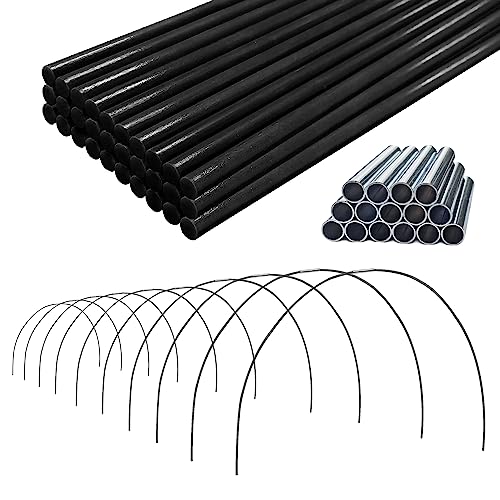
Garden Greenhouse Hoops Kit 15 Sets, 2-Section Design, 8ft Grow Tunnels
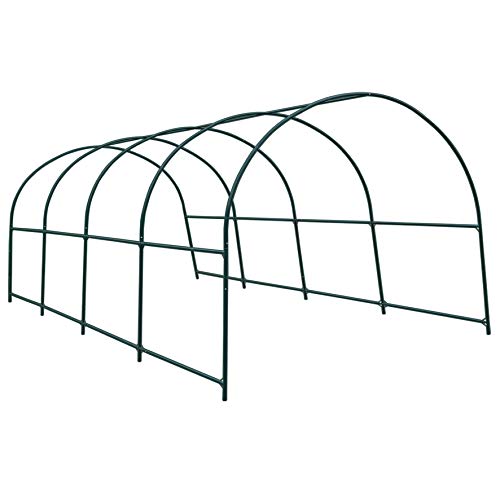
Greenhouse Replacement Frame for 20′ X 10′ X 7′ Larger Hot Garden House
Inside Each Recommended Option
For a long raised bed or a string of beds along a fence, the FuBegi 60-piece bundle offers enough fiberglass rods to cover generous rows without leaving gaps. Each hoop runs roughly 8 feet, so you can span wider beds than typical 4-foot tunnels, and the material bends cleanly into shape without splintering. The kit ships with 40 clips to lock your row cover or insect netting in place, which removes the usual scramble to source enough fasteners separately.
Growers working a 4×8 or 4×16 bed will find the count matches their footprint, while smaller plots can simply use part of the bundle and store the rest. You pair the hoops with your own row cover fabric or plastic, so the kit works as a year-round frame for frost blankets in spring, shade cloth in midsummer, and pest netting against cabbage moths.
What It Does Well
- Sixty rods handle long beds or multiple shorter rows in a single purchase
- Fiberglass construction stays flexible in cold weather and resists rust through wet seasons
- Eight-foot length spans wide beds that shorter hoops cannot cover
- Forty included clips reduce extra trips for fasteners
- Reusable across seasons: swap covers for frost, shade, or insect protection as needed
Things To Consider
- No netting or cover fabric is included, so budget for row cover material separately
- Sixty pieces is more than a single small bed requires, leaving surplus rods to store
- Push-in installation depends on loose, workable soil; rocky ground may need pre-drilled holes
Built With In Mind
Gardeners managing several long raised beds who want one order to cover the whole plot for the season.
Swap It Out When
The FuBegi 36-piece bundle fits a smaller footprint better and leaves less leftover material for a single 4×8 bed.
The smaller sibling to the 60-piece bundle, this 36-rod FuBegi kit targets a single raised bed or a modest two-bed setup. Eight-foot rods give you the same generous span as the larger box, but the count trims down so you are not storing dozens of extras in the shed. Twenty-four clips come along to anchor your cover material, which is fewer than the 60-piece box but still enough for most standard layouts.
For a first-time hoop house builder, the size is easier to handle and shorter to assemble than wrestling with a giant pile of rods. You get the same fiberglass flexibility for cold-weather bending and the same rust-free performance, just in a footprint that matches a typical backyard bed.
The Helpful Details
- Thirty-six rods suit one or two standard raised beds without wasteful surplus
- Same 8-foot fiberglass span as the larger bundle for wide-bed coverage
- Twenty-four included clips anchor most cover layouts without extras
- Lower entry cost than the 60-piece version for budget-conscious gardeners
Worth Noting
- Still no row cover or netting in the box, so you source your own fabric
- Twenty-four clips may run short on larger layouts that need frequent fastening
Right Fit For
Beginners outfitting one 4×8 raised bed who want enough hoops without buying double what they need.
Look Elsewhere When
Growers running three or more beds will save time with the FuBegi 60-piece bundle instead of buying multiples.
The Xuwzenkl 12-set kit lands at the wider end of the roundup, packing sixty individual rods organized into a dozen complete hoops. Each set builds a single tunnel, so the box maps cleanly onto a multi-row vegetable plot where you want the same hoop structure repeated bed after bed. Seven-foot rods bend easily into a gentle arch and slot into soft soil without much fuss.
The fiberglass build holds up to repeated flexing across seasons and resists the rust that metal hoops develop after a wet winter. For growers who rotate between frost cloth in spring, shade cloth in July, and insect netting through fall, the reusable frame stays in place year-round while you swap covers as the weather shifts.
Real Benefits
- Twelve matched sets simplify planning a multi-row plot with consistent hoop spacing
- Seven-foot length suits most standard 3-to-4-foot wide raised beds
- Reusable fiberglass frame rotates through frost, shade, and pest covers across the year
A Few Limitations
- Cover fabric and clips are not included in the kit
- Seven-foot rods are shorter than the 8-foot FuBegi options, so wider beds fall outside the span
Feature Snapshot
Who It Suits Best
Growers running a dozen short rows of vegetables who want a uniform frame across the whole plot.
A Better Fit Elsewhere
Anyone with a single wide bed will find the FuBegi 8-foot bundles easier to work with than a 7-foot span.
If the 12-set kit feels like overkill, the Xuwzenkl 6-set version trims the count down to thirty rods organized into six full hoops. That footprint lines up neatly with one standard raised bed or a pair of narrow rows where you only need a partial tunnel. The fiberglass construction matches the larger box, so you get the same rust-free durability and cold-weather flexibility.
For apartment gardeners with a single 4×4 bed or suburban growers adding a small cold frame, the smaller box keeps the project manageable. You avoid drowning in surplus rods and you finish assembly faster because there is simply less to push into the soil.
Real-World Strengths
- Six matched sets suit a single modest bed without surplus clutter
- Same fiberglass quality as the 12-set kit at a smaller scale
- Faster assembly than wrestling with a 60-rod bundle
Points To Keep In Mind
- No cover fabric, clips, or connectors ship with the rods
- Seven-foot length caps you at narrower raised beds
Made For
Suburban gardeners outfitting one small raised bed for early-spring and late-fall crop protection.
Reach For A Different Pick When
Growers managing more than two rows will run short and need the Xuwzenkl 12-set version for full coverage.
The LifeisLuck 9-set bundle stands out for the accessories packed into the box. You get forty-five fiberglass rods, fifty connectors, twenty-seven garden clips, twenty meters of floral wire, and a pair of gloves, which removes the usual scramble to source connectors and ties separately. For a first-time hoop house builder, that bundled approach saves a second trip to the garden center.
The kit assembles into nine complete hoop frames, fitting a mid-sized plot with multiple beds. Rust-proof fiberglass is flexible enough to bend into shape without cracking and holds up to the kind of seasonal flexing that metal hoops suffer through. The included floral wire adds a tidy way to lash cross-supports or anchor covers at the ends.
Good Reasons To Consider
- Fifty connectors and floral wire ship in the kit, eliminating extra trips for fasteners
- Nine sets suit a medium-sized plot with several raised beds
- Gloves included save your hands during assembly
- Twenty-seven clips handle most cover attachment layouts
- Fiberglass bends reliably without snapping in cold weather
Honest Caveats
- Rod length is not listed in the source, so you may want to confirm span against your bed width before ordering
- Still no row cover fabric included; you supply your own plastic or netting
Best Suited To
First-time hoop house builders who want a one-box solution with connectors, clips, and wire included.
Not Your Match When
Experienced growers who already own clips and connectors may prefer a larger-rod bundle like the LifeisLuck 12-set kit for more coverage.
The LifeisLuck 60-piece bundle mirrors the Xuwzenkl 12-set layout with sixty rods forming twelve complete hoop frames. What separates this kit is the heavy-duty framing, since the fiberglass build carries extra resistance to bending and oxidation over multiple seasons. For a long row of tomatoes or a row of cucurbits that needs reliable vertical clearance, the stiffer arches hold their shape under wind and cover load better than flimsier options.
Growers in windy microclimates or those who leave covers on through summer appreciate the structural confidence. The twelve-set count matches a typical backyard plot with several raised beds, and you reuse the same frame year after year by swapping covers as the season changes.
The Case For It
- Twelve complete sets cover a multi-bed plot in a single purchase
- Heavy-duty fiberglass resists oxidation and stays flexible across seasons
- Stiffer arches hold shape under wind and snow load better than lighter rods
Some Limits To Know
- Cover fabric, clips, and connectors are not included
- Specific rod length is not listed in the source, so verify the span fits your bed before ordering
Key Product Details
Who Will Love This
Growers in windy plots or anyone leaving row covers on through winter who want arches that hold their shape.
Where Another Pick Suits Better
Anyone who needs included clips and connectors will get more from the LifeisLuck 9-set bundle instead.
The SnyGardn 15-set kit brings a different approach to assembly with a 2-section pole design. Instead of single long rods, each hoop forms from two 4-foot sections joined by a metal connector, which makes the kit easier to store and transport in a small car or shed. The result is an 8-foot assembled span that handles standard raised beds without the awkwardness of maneuvering 8-foot single rods through a garden gate.
For growers with limited shed space or anyone who disassembles the hoops between seasons, the shorter sections stack tidily in a corner. The included metal connectors hold the joints rigid once assembled, so the finished hoop does not sag at the seam under cover weight.
Useful Touches
- Two-section design stores in shorter spaces than 8-foot single rods
- Fifteen metal connectors ship in the kit, so no extra hardware runs needed
- 8-foot assembled span covers wide raised beds
- Easier to transport than full-length rods through narrow gates or doorways
A Few Limitations
- Joints introduce a potential weak point under heavy snow or wind load
- No cover fabric included, so you supply your own plastic or netting
Perfect Match For
Suburban gardeners with small sheds who need to store hoops compactly during the off-season.
Skip It When
Growers in heavy-snow regions may prefer the single-rod FuBegi 8-foot bundles for stronger continuous arches.
The Strong Camel frame is a different beast entirely, a powder-coated steel walk-in structure measuring 20 feet long, 10 feet wide, and 7 feet tall. Where fiberglass hoop kits arch over a single bed, this arch frame creates a tunnel you can stand inside, with room for trellised tomatoes, climbing cucumbers, or a row of peppers you tend without crouching. The steel construction handles heavier covers and stands up to winter snow load in colder zones.
Assembly takes longer than a single hoop kit, and you supply your own greenhouse cover to match the frame, but the result is closer to a permanent polytunnel than a seasonal row cover. Growers with a long backyard strip and ambition for a serious in-ground or raised-bed plot find this scale worth the effort.
Advantages To Know
- Powder-coated steel frame resists rust and handles heavy cover loads
- Walk-in 7-foot height lets you tend trellised crops without stooping
- 20×10 footprint covers a serious backyard growing strip in a single structure
- Acts as a long-season polytunnel rather than a single-season row cover
Trade-Offs To Consider
- Cover material ships separately, adding a second purchase to your plan
- Assembly requires more time and likely a helper to position the arches
- Larger footprint demands a flat, level section of yard for proper setup
Who Should Grab It
Backyard growers ready to step up from bed-scale row covers to a walk-in polytunnel for trellised crops.
Consider Something Else When
Anyone working a single raised bed will find the smaller fiberglass kits, like the FuBegi 36-piece bundle, far easier to manage.
Matching Hoop House Kits to Your Growing Setup
Material and Build Quality
Fiberglass dominates the roundup for good reason. The rods stay flexible in cold weather, so you can bend them into shape in early spring when the soil is still firm, and they never rust through wet seasons the way metal hoops do. Look for rods that feel substantial in hand but not stiff: a rod that fights you during bending tends to crack after a season or two.
For walk-in builds, powder-coated steel is the standard. The Strong Camel frame uses that approach for the larger footprint, trading portability for structural confidence under heavier covers and snow load.
Size and Bed Footprint
Match the rod length to your bed width before ordering. An 8-foot rod spans a 4-foot-wide bed with room to drive both ends into the soil, while a 7-foot rod suits narrower 3-foot beds. For wider beds or in-ground rows, you stack multiple hoops along the length and rely on the rod count to set spacing.
The bundle count matters too. A 36-piece kit covers one or two beds; a 60-piece bundle handles three or four. Counting your rows first prevents buying double what you need or running short mid-project.
Coverage Material and Accessories
Hoops alone do not protect crops. You pair them with row cover fabric for frost, insect netting for pests, or greenhouse plastic for season extension. None of the kits in this roundup include cover material, so budget for that separately.
Some kits include connectors, clips, and floral wire to fasten the cover. The LifeisLuck 9-set bundle ships the most complete accessory package, which suits first-time builders who would otherwise make a second trip for hardware.
Climate and Use Case
Cold zones with heavy snow benefit from stiffer arches that hold their shape under load. Windy sites need rods that drive deep into the soil without pulling loose. Mild climates with mild winters can use lighter hoops since the cover stays on for shorter stretches.
Year-round growers rotate covers seasonally: frost blanket in early spring, shade cloth through midsummer, insect netting into fall. A reusable fiberglass frame that stays in place while you swap covers saves the labor of seasonal teardown.
Key Considerations Across These Picks
Pitfalls Shoppers Hit
The most common misstep is ordering a rod length that does not match the bed width, leaving arches too low for tall crops or too short to anchor both ends in soft soil. Always measure bed width before ordering and pick rods that exceed it.
Another trap is forgetting that cover material ships separately. Hoops are only the skeleton, so budgeting for row cover fabric, clips, or netting keeps the project from stalling mid-assembly.
What The Higher Tier Buys
The Strong Camel walk-in frame costs more because it trades a portable kit for a permanent polytunnel. Powder-coated steel handles snow load and trellised crops that fiberglass hoops cannot support, and the 7-foot height lets you work inside without crouching. For growers ready to commit to a serious backyard structure, the upgrade pays back in usable space and season extension.
Frequently Asked Questions
How long do fiberglass hoop house kits typically last?
Quality fiberglass rods hold up across multiple seasons when stored out of direct winter sun. Owners commonly report three to five seasons of use before rods show surface wear, though bent or cracked rods usually result from forcing them into rocky soil rather than normal flexing.
Can hoop house kits handle snow load?
Light, fresh snow is generally fine on flexible hoops because the cover flexes with weight. Heavy wet snow or ice accumulation is a different story, and most growers brush off buildup before it stresses the arches. Walk-in steel frames handle heavier loads than small fiberglass kits.
Do I need to remove the hoops in winter?
Seasonal removal depends on your climate and cover type. Growers in mild zones often leave the frame in place year-round and swap covers as needed, while cold-region gardeners commonly disassemble hoops to extend rod life and avoid freeze-thaw stress on joints.
Will hoop house kits work without raised beds?
Yes, in-ground rows work well with hoop kits, since you simply drive the rod ends into the soil along the row. The same approach suits wide garden strips where you want season extension or pest protection without building a raised bed first.
What cover fabric works best with these hoops?
Lightweight row cover fabric handles frost and insect protection, while clear greenhouse plastic boosts heat for season extension. Shade cloth works for midsummer heat, and the breathable mesh netting keeps cabbage moths and squash bugs off crops through summer.
The Takeaway
A hoop house kit pays for itself the first time it shelters seedlings from a late frost or keeps cabbage moths off the kale. Match the rod length and bundle count to your bed footprint, decide whether you need bundled accessories, and choose fiberglass for portability or steel for permanence. Any of the eight kits above will get you growing earlier and harvesting later with a setup that fits your yard.
