

A solid hori hori knife pulls double duty in the garden, and the right one stays sharp through seasons of weeding, planting, and root work. The category started as a Japanese all-purpose soil knife, then crossed into Western tool sheds where gardeners prize it for replacing a trowel, a transplanter, and a serrated saw all in one. Picking the wrong blade can mean a flimsy tip or a slippery handle, so this roundup sorts eight current options by what they actually offer. Below, you’ll find a quick comparison table, in-depth reviews of each pick, a buying guide, and the questions gardeners ask before committing to a single blade.
A Side-By-Side Look

WORKPRO Hori Hori Garden Knife with Oxford Sheath

WORKPRO Hori Hori Garden Knife with Oxford Sheath
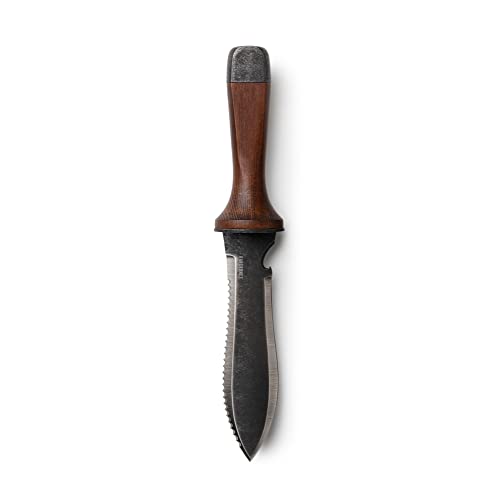
Barebones Hori Hori Ultimate Garden Knife (Walnut)
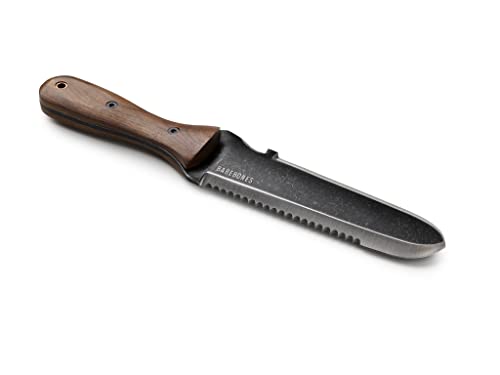
Barebones Hori Hori Classic Garden Knife (Walnut)

SHALL Hori Hori Japanese Garden Knife with Leather Sheath

AKAKD Hori Hori Garden Knife with Sheath
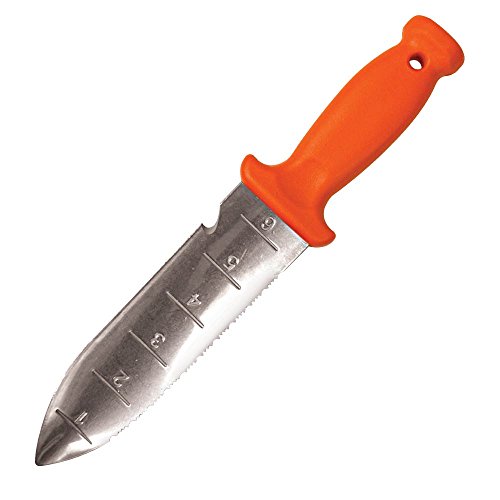
A.M. Leonard Deluxe Soil Knife (Orange, 6-Inch)
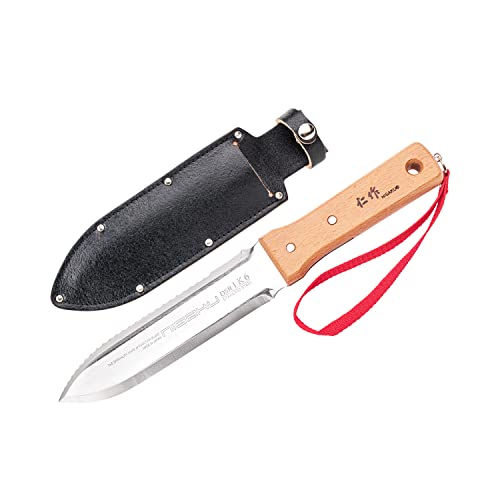
Nisaku NJP651 Hori Weeding and Digging Knife
A Closer Look At Each Pick
WORKPRO leans into the practical side of the category with a 7-inch stainless steel blade that holds up through transplanting beds and tackling small roots. The double-edged profile mirrors most Japanese-style hori hori knives, pairing a smooth slicing edge with a serrated side for woody growth. Oxford fabric sheath storage keeps the tip covered between uses, which matters when you’re tossing it into a bucket with gloves and twine.
Compared to the multi-pack WORKPRO entry below, this single-knife version suits gardeners who only need one tool in their belt. It’s a sensible pick for raised planters, herb beds, and weekend weeding sessions where weight and balance matter more than ornament.
The Good Stuff
- 7-inch stainless steel blade handles root cutting and transplanting without flex
- Dual-edge layout replaces a trowel, transplanter, and small saw in a single tool
- Oxford sheath protects the tip and clips onto a belt for easy carry around the yard
- Full-tang construction keeps the blade anchored firmly to the handle under heavy use
Things To Consider
- Handle ergonomics are basic compared to the wood-handled Barebones options
- Stainless steel can lose its edge faster than the hardened Nisaku variant under repeated sawing
Key Specs
Who It Suits Best
Casual gardeners maintaining beds, herbs, and small shrubs will find this WORKPRO blade a dependable single-tool solution.
Where Another Pick Suits Better
Collectors who want a more decorative handle should look at the Nisaku NJP651, which pairs a wood grip with premium leather storage.
This second WORKPRO listing is the two-pack version of the single blade above, sharing the same 7-inch stainless steel construction and Oxford sheath storage. The headline difference is straightforward: two knives instead of one, which can be useful when multiple gardeners share a shed or when you want a backup tucked into a second tool kit.
For households where one person rakes while another weeds, having a second hori hori ready to go removes a small daily friction. The blades hold up to the same heavy root work you’d expect from the single-knife WORKPRO, and the Oxford sheath stays lightweight through muddy use.
Real-World Strengths
- Pair of 7-inch blades covers shared gardening sessions without swapping tools
- Same dual-edge geometry as the single-knife WORKPRO for consistent cutting
- Oxford sheaths keep both tips protected when stored alongside pruners and gloves
- Stainless steel construction holds up against moisture in damp soil
Worth Noting
- Handle material stays entry-level rather than the polished walnut of premium picks
- Two-pack offers less per-knife value if you only need a single tool
Made For
Couples, families, or community gardeners splitting tool duties between two people will get the most out of this dual setup.
Consider Something Else When
Solo gardeners who want one premium handle should reach for the Barebones Hori Hori Classic instead.
The Barebones Hori Hori Ultimate steps up from the basic WORKPRO models with a heat-tempered 4CR13 stainless steel blade and a smooth walnut handle that feels closer to a hand tool than a kitchen knife. The ambidextrous grip and flat pommel base let you press the knife into soil with your palm, which is genuinely useful for tap-rooted weeds.
Beyond the cutting edges, this knife pulls triple duty as a twine cutter and bottle opener, so you can keep moving between planting beds without fishing for a separate tool. Compared to the AKAKD entry further down, the Barebones Ultimate feels noticeably more refined in the hand.
Strong Points
- Heat-tempered 4CR13 stainless steel blade holds its edge through tough root systems
- Walnut handle offers a warm grip that ages well with regular outdoor use
- Ambidextrous design works equally well for left- and right-handed gardeners
- 1-inch markings on the concave blade double as a planting depth gauge
- Flat pommel base presses easily into soil and can drive tent stakes on camping trips
Trade Offs
- Wood handle needs occasional conditioning to prevent drying in hot climates
- Premium materials put the price well above basic stainless steel entries
Key Specs
Whose Shelf It Belongs On
Serious home gardeners and weekend campers who want a tool that doubles as an outdoor companion will appreciate the Barebones Ultimate’s versatility.
Skip It When
Budget-first shoppers should look at the AKAKD Hori Hori Garden Knife for a more affordable full-tang alternative.
The Barebones Classic sits just below the Ultimate in the brand’s lineup, trading some extra tool features for a slightly more approachable blade length. Its 6 ¾-inch heat-tempered stainless steel profile and walnut handle keep the vintage-inspired character that gardeners either love or find unnecessary.
For raised-bed gardeners and small-space growers, the shorter blade keeps you from over-digging in tight corners. It’s also a popular gift pick thanks to the wooden handle and understated branding, which compares nicely against the more utilitarian WORKPRO models.
The Practical Payoff
- 6 ¾-inch blade is easier to control in tight raised beds and window boxes
- Heat-tempered stainless steel resists corrosion in damp, mulched soil
- Walnut handle adds warmth and a traditional look that complements a gardener’s shed
- Solid edge geometry handles both slicing and light sawing in a single tool
Points To Note
- No built-in twine cutter or bottle opener like the Ultimate model
- Wood handle should be wiped dry after wet sessions to avoid swelling
Best Suited To
Gardeners who value a shorter, prettier blade for tight planters and gift-giving occasions will appreciate the Classic’s design.
A Better Fit Elsewhere
Anyone needing a multi-function blade for camping or tent-stake duty should pick the Barebones Hori Hori Ultimate instead.
SHALL leans into traditional Japanese craftsmanship with a 7-inch stainless steel blade paired with a rosewood handle wrapped in hide rope. The mirror-polished finish on the steel looks closer to a chef’s knife than a typical garden tool, while the rope wrap offers extra grip security during wet planting sessions.
Functionally, the SHALL knife brings a curved blade, a serrated edge, a rope-cutting notch, and a 6-inch measurement scale to the table, which makes it a strong choice for gardeners who transplant seedlings at measured depths. Compared to the WORKPRO entries above, it leans more decorative than utilitarian.
Notable Gains
- Curved 7-inch blade cuts through hard, rocky soil without flex
- Rosewood handle with hide rope wrap maintains grip in damp conditions
- Rope-cutting notch and serrated edge handle a wider range of garden tasks
- Built-in 6-inch depth scale simplifies transplanting bulbs and seedlings
Honest Caveats
- Rope wrap can collect dirt and needs occasional brushing to stay clean
- Mirror polish shows scratches more easily than matte garden finishes
Key Specs
Right Fit For
Garden detailers and bulb planters who appreciate a refined handle and a built-in depth gauge will enjoy working with the SHALL knife.
Reach For A Different Pick When
Job-site landscapers needing a bright, easy-to-spot handle should consider the A.M. Leonard Deluxe Soil Knife for better visibility.
AKAKD keeps the entry barrier low with a 420 martensitic stainless steel blade hardened to roughly HRC50, paired with a composite handle held together by four rivets. The double-edged layout still handles the usual weeding, digging, and transplanting work, so first-time owners get the full hori hori experience without paying for premium materials.
The included sheath and full-tang design give beginners a complete starter kit. Compared to the WORKPRO 7-inch models, the AKAKD leans a bit more basic in handle comfort but matches the cutting profile for everyday soil work.
Positive Takeaways
- 420 martensitic stainless steel offers decent edge retention at an accessible price
- Full-tang build with four-rivet handle keeps the blade secure during heavy digging
- Composite handle has a non-slip texture that holds up to muddy conditions
- Serrated and straight edges cover most weeding and root-cutting tasks
Points To Keep In Mind
- Composite handle feels less refined than wood options like the Barebones lineup
- Hardness sits below the Nisaku HRC58 edition for long-term edge retention
Quick Facts
Who Should Grab It
New gardeners testing the hori hori category for the first time will find AKAKD’s value-focused build easy to commit to.
Swap It Out When
Anyone committed to long-term collecting should upgrade to the Nisaku NJP651 for harder steel and a premium leather sheath.
A.M. Leonard built the Deluxe Soil Knife for working landscapers who need their tools visible and durable. The bright orange handle stands out against mulch and grass, and the 6-inch stainless steel blade is rated to handle up to 300 pounds of pressure during prying work.
The deep serrated edge, tapered slicing edge, twine cutting notch, depth gauge markings, and spear point all live on a single blade. Compared to the AKAKD model, the Leonard tool leans more toward professional job sites than weekend backyard beds.
Everyday Wins
- Bright orange handle stays visible in tall grass and busy work zones
- Stainless steel blade supports up to 300 lbs of pressure during heavy prying
- Wide safety guard protects your hand when pushing through dense soil
- Twine cutting notch and depth gauge markings eliminate extra tools from your belt
Worth Bearing In Mind
- Shorter 6-inch blade may feel small for gardeners used to longer 7-inch profiles
- Safety guard adds bulk that some casual gardeners find unnecessary
Feature Snapshot
Perfect Match For
Professional landscapers and crews who need a high-visibility, heavy-duty knife will appreciate the Leonard’s job-site focus.
Not Your Match When
Garden hobbyists looking for a traditional wood handle should look at the SHALL Hori Hori or the Barebones Classic.
Nisaku’s NJP651 comes from Tomita, a Japanese maker with roots stretching back to 1960, and the hardened HRC58 stainless steel sets it apart from softer garden-grade options. The 7.25-inch blade carries straight and serrated edges for everything from bulb planting to branch trimming, and the wood handle gives it the feel of a traditional Japanese implement.
The premium leather sheath rounds out a package aimed at serious gardeners and tool collectors. Compared to the AKAKD entry, the Nisaku sits firmly in the upper tier, with edge retention that justifies the upgrade if you spend hours in heavy soil.
Practical Advantages
- Hardened HRC58 stainless steel blade holds an edge through extended cutting sessions
- 7.25-inch blade provides extra reach for transplanting deeper-rooted shrubs
- Wood handle offers a classic feel with a comfortable all-day grip
- Authentic Tomita Japanese construction appeals to collectors of garden heritage tools
- Premium leather sheath protects the blade and develops character with age
Some Limits To Know
- Premium positioning puts it well above entry-level price tiers
- Wood handle benefits from occasional oiling to prevent drying in arid climates
Who Will Love This
Collectors, professional gardeners, and dedicated hobbyists who want a long-lasting hori hori will get years of use from the Nisaku’s hardened steel.
Look Elsewhere When
Shoppers who just need a simple starter blade for occasional weeding will find the AKAKD model a more comfortable entry point.
Picking The Right Blade For Your Garden
Buying the right hori hori knife starts with matching the tool to the work, not the marketing. The blade length matters first, because a 7-inch profile reaches deeper for transplanting shrubs, while a 6-inch version gives you finer control in raised beds and window boxes. Pick the length based on the deepest hole you expect to dig.
Handle material shapes how the knife feels after an hour of use. Wood handles, like those on the Barebones, SHALL, and Nisaku picks, offer a warm grip and traditional look, but they need occasional drying and oiling in wet climates. Composite or plastic handles, common on the WORKPRO and AKAKD models, shrug off moisture but feel less refined in the hand. Choose based on your climate and how much you care about aesthetics.
Blade steel determines how often you’ll be sharpening. Standard stainless steel handles typical garden work and forgives rough use, but it dulls faster under heavy sawing. Hardened steels like the Nisaku HRC58 or the heat-tempered 4CR13 on the Barebones Ultimate keep their edge through longer sessions, which matters if you manage a larger yard or volunteer at a community garden.
Finally, think about the extra features you actually use. Twine cutting notches, bottle openers, depth gauge markings, and pommel bases add real value for campers and detail-oriented gardeners, but they add weight that casual users may not need. A safety guard, like the one on the A.M. Leonard, pays off on busy job sites where visibility prevents lost tools.
Key Considerations Across These Picks
Common Shopping Slip Ups
The most common mistake is choosing a hori hori knife based on the price tag alone, only to discover that the steel is too soft for woody roots. A cheaper blade can dent or dull quickly when you push it into compacted soil, which ends up costing more in replacements. Another trap is ignoring the handle, since a slippery grip turns an otherwise capable tool into something you’ll avoid reaching for. Look for full-tang construction and a handle texture that suits your climate.
When Paying More Pays Off
Higher-tier models like the Nisaku NJP651 and Barebones Ultimate earn their cost through harder steel, refined wood handles, and thoughtful extras like depth gauges or bottle openers. For gardeners who spend several hours a week outdoors, those upgrades translate into fewer sharpening sessions and a tool that feels good in the hand. For weekend gardeners with light weeding tasks, the upgrade may not justify the stretch, so the budget picks still earn their place.
Frequently Asked Questions
What Is A Hori Hori Knife Used For?
A hori hori knife is a Japanese-style garden tool used for digging, weeding, transplanting, and cutting through small roots. Its concave blade and dual-edge design let it replace several single-purpose tools in one.
How Do You Sharpen A Hori Hori Knife?
You sharpen a hori hori knife using a whetstone or diamond file, running it along the blade at the same angle as the factory edge. Most owners sharpen the smooth side more often than the serrated side, which usually needs a specialized saw-sharpening tool.
Can A Hori Hori Knife Cut Through Roots?
Yes, a hori hori knife can cut through roots, especially when you use the serrated edge for woody or thick growth. Blades with harder steel, like the Nisaku NJP651, handle root work with less effort over time.
What Is The Best Blade Length For A Hori Hori Knife?
The best blade length for a hori hori knife depends on your planting depth, but 6 to 7.25 inches covers most home garden tasks. Shorter blades work well in raised beds, while longer blades reach deeper for shrubs and bulbs.
How Do You Maintain A Wood Handle On A Garden Knife?
You maintain a wood handle on a garden knife by wiping it dry after wet sessions and applying a light coat of linseed or mineral oil a few times a year. This prevents cracking and keeps the grip comfortable through seasonal changes.
Closing Remarks
The right hori hori knife depends on what you grow, how often you garden, and how much character you want from your tools. Entry-level stainless picks handle weekend beds without complaint, while hardened Japanese steel and wood handles reward gardeners who spend more hours among the soil. Match the blade length, steel, and handle to your routine, and you’ll have a single tool that replaces half a drawer of specialty gadgets.
