

Hosta growers know the struggle: those gorgeous, leafy perennials look great the first year, then start fading into yellow, ragged shadows by the second. The right feeding changes everything. Your shade bed can hold color, push out new growth, and resist slugs when its roots have steady access to nitrogen, potassium, and supporting micronutrients.
Most general lawn food is wrong for hostas. Hosta leaves want gentle, sustained nutrition, not the high-NPK punch that turf grass loves. I’ve pulled together eight options that match how hostas actually grow, from quick liquid feeds for containers to slow-release granular blends that quietly feed through the whole season. Use this list to match your soil, your planting style, and the way you like to garden.
A Snapshot Of The Selections

Slow Release Lawn Fertilizer 25-5-10 NPK (44 lb)
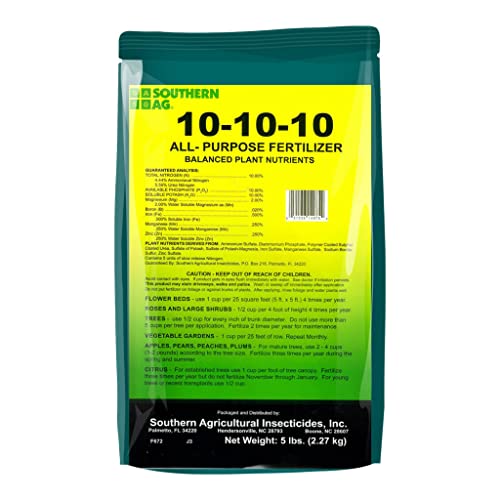
Southern Ag All Purpose Granular Fertilizer 10-10-10, 5 LB
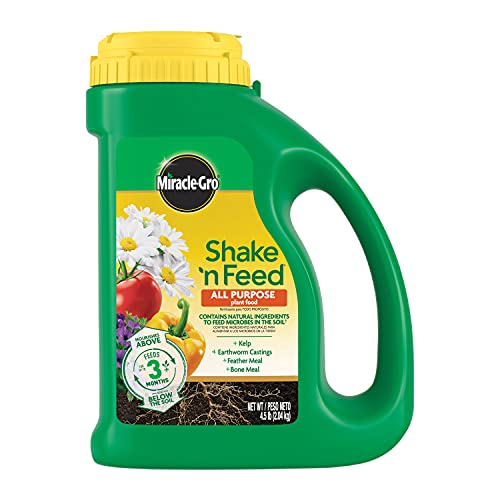
Miracle-Gro Shake ‘N Feed All Purpose Plant Food, 4.5 lb

Osmocote Smart-Release Plant Food Plus Outdoor & Indoor, 8 lb
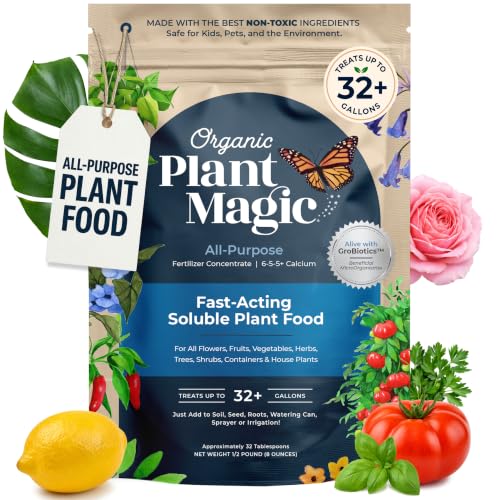
Organic Plant Magic Fertilizer & Plant Food 1/2 lb

GARDENWISE 10-10-10 Slow Release Granular Fertilizer (1/2 Quart)
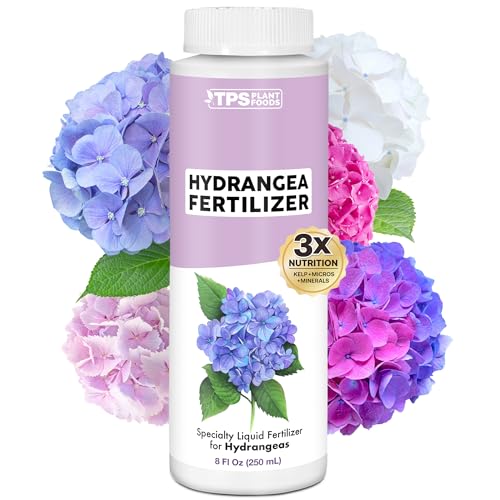
TPS Nutrients Hydrangea Liquid Plant Food, 8 oz

GARDENWISE 10-10-10 Liquid Plant Food with Seaweed Kelp & Iron, 8 oz
The Picks, Examined More Closely
This 44-pound bag is built for gardeners who treat a long, lazy feeding cycle as a feature rather than a chore. The 25-5-10 ratio leans heavily on nitrogen (the first number in NPK), which is the nutrient hostas crave most for pushing out those big, broad leaves. Phosphorus (the middle number) and potassium (the third) sit much lower, since established hostas in decent soil rarely need heavy amounts of either.
Granules are sized for a broadcast spreader, so application takes minutes across a large shade border. The 65% slow-release nitrogen means a single spring feeding carries hostas through most of the growing season. You may find the high nitrogen slightly out of balance for thin, sandy soil that already runs low on potassium, so a follow-up potassium boost in midsummer helps in those cases.
Points In Its Favor
- One feeding covers up to 110 days, which is most of the hosta growing season
- 44-pound bag covers large shade gardens without constant repurchasing
- Granular format spreads evenly with a standard broadcast spreader
- Safer around children and pets than quick-release lawn food for the family yard
Honest Caveats
- Phosphorus and potassium levels are low, so supplemental feeding may be needed in poor soil
- Bag weight is heavy, and storage in a dry spot is required to keep granules from clumping
Who It Suits Best
Gardeners with big established hosta beds who want a single spring application and minimal summer fuss.
Skip It When
You grow hostas in small containers or mixed perennial borders: Osmocote Smart-Release Plant Food Plus Outdoor & Indoor handles those tighter spots with more balanced nutrition.
The 10-10-10 blend is the old-school workhorse of garden feeding: equal parts nitrogen, phosphorus, and potassium in every granule. That equal ratio makes it forgiving across mixed beds where hostas share space with shrubs, flowers, and small trees. Southern Ag packages it in a manageable 5-pound bag that suits a homeowner with a few hosta clumps rather than a whole estate.
This is a quick-release granular rather than a coated slow-release, so hostas see results within a week or two of application. Gardeners working in the Southeast US, where this brand is most commonly stocked, will find it easy to source locally. The trade-off shows up in sandy or fast-draining soil, where rain leaches nutrients quickly, meaning you may need to feed more often than the slow-release options in this list.
What Makes Sense
- Equal NPK ratio works across perennials, shrubs, and vegetables in the same bed
- Granules are uniform and easy to broadcast by hand for small plantings
- Quick nutrient availability shows up in leaf color within a couple of weeks
- Compact 5-pound size stores neatly in a shed without taking over
Points To Note
- Not slow-release, so expect to reapply every 4 to 6 weeks during the season
- Uneven hand-spreading can lead to striped feeding if you are not careful with coverage
Best Suited To
Homeowners with a small mixed perennial bed who want a single bag that handles hostas and their neighbors without juggling multiple products.
Look Elsewhere When
You prefer a single spring feeding to last the whole season: the Eco Solutions slow-release bag in pick 1 covers large beds for months at a stretch.
Shake ‘N Feed takes the measuring cup out of the equation. You open the cap, shake granules around the hosta crown, and you’re done. The 4.5-pound container is sized for casual gardeners who don’t want to wrestle with a heavy bag or a spreader.
The feed is designed to feed plants for up to three months, which lines up nicely with the active growth window of most hostas. It also contains ingredients aimed at feeding soil microbes, which sounds technical but really just means the soil biology stays active and helps roots pull in nutrients. For gardeners who feed casually and forget exact schedules, the built-in time release is a quiet win. The downside is that very large hosta collections burn through a 4.5-pound jug quickly.
Everyday Perks
- Shaker top design means no measuring and no spreader required
- Up to three months of feeding reduces how often you remember to reapply
- Soil-microbe focus helps tired shade beds recover over a season or two
Soft Spots
- Small container size makes it costly per ounce for gardeners with many hostas
- Granules can clump in humid sheds if the cap is left loose
Right Fit For
Casual hosta growers with a few clumps near a patio who want a low-fuss feeding routine without spreading equipment.
Swap It Out When
You maintain a long hosta border and need bulk coverage: GARDENWISE 10-10-10 Slow Release Granular Fertilizer gives you a full quart of granules at a steadier release rate.
Osmocote is the brand most gardeners picture when they hear “slow-release” because the resin-coated granules have been a greenhouse staple for decades. Each prill releases nutrients gradually as soil temperature rises, so hostas get a steady trickle of food through spring and summer without the boom-and-bust cycle of quick-release feeds.
The 8-pound jug covers a meaningful hosta collection, and the formula includes eleven essential nutrients, which is a polite way of saying you get the macronutrients plus supporting micronutrients like iron and manganese. For mixed beds that include annuals, perennials, and a few shrubs alongside hostas, the broad compatibility removes guesswork. If you grow hostas in containers, this is one of the more dependable container choices because the release rate responds to warmth rather than moisture alone.
What Stands Out
- Coated granules release based on soil temperature for up to six months
- Eleven nutrients cover both macronutrients and the trace elements hostas need
- Works across outdoor beds, containers, and indoor tropicals without swapping products
- 8-pound jug strikes a balance between coverage and easy storage
Where It Is Less Suited
- Premium positioning means the per-pound cost runs higher than basic lawn blends
- Slow start: plants in cool early spring may look hungry for a few weeks before release ramps up
Who Will Love This
Set-and-forget gardeners who want a single spring feeding to carry hostas through summer without thinking about fertilizing again until fall cleanup.
Where A Sibling Pick Shines
You run a strictly organic garden: Organic Plant Magic Fertilizer & Plant Food gives you a soluble organic option that fits an organic-only routine.
This is the entry for gardeners who refuse to bring synthetic fertilizer anywhere near their beds. Organic Plant Magic ships as a dry concentrate that you mix into water, then apply as a liquid feed. The 1/2-pound pouch makes a claimed 32-plus gallons of finished liquid, which is more than enough for a season of hosta feeding plus the rest of the shade garden.
Because it’s a soluble powder rather than a granular, the nutrients are immediately available once mixed and watered in. Organic feeds generally lean on natural ingredients that feed soil biology, and that’s the long game here: a healthier soil microbiome over time means stronger hosta root systems. The catch is the up-front mixing step, which is extra effort compared to scattering dry granules around the crown.
Strengths Worth Knowing
- Truly organic formulation fits organic-only garden routines
- Half-pound pouch yields enough liquid feed for a full growing season
- Works on houseplants and outdoor beds without changing products
Things To Consider
- Mixing each batch takes extra time compared to scattering dry granules
- Smaller pouch is easy to misplace in a busy garden shed
Made For
Organic-first gardeners who want a single water-soluble feed that covers hostas, vegetables, and houseplants with one product.
Reach For A Different Pick When
You want a dry, no-mix routine in a large outdoor bed: Osmocote Smart-Release Plant Food Plus Outdoor & Indoor handles bigger plantings with one spring scatter.
GARDENWISE positions this as a true all-rounder: a balanced 10-10-10 ratio delivered through a slow-release granule that feeds hostas, vegetables, and flowering shrubs from the same bag. The 1/2-quart container is a moderate size that suits a backyard gardener managing several beds without dedicating a shelf to fertilizer storage.
The slow-release chemistry means hostas see a steady nutrient supply rather than a single spike, which is easier on roots and reduces the risk of leaf burn that quick-release formulas can cause in dry weather. The balanced NPK also makes it easy to share feeding with neighboring plants like arborvitae and roses. Gardeners with very nitrogen-hungry specimens may find the equal ratio underfeeds compared to the 25-5-10 option in pick 1.
What Helps Most
- Slow-release formula reduces risk of leaf burn during dry spells
- Balanced 10-10-10 ratio feeds hostas alongside vegetables and shrubs in the same bed
- 1/2-quart size is manageable to carry and store in a typical garden shed
Some Limits To Know
- Equal NPK is moderate on nitrogen, so fast-foliage hostas may need a summer boost
- Smaller container requires repurchasing sooner for gardeners with extensive beds
Perfect Match For
Backyard gardeners with mixed hosta, vegetable, and shrub plantings who want one balanced feed that works across all of them.
Consider Something Else When
You want the most nitrogen possible for maximum leaf size: Slow Release Lawn Fertilizer 25-5-10 NPK in pick 1 leads with nitrogen for showy foliage.
Most hostas are grown for their leaves rather than their flowers, but fragrant hosta varieties and those prized for late-summer bloom benefit from a feed that supports flowering as well as foliage. TPS Nutrients builds this liquid for hydrangeas and similar flowering shrubs, and the same nutrient balance works nicely on hostas that send up bloom spikes in midsummer.
The 8-ounce bottle is a concentrated liquid that mixes into a watering can, so application doubles as a deep watering session. Liquid feeding gives hostas a quick pick-me-up during the heat of summer when granular feeds can stall in dry soil. The trade-off is that liquid feeds wash through the root zone faster, so this is more of a supplement than a season-long primary feed.
A Few Highlights
- Liquid format absorbs quickly during hot summer stress periods
- Bloom-oriented nutrient balance supports hosta flower spikes as well as foliage
- 8-ounce bottle mixes easily into a standard watering can for spot treatments
Factors To Consider
- Best as a supplement rather than a primary season-long feed for hostas
- Small bottle requires repurchase across a long growing season for big collections
Whose Shelf It Belongs On
Hosta collectors who also grow hydrangeas and other flowering shrubs and want one liquid feed for the whole flowering shade bed.
A Better Fit Elsewhere
You want a single feed for the whole season without mixing: Osmocote Smart-Release Plant Food Plus Outdoor & Indoor keeps hostas fed for six months from one application.
GARDENWISE adds seaweed kelp and iron to a balanced 10-10-10 liquid base, which is a thoughtful combination for shade plants. Seaweed kelp contributes trace minerals and natural plant hormones that support root development, while iron helps leaves hold their green color in alkaline soil where nutrients can lock up.
Container hostas in particular benefit from this kind of multi-ingredient liquid because potted soil loses nutrients fast through watering. The 8-ounce bottle is sized for the occasional boost rather than heavy weekly feeding, which makes it a smart companion to a slow-release granular applied at planting. The honest read is that this is a specialty supplement rather than a complete standalone feed for a large landscape.
Real Benefits
- Added iron helps yellowing leaves recover in alkaline or chalky soils
- Seaweed kelp contributes trace minerals beyond the basic NPK trio
- Liquid format works well for container hostas that lose nutrients to frequent watering
Worth Bearing In Mind
- Best paired with a granular base feed for a complete nutrition plan
- Liquid nutrients wash through containers faster than slow-release granules
Built With In Mind
Container hosta growers and gardeners with alkaline soil who need a liquid boost that addresses iron deficiency and trace mineral gaps.
Not Your Match When
You want one product to feed a sprawling landscape bed: GARDENWISE 10-10-10 Slow Release Granular Fertilizer covers large ground without monthly mixing.
Picking the Right Feed for Your Shade Garden
Hostas have one main job in the landscape: keep pushing out big, healthy leaves from spring through fall. The fertilizer that supports that job best is one that delivers steady nitrogen, balanced phosphorus and potassium, and a few trace elements, without overloading the soil in any single dose. The picks above split into three practical approaches: slow-release granules for set-and-forget gardeners, balanced 10-10-10 formulas for mixed beds, and liquid feeds for quick boosts and containers.
Match the Format to Your Routine
Granular slow-release options like Osmocote and the Eco Solutions 25-5-10 bag work well for gardeners who want to feed once and walk away. Liquid options like the two GARDENWISE bottles and the TPS Nutrients hydrangea feed suit gardeners who like to water and feed at the same time, and they pair naturally with containers or alkaline soil where nutrients lock up. Organic Plant Magic sits in the middle, requiring a small mix step but rewarding organic-focused gardeners with a broad-use concentrate.
Read the NPK Before You Buy
The three numbers on any fertilizer bag tell you exactly what you’re applying. Nitrogen, the first number, fuels leaf growth, which is the whole point of hostas. Phosphorus, the middle number, supports root development and flower production. Potassium, the third number, keeps overall plant vigor and disease resistance steady. A high first number like 25-5-10 prioritizes leaf size, while an even 10-10-10 gives balanced support for mixed plantings.
Consider Your Soil and Shade First
Happier hostas start with soil that drains well and holds some organic matter. If your shade bed is sandy or fast-draining, nutrients wash out quickly and slow-release formulas earn their keep. If the bed sits in heavy clay, lighter applications prevent buildup. Soil pH affects whether iron stays available, which is why the GARDENWISE liquid with iron matters for alkaline gardens.
Storage and Reapplication Habits Matter
Granular fertilizer needs a dry storage spot, since humidity turns prills into concrete clumps. Liquid concentrates last longer but need a cool, dark shelf. A bag that covers your whole bed in one pass saves time but only helps if you can comfortably lift and store it.
Key Considerations Across These Picks
Pitfalls Shoppers Hit
Many gardeners grab a high-nitrogen lawn fertilizer for hostas without realizing turf blends often include iron and weed-control additives that aren’t intended for ornamental beds. Reading the bag before assuming a product is ornamental-safe saves a lot of frustration. Another common miss is overfeeding in early spring, when hostas are still waking up and can’t use a heavy nutrient push, which can lead to soft growth that slugs love.
What The Higher Tier Buys
The premium options in this list, like Osmocote Smart-Release, earn their higher cost through resin-coated granules that release based on soil temperature rather than moisture alone. That temperature-responsive release keeps nutrients flowing during the warm weeks when hostas are actually growing, instead of washing away in spring rain. The upgrade is most worth it for gardeners with large, established hosta collections or anyone who has battled inconsistent feeding in past seasons.
Frequently Asked Questions
When should I fertilize hostas?
The best window is early spring as new shoots emerge, with a possible light second feeding in early summer. Late-season feeding risks pushing tender new growth right before frost.
Can I use lawn fertilizer on hostas?
Some lawn fertilizers work in a pinch, especially slow-release nitrogen blends, but turf products often contain additives that aren’t ideal for ornamental beds. A fertilizer labeled for gardens and ornamentals is the safer pick.
Are organic fertilizers better for hostas?
Organic options feed soil biology over time, which can build long-term soil health, but they typically act more slowly than synthetic granulars. The right choice depends on whether you prioritize organic ingredients or fast visible results.
How often should I feed potted hostas?
Container hostas leach nutrients faster than in-ground plants, so a monthly liquid feed during the growing season is a reasonable rhythm. Pairing liquid with a slow-release granular at planting reduces how often you need to mix.
Do hostas need extra potassium?
Potassium supports overall vigor and stress tolerance, so it matters in poor or sandy soil. A balanced fertilizer covers this in most established beds, while high-nitrogen lawn blends may need a potassium boost added separately.
The Takeaway
The best hosta fertilizers are the ones that match your soil, your planting size, and how often you actually want to think about feeding. Slow-release granulars reward gardeners who prefer a single spring application, balanced 10-10-10s serve mixed beds well, and liquid feeds rescue containers and alkaline soil when quick nutrition matters. Pick the format that fits your routine, and your hostas will reward you with the kind of leafy show that made you plant them in the first place.
