

A north-facing window, a room with sheer curtains, or that spot six feet from a sunny pane can feel like a tough place to keep anything green alive. Most flowering plants scorch there, and many succulents stretch thin and leggy. The eight picks below actually prefer filtered or moderate ambient light, and they’re forgiving enough for first-timers while still rewarding seasoned plant keepers.
The Lineup, Simplified

California Tropicals Anthurium Red Live Houseplant 4″ Pot

Hopewind Lemon Lime Maranta Prayer Plant 4″ Pot

Hopewind Lemon Lime Maranta in 4″ White Pot

Altman Plants Snake Plant Laurentii 30″ 4″ Pot

Bonnie Curly Spider Plant 4″ Pot

Costa Farms Dieffenbachia Live Indoor Plant

Hypoestes Red Splash Houseplant 3.5″ Pot
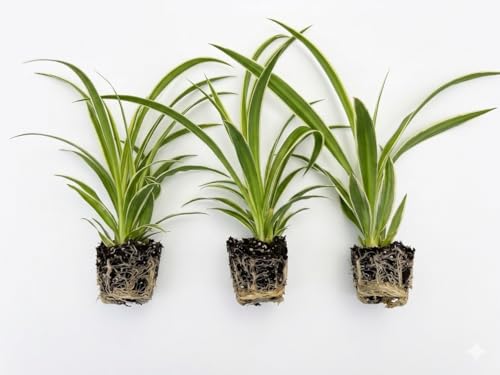
3 Pack Spider Plant Live Indoor Houseplants
A Breakdown Of The Leading Choices
Anthuriums earn their spot on shaded shelves because the waxy red spathes (the colorful, leaf-like structures surrounding the actual flower spike) keep their color without strong sun. The plant arrives at 10 to 11 inches tall in a 4-inch nursery pot, small enough to perch on a desk or side table but mature enough to bloom soon after it settles in. Glossy green leaves frame the blossoms for a tropical look that feels intentional rather than busy.
Unlike the Marantas and spider picks further down, this one rewards you with actual flowers rather than just foliage, which makes it a thoughtful gift choice. Owners commonly find that consistent moisture and a bright corner away from direct rays produce the strongest bloom cycle.
Positive Takeaways
- Long-lasting red spathes add color where most shade plants stay green
- Compact 4-inch footprint fits on a nightstand or shallow shelf
- 4-inch nursery pot slips into most decorative cachepots for easy styling
- Tropical appearance without the fuss of high-light flowering species
- Ships at a near-blooming size so you enjoy flowers quickly
Things To Consider
- Anthurium is toxic to pets and small children, so placement matters
- Needs steady moisture and humidity to keep reblooming steadily
- Color options appear limited to red in this listing despite broader catalogs
Who Should Grab It
Anyone wanting a flowering focal point for a low-light corner who doesn’t share the room with curious cats or toddlers.
Where Another Pick Suits Better
Pet households should look at the Hopewind Lemon Lime Maranta Prayer Plant instead, which is far safer around cats and dogs.
Prayer plants move through their day, lifting leaves at night and lowering them in daylight, which turns a quiet corner into something quietly alive. The Lemon Lime variety carries chartreuse streaks along each leaf, brighter than the standard green-and-red type. It ships around 12 to 16 inches tall in a 4-inch pot, so it lands with presence even before it grows into the space.
Compared to the flowering Anthurium above, this pick trades blossoms for movement and pet-safe foliage. Owners should expect to water more often than with the snake plant, and crisping leaf edges usually signal dry air rather than disease.
Well-Handled Touches
- Pet-friendly profile, a calmer choice than the toxic Anthurium
- Chartreuse variegation brightens shaded corners
- Animated nyctinasty (the daily folding-and-unfolding motion) adds visual rhythm
- Reasonable 12 to 16-inch starter height for shelf placement
Worth Noting
- Demands more consistent watering than the snake or spider picks
- Dry indoor air commonly browns leaf tips without a humidifier nearby
- Needs filtered light, with direct sun bleaching the variegation quickly
Right Fit For
Pet owners and plant keepers who want movement and color without sacrificing safety.
A Better Fit Elsewhere
Travelers who skip watering for a week should consider the Altman Plants Snake Plant Laurentii, which shrugs off neglect far better.
This is the same Lemon Lime Maranta as Item 2, just dressed in a clean white 4-inch pot instead of a plain nursery container. The white finish matches most modern interiors without the chore of slipping the plant into a separate cachepot. You skip the extra purchase and the drainage math that comes with double-potting.
If your eye cares about the full vignette rather than just the foliage, this version earns the swap. The care needs are identical to the previous Maranta, so go in expecting weekly attention and moderate humidity.
A Strong Showing
- Pre-potted white ceramic saves a separate cachepot purchase
- Pet-safe foliage like the standard Maranta
- Bright chartreuse variegation pairs well with neutral decor
Minor Gripes
- White ceramic may lack a drainage hole, raising overwatering risk
- Same humidity and watering demands as the nursery-pot version
Made For
Design-minded shoppers styling open shelving or a guest bath where presentation matters as much as the plant itself.
Look Elsewhere When
You’d rather control the pot choice yourself, in which case the Altman Plants Snake Plant Laurentii gives you more sizing freedom with the same forgiving care.
The Laurentii snake plant brings vertical structure to a dim corner, with yellow-edged sword leaves rising to roughly 30 inches. Sansevieria (the older botanical name for snake plants) handles low light, drafts, and skipped waterings with the kind of patience most tropical picks simply can’t match. It earns the “almost indestructible” reputation through thick, succulent-like leaves that store moisture for weeks.
Compared to the Maranta pair above, this is a different rhythm: less visual movement, more architectural stillness. For an empty floor spot near a north window or a forgotten office corner, few plants fill the space as handsomely for so little attention.
Reasons It Performs
- Tolerates low light better than almost any foliage plant on this list
- Drought-tolerant leaves forgive weeks of missed waterings
- Tall 30-inch silhouette anchors a corner where small pots disappear
- Yellow-edged variegation adds brightness even in shaded rooms
Room For Improvement
- Toxic to cats and dogs if nibbled, so placement still matters
- Tall, top-heavy form tips in lightweight plastic pots without a heavier cachepot
- Grows slowly, so the silhouette you buy is close to the silhouette you’ll keep for years
Best Suited To
Busy professionals, frequent travelers, and anyone who forgets watering days more often than not.
Not Your Match When
Pet owners worried about curious nibblers should pick the Bonnie Curly Spider Plant instead, which carries a gentler safety profile for cats and dogs.
Chlorophytum comosum ‘Bonnie’ twists the familiar spider plant silhouette into tight ribbons, giving you the same easy care with a more playful shape. The 4-inch pot ships compact, so it tucks onto a narrow shelf where a standard spider would sprawl. Green-and-white variegation catches the eye without screaming for attention.
Unlike the towering snake plant, this one stays desk-sized, and unlike the moisture-needy Maranta, it tolerates the occasional dry stretch. Owners commonly find that slight stress (a skipped watering or a tight pot) actually intensifies the curl.
What Works In Its Favor
- Pet-friendly profile for households with cats or dogs
- Compact 4-inch size fits shelves the larger snake plant can’t
- Curled leaves add texture without sacrificing the classic spider variegation
- Adapts to filtered or artificial light with little fuss
Honest Caveats
- Needs evenly moist soil and dislikes either bone-dry or soggy conditions
- Produces fewer “pups” (the small offshoot plantlets) than straight-leaf spider varieties
Who It Suits Best
Shelf decorators and pet owners who want a tidy, compact accent in a tight spot.
Reach For A Different Pick When
You want a true trailing, basket-style cascade, in which case the 3 Pack Spider Plant from AUGUST BREEZE FARM delivers fuller arches with multiple mature plants.
Dieffenbachia, sometimes called dumb cane, offers broad variegated leaves that fill a tabletop with tropical weight. Costa Farms ships the plant at 12 to 18 inches in a choice of self-watering, decorative, or standard nursery pot, so you can pick the configuration that matches your watering habits. The mottled cream-and-green patterning brings more visual variety than the snake plant’s striped upright leaves.
Versus the trailing spider plants below, this one grows upright and bushy, so it anchors a corner rather than spilling from a basket. The honest read is that it’s a showpiece plant with simpler demands than its dramatic appearance suggests.
The Value In It
- Broad variegated leaves bring strong visual impact to shaded rooms
- Multiple pot options including a self-watering configuration for casual care
- Medium 12 to 18-inch size suits both tabletops and low plant stands
- Adapts to typical indoor conditions without fussing over humidity
Points To Keep In Mind
- Dieffenbachia is toxic to pets and humans if ingested, requiring careful placement
- Lower leaves yellow and drop naturally as the plant matures, which can look messy briefly
- Doesn’t love cold drafts from windows or air vents
Whose Shelf It Belongs On
Anyone wanting a fuller, leafy statement in a dim living room or home office away from pets and toddlers.
Swap It Out When
You share the room with curious pets, in which case the Hopewind Lemon Lime Maranta Prayer Plant offers similar tropical foliage without the toxicity concern.
Hypoestes, often called polka dot plant, splatters leaves with vivid pink-red mottling that stays bright without direct sun. The 3.5-inch pot is the smallest on this list, so it tucks into a windowsill, a kitchen ledge, or a child’s desk without crowding. Under filtered light the speckling intensifies, while in deeper shade the green base color takes over.
Unlike the architectural snake plant or the broad-leafed Dieffenbachia, this pick stays small and a bit scrappy, which suits casual, hands-on learning. Pinch back leggy stems and the plant stays bushy rather than sparse.
Benefits That Matter
- Striking red-and-green speckling adds color in shaded rooms
- Tiny 3.5-inch footprint suits tight ledges and kids’ spaces
- Tolerates medium to bright filtered light with steady moisture
- Forgiving for first-time plant keepers who may over- or under-water
Some Limits To Know
- Gets leggy without occasional pinching of the stem tips
- Sensitive to dry soil, so it needs more frequent watering than the snake plant
- Smaller pot dries out faster than the 4-inch picks above
Perfect Match For
Beginners, kids’ rooms, and anyone wanting a colorful accent in a small, contained spot.
Consider Something Else When
You want a single plant that anchors an empty corner, where the Altman Plants Snake Plant Laurentii brings more height and presence with similar low effort.
This bundle delivers three fully rooted spider plants rather than starter propagations, so each one arrives with a developed root system ready to grow on arrival. The variegated, arching leaves (often called “airplane plants”) trail beautifully from hanging baskets, plant shelves, or a tall stand. Splitting the pack across three rooms turns one purchase into a whole-home refresh.
Versus the single Bonnie Curly Spider Plant above, this set trades compact form for fuller, longer leaves and triple the coverage. Owners commonly find these plants forgiving, bouncing back from dry spells once watering resumes.
What Helps Most
- Three rooted plants (not cuttings) skip the slow establishment phase
- White-and-green variegation reads from across the room
- Trailing shape works in hanging baskets or elevated shelves
- Pet-safe for households with cats and dogs
Less Ideal Details
- Ships as multiple plants, so you’ll need three spots ready to go
- Long arching leaves need space and may brush nearby walls in narrow hallways
The Right Fit
Households filling several rooms at once, or anyone splitting a gift between home, office, and a friend.
Skip It When
You only have room for one tidy accent, where the Bonnie Curly Spider Plant keeps things compact and contained.
What Matters Most Before Choosing Houseplants For Indirect Light
Match The Light, Not Just The Room
“Indirect light” covers a wide range, from a bright north-facing window to a dim hallway six feet away. Leaf color tells the truth: deep green plants like the snake plant tolerate the dimmer end, while variegated picks like the Maranta and spider plants need brighter filtered light to hold their patterning. Measure your spot at the brightest hour before deciding.
Decide Between Foliage And Flowers
Most indoor picks at this light level focus on leaves rather than blooms. The Anthurium stands out for offering real color, but it asks for steady moisture and warmth in return. Foliage picks like Dieffenbachia and Hypoestes deliver pattern and movement with fewer demands.
Consider Pets, Kids, And Travel
Toxicity is a real filter for many households. Pet-safe picks like the Maranta, spider plants, and Hypoestes let you skip the worry. For frequent travelers or forgetful waterers, drought-tolerant snake plants shrug off missed weeks far better than humidity-loving tropicals.
Pot And Placement Logistics
A 4-inch nursery pot slips into most decorative cachepots, which keeps drainage in your control. Self-watering or ceramic-potted versions like the Dieffenbachia options simplify care but commit you to that style. Think about where the plant will live before the pot choice locks you in.
Key Considerations Across These Picks
Pitfalls Shoppers Hit
Buying a “low light plant” and placing it in a truly dark corner is the most common mistake. Indirect still means some ambient brightness; a doorway across from a window usually works, while an interior bathroom rarely does. Underestimating pot size is another trap: tall snake plants look elegant but need a heavy container to stay upright.
Where The Extra Money Goes
Larger starter plants (the 30-inch snake plant and the 16-inch Maranta) command more because they skip the slow juvenile phase. Three-packs like the spider bundle cost more per plant in some cases, but the established root systems mean faster, fuller growth. Spend up when patience is short, save when you enjoy watching a small plant mature.
Frequently Asked Questions
How Often Should I Water Houseplants In Indirect Light?
Watering frequency depends more on pot size and humidity than light level. Most 4-inch pots on this list prefer a weekly check, with the snake plant tolerating longer dry stretches and the Maranta wanting more consistent moisture.
Can These Plants Survive In A Room With No Windows?
A room with no natural light will eventually weaken any plant on this list. A bright lamp left on for several hours a day can substitute, but a north-facing window or filtered eastern light is far easier and more sustainable.
Are Any Of These Plants Safe For Cats And Dogs?
The Maranta, spider plant, and Hypoestes are commonly listed as pet-safe options, though individual reactions vary. Anthurium, snake plant, and Dieffenbachia contain compounds that irritate pets if chewed, so place them out of reach.
Why Are My Plant’s Leaves Turning Yellow?
Yellowing usually points to overwatering, sudden temperature changes, or natural lower-leaf aging. Check the soil moisture first, then look at recent drafts or relocations before assuming disease.
Do I Need To Repot These Plants Right Away?
Most 4-inch starter pots give a plant several months to a year of room to grow. Move up one pot size (about 2 inches wider) only when roots circle the drainage holes or water runs straight through without absorbing.
Closing Remarks
Any of these eight picks will reward a shaded corner that other plants struggle in. Match the plant to your light level, your watering rhythm, and your household’s four-legged residents, and the rest takes care of itself.
