

Hydrangeas reward the right soil chemistry with bigger blooms and richer color, but matching a fertilizer to your specific plant can feel like guesswork. Gardeners dealing with alkaline backyard soil, faded flower heads, or a long row of mopheads often discover that a generic all-purpose feed simply won’t cut it. This lineup cuts through the noise with eight targeted options, each built around the acid-loving, bloom-boosting needs that hydrangeas actually respond to. You’ll find granular slow-release blends for low-effort feeding, water-soluble powders for fast mid-season corrections, and dedicated acidifiers for gardeners chasing deeper blue flowers.
Your Options, Compared
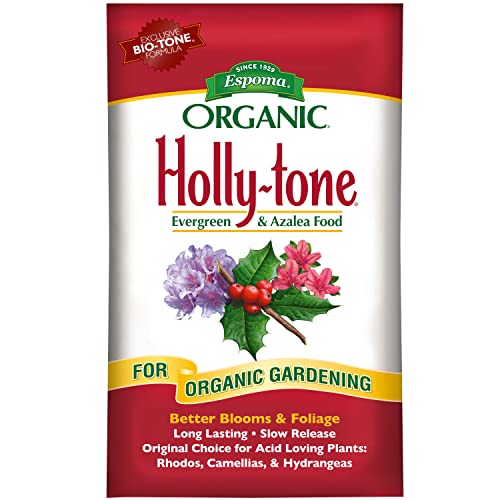
Espoma Holly-Tone 4-3-4 Organic Evergreen & Azalea Plant Food 36 lb.

GARDENWISE 8-4-8 Acidic Fertilizer for Acid-Loving Plants 12 oz

Earth Science Fast Acting Sulfur Granules 5 lb

Espoma Holly-Tone 4-3-4 Evergreen & Azalea Plant Food 4 lb Pack of 2
Espoma Holly-Tone 4-3-4 Organic Evergreen & Azalea Plant Food 4 lb

Miracle-Gro Water Soluble Azalea, Camellia, Rhododendron Plant Food 5 lb

Grow More Hydrangea Blueing Formula 2 lbs

Jack’s Classic 7-3-3 Hydrangea Blue Water-Soluble Fertilizer 1.5 lb
A Deeper Look At The Lineup
For gardeners managing long hedges or mixed beds of acid-loving shrubs, the 36-pound Espoma Holly-Tone bag removes the headache of constantly restocking. This organic granular blend is built around a 4-3-4 nitrogen-phosphorus-potassium ratio, meaning it leans gentle rather than aggressive. Bio-tone microbes break the organic matter down gradually, releasing nutrients over weeks instead of dumping everything at once.
Hydrangeas, azaleas, rhododendrons, and blueberries all share a craving for acidic soil (soil with a pH below 7.0), and Holly-Tone feeds them while pushing pH slowly downward. Two annual feedings, one in spring and a lighter follow-up in fall, typically cover a full season for most home landscapes. The bag’s size suits anyone with more than a handful of foundation plantings.
What Makes Sense
- Organic formula safe around kids, pets, and edible gardens
- Bulk 36 lb bag lowers the per-application cost for large properties
- Bio-tone microbes improve long-term soil structure beyond a single feeding
- Sulfur content gradually acidifies soil without burning roots
Things To Consider
- Granular form requires spreading and watering in, which is slower than a liquid drench
- Bag is heavy and awkward to haul to back garden beds
Whose Yard It Belongs In
Homeowners with a row of established hydrangeas, blueberries, or azaleas who want one bag to cover an entire growing season with minimal fuss.
Swap It Out When
Grow More Hydrangea Blueing Formula is a better match for gardeners chasing a specific blue color shift rather than general nutrition.
Where the Holly-Tone above plays the long game, GARDENWISE 8-4-8 swings for faster results. The 8-4-8 analysis delivers more nitrogen upfront, so plants show visible leaf response within a couple of weeks. Magnesium, iron, and manganese are stacked into the formula specifically to head off chlorosis, the yellowing between leaf veins that signals an iron deficiency (or more often, a pH problem that locks iron out).
Compared to the 36-pound Espoma bag, this 12-ounce container suits small yards, a single specimen shrub, or potted hydrangeas on a patio. Azaleas, camellias, and blueberries benefit from the same trace mineral mix, making it handy if your landscape mixes several acid-lovers together. For gardeners whose biggest frustration is faded, yellow-tinted foliage, this formula targets that exact problem.
The Practical Payoff
- Iron, manganese, and magnesium help reverse visible chlorosis quickly
- Higher nitrogen pushes lush leaf growth in depleted soil
- Compact 12 oz size stores neatly in a small garden shed
- Versatile across azaleas, camellias, gardenias, and blueberries
Worth Noting
- Small container means frequent reorders for larger landscapes
- Faster nutrient release means shorter intervals between applications
Who Will Love This
Apartment and patio gardeners with one prized hydrangea in a container, especially anyone noticing yellow leaves despite regular watering.
Look Elsewhere When
Espoma Holly-Tone 4-3-4 Organic Plant Food 36 lb is the smarter choice for gardeners who want to feed ten or more shrubs from a single purchase.
Earth Science Fast Acting Sulfur is less a fertilizer and more a soil conditioner, though the line blurs once you see how hydrangeas respond. Elemental sulfur lowers pH gradually as soil bacteria convert it into sulfuric acid, and the “fast acting” formulation accelerates that process compared to traditional garden sulfur. For gardeners whose soil tests come back stubbornly alkaline (pH above 7.0), this is often the missing link between a struggling plant and a thriving one.
Unlike the GARDENWISE option above, this product carries no nitrogen or potassium, so it pairs well alongside a complete fertilizer rather than replacing one. Granules spread easily around the drip line (the outer edge of the plant’s branch canopy, where feeder roots spread) and water in without special equipment. The 5-pound bag covers a surprising amount of ground, and many gardeners reapply only once or twice per year after the initial correction.
The Helpful Details
- Targets the root cause of chlorosis in high-pH soil
- Improves uptake of any fertilizer applied afterward
- Long-lasting effect reduces how often you need to reapply
- Safe for lawns, making it useful beyond just flower beds
Trade Offs
- Works slowly, so patience is required after application
- Must be paired with a balanced fertilizer for full nutrition
Right Fit For
Gardeners with a confirmed alkaline soil problem who want a foundational fix before layering in bloom-boosting nutrition.
Another Choice May Suit
Jack’s Classic 7-3-3 Hydrangea Blue Water-Soluble Fertilizer makes more sense for container gardeners who need nutrients delivered immediately rather than a slow soil rebuild.
This two-pack of 4-pound Espoma Holly-Tone bags lands in a sweet spot for the typical suburban yard. You get the same 4-3-4 organic blend and Bio-tone microbes as the larger 36-pound bag from earlier in the lineup, just split into manageable portions. For gardeners with three to six hydrangea bushes plus a few azaleas or blueberries, this size runs out at a sensible pace without demanding a wheelbarrow to haul.
The 5% sulfur content still gently nudges soil pH downward, so chlorosis prevention is built into every feeding. Storage is easier than wrestling with a single giant bag, and the smaller format means less risk of the product absorbing moisture in a damp garage over a long winter. Anyone who has finished a bag of fertilizer only to find it clumped and unusable will appreciate the resealable smaller package.
Well-Handled Touches
- Two-bag format easier to lift and store than bulk options
- Same proven organic blend as the larger Espoma bag
- Covers a mid-sized mixed bed for one full season
- Bio-tone microbes support ongoing soil biology
Honest Caveats
- Per-pound cost runs higher than the 36 lb option
- Not enough capacity for properties with ten or more acid-loving shrubs
Best Suited To
Homeowners with a modest collection of hydrangeas and companion acid-lovers who want a balanced organic feed without committing to a bulk bag.
Reach For A Different Pick When
Miracle-Gro Water Soluble Azalea Plant Food is a better choice for gardeners who prefer mixing a quick liquid feed over spreading granulars.
For someone planting their first hydrangea, the single 4-pound Espoma Holly-Tone bag is the least intimidating entry point. You get the same 4-3-4 organic recipe and 5% sulfur blend that seasoned gardeners trust, just in a starter-friendly quantity. A single bag comfortably feeds a young shrub for a full growing season with room to spare for spring and fall applications.
Compared to the two-pack just above, this single bag carries a slightly higher per-pound cost but skips the commitment. New gardeners who want to learn how their soil responds before scaling up will find this format easy to test. The organic composition also forgives the inevitable over-application that comes with first-timer enthusiasm.
Key Advantages
- Smallest commitment to try organic acid-loving feeding
- Forgiving organic formula reduces risk of fertilizer burn
- Works across hydrangeas, azaleas, blueberries, and more
Points To Keep In Mind
- Won’t cover a yard with multiple large established shrubs
- Granular format requires watering in after spreading
Quick Facts
Made For
First-time hydrangea owners who want a single small bag to learn the feeding rhythm without committing to a larger format.
Consider Something Else When
Earth Science Fast Acting Sulfur Granules is a stronger pick for gardeners whose soil test shows alkaline conditions needing correction first.
Miracle-Gro’s water-soluble powder flips the feeding model from slow-and-steady to fast-and-frequent. Mixed into a watering can or hose-end feeder, the formula reaches roots within hours rather than weeks. For hydrangeas that look pale, lackluster, or stalled mid-season, that quick turnaround can rescue a bloom cycle before the season ends.
The 5-pound tub stretches far because the powder concentrates go a long way per gallon. Gardenias, hibiscus, hollies, and orchids respond to the same acid-leaning formula, making it a versatile choice for mixed collections. The trade-off shows up in frequency: liquid feeding every seven to fourteen days during active growth demands more attention than a granular top-dress.
Good Reasons To Consider
- Visible improvement in leaf color within days of application
- Compatible with standard watering cans and hose-end feeders
- Concentrated formula offers good coverage per pound
- Works on a wide range of acid-loving ornamentals
Practical Considerations
- Requires consistent reapplication through the growing season
- Easy to over-concentrate, which risks leaf burn on tender new growth
- Powder must be fully dissolved to avoid feeding clogs in sprayers
Perfect Match For
Gardeners diagnosing a nutrient shortfall mid-season who need a visible response fast and don’t mind the routine of biweekly feeding.
A Better Fit Elsewhere
Espoma Holly-Tone 4-3-4 Plant Food 36 lb fits better for gardeners who want to feed their shrubs twice a year and move on.
If your goal is vivid blue mopheads instead of muddy purple, aluminum sulfate is the traditional lever, and Grow More’s Blueing Formula delivers it in a clean granular form. Aluminum becomes plant-available as soil pH drops below about 5.5, at which point hydrangeas shift their flower pigment toward blue. The 2-pound pouch covers a small cluster of shrubs or several large container plantings.
USA-made and broadly compatible with azaleas, gardenias, and other acid-lovers, this is more of a targeted tool than a general fertilizer. Gardeners aiming for pink blooms should skip it, since aluminum is exactly what they’re trying to avoid. Pairing it with one of the broader Holly-Tone options above gives you color control plus balanced nutrition.
Where It Helps
- Specifically designed to shift flower color toward blue
- Granular format mixes into soil at planting or as a top-dress
- Works in ground and in container plantings
- Useful on azaleas and gardenias beyond just hydrangeas
Small Caveats
- Only useful if you actually want bluer flowers
- 2 lb pouch runs out quickly on larger beds
Built With In Mind
Gardeners determined to push mophead or lacecap hydrangeas toward saturated blue blooms and willing to monitor soil pH alongside feeding.
Skip It When
Espoma Holly-Tone 4-3-4 Organic Plant Food 4 lb is a better baseline for gardeners who don’t have a specific color goal and just want healthy shrubs.
Jack’s Classic closes the list with a water-soluble powder built specifically for hydrangea nutrition and color maintenance. The 7-3-3 ratio favors leafy growth without overloading phosphorus, which matters because excessive phosphorus can actually block aluminum uptake and accidentally push blooms toward pink. Container gardeners especially benefit from a formula designed for the limited root zone of a pot.
Foliar feeding (spraying a diluted mix directly onto the leaves) is a built-in option here, giving you a way to green up yellowing foliage faster than root drenching alone. The 1.5-pound jar mixes into several gallons of liquid feed, so a little goes a long way even in a tight space. Compared to the broader Miracle-Gro option earlier, this formula leans more deliberately toward hydrangea-specific behavior rather than general acid-loving coverage.
A Favorable Mix
- 7-3-3 ratio supports foliage without overloading phosphorus
- Works as both root drench and foliar spray
- Compact 1.5 lb jar stores easily on a potting bench
- Designed to maintain blue tones in color-sensitive varieties
Areas To Watch
- Requires biweekly feeding through active growth
- Smaller jar means reordering more often than bulk options
Feature Snapshot
Who Should Grab It
Container gardeners and patio growers who want a hydrangea-targeted liquid feed they can apply through a sprayer or watering can on a tight schedule.
Not Your Match When
Espoma Holly-Tone 4-3-4 Organic Plant Food 36 lb is a better fit for in-ground gardeners who prefer spreading granulars twice a year over mixing liquids.
Picking The Right Blend For Your Soil
Hydrangea feeding really starts with the soil beneath the shrub. Before choosing a fertilizer, run a basic pH test, since the same plant will bloom blue in acidic ground and pink in alkaline ground. For most gardeners, that means picking between two pathways: a balanced organic feed that nudges pH gently over time, or a more targeted acidifier if your test shows soil above 6.5.
Granular organic options like Holly-Tone reward low-effort gardeners who prefer two feedings per year. Water-soluble powders like Miracle-Gro or Jack’s Classic suit people who enjoy the rhythm of weekly or biweekly feeding and want faster visible results. If your goal is specifically bluer flowers, aluminum sulfate products like Grow More’s Blueing Formula are the lever to pull, ideally paired with a separate balanced fertilizer.
Container plantings need a slightly different approach since pots have limited soil volume and nutrients leach out faster with each watering. A water-soluble formula designed for hydrangeas tends to outperform granulars in containers, and lighter, more frequent feedings prevent the salt buildup that plagues potted plants. In-ground shrubs with rich native soil often thrive on a single spring application plus an optional fall touch-up.
Climate matters too. Gardeners in regions with long, hot summers may see nutrient demand peak during midsummer, when a liquid feed keeps plants pushing through heat stress. Cooler climates with shorter growing windows can often rely on a single slow-release granular feeding and still get strong blooms. Your feeding cadence should match how actively your shrubs are growing, not the calendar alone.
Common Shopping Slip Ups
Many first-time hydrangea shoppers reach for a general flower fertilizer without realizing that NPK ratios matter more than brand recognition. A formula too high in phosphorus can lock out aluminum, which accidentally turns blue varieties pink or keeps them muddy purple. Matching the analysis to your actual goal, blue blooms versus general vigor, saves a season of frustration.
A second common trap is assuming more fertilizer means better blooms. Over-application burns roots, leaches into groundwater, and can actually stunt the plant you were trying to help. Following label rates and feeding at the recommended interval almost always beats piling on extra doses, especially with concentrated water-soluble powders.
Where The Extra Money Goes
Premium hydrangea fertilizers often carry trace minerals like magnesium, manganese, and chelated iron that cheaper blends skip. These secondary nutrients prevent the subtle yellowing patterns that show up in borderline acidic soil, and they keep leaves green even when pH isn’t perfectly dialed in. For gardeners with alkaline tap water or heavy clay soil, those extras pay for themselves in fewer corrective treatments later.
Higher-tier options also tend to include biological additives, beneficial microbes, or organic carbon sources that improve soil structure over multiple seasons. A bag of straight nitrogen-potassium feed works for one season but doesn’t build the soil biology that supports year three, four, and beyond. The upgrade is really an investment in the bed itself, not just this year’s flowers.
Frequently Asked Questions
When should I fertilize my hydrangeas? The best window is early spring as new growth emerges, with a lighter follow-up feeding in mid-summer if leaves show stress. Avoid late-fall fertilization, which can push tender new growth into winter damage.
Can I use the same fertilizer for blue and pink hydrangeas? Yes, if your goal is general plant health. Color-specific shifts require aluminum sulfate for blue or lime for pink, layered on top of a balanced base feed.
How often should I water after applying granular fertilizer? Water thoroughly right after spreading to move nutrients into the root zone. A deep soak beats a light sprinkle, since it prevents the granules from sitting on top of mulch and burning crowns.
Are organic fertilizers better than synthetic for hydrangeas? Organic options feed soil biology and release nutrients slowly, which suits most home gardens well. Synthetic water-soluble feeds respond faster but require more frequent application.
What happens if my soil pH is too high? Hydrangeas may show chlorosis, fail to bloom blue even on blue varieties, and generally grow more slowly. Elemental sulfur or aluminum sulfate gradually corrects this over a full season or two.
The Takeaway
The right hydrangea fertilizer depends less on brand and more on what your soil and your color goals actually demand. Start with a pH test, pick a balanced organic feed like Holly-Tone for general health, and layer in a targeted acidifier or aluminum sulfate if you’re chasing specific blue tones. Match the format, granular for low-effort seasons, water-soluble for fast response, to the kind of gardener you are, and your hydrangeas will reward you with fuller blooms year after year.
