

A healthy hydrangea is mostly a story about soil. The right plant food keeps the pH in check, pushes color into the blooms, and feeds those famously thirsty roots through summer’s worst heat. Pick the wrong formula and you’ll spend the season nursing yellow leaves and limp stems back from the edge. This roundup covers the granular, water-soluble, and cut-flower options that consistently help acid-loving plants thrive, so the next bouquet you bring inside actually looks like the one in your head.
A Fast Comparison Of The Options
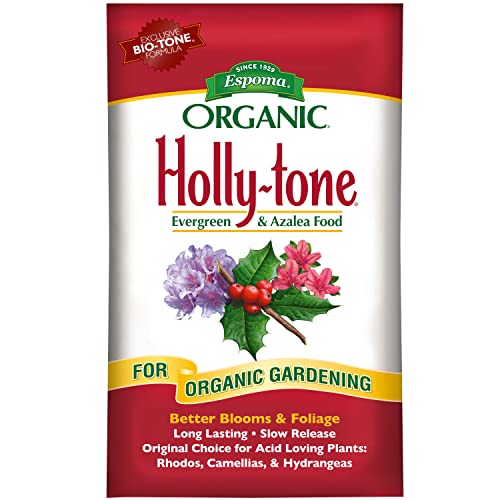
Espoma Holly-Tone 4-3-4 Organic Plant Food 36 lb.

GARDENWISE 8-4-8 Acidic Fertilizer 12 oz
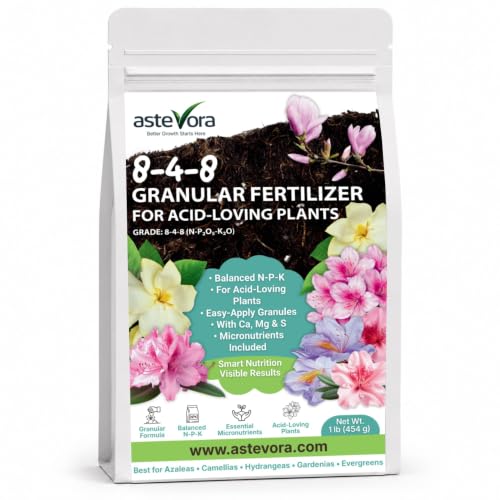
GARDENWISE 8-4-8 Acidic Fertilizer 1/2 Quart

Earth Science Fast Acting Sulfur Granules 5 lb

FloraLife Fresh-Cut Flower Food 25 Packets

Espoma Holly-Tone 4-3-4 Plant Food 4 lb (Pack of 2)
Espoma Holly-Tone 4-3-4 Organic Plant Food 4 lb

Miracle-Gro Water Soluble Azalea Plant Food 5 lb
More On The Choices That Made The List
The 36-pound bag of Espoma Holly-Tone is the kind of stockpile a homeowner with a long hedge of blue mopheads tends to keep on hand. A natural 4-3-4 N-P-K ratio (nitrogen, phosphorus, potassium, the three numbers that govern leafy growth, root strength, and bloom support) feeds shrubs steadily rather than pushing a flush of soft new growth that wilts by August. Compared with the small bags higher on this list, this one is built for season-long coverage across multiple planting beds.
You sprinkle it along the dripline (the outer edge of the plant’s leafy canopy, where feeder roots do most of their work), scratch it into the top inch of soil, and water it in. Espoma’s Bio-tone additive introduces beneficial microbes, the microscopic soil helpers that slowly convert organic matter into plant-available nutrients.
The Value In It
- Organic 4-3-4 formula suits all acid-loving shrubs, including hydrangeas, azaleas, and rhododendrons.
- Bio-tone microbes support a slow, steady nutrient release over the whole growing season.
- 36-pound size covers a generous row of foundation plantings without frequent restocking.
- Granular texture spreads evenly with a hand scoop or small garden trowel.
Things To Consider
- A 36-pound bag is awkward to lift and store in a small shed or apartment balcony.
- Slow-release organics mean you’ll see gradual rather than dramatic color shifts in the first month.
Key Attributes
Built With In Mind
Established hydrangea hedges, foundation plantings, and homeowners managing a full yard of acid-loving shrubs.
Consider Something Else When
The GARDENWISE 8-4-8 Acidic Fertilizer 1/2 Quart suits you better if you live in an apartment with just a few patio pots.
The 12-ounce jar of GARDENWISE 8-4-8 is the low-commitment way to test whether a stronger acid-loving formula actually moves the needle on your blooms. The N-P-K ratio leans higher in nitrogen than Espoma’s Holly-Tone, which gives leaves a richer green color in the first few weeks of application. Iron, magnesium, and manganese round out the mineral profile, helping prevent chlorosis, the yellowing between leaf veins that signals an iron deficiency in acid-loving plants.
Because it’s a dry powder in a small jar, it fits on a city balcony shelf without dominating the storage closet. You measure a spoonful per gallon of water and drench the root zone, much like the Miracle-Gro pick later in this list.
What Pays Off
- Higher nitrogen content pushes deep green foliage early in the season.
- Iron, magnesium, and manganese work against yellow-leaf chlorosis.
- Compact 12-ounce jar fits apartment storage and small garden sheds.
- Powdered form dissolves cleanly without leaving gritty residue.
Points To Keep In Mind
- 12 ounces runs out fast if you maintain more than three or four large shrubs.
- Higher nitrogen can encourage leaf growth at the expense of flowers if overapplied.
Whose Shelf It Belongs On
Renters, condo dwellers, and beginner gardeners trying a dedicated acidic formula for the first time.
Look Elsewhere When
The Espoma Holly-Tone 4-3-4 Organic Plant Food 36 lb is the smarter pick for anyone managing a full hedge row of mature shrubs.
The half-quart liquid concentrate carries the same 8-4-8 mineral profile as the powdered version above, just in a pour-and-mix format. That makes it a faster rescue option when leaves are already showing yellowing or a plant seems stuck after a wet spring. Liquids absorb through roots within days rather than weeks, which helps during the narrow window between budding and full bloom.
You measure a small capful into a watering can, drench the root area, and repeat every couple of weeks through the growing season. The same iron, magnesium, and manganese trio works against chlorosis on azaleas and blueberries too, so one bottle covers an entire acid-loving bed.
Key Advantages
- Liquid form reaches roots within days for faster visible results.
- Half-quart bottle covers several medium-sized shrubs across a season.
- Iron-magnesium-manganese blend addresses yellow-leaf chlorosis.
- Pairs with azaleas, camellias, blueberries, and gardenias in one formula.
Practical Considerations
- Liquids require more frequent applications than granular organics.
- You need to mix fresh batches each time, so plan on a watering can nearby.
Feature Snapshot
Right Fit For
Gardeners racing the calendar to revive yellowing shrubs midseason or anyone feeding a mixed bed of acid-loving plants.
Swap It Out When
The Earth Science Fast Acting Sulfur Granules 5 lb is a better choice when the underlying problem is high soil pH rather than missing minerals.
Earth Science Fast Acting Sulfur isn’t a fertilizer in the usual sense. It’s a soil conditioner, meaning it changes the chemistry of the dirt itself rather than feeding the plant directly. Elemental sulfur reacts with naturally occurring soil bacteria to slowly lower the pH, the acidity reading that determines which nutrients become available to roots. In alkaline yards with hard water (water carrying dissolved minerals that raise soil pH over time), hydrangeas struggle to absorb iron and manganese even when those minerals are present.
The granules begin working immediately but produce their biggest pH shift over several weeks. That slow curve actually helps avoid shocking the roots, which can happen with faster chemical acidifiers.
The Case For It
- Lowers soil pH over time, unlocking iron and manganese for healthier leaves.
- Five-pound bag covers a sizable foundation bed or shrub border.
- Granular format spreads with a standard lawn spreader or by hand.
- Useful across hydrangeas, blueberries, azaleas, and rhododendrons.
Honest Caveats
- Sulfur alone won’t replace a balanced fertilizer; pair it with a regular feeding program.
- You may want to confirm pH with a simple soil test kit before adding more product.
Core Details
Who It Suits Best
Homeowners with alkaline soil, hard-water irrigation, or a yard that has resisted blue blooms for several seasons.
A Better Fit Elsewhere
The Espoma Holly-Tone 4-3-4 Organic Plant Food 4 lb covers the standard fertilizing job when soil pH is already in a friendly range.
FloraLife sits in a different lane than the rest of the list. The other products feed plants growing in soil; this one extends the vase life of cut stems once you’ve already brought them inside. Each pre-measured packet dissolves into a quart of water and gives cut hydrangeas a multi-nutrient blend that keeps stems hydrated and petals firm.
Hydrangeas are notorious for wilting within hours of being cut because their woody stems struggle to draw water up. A proper hydration packet keeps the water column moving and slows that droop noticeably. The 25-count box covers a season’s worth of arrangements for casual home use.
A Strong Showing
- Pre-measured packets remove the guesswork from mixing vase solutions.
- Multi-nutrient blend suits mixed bouquets, not just hydrangeas.
- 25-packet count covers months of regular home arrangements.
- Compact box stores easily in a drawer beside the vases.
Factors To Consider
- Hydrangeas specifically benefit from a stem re-cut and rehydration step before placing in any solution.
- Solution needs refreshing every two to three days to prevent bacterial cloudiness.
Best Suited To
Flower arrangers, hosts who entertain often, and anyone with a cutting garden who wants longer-lasting indoor blooms.
Reach For A Different Pick When
The GARDENWISE 8-4-8 Acidic Fertilizer 1/2 Quart is the right call when the goal is feeding living shrubs in the yard rather than cut stems in a vase.
Two four-pound bags of Holly-Tone give you the same formula as the 36-pound bulk pick above, but in a more manageable size. Eight pounds total still covers a full row of foundation shrubs, and you get the storage benefit of smaller bags you can tuck onto a shelf rather than wrestle across the yard. The 4-3-4 N-P-K ratio stays gentle enough to avoid the leaf-flush problem common with stronger chemical feeds.
Bio-tone microbes come along for the ride, supporting slow nutrient release that mirrors how organic matter naturally breaks down in forest soil.
Strong Points
- Two-bag format is easier to lift and store than a single 36-pound sack.
- Same trusted 4-3-4 organic formula with Bio-tone microbes.
- Eight pounds feeds roughly four to six mature shrubs per feeding cycle.
Where It May Fall Short
- Buying two bags at once means committing to the formula before testing results.
- Granular organics still need a few weeks to show their full effect.
Who Should Grab It
Multi-bed gardeners who want a buffer supply on hand without committing to the heavier 36-pound bag.
Not Your Match When
The Miracle-Gro Water Soluble Azalea Plant Food 5 lb is a smarter fit for gardeners who prefer fast-acting liquid feeding over granular application.
The single four-pound bag is the most approachable entry point into organic hydrangea feeding. You get the same Bio-tone-enriched 4-3-4 formula found in every other Espoma option on this list, just in a starter size that suits a couple of new plantings. It’s a low-pressure way to learn how granular organic feeding looks and feels before scaling up to a larger bag.
You sprinkle it around the dripline, scratch it in, water, and let the microbes do their slow, steady work over the next several weeks.
Notable Upsides
- Single four-pound bag is easy to handle and store for first-time users.
- Bio-tone microbes support gradual, even nutrient release.
- Works on azaleas, blueberries, camellias, and rhododendrons alongside hydrangeas.
Trade Offs To Consider
- You’ll likely need a second bag within one season for a hedge of mature shrubs.
- Slower visible response than water-soluble options during peak growing weeks.
Quick Facts
Made For
New gardeners, first-time hydrangea plantings, and anyone wanting to test organic feeding without buying in bulk.
Where Another Pick Suits Better
The Earth Science Fast Acting Sulfur Granules 5 lb is worth reaching for instead when your soil test shows high pH blocking nutrient uptake.
Miracle-Gro’s water-soluble powder dissolves into a watering can or hose-end feeder, which gives you the fastest visible response of anything on this list. Plants absorb the nutrients through both roots and foliage within days, a real advantage when spring growth stalls or a newly planted hydrangea needs a quick confidence boost. The formula also suits camellias, gardenias, hibiscus, hollies, and orchids.
The five-pound jar is a serious quantity, enough for a full season of biweekly feedings across several large shrubs. Just keep in mind that water-soluble feeding is a regular commitment rather than a one-and-done seasonal task.
What Earns Its Place
- Water-soluble format reaches leaves and roots within days for fast results.
- Five-pound jar lasts a full season across multiple shrubs.
- Covers azaleas, camellias, hibiscus, gardenias, and orchids in one formula.
- Works with a standard watering can or hose-end applicator.
Some Limits To Know
- Faster-acting synthetic feeding carries a higher risk of leaf burn if overapplied.
- You’ll reapply every one to two weeks through the growing season.
Perfect Match For
Active gardeners who want fast, visible results and don’t mind sticking to a regular feeding schedule.
Skip It When
The Espoma Holly-Tone 4-3-4 Organic Plant Food 36 lb is the calmer, slow-release alternative for organic-minded gardeners.
Choosing The Right Hydrangea Food For Your Soil
Granular organic feeds like Espoma Holly-Tone release nutrients slowly through microbial activity, which suits gardeners who prefer to feed once per season and let the soil biology handle the rest. Water-soluble powders like Miracle-Gro’s azalea mix give you faster but more frequent results, which matters when shrubs need a quick recovery from transplant shock or yellowing leaves. Liquid concentrates like the GARDENWISE 8-4-8 sit between those two speeds.
For container gardeners with limited soil volume, smaller bags or jars make more sense than bulk options. In-ground foundation plantings benefit from the larger bags because the root system extends well past the visible canopy. Sulfur amendments like Earth Science’s granules only matter when a soil test confirms high pH, and they pair with regular fertilizer rather than replacing it.
If you’re cutting hydrangeas for arrangements, the FloraLife packets address a completely different problem: keeping stems hydrated in a vase rather than feeding the living plant. Treating those as separate categories prevents the common confusion between feeding the soil and feeding the bouquet.
Key Considerations Across These Picks
Mistakes Worth Dodging
Choosing a fertilizer before testing your soil leaves you guessing about pH and existing nutrient levels. A basic home test kit tells you whether sulfur amendments will actually help or whether you’re adding an unnecessary product to already-acidic dirt. Another common slip is overapplying fast-acting synthetic feeds, which can scorch leaf edges and push leafy growth at the expense of blooms.
Where The Extra Money Goes
Bulk organic bags cost more upfront than a small jar of liquid concentrate, but the per-application cost works out lower for anyone with several large shrubs. Higher-priced options often include beneficial microbes, iron, magnesium, and sulfur rather than just basic nitrogen, phosphorus, and potassium. Those added minerals address the specific deficiencies that acid-loving plants face in neutral or alkaline soils, which is why paying a bit more for a complete formula tends to outperform cheaper all-purpose alternatives.
Frequently Asked Questions
How Often Should Hydrangeas Be Fertilized?
Most hydrangeas do well with one granular feeding in early spring and a second light application in mid-summer. Water-soluble feeds typically need reapplication every one to two weeks through the active growing season.
Can One Fertilizer Feed Azaleas And Hydrangeas Together?
Yes, dedicated acid-loving formulas like Holly-Tone and the GARDENWISE 8-4-8 are designed to work across azaleas, camellias, blueberries, rhododendrons, and hydrangeas in the same bed. The shared preference for acidic, nutrient-balanced soil makes a single product a practical choice for mixed plantings.
Do Coffee Grounds Work As Hydrangea Food?
Coffee grounds add some organic matter and modest acidity but lack the balanced nitrogen, phosphorus, and potassium ratios of a complete fertilizer. Used as a supplement rather than a primary feed, they can support soil health without replacing a proper plant food.
When Should I Stop Fertilizing In The Season?
Late summer is generally the cutoff, because feeding too late pushes soft new growth that won’t harden off before the first frost. Stopping by mid to late August gives shrubs time to settle into dormancy.
Is Sulfur Necessary For Blue Blooms?
Sulfur helps maintain acidic soil, which is what keeps aluminum available to roots for producing true blue flowers. Without enough acidity, even a perfectly balanced fertilizer won’t shift bloom color from pink to blue.
Wrap Up
Start by testing your soil so you know whether pH adjustment or straightforward feeding is the real priority. Match the formula’s speed to your patience, slow-release organics for set-and-forget care, liquids for fast visible results. And if you’re cutting blooms for the table, keep a separate product on hand for vase life. That combination tends to deliver the deepest color and the longest-lasting shrubs through the season.
