

Gardening in Zone 5 means dealing with winter lows that drop well below freezing, and most flowering shrubs feel the chill. Hydrangeas are a special case, because some species bloom on old wood (stems that survived last winter) while others flower on new wood (fresh growth this season). That single distinction shapes what will actually thrive in your yard. This roundup pulls together seed packets for the patient gardener and live shrubs for anyone wanting faster visual payoff, all with the cold tolerance Zone 5 demands.
How The Shortlist Stacks Up

60+ Mixed Color Hydrangea Seeds, Giant Snowball Shrub

35 Mixed Color Hydrangea Seeds, Blue Pink Purple

Southern Living Heart Throb Hydrangea Shrub 2 Gallon

Endless Summer BloomStruck Bigleaf Hydrangea 3 Gallon

Brighter Blooms Annabelle Hydrangea Shrub 1 Quart
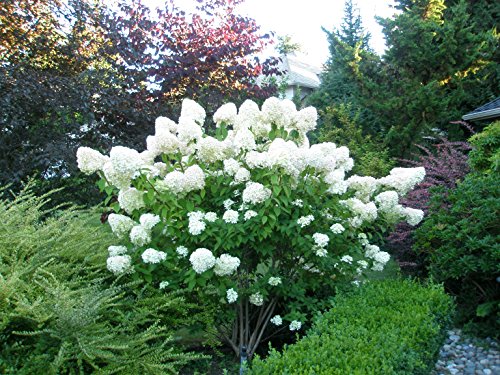
DAS Farms Limelight Hydrangea Paniculata 2 Feet Tall

Green Promise Farms Alice Oakleaf Hydrangea #3 Container

Perfect Plants Limelight Hydrangea 1 Gallon
The Strengths Of Each Pick
Starting hydrangeas from seed is a slow road, and this packet gives you the budget room to experiment without much skin in the game. The Ficoszo mix is built around Hydrangea macrophylla, the classic mophead type, so you can expect rounded bloom clusters in blue, pink, purple, or white depending on the soil pH (a measure of soil acidity, where lower numbers mean more acidic and higher numbers more alkaline).
For Zone 5 gardeners, the value here is mostly about volume and curiosity. You get well over sixty seeds, plenty to start trays indoors under grow lights and transplant after the last frost. Compared to the live shrubs later in this list, you’ll wait a season or two longer for blooms, but the per-plant cost lands in pennies.
The Helpful Details
- Packet count exceeds sixty seeds, giving you margin for thinning weak seedlings
- Mixed color genetics let you discover pH-driven color shifts firsthand
- Compact plant size makes seedlings workable on a windowsill or small shelf
- Seed route costs a fraction of mature nursery shrubs for the same genetic variety
Things To Consider
- Hydrangea macrophylla typically blooms on old wood, so harsh Zone 5 winters can zap flower buds and reduce first-year blooming
- Seed-grown hydrangeas take two to three seasons to flower reliably, longer than any shrub on this list
- Seedlings need indoor starting months before transplant, which adds gear and attention
Best Suited To
Garden hobbyists who enjoy the journey from seed to bloom and have the patience to wait through multiple seasons in Zone 5.
Consider Something Else When
Grab the Brighter Blooms Annabelle Hydrangea Shrub 1 Quart instead, since you want a finished, blooming shrub the same season you plant it.
The NYGardenia packet narrows the focus to three colors right in the name, blue, pink, and purple, all classic mophead tones. That kind of explicit color targeting takes some of the guesswork out of seed selection for first-timers, since you’ll know roughly what shades to expect even before soil pH does its work.
Compared to the larger Ficoszo packet, this one trades raw numbers for a clearer color story. You’ll get fewer seeds, but the labeled palette feels easier to plan around, especially for a small front border where you want a coordinated look. For Zone 5, the same old-wood caveat applies, so think of these as long-game shrubs rather than quick gratification.
The Practical Payoff
- Pre-labeled color mix of blue, pink, and purple simplifies garden planning
- Smaller count keeps the price approachable for casual starter projects
- Non-GMO labeling gives peace of mind if you grow alongside food crops
- Deciduous perennial habit means plants return each year once established
Points To Note
- Seed-grown macrophylla types in Zone 5 face bud dieback after harsh winters
- Color is still partly dictated by your soil pH, so pink and purple can blur together depending on local conditions
- Thirty-five seeds leaves thinner margin if germination runs lower than expected
Quick Facts
Made For
Beginner seed-starters in Zone 5 who want a defined color palette without committing to dozens of seedlings they cannot house.
Look Elsewhere When
Pick the DAS Farms Limelight Hydrangea Paniculata 2 Feet Tall if you’d rather skip the seedling stage and start with a panicle type that blooms on new wood through Zone 3 winters.
Heart Throb is a dwarf hydrangea with a mature size of about three feet tall and wide, which makes it a refreshing change of pace in a category full of bulky six-foot shrubs. The blooms lean cherry red with subtle green marbling, and they keep coming from summer into early fall. That dwarf habit is genuinely useful for foundation plantings and patio containers where a full-size mophead would overwhelm the space.
For Zone 5 shoppers, the headline feature is “no pruning required,” which removes one of the trickier maintenance steps from the hydrangea care list. Unlike the seed packets above, you get a finished two-gallon plant ready to drop into a prepared hole. The dwarf size does mean less overall bloom mass than a classic five-foot macrophylla, but the trade-off is a tidier footprint.
Key Advantages
- Dwarf mature size around 3 ft suits containers and tight foundation beds
- Cherry-red flower clusters bring a warmer color note than typical blue or pink mopheads
- No pruning requirement simplifies yearly maintenance for newer gardeners
- Two-gallon nursery size gives you a substantial head start over seed-grown plants
Trade Offs
- Heart Throb blooms on old wood, so Zone 5 winter bud loss can mean sparse flowering after tough seasons
- Dwarf habit means fewer stems and less total bloom volume than taller mopheads
- Two-gallon pots weigh meaningfully, plan for a helper on planting day
Right Fit For
Zone 5 gardeners working with limited space, patio containers, or low-hedge designs who want a tidy, low-maintenance mophead with warm-toned blooms.
A Better Fit Elsewhere
Choose the Endless Summer BloomStruck Bigleaf Hydrangea 3 Gallon if you want larger overall plant mass and reblooming flowers on both old and new wood for more reliable flowering in cold climates.
BloomStruck sits inside the Endless Summer family, which is famous for hydrangeas that flower on both old and new wood. That dual-wood habit is exactly what cold-climate shrub shoppers want, because even if a Zone 5 winter knocks back last year’s stems, the plant can still set buds on the fresh growth it pushes in spring.
You get a three-gallon nursery pot, so the plant arrives with a real head start compared to seed packets. Mophead blooms range from rose-pink through violet to blue-purple, all driven by soil pH. One practical note: the seller lists shipping restrictions for several western states, so double-check your location before ordering.
Where It Helps
- Reblooms on both old and new wood, reducing risk of bloom loss after harsh Zone 5 winters
- Mophead color shifts from pink to violet to blue depending on soil pH, giving you palette flexibility
- Three-gallon nursery size offers substantial above-ground growth the first season
- Hardy across USDA zones 4 through 9, which gives margin for microclimate variation
Points To Keep In Mind
- Shipping restrictions exclude several western states, which limits availability
- Three-gallon plants are heavy and need a sizeable planting hole with amended soil
- Color control requires active soil pH management with amendments like sulfur or lime
Feature Snapshot
Who It Suits Best
Zone 5 gardeners who want a sizeable, reblooming mophead and don’t mind doing some soil pH tweaking to fine-tune bloom color.
Skip It When
The Brighter Blooms Annabelle Hydrangea Shrub 1 Quart is the better call, since you prefer a smooth hydrangea type with creamy white snowball blooms and no pH drama.
Annabelle is the smooth hydrangea (Hydrangea arborescens), which behaves differently from the macrophylla types in picks 1 through 4. Instead of color-shifting mopheads, you get big, rounded white flower heads that open pale green and mature to snowy white. The plant blooms on new wood, so even a brutal Zone 5 winter cannot stop it from flowering on the growth it produces that same year.
The one-quart pot size is the smallest live shrub on this list, so it ships lighter and costs less than the two- and three-gallon options. That small footprint is helpful for first-time planters still figuring out spacing. For Zone 5 buyers new to hydrangeas, Annabelle is often the path of least resistance.
Useful Touches
- Blooms on new wood, so Zone 5 winter dieback does not eliminate flowering
- White snowball-style blooms create a clean, neutral backdrop in mixed borders
- One-quart container ships lighter and costs less than larger nursery pots
- Shade tolerance makes it workable along north-facing foundations
Worth Noting
- Smaller starter size means the first-year bloom show is modest compared to bigger pots
- Stems can flop under heavy rain when blooms are fully saturated, sometimes requiring staking
- No color-shifting means less palette variety than the macrophylla picks above
Perfect Match For
First-time Zone 5 hydrangea planters who want a forgiving, white-blooming shrub that flowers reliably without soil pH management.
Another Choice May Suit
Pick the Green Promise Farms Alice Oakleaf Hydrangea #3 Container for a larger native plant with cone-shaped white blooms and pollinator appeal.
Panicle hydrangeas (Hydrangea paniculata) are the cold-climate champions of the genus, and Limelight is one of the most recognizable cultivars. Hardy down to USDA Zone 3, it pushes well past Zone 5 territory with room to spare. The cone-shaped flower clusters start creamy green, mature to white, and often blush pink as autumn cools down.
Compared to the Heart Throb and BloomStruck picks above, this one ships at roughly two feet tall, so it lands in the middle of the size range for live shrubs here. The blooms sit on new wood, which sidesteps the bud-loss problem that trips up macrophylla types in cold winters. Morning sun with afternoon shade is the suggested sweet spot.
Where It Delivers
- Hardy from Zone 3 through Zone 8, so Zone 5 sits comfortably inside its range
- Panicle blooms open green, age to white, and finish pink, giving you a multi-stage color display
- Flowers form on new wood, so winter dieback does not cancel the season’s show
- Cone-shaped bloom clusters are sturdier in rain than mophead types
Soft Spots
- Mature shrubs reach six to eight feet tall, which can overpower small foundation beds
- California orders ship bare root to meet state regulations, arriving without soil around the roots
- Deciduous habit means bare stems through winter, with no foliage interest until late spring
Key Product Details
Who Should Grab It
Zone 5 gardeners in exposed or windy sites who need a tough, cone-flowering shrub that handles deep cold without losing the year’s buds.
Not Your Match When
The Southern Living Heart Throb Hydrangea Shrub 2 Gallon fits better, since you want a compact dwarf shrub for a patio container rather than a six-foot landscape specimen.
The Alice oakleaf hydrangea brings a different leaf shape to the table, with deeply lobed, oak-like foliage that turns bronze and burgundy in fall. The flower clusters are tall cones of small white blooms that appear in early August, and they pull in native pollinators, which gives this pick real value for wildlife-focused gardens. Cinnamon-colored exfoliating bark (bark that peels back in thin layers, revealing warmer tones underneath) is the winter bonus once the leaves drop.
The plant arrives in a #3 size container, the largest nursery pot on this list, fully rooted and ready to plant. At maturity, expect six to eight feet tall and wide, so plan space accordingly. For Zone 5 gardens, oakleaf hydrangeas handle cold better than most macrophylla types, and they bloom on old wood, though established plants usually push through Zone 5 winters fine.
Notable Upsides
- Native North American species supports local pollinator populations
- Multi-season interest with summer flowers, fall foliage color, and winter bark
- Largest container size on this list, giving the most immediate garden presence
- Tolerates Zone 5 once established, with a mature form that suits larger properties
Honest Caveats
- Mature size of six to eight feet demands meaningful garden real estate
- Oakleaf hydrangeas bloom on old wood, so late-spring frosts can damage flower buds in colder pockets
- #3 container plants are heavy and need a sizeable planting hole
Technical Highlights
Built With In Mind
Zone 5 gardeners with room to spare who want a native shrub supporting pollinators and offering fall foliage plus winter bark texture.
Swap It Out When
The DAS Farms Limelight Hydrangea Paniculata 2 Feet Tall is the better match, since you need a shrub that handles Zone 5 reliably without risking old-wood bud loss.
Same beloved Limelight cultivar as pick 6, but in a one-gallon starter pot from Perfect Plants. The smaller container makes this version easier to ship and friendlier on the planting budget, with the trade-off of a smaller plant at arrival. You still get the same panicle hydrangea genetics, meaning Zone 3-to-8 hardiness and that signature lime-to-cream-to-pink bloom progression.
For Zone 5 gardeners comparing this against the DAS Farms two-foot version, the choice comes down to how much you want to spend versus how big a plant you want on day one. The smaller pot means a tighter root ball and less immediate impact, but the eventual mature shrub behaves identically.
Benefits That Matter
- One-gallon pot keeps shipping weight and price lower than larger Limelight picks
- Same cultivar genetics as the two-foot DAS Farms option, with identical cold hardiness
- Panicle hydrangea blooms on new wood, sidestepping Zone 5 winter bud dieback
- Cream-to-pink fall color shift extends the seasonal display
Room For Improvement
- Smaller starter size means a longer wait for substantial first-season blooms
- Still reaches six to eight feet tall at maturity, so space planning applies the same way
- Deciduous habit leaves bare stems visible through winter
Whose Shelf It Belongs On
Zone 5 gardeners who want the Limelight cultivar at a more accessible price point and don’t mind waiting an extra season for full-size impact.
Reach For A Different Pick When
Pick the Endless Summer BloomStruck Bigleaf Hydrangea 3 Gallon if you’d rather have a mophead with reblooming ability on both old and new wood.
What To Weigh Before Planting Hydrangeas In Zone 5
Old Wood Versus New Wood Blooming
The single biggest factor is whether the shrub blooms on old wood (last year’s stems) or new wood (this year’s growth). Macrophylla types, including Heart Throb and BloomStruck, primarily set buds on old wood, which means a rough Zone 5 winter can wipe out the season’s flowers. Panicle and smooth hydrangeas bloom on new wood, which is why Limelight and Annabelle are popular cold-climate choices. BloomStruck is the rare macrophylla that reblooms on new wood too, adding insurance.
Mature Size And Garden Space
Hydrangeas range from three-foot dwarfs like Heart Throb to six-to-eight-foot specimens like Alice and Limelight. Smaller shrubs work for foundation plantings and patio containers, while larger types belong at the back of a border or as standalone specimens. Choosing the wrong scale means constant pruning or a plant that swallows its neighbors.
Color Goals And Soil Chemistry
Mophead and lacecap hydrangeas (macrophylla types) shift bloom color based on soil pH, with acidic soil producing blue flowers and alkaline soil producing pink. That chemistry experiment appeals to hands-on gardeners but adds a maintenance step. Panicle and oakleaf types, including Limelight and Alice, hold their own color regardless of pH, which simplifies care.
Starting Point: Seed, Quart, Or Gallon
Seed packets cost less but demand years of patience and indoor setup. One-quart pots ship light and price low, with modest first-year growth. Two- and three-gallon and #3 containers arrive closer to garden-ready and bloom sooner, which matters when you want impact this season.
Smart Notes On This Shortlist
Pitfalls Shoppers Hit
A common mistake is choosing a Zone 6 or 7 hydrangea without checking the hardiness map, then watching it struggle after a Zone 5 winter. Match the zone range to your USDA zone, not just your neighboring town’s climate. Another trap is buying a macrophylla for its famous blue color and assuming it will stay blue without acidic soil amendments.
When Paying More Pays Off
Larger nursery containers, the two-gallon, three-gallon, and #3 picks above, cost more but save you one or two growing seasons of waiting. For Zone 5 gardeners wanting fast visual impact, the upgrade to a bigger pot usually earns back its higher price in faster bloom mass and stronger root systems going into the first winter.
