

Hydroponics asks more of a nutrient bottle than a soil garden ever could. With no soil buffering, every drop lands directly on the root zone, so the wrong ratio shows up fast as tip burn, yellowing, or stalled growth. The right liquid fertilizer keeps leafy greens crisp, feeds fruiting crops steadily, and gives new cuttings a fighting chance without burning delicate roots.
You don’t need a chemistry degree to feed a system well, but you do need a formula matched to your setup. Below are eight liquid options covering everything from AeroGarden countertop kits to serious reservoir grows and propagation stations.
An Overview Of The Picks

VIVOSUN Liquid Nutrients Base A & B Bundle

Southside Plants Root Drops Liquid Rooting Hormone

Tigvio 1000ml Hydroponic Nutrients A&B
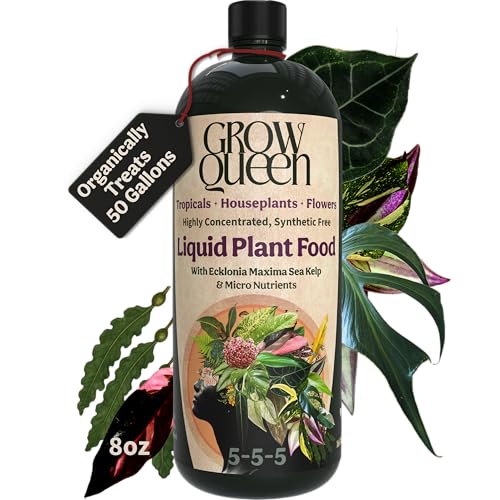
Grow Queen Organic Liquid Indoor Plant Food 5-5-5

HiThrive Aeroponics & Hydroponic Fertilizer 4-3-6, 32oz
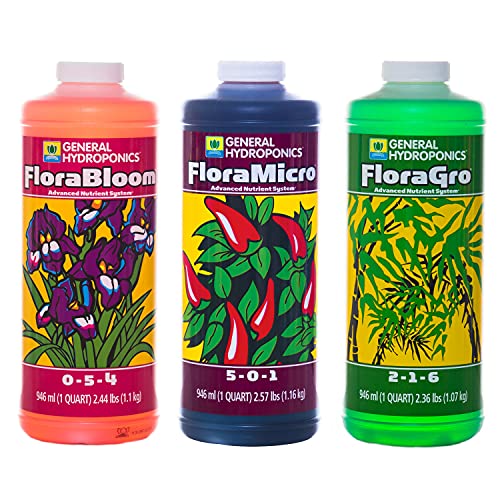
General Hydroponics FloraSeries Trial Pack, 1 qt

ALIINKD Hydroponic Plant Food A&B Nutrients 1000ml

Farmer’s Secret Hydroponic Booster 4-11-8, 8oz
Inside Each Recommended Option
This two-part set is the dependable backbone many first-time growers reach for, and it works across everything from a small DWC bucket to a multi-site drip system. NPK stands for Nitrogen, Phosphorus, and Potassium, the three macronutrients plants pull in largest volume. The Base A and Base B design keeps calcium and sulfates in separate bottles until the moment you mix them, which prevents the nutrient lockout that plagues cheaper all-in-one liquids.
For most backyards and garage setups, the 32oz pair covers a full vegetative-to-flower run on a single reservoir without constant top-ups. You can dial the dose up or down as EC rises (EC, or electrical conductivity, measures how concentrated the dissolved salts are in your feed water).
Where It Delivers
- Two-part separation prevents calcium lockout, a common failure in mixed-bottle fertilizers
- Covers macro and micronutrient needs from seedling through late flower
- Compatible with most recirculating and drain-to-waste systems
- Concentrated formula keeps the bottles small enough to store on a shelf
Things To Consider
- Requires measuring both bottles separately, so a beginner may mis-dose early on
- Shake each bottle well before pouring, as settling is commonly reported
Who It Suits Best
Intermediate growers running a dedicated reservoir who want a single brand from clone to harvest.
Where Another Pick Suits Better
AeroGarden countertop owners get a cleaner fit with the Tigvio 1000ml set, since Tigvio is marketed directly for that hardware.
Propagation is where most houseplant collections double, and a liquid rooting hormone makes the difference between a cutting that sulks for three weeks and one that pushes white roots in ten days. IBA (Indole-3-Butyric Acid) is a synthetic rooting hormone that mimics the plant’s own auxin signal, telling stem cells to turn into roots rather than leaves. This dropper bottle leans on a 0.025% IBA concentration along with added vitamins.
The format matters here: drops mix into plain water, into soil drenches, or into Leca (lightweight expanded clay aggregate) and sphagnum setups. That flexibility makes it useful for anyone running a mixed propagation station rather than a single-method tray.
The Helpful Details
- Liquid form coats the stem more evenly than powder hormones, which can clump
- Works across water, soil, Leca, and moss, so you don’t need a separate product per medium
- Dropper bottle lets you dose single cuttings without wasting product
- Targets popular aroids like pothos, monstera, and philodendron directly
Points To Note
- You may find success varies by species, since woody stems often need a stronger concentration than herbaceous cuttings
- Not a nutrient source, so cuttings still need a mild feed once roots form
Made For
Houseplant hobbyists building a propagation shelf and anyone multiplying their collection from cuttings.
Consider Something Else When
Vegetative feeding for a full reservoir is better handled by the VIVOSUN Base A & B pair, which carries nutrients rather than rooting hormones.
Countertop AeroGarden-style machines have their own quirks: small reservoirs, frequent fill cycles, and pump heads that clog if sediment builds up. The Tigvio kit is built around that reality, pairing two 500ml bottles with measuring cups for repeatable dosing.
It’s billed as compatible with AeroGarden hardware specifically, but the A/B nutrient ratio follows the same two-part logic that works in any small hydroponic system. For most kitchens, a 1000ml combined supply keeps an AeroGarden running for several grow cycles before reorder time.
Useful Highlights
- A/B separation protects calcium from precipitating in the concentrate
- Included measuring cups reduce guesswork for first-time growers
- Compact bottle footprint stores easily in a kitchen cabinet
- Designed for the small reservoir cycles common in countertop units
Worth Noting
- Mixing both parts into the same cup at once causes nutrient lockout, a step beginners sometimes miss
- The 1000ml total runs out faster than larger kits in multi-pod systems
Best Suited To
Apartment dwellers and renters running a countertop herb garden who want a kit that matches their scale.
Skip It When
Larger reservoir growers get more value from the ALIINKD 1000ml multi-pack, which ships additional A&B bottles for longer coverage.
The 5-5-5 ratio means five percent each of nitrogen, phosphorus, and potassium by weight, a perfectly even split suited to steady maintenance feeding rather than pushing aggressive vegetative or bloom growth. Sea kelp adds trace minerals and natural hormones that help foliage stay glossy through low-light winter months.
For most living rooms, the 8oz bottle dilutes into roughly 50 gallons of feed water, which lasts a small houseplant collection many months. The organic labeling also makes it a sensible pick for homes with curious pets or small children around potted plants.
What Makes Sense
- Balanced 5-5-5 ratio suits routine feeding without burn risk
- Sea kelp contributes micronutrients that synthetic feeds often skip
- Mild enough for daily or weekly use on tropicals and foliage plants
- One 8oz bottle treats roughly 50 gallons of mixed feed
Trade Offs
- Lower NPK strength than synthetic two-parts, so fruiting crops may underperform
- Organic ingredients can leave a faint odor in standing feed water
Who Will Love This
Indoor plant parents tending monsteras, philodendrons, and pothos who want gentle, organic-leaning feeding.
A Better Fit Elsewhere
Hydroponic reservoir growers chasing yield will want the HiThrive 4-3-6 instead, since that formula is built for hydroponic delivery, not potted soil.
A 4-3-6 ratio carries more potassium than nitrogen or phosphorus, which is the macronutrient fruit-bearing plants demand once they start setting flowers. Aeroponic and high-frequency hydroponic systems are particularly hungry because roots never sit in a buffered medium, so a single-bottle formula saves time on mixing.
The 32oz bottle feeds a typical hydroponic reservoir for up to 96 feedings at the standard dilution, which works out to months of operation in a home setup.
What Earns Its Place
- Single-bottle convenience skips the two-part measuring dance
- Potassium-leaning ratio supports fruiting and flowering stages
- Includes essential micronutrients alongside the NPK core
- Designed specifically for aeroponic and high-frequency drip systems
Room For Improvement
- Single-bottle formulas can leave calcium out, which may show up as blossom-end issues on heavy feeders
- Less customizable than three-part systems like the General Hydroponics FloraSeries
The Right Fit
Growers running aeroponic towers or NFT (nutrient film technique) channels who want a single feed bottle tuned for fruiting crops.
Reach For A Different Pick When
Vegetable growers wanting to tweak each stage separately get more control from the General Hydroponics FloraSeries Trial Pack.
Key Specs
The FloraSeries has been around long enough that an entire generation of hobbyists learned hydroponics on it. The trial pack pairs FloraMicro (nitrogen, calcium, and chelated trace elements), FloraGro (nitrogen-heavy vegetative support), and FloraBloom (phosphorus and potassium for flowering) so you can adjust ratios by growth stage rather than locking into a fixed feed chart.
For most small reservoirs, the 1qt bottles cover a full season’s worth of mixed crops, from leafy greens to peppers. The three-bottle approach is overkill for a single herb jar but pays off fast when you’re juggling multiple species at once.
Where It Excels
- Three-bottle system lets you adjust ratios independently per growth stage
- FloraMicro handles nitrogen and calcium without lockout risk
- Compatible with virtually any hydroponic system and most soil gardens
- Trusted brand with extensive community documentation
A Few Limitations
- Measuring three bottles every feed adds a learning curve for newcomers
- Glass bottles are heavier than plastic and need careful storage
Whose Shelf It Belongs On
Curious growers who want to learn feeding by adjusting ratios rather than buying pre-blended bottles.
Another Choice May Suit
Anyone wanting a single-bottle pour-and-go routine is better off with the HiThrive 4-3-6, which needs no stage-specific adjustments.
This kit lands in an unusual spot: two primary A&B bottles plus an eight-pack of refill concentrates, totaling 1000ml of working supply. For most indoor grows that aren’t quite AeroGarden-sized but bigger than a single jar, the multi-bottle format keeps feed cycles uninterrupted.
The two-part chemistry follows the same logic as the Tigvio and VIVOSUN options, separating calcium from sulfates and phosphates until the moment of mixing. That chemistry protects roots from the salt crashes that plague cheaper all-in-one liquids.
The Practical Payoff
- Bulk pack format reduces reorder frequency for active growers
- A/B separation prevents calcium lockout common in single-bottle feeds
- Compatible with most countertop and mid-size hydroponic systems
- Micronutrient inclusion supports leafy and fruiting crops alike
Minor Gripes
- Refill concentrate bottles can clutter a small growing area
- Less recognized brand than General Hydroponics, so community support is thinner
Perfect Match For
Mid-size indoor growers who rotate through multiple reservoir fills per month and want fewer reorders.
Look Elsewhere When
Single-system owners with one small jar will leave most of the refill bottles sitting untouched and should pick the smaller Tigvio 1000ml instead.
Feature Snapshot
The 4-11-8 ratio leans heavily into phosphorus, the macronutrient plants demand for root development, flower initiation, and fruit set. That’s a sharp contrast to the vegetative-leaning ratios found in most general feeds, and it positions this bottle as a bloom booster rather than a daily driver.
For most setups, the 8oz bottle lasts a long time because the dilution ratio is steep: roughly one teaspoon per gallon of reservoir water. Weekly applications through the flowering phase are enough to push fruit and flower production without forcing you to reorder monthly.
Points In Its Favor
- High-phosphorus ratio directly supports flowering and fruiting stages
- Super-concentrated formula keeps the bottle small and shelf-stable
- Drops into any hydroponic or aeroponic reservoir weekly
- One teaspoon per gallon dilution makes accidental overfeeding harder
Softer Spots
- Not a complete feed on its own, so it pairs with a base nutrient like VIVOSUN A&B
- Can throw off reservoir balance if used during vegetative growth
Built With In Mind
Yield-focused growers running herbs, veggies, and fruiting crops who already have a base nutrient and want a bloom-phase addition.
Not Your Match When
First-time growers wanting a single bottle for everything should start with the HiThrive 4-3-6, which covers vegetative through bloom without a second product.
Matching Liquid Feeds To Your Setup
The first decision is system type, because nutrient demand varies wildly between setups. A countertop AeroGarden cycles its small reservoir every few weeks, while an NFT channel or aeroponic tower runs 24/7 and consumes nutrients much faster. Match the bottle size to your refill rhythm rather than chasing the largest jug.
Next comes the ratio question. Balanced 5-5-5 formulas suit mixed houseplants, while phosphorus-leaning 4-11-8 or potassium-leaning 4-3-6 ratios push fruiting crops harder. Two-part A&B systems prevent calcium lockout, a common failure mode in single-bottle blends, but require measuring discipline.
Finally, consider whether you need a complete feed or a booster. Beginner setups benefit from a single complete formula like HiThrive 4-3-6 or VIVOSUN A&B. Experienced growers often combine a base nutrient with a bloom-phase booster like Farmer’s Secret 4-11-8 for finer control over each stage.
Key Factors That Drive Healthy Hydroponic Feeding
Reservoir Volume And Refill Cadence
Small reservoirs under two gallons need concentrated feeds to avoid constant mixing. Larger systems reward two-part A&B kits because they deliver consistent EC across weeks between changes. For most home growers, EC between 1.0 and 2.0 mS/cm covers leafy greens through fruiting crops without salt buildup.
Ratio Choice By Crop Type
Leafy greens thrive on nitrogen-leaning feeds during vegetative growth, then shift to balanced formulas once they’re harvest-ready. Fruiting crops like tomatoes and peppers demand extra potassium and phosphorus as flowers set, which is where 4-3-6 and 4-11-8 formulas earn their keep. Herbs sit in the middle and tolerate balanced ratios from start to finish.
Before You Click Add To Cart
Pitfalls Shoppers Hit
The most common mistake is buying a single all-purpose bottle and assuming it covers bloom, expecting the same nitrogen-heavy formula to push flowers. Crops change their appetite as they mature, so a single ratio rarely fits a full life cycle. Another trap is mixing A and B concentrates in the same undiluted cup, which causes calcium and sulfate to react and lockout before they ever reach the reservoir. Always dilute A into the water first, then add B separately.
Where The Extra Money Goes
Higher-tier liquid feeds often include chelated micronutrients, which are minerals bound to organic molecules that stay plant-available across a wider pH range. Premium picks also tend to use pharmaceutical-grade salts with fewer impurities, so residue in reservoirs stays minimal. The upgrade pays off when you’re running expensive crops or sensitive species, but a mid-range two-part kit handles most hobby grows without complaint.
Frequently Asked Questions
How often should liquid nutrients be added to a hydroponic reservoir?
Most reservoirs need a full nutrient change every 7 to 14 days, with top-up doses of plain water between changes to compensate for evaporation and uptake. Adding nutrients without changing the water causes salt buildup, which burns roots and locks out further feeding.
Can I use the same fertilizer for vegetables and houseplants?
Yes, balanced formulas like 5-5-5 work across both, but fruiting vegetables produce more when given a phosphorus and potassium boost during flowering. Houseplants in soil usually tolerate hydroponic feeds at half-strength, since they have less root mass to absorb full doses.
Do hydroponic nutrients expire?
Most liquid concentrates stay viable for two to three years if stored sealed in a cool, dark place. Once opened, exposure to air slowly degrades chelated iron and vitamins, so older opened bottles may need shaking before each use to redistribute settled minerals.
Is a single-bottle formula as good as a two-part A&B system?
Single-bottle formulas are more convenient but typically exclude calcium, since calcium reacts with sulfates and phosphates in concentrated form. Two-part systems solve this by keeping calcium separate, giving plants a more complete mineral profile.
How do I know my nutrient concentration is correct?
An EC meter measures dissolved salts and tells you whether your feed is too weak or too concentrated. Most crops do well between 1.0 and 2.0 mS/cm, with leafy greens at the lower end and fruiting crops at the higher end.
Closing Thoughts
The right hydro fertilizer lines up with your system size, your crops, and your willingness to measure. Beginners get far with a balanced two-part kit like VIVOSUN, while yield-focused growers often layer a bloom booster on top of a base feed. Start with your reservoir’s scale, pick a ratio that matches your plants, and adjust from there.
