

Healthy plants start with the right dirt beneath them, yet the cost of specialty mixes climbs fast when you’re repotting houseplants, starting seedlings, or filling raised beds. You don’t need to spend a fortune to give roots the air, drainage, and steady moisture they crave. The eight picks below cover everyday indoor pots, seed-starting trays, container veggie gardens, and big weekend projects, all without stretching the budget. Each one earns its place for a specific use case, so the right match depends less on the brand on the bag and more on what’s actually getting planted. Skip the filler ingredients and focus on what your particular plants need; the right inexpensive mix is the one that suits your containers, your watering habits, and the crops you care about most.
The Picks In Brief

Miracle-Gro Organic Indoor Potting Mix, 16 qt.
Doter Houseplant Potting Mix 1 qt
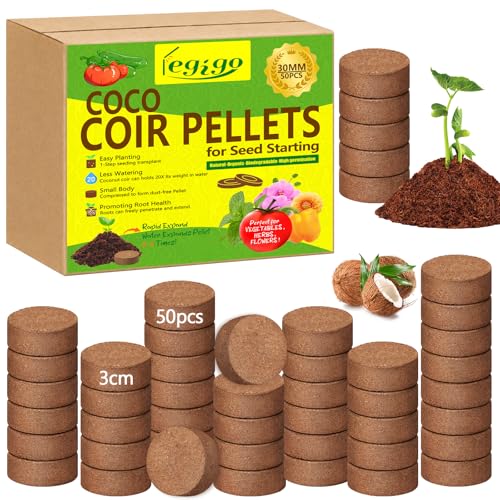
Legigo 50 Pc Coco Coir Pellets

Doter Organic Potting Soil Mix 1 qt

Coast of Maine Tomatoes & Veggies 20 qt

Omitgoter Organic Potting Soil 1 qt

Michigan Peat Garden Magic 40 lb

Miracle-Gro Organic Indoor Mix 8 qt 2-Pack
Meet The Standout Selections
Built for the steady rhythm of an indoor jungle, the 16-quart Miracle-Gro Organic Indoor Potting Mix is the kind of bag that quietly handles most of what a windowsill collection throws at it. Sphagnum peat moss (a moisture-absorbing moss harvested from bogs) and coconut coir (a fibrous byproduct of coconut husks that holds water while staying airy) do the heavy lifting, balancing the soggy-bottom risk that plagues overwatered pothos and the dry-out problem that punishes forgetful plant parents. A quick-start natural fertilizer gives transplants something to chew on right away, so repotted specimens don’t stall while they re-establish roots.
For anyone juggling a mix of leafy tropicals and a few succulents, this blend’s middle-of-the-road moisture profile tends to suit the majority of common houseplants without needing constant amendment.
The Value In It
- Coarse coconut coir keeps the mix airy, helping roots avoid compaction in standard 6- to 10-inch pots.
- Sphagnum peat moss buffers watering mistakes, holding onto moisture during dry spells and releasing it when you soak the pot.
- Built-in organic fertilizer feeds transplants for the first several weeks, easing the repotting transition.
- The 16-quart size covers roughly four to six medium re-pots, so a single bag stretches through a seasonal refresh.
- Formulated to protect against both over- and under-watering, a genuine relief for inconsistent schedulers.
Points To Keep In Mind
- The included fertilizer means you’ll want to hold off on heavy feeding for the first month, which can frustrate hungry specimens.
- Bags can arrive with some moisture inside, so loosening the mix before potting helps revive any clumping.
Who Will Love This
Mid-level houseplant keepers maintaining five to twenty pots in mixed light conditions get the most from this forgiving, all-rounder mix.
A Better Fit Elsewhere
The Michigan Peat Garden Magic 40 lb is a smarter pick when you’re filling raised beds or doing a much larger backyard overhaul on a tight budget.
A quart goes a long way when you’re only refreshing one or two small tropicals, and the Doter Houseplant Potting Mix leans into that small-batch reality. The blend pairs peat and perlite (a heat-expanded volcanic mineral that keeps soil from compacting) with worm castings (nutrient-rich worm excrement that acts as a gentle organic fertilizer) and a pinch of lime to balance the peat’s natural acidity, which matters for calatheas, anthuriums, and other moisture-loving tropicals that hate sour substrate. Because there’s no synthetic fertilizer layered on top, you control the feeding schedule from day one.
Compared to the broader Miracle-Gro blend above, this one trades fertilizer convenience for ingredient transparency, which appeals to growers who prefer to dial in nutrients themselves.
Positive Takeaways
- Worm castings deliver slow-release nutrition without the burn risk of stronger synthetic feeds.
- Perlite content promotes sharp drainage, suiting monsteras and philodendrons prone to root rot in dense mixes.
- Compact 1-quart pouch stores neatly in a closet or under a sink, ideal for apartment dwellers with no garage space.
- The lime adjustment nudges pH (a measure of soil acidity) closer to the slightly acidic range most tropicals prefer.
Minor Gripes
- The small volume means frequent reorders once a collection expands past a handful of pots.
- The blend runs on the drier side, so plants that like consistently moist soil may need more frequent watering.
- Lacks the quick-start fertilizer that helps newly purchased nursery plants skip transplant shock.
Best Suited To
Tropical plant hobbyists who prefer amending their own feeding schedule and only need a quart at a time benefit most here.
Consider Something Else When
Seed starters working through trays of tomatoes and peppers will find the Legigo Coco Coir Pellets far more convenient for germination work.
Seed-starting season turns messy fast, especially when you’re juggling fifty cells and don’t want to haul a bag of loose medium through the kitchen. The Legigo Coco Coir Pellets solve that by compressing the soil into dry 30mm discs that expand with warm water. Each one becomes its own self-contained starter pod, so there’s no measuring, no scooping, and far less spilled coir on the countertop.
Coir’s natural tendency to hold moisture while resisting compaction gives delicate seedlings the airy root zone they need, which is why this format has become a favorite for first-time propagators.
What Stands Out
- Compact discs store flat in a drawer, a real space saver compared to bulky bagged mixes.
- Soaking activates them in minutes, removing the guesswork of pre-moistening loose soil.
- Fifty pellets cover most home gardeners’ spring seed inventory with a few to spare.
- Coir resists the mold and fungus that sometimes plague peat-based seed starts.
Trade Offs
- Plain coir carries essentially no nutrients, so seedlings need liquid feeding soon after germination.
- The 30mm size fits standard trays but tight cells may cramp vigorous roots before transplant.
Made For
First-time seed starters and anyone starting a flat of tomatoes, peppers, or annual flowers on the kitchen counter will appreciate the no-fuss setup.
Skip It When
Repotting a full-size houseplant calls for a bagged mix like the Miracle-Gro Organic Indoor Potting Mix instead.
When one container holds basil, another holds marigolds, and a third holds patio tomatoes, a single mix that handles all three saves trips to the garden center. The Doter Organic Potting Soil Mix builds on the same peat, perlite, and worm castings foundation as its houseplant sibling, then adds coconut coir to boost water retention for vegetables that hate drying out mid-summer. The result is a versatile blend that plays nicely across indoor windowsills and outdoor pots alike.
That flexibility, paired with the small 1-quart size, makes it a strong fit for apartment dwellers running a mixed kitchen garden and a few flower boxes from the same bag.
Useful Touches
- All-natural ingredient list appeals to growers avoiding synthetic additives on edible herbs and veggies.
- Coir’s moisture-buffering helps balcony tomatoes through hot afternoons when pots dry out fast.
- Perlite keeps the texture loose enough for herbs like rosemary that hate wet feet.
- Compact packaging fits easily in a stroller basket or reusable grocery bag for the trip home.
A Few Limitations
- No built-in fertilizer means new transplants need an organic feed from the start.
- The 1-quart volume runs thin for a multi-pot patio project; expect to order multiple bags.
The Right Fit
Mixed-container gardeners balancing edibles and ornamentals in tight spaces get the most mileage from this small, flexible bag.
Look Elsewhere When
Refilling large outdoor beds points you toward the bulk value of the Michigan Peat Garden Magic 40 lb instead.
Vegetable gardens ask more of their soil than a windowsill pothos ever will, and the Coast of Maine Tomatoes and Veggies blend is engineered with that workload in mind. Built around a compost-rich organic base, the 20-quart bag gives heavy-feeding crops like tomatoes, peppers, and squash the steady nutrient supply they crave during their long growing season. The lightweight texture helps roots push through easily while still holding the moisture those crops need when summer heat kicks in.
Unlike the small 1-quart blends already covered, this bag stretches across a full raised bed or several large planters, which is exactly where vegetable gardening pays off.
Well-Handled Touches
- Compost-forward formula feeds fruiting crops through the heavy-production stretch.
- Lightweight texture prevents the compaction that strangles tomato roots in dense native soil.
- 20-quart volume covers one 4×4 raised bed or several patio planters without reordering mid-season.
- Organic certification aligns with growers avoiding synthetic inputs on edible crops.
Honest Caveats
- The compost base can carry a mild earthy odor when first opened, which fades after watering.
- Smaller bag sizes ship more economically; the 20-quart option is bulky and awkward to handle solo.
Right Fit For
Home vegetable gardeners planting tomatoes, peppers, or squash in raised beds and large containers will lean on this blend through the season.
Another Choice May Suit
Indoor herb gardens in small pots pair better with the Omitgoter Organic Potting Soil Mix, which suits shadier windowsill conditions.
Kitchen herb gardens live a tougher life than most houseplants, sitting close to oven heat, getting harvested often, and asking for nutrients back from the soil with every cut. The Omitgoter Organic Potting Soil Mix leans into that reality with a peat, coir, perlite, worm castings, and humus blend designed for steady nutrition and balanced moisture. Humus (fully decomposed organic matter that adds long-lasting fertility) helps the mix hold nutrients rather than letting them leach out after each watering, which keeps basil and parsley producing through repeated harvests.
It’s a step up from plain garden soil without the cost of premium herb-specific blends, and the small 1-quart pouch suits a windowsill of three or four pots.
Where It Helps
- Worm castings and humus deliver slow-release nutrients that heavy-harvest herbs quickly deplete.
- Perlite supports the sharp drainage Mediterranean herbs like thyme and oregano prefer.
- The compact size slips into a narrow pantry shelf without crowding stored cookware.
Things To Consider
- The 1-quart volume disappears fast across a four-pot herb garden, so you’ll reorder more often than with bulk mixes.
- Looser texture may need a layer of mulch on top to prevent moisture loss in dry kitchens.
Perfect Match For
Apartment cooks keeping a small kitchen herb garden within arm’s reach of the stove get a tailored fit without overspending.
Reach For A Different Pick When
Larger outdoor herb beds need the volume and value of the Coast of Maine Tomatoes and Veggies blend rather than a quart-size pouch.
Big projects call for big bags, and the Michigan Peat Garden Magic 40 lb covers the kind of fill that would burn through ten quart-size pouches. As a general-purpose blend, it works across flower pots, raised beds, and outdoor planters, which keeps weekend overhauls moving without juggling multiple specialty bags. The bulk format also helps your cost-per-quart drop noticeably, a real perk for anyone rebuilding a flower bed or topping off several large containers at once.
Where the smaller quart blends aim at precision, this one prioritizes volume and versatility, which suits the gardener with more square footage than shelf space.
Advantages To Know
- 40-pound bag tops off a 4×8 raised bed with soil left over for surrounding containers.
- General-purpose formula sidesteps the need to buy separate blends for flowers, veggies, and shrubs.
- Bulk format lowers the per-quart cost, which matters when filling more than a few large planters.
Worth Bearing In Mind
- The 40-pound weight is awkward to carry; plan on a cart or a helper for the trip to the garden.
- General-purpose texture may need amending with extra perlite or compost for water-sensitive plants.
Whose Shelf It Belongs On
Suburban gardeners managing raised beds, large container groupings, and routine top-offs across a backyard get the most value here.
Where A Sibling Pick Shines
Tight indoor spaces and apartment herb gardens lean toward the smaller, lighter Omitgoter Organic Potting Soil Mix instead.
The 8-quart 2-pack splits the difference between the larger 16-quart bag at the top of this list and the smaller quart pouches, landing in a useful middle ground. Two manageable bags let you keep one in use and one in storage, which matters for anyone without a garage to stack a giant sack in. The blend carries the same coir, sphagnum peat moss, and quick-start fertilizer combination as the larger format, so moisture regulation and feeding convenience stay consistent.
For a rotating cast of medium houseplants, having a backup bag on hand avoids the panic of running out mid-repot.
Standout Benefits
- Two smaller bags are easier to carry through narrow hallways and stairwells than one oversized sack.
- Same moisture-buffering formula as the 16-quart version, so the growing performance matches.
- Quick-start fertilizer gives transplants an immediate feed without separate amendments.
- Spare bag stays sealed until needed, keeping the second half of the mix fresh.
Potential Drawbacks
- The 2-pack costs more than a single 16-quart bag for the same total volume, so the value plays out in convenience rather than savings.
- Still on the heavier side for anyone with joint or back issues lifting soil bags.
Best Suited To
Apartment dwellers repotting medium houseplants in stages get the convenience of a manageable bag without committing to a giant sack.
Swap It Out When
Filling a single oversized container calls for the simpler one-bag approach of the 16-quart Miracle-Gro Organic Indoor Potting Mix.
What Matters Most Before Choosing Inexpensive Potting Soils
Match The Mix To The Plant Type
Indoor foliage, succulents, herbs, and seed starts each ask for different things from their root zone. Moisture-loving tropicals tolerate dense, peat-rich mixes, while succulents and Mediterranean herbs demand fast-draining blends with extra perlite. Matching the formula to the plant cuts down on watering guesswork and the disappointment of rot setting in after a few soggy weeks.
Drainage Components Decide A Lot
Perlite, coco coir, and pine bark all keep soil from compacting, but in different ways. Perlite (the white, lightweight bits you see in many bags) creates air pockets and drains fast, which suits plants that hate wet feet. Coco coir holds moisture while staying airy, which helps plants that want steady water. Looking for at least one of these in any inexpensive blend is usually the difference between soil that stays loose and soil that turns into a brick after a season.
Bag Size And Storage Reality
A 40-pound bulk bag saves money per quart but turns into a workout to haul and store. A 1-quart pouch fits in a closet but disappears fast across a few pots. The right size depends on how many containers you’re filling, how often you repot, and whether you have somewhere dry to keep a sealed backup bag.
Organic Versus Conventional
Most inexpensive mixes lean organic by default, but ingredient lists still vary. Worm castings and compost deliver slow-release nutrition without synthetic inputs, which matters for herbs and veggies headed to the kitchen. For ornamentals, the difference is mostly cosmetic, so the choice comes down to preference rather than performance.
Pitfalls Shoppers Hit And Where The Upgrade Helps
Wrong Turns To Avoid
Buying the cheapest bag without checking the ingredients usually means a peat-heavy mix with no drainage amendments, which works for a single pot and fails across a varied collection. Another common slip is grabbing outdoor garden soil for indoor pots, which compacts fast and rarely drains the way houseplants need. Always check that the bag specifies container or potting use rather than in-ground planting.
Why Top Tier Costs More
Premium mixes justify their price through specialty ingredients like biochar (a charcoal-like soil amendment that holds nutrients long-term), mycorrhizae (beneficial fungi that help roots absorb water and food), and aged bark blends tailored to orchids or citrus. Those upgrades matter for serious hobbyists with finicky specimens, but for everyday houseplants, herbs, and casual vegetable gardens, a well-chosen inexpensive blend performs within a whisker of premium options. Spending up makes sense once you’ve maxed out what a basic mix can do for your specific plants, not as a default starting point.
Frequently Asked Questions
How Long Does An Inexpensive Potting Mix Last In A Sealed Bag?
Most bagged mixes stay usable for one to two years if stored dry and sealed. Once opened, plan on using the bag within six months for the best texture and nutrient content, especially if it contains organic components like worm castings.
Can I Use Outdoor Potting Soil For Indoor Houseplants?
Outdoor mixes often run denser and may include coarser materials meant for garden beds, which can lead to slow drainage indoors. Look for blends labeled specifically for houseplants or indoor use to avoid compacted, waterlogged pots.
Do Inexpensive Potting Mixes Need Added Fertilizer Right Away?
Some include a quick-start organic fertilizer that feeds transplants for several weeks, while others ship with no nutrients at all. Check the bag label to know whether you should hold off feeding or start a liquid schedule after the first month.
Is Coco Coir Better Than Peat Moss For Beginners?
Coco coir is more forgiving because it rehydrates easily if it dries out, while peat moss can turn hydrophobic (resist absorbing moisture) and need soaking before reuse. For first-time growers, coir-based or coir-blended mixes tend to cause fewer watering headaches.
How Do I Know When My Potting Soil Has Gone Bad?
Smell is usually the first clue: a sour, rotten, or fungal odor signals the mix has broken down or developed anaerobic (oxygen-starved) pockets. Compacted texture, poor drainage, and a layer of white mold on the surface also point to a mix that needs replacing rather than reusing.
Closing Remarks
The right inexpensive potting soil isn’t about finding the cheapest bag on the shelf; it’s about matching a blend to the plants you’re actually growing and the watering habits you actually have. Start with the use case, check the ingredient list, and grab the size that fits your storage reality. Roots do most of the quiet work that keeps a garden thriving, and giving them a well-chosen home is the simplest upgrade you can make without spending much at all.
