

Roses ask for patience, but they don’t reward neglect. Aphids cluster on new buds, spider mites dust the undersides of leaves, and black spot creeps across foliage after a stretch of humid weather. Picking the right insect spray turns those problems into a routine chore instead of a season-long battle. This list gathers eight options built for rose care, from ready-to-use botanical blends to traditional sulfur dust, so you can match a formula to your garden’s quirks and your tolerance for chemicals.
A Side-By-Side Look

Earth’s Ally 3-in-1 Plant Spray for Pests & Disease, 32 Oz

Ortho Rose and Flower Insect Killer, 24-Ounce

EcoVenger® Garden Insect Control 16 oz

BioAdvanced 3-in-1 Insect, Disease, and Plant Mite Control Spray – 24 fl oz

STEM Insect Spray for Indoor and Outdoor Plants, 12 oz

Bonide Captain Jack’s Rose Rx 4-in-1 Insect & Disease Control, 32 oz
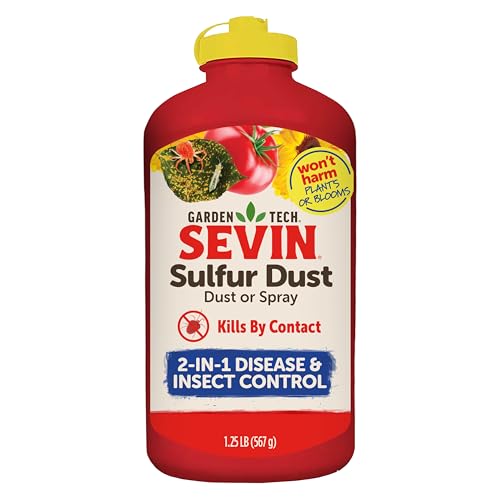
Sevin Sulfur Dust, 1.25 Lb

Neem Oil Spray for Plants (Makes 320 Fl Oz)
Why These Options Stand Out
Earth’s Ally opens the list because it leans fully into botanical care without giving up the convenience of a ready-to-use trigger bottle. The 32-ounce size covers a small rose bed through a full growing season without constant refills, and the formula blends essential oils to handle soft-bodied insects (the sap-sucking pests with fragile outer shells, like aphids and mites) along with common fungal issues.
If you keep roses near a patio where kids and pets wander, this pick stays closer to a garden essential-oil kit than a synthetic spray. Compared with the Ortho entry below, it skips the heavier chemical load but trades some raw knockdown power.
The Good Stuff
- Ready-to-use format skips measuring and mixing for quick weekend treatments.
- Essential-oil blend doubles as a disease control for mildew and leaf spot on roses.
- 32-ounce bottle covers a small to mid-size rose bed with room to spare.
- Versatile enough for indoor houseplants and outdoor ornamentals in the same routine.
Things To Consider
- Botanical oils typically need repeat applications every few days during heavy infestations.
- Strong citrus scent lingers briefly after spraying, which may bother sensitive noses.
- Owners commonly report reapplication after rain since oils rinse off foliage easily.
Built With In Mind
Organic-minded rose growers who want a single bottle for both pest and disease pressure.
Skip It When
You face a sudden, severe aphid swarm and need stronger synthetic knockdown from the Ortho Rose and Flower Insect Killer instead.
Ortho’s bottle is purpose-built for rose growers, which matters when generic garden sprays sometimes skip the pests that actually torment roses. The dual-action formula aims at listed insects on contact while leaving a residual layer that keeps working on the foliage for several weeks.
For anyone staring down curled new growth covered in green aphids, this is the heavier-hitting option to keep on the shelf. Reach for it as a counterweight to softer botanical picks like Earth’s Ally when an infestation crosses the line.
What Stands Out
- Adjustable nozzle reaches undersides of leaves where mites and aphid colonies hide.
- Targets a broad insect list, simplifying the routine when you can’t identify every pest.
- Ready-to-use format with no mixing means faster response to sudden outbreaks.
Worth Noting
- Synthetic chemistry means keeping pets and children away from treated foliage until dry.
- Smaller 24-ounce bottle runs out faster on a bed of mature roses than larger picks.
- Spraying in direct midday sun can scorch foliage, so timing matters in summer.
Feature Snapshot
Made For
Rose growers dealing with active infestations who want a contact-kill formula without mixing concentrates.
A Better Fit Elsewhere
Households with roaming pets should look at the Botanical Tradesman Neem Oil concentrate, which trades speed for a gentler approach.
EcoVenger earns its place by aiming at the pests that frustrate indoor and outdoor rose collections alike, including aphids, mealybugs, spider mites, and fungus gnats. The plant-based formula is positioned for households that share space with curious dogs, cats, or toddlers, so you can treat a peace lily and a Knock Out rose with the same bottle.
It handles a smaller load than some larger picks on this list, which makes it a smart secondary spray rather than your only tool. Pair it with the BioAdvanced entry for garden-wide coverage on a humid summer.
A Few Highlights
- Contact kill plus residual egg-targeting action helps break breeding cycles on roses.
- Doubles as an indoor spray, useful for the gardener who overwinters tender roses.
- Plant-based profile suits organic-leaning routines without losing pest versatility.
Minor Gripes
- Only 16 ounces runs out quickly on a large established rose bed.
- Delicate new growth may need label-directed dilution to avoid leaf burn.
- Owners commonly note repeat weekly sprays during heavy gnat or aphid pressure.
Right Fit For
Gardeners juggling indoor and outdoor roses who need a single pet-aware spray in the cabinet.
Look Elsewhere When
You maintain a sprawling rose bed and need a larger refill bottle like the Bonide Captain Jack’s Rose Rx 32 oz option.
BioAdvanced’s 3-in-1 pitch earns attention because roses rarely face insects alone. Black spot, powdery mildew, rust, and spider mites usually travel together, and this spray is formulated to address insects, listed diseases, and mites in a single pass. That cuts one weekly chore down to a single bottle trip.
The 24-ounce size lands between the smaller EcoVenger and the larger Bonide, making it a balanced mid-summer workhorse. For gardeners who want to simplify a routine, the consolidated approach is the real draw.
Well-Handled Touches
- Targets Japanese beetles, aphids, and whiteflies that frequently cluster on rose blooms.
- Listed for black spot and powdery mildew, two fungal fixtures in rose care.
- Reduces the number of separate products crowding the garden shed.
Points To Keep In Mind
- Synthetic action means reading the label carefully around pollinators and pets.
- Coverage may require a second bottle for gardeners with more than a handful of mature roses.
- Storage in a shaded, dry spot extends shelf life through multiple seasons.
Quick Facts
Who It Suits Best
Multi-rose gardeners tired of juggling separate insect and disease products every weekend.
Reach For A Different Pick When
You’re committed to organic-only inputs, in which case the Bonide Captain Jack’s Rose Rx covers the same ground with cold-pressed neem.
STEM rounds out the botanical half of this list with a cedarwood-derived active ingredient in a water-based spray. Cedar-based insecticides work by disrupting the waxy coatings on soft-bodied pests, which is why this small 12-ounce bottle targets aphids, spider mites, and thrips without leaving heavy oil residues on foliage.
It fits a small rose collection, a balcony setup, or a patio where you want a discreet spray bottle in the gardening tote. The compact size also makes it easy to store indoors between treatments.
What It Does Well
- Cedarwood extract gives the spray a milder scent than citrus-heavy botanical picks.
- Water-based formula reduces the risk of leaf burn on tender rose growth.
- Small 12-ounce size is easy to handle and store in a covered porch or garden bench.
Honest Caveats
- Smaller bottle means frequent reorder cycles for gardeners with multiple rose bushes.
- Botanical action usually requires more frequent applications than synthetic picks.
- Owners commonly report shaking the bottle well before each spray for consistent coverage.
Spec Overview
Whose Shelf It Belongs On
Balcony gardeners and small-plot rose growers who want a cedar-based, ready-to-use botanical option.
Not Your Match When
You maintain a sprawling rose garden and want a larger refill concentrate, which is what the Botanical Tradesman Neem Oil kit delivers.
Captain Jack’s Rose Rx compresses four garden products into one neem-based bottle. Cold-pressed neem oil (extracted from neem tree seeds without heat, which preserves its natural pest-deterring compounds) works as a fungicide, insecticide, miticide, and nematicide (a treatment that targets microscopic roundworms in soil), giving this spray unusual range for an organic-leaning formula.
At 32 ounces, it outlasts smaller picks like EcoVenger and STEM, suiting an established rose bed over a full season. Think of it as the bridge between gentle botanicals and heavier synthetic picks.
Features That Help
- Cold-pressed neem tackles insects, mites, mildew, and nematodes in one application.
- Ready-to-use bottle eliminates measuring, mixing, and cleanup.
- Fits organic gardening routines without sacrificing versatility on rose-specific issues.
Less Ideal Details
- Neem carries a noticeable sulfur-like odor that some gardeners find strong indoors.
- Spraying in direct sun or extreme heat can stress foliage, so timing matters.
- Owners commonly report shaking thoroughly to keep the oil and water phases blended.
Technical Sheet
Best Suited To
Organic-leaning gardeners who want one bottle to handle insects, mites, mildew, and nematode issues on roses.
Consider Something Else When
You prefer a sulfur-based dust approach for traditional black spot treatment, in which case Sevin Sulfur Dust is a more familiar route.
Sulfur dust is one of the oldest tools in rose care, and this 1.25-pound canister keeps that tradition alive. It handles both insects and fungal diseases in a single pass, and the dust format gives gardeners an alternative to liquid sprays on calm mornings.
Rose growers who learned rose care from grandparents tend to reach for sulfur first when black spot shows up. For gardeners comfortable with traditional methods, this is a familiar and reliable companion.
Points In Its Favor
- Two-in-one insect and disease control targets rose pests along with mildew and rust.
- Listed for roses, citrus, vegetables, flowers, shrubs, and trees in one container.
- Can be applied as dust or mixed into a spray for flexible application.
Factors To Consider
- Dust format calls for calm conditions and protective gear during application.
- Sulfur can react with certain oil sprays, so spacing treatments matters.
- Owners commonly report storing the canister sealed and dry to prevent clumping.
Who Should Grab It
Traditional rose growers who prefer a sulfur-based routine and want a multi-plant container in the shed.
Where A Sibling Pick Shines
You’ll find a more convenient ready-to-spray experience in the Bonide Captain Jack’s Rose Rx 32 oz bottle if dust application feels like extra work.
The Botanical Tradesman neem concentrate closes the list as a refill-friendly alternative to ready-to-use bottles. When mixed, the kit makes 320 fluid ounces of spray, which is enough to cover a large rose garden, a vegetable plot, and a few indoor plants from the same supply.
The included trigger spray bottle with an adjustable nozzle is a thoughtful touch for gardeners who want a custom dilution strength. If you’re tired of restocking small spray bottles every few weeks, this concentrate is the practical pivot.
The Upside
- Dilutable concentrate stretches further than ready-to-use picks for big gardens.
- Cold-pressed neem supports organic routines across roses, herbs, and houseplants.
- Included trigger bottle with adjustable nozzle simplifies weekly maintenance.
Practical Considerations
- Concentrate requires measuring and mixing before each batch.
- Neem oil can clog spray nozzles if not rinsed thoroughly between uses.
- Owners commonly report mixing only what they need for a few days at a time.
Feature Card
Perfect Match For
Multi-plant households that want to refill a spray bottle with custom dilutions instead of buying new bottles each season.
Swap It Out When
You’d rather skip measuring and reach for a ready-to-use formula like Earth’s Ally 3-in-1 Plant Spray.
Factors To Weigh Before Choosing Insect Sprays For Roses
Match The Formula To Your Pest Mix
Diagnosing the issue before buying saves real money. Aphids cluster on tender new growth and leave sticky residue, while spider mites cause fine stippling on leaf undersides. Fungal diseases like black spot and powdery mildew show up as dark patches or dusty coatings on foliage. Pick an insect-only formula for pure pest pressure, or a multi-action option like BioAdvanced 3-in-1 when insects and disease arrive together.
Decide Between Ready-To-Use And Concentrates
Ready-to-use trigger bottles trade convenience for packaging waste over time. Concentrates like the Botanical Tradesman neem kit cost more upfront but dilute into many refills. For a single potted rose on a balcony, ready-to-use wins. For gardeners managing a bed of ten or more roses, a concentrate keeps supplies steady without monthly bottle orders.
Consider Pets, Pollinators, And Timing
Botanical sprays using essential oils, neem, or cedarwood typically allow faster reentry for pets and people. Synthetic formulas often require keeping treated foliage away from curious animals until dry. Spray timing matters too. Treating in early morning or evening reduces harm to pollinators like bees, which visit roses heavily during midday sun.
Think About Application Habits
Dust products like Sevin Sulfur work well for gardeners with a calm-weather routine and a duster, while trigger sprays fit the pace of quick weekend checks. Liquid bottles also rinse off foliage easily in rain, which means repeat applications in stormy seasons. Sulfur dust lingers longer in dry conditions, but it clumps if stored in humidity.
Key Considerations Across These Picks
Pitfalls Shoppers Hit
Treating without identifying the pest first leads to wasted bottles and frustrated roses. Skipping label reading is another common slip, especially around pollinator safety and reentry windows. Storing sprays in direct sun or freezing temperatures shortens shelf life and can weaken active ingredients. Finally, mixing multiple products in one sprayer can cause chemical reactions, particularly with sulfur and oil-based formulas.
Where The Extra Money Goes
Higher-tier rose sprays often include ready-to-use packaging, broader pest coverage, or organic certifications. The Bonide Captain Jack’s Rose Rx, for example, combines four control modes in one bottle, which replaces several separate purchases. Concentrates cost more up front but spread across a larger total volume, lowering the per-application cost for gardeners with established rose beds.
Frequently Asked Questions
How Often Should Insect Sprays Be Applied To Roses?
Most insect sprays for roses are applied every 7 to 14 days during active pest pressure, with shorter intervals during humid weather. Always check the product label for the manufacturer’s recommended reapplication schedule.
Are Botanical Sprays As Effective As Synthetic Options?
Botanical sprays like neem and cedarwood formulas can match synthetic performance on soft-bodied insects when applied consistently. Synthetic options may work faster on severe infestations, but botanical picks suit organic-leaning gardens and households with pets.
Can One Spray Handle Both Insects And Fungal Disease?
Several picks on this list combine insect and disease control, including BioAdvanced 3-in-1, Bonide Captain Jack’s Rose Rx, and Sevin Sulfur Dust. Single-action formulas work best when only one issue is present.
When Is The Best Time Of Day To Spray Roses?
Early morning or late evening sprays reduce harm to pollinators and lower the risk of leaf burn from sun exposure. Avoid spraying in windy conditions to keep coverage on the target plants.
Will Rain Wash Insect Spray Off Roses?
Liquid sprays can rinse off during heavy rain, which is why reapplication after storms is common. Dust products cling longer in dry weather but need calm conditions during application.
Closing Remarks
A reliable insect spray for roses is the difference between enjoying your blooms and constantly rescuing them. Match the formula to the pests you actually see, weigh botanical against synthetic chemistry, and pick a bottle size that fits your garden’s scale. With the right match in the shed, rose care becomes a calm routine rather than a season-long emergency.
