

Beetles show up in many forms, and the right approach depends entirely on where they’re causing trouble. Japanese beetles can skeletonize a rose bed in a weekend. Carpet beetles work silently through wool sweaters and upholstered furniture. Wood-boring beetles can hollow out structural timbers over years. This guide covers eight well-matched options across those very different scenarios, from systemic drenches for trees to plant-based sprays for fabrics, so you can match the formulation to the infestation rather than the other way around.
A Side-By-Side Look

Fertilome 11207 Tree & Shrub Drench Insecticide
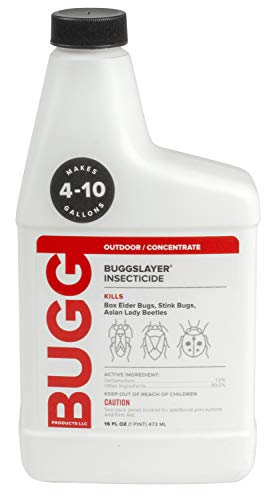
BUGGSLAYER Insecticide Concentrate Outdoor Control

Bora-Care Termiticide and Fungicide Concentrate 1 Gallon

Natria Neem Oil Spray 24 oz
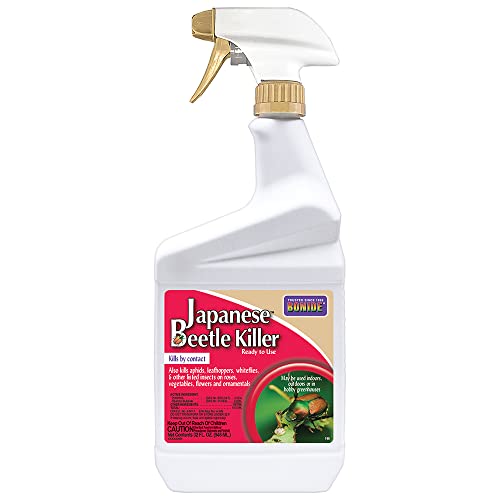
Bonide Japanese Beetle Killer 32 oz

BioAdvanced 3-in-1 Insect Disease Mite Control

Arber Organic Insecticide and Fungicide 16 oz

EcoPest Carpet Beetle Spray 22 oz
A Breakdown Of The Leading Choices
A single, well-timed application that keeps working through an entire growing season is the appeal behind this soil drench. You mix the concentrate, pour it around the root zone of an established tree or shrub, and the active ingredient moves upward through the vascular system, turning the plant itself into the delivery vehicle.
For homeowners tired of repeated foliar sprays, that systemic action is the headline feature. The label calls out aphids and psyllids among the controlled pests, with a longer list available on the full product documentation. Application timing matters: spring or early fall tends to give the most consistent results, and one treatment covers the full twelve months of protection claimed on the label.
Useful Highlights
- One application per year reduces seasonal labor compared to repeated sprays
- Soil drench method reaches pests that hide on leaf undersides
- Targets sap-feeding insects that damage ornamental trees
- Liquid concentrate mixes easily for accurate dosing
- Designed for outdoor residential use on established plantings
Things To Consider
- Not suited for treating active infestations already visible on leaves
- Works slowly because the plant must translocate the active ingredient first
- One-gallon jug is heavy to handle and store between applications
Key Specs
Made For
Homeowners with mature landscape trees who want a low-maintenance seasonal defense rather than frequent spray sessions.
Consider Something Else When
Active beetle outbreaks on vegetable gardens call for the Natria Neem Oil Spray instead, since a soil drench isn’t designed for edible crops.
The most common beetle complaint in late summer is not what’s eating the roses; it’s what’s trying to move into the house. Box elder bugs, stink bugs, and Asian lady beetles all look for the same gaps around foundations, and BUGGSLAYER is built specifically for that perimeter problem.
You dilute the concentrate with water and apply it as a barrier along foundation walls, around window frames, and along door thresholds. The water-based formula is odorless once dry, which matters when treating entries to living spaces. Coverage scales with the bottle size, and a 16-ounce concentrate goes further than a ready-to-use spray for homes that have a long foundation line.
Useful Strengths
- Water-based formula reduces odor during application
- Concentrate format stretches further than premixed sprays
- Targets the entry points beetles actually use to invade homes
Worth Noting
- Requires a separate pump sprayer for application
- Not formulated for treating beetle-damaged foliage directly
- Barrier breaks down over time and needs reapplication after heavy rain
Quick Facts
Best Suited To
Homeowners dealing with fall beetle invasions along the foundation who want a perimeter treatment rather than a foliar product.
Look Elsewhere When
For yard-wide beetle pressure on shrubs and ornamentals, the BioAdvanced 3-in-1 covers foliage where a perimeter spray falls short.
Wood-boring beetles are the slow, invisible problem that turns up during renovation work or when old beams start showing frass on the surface. Bora-Care is not a spray-on-the-bark treatment; it’s a borate-based concentrate that diffuses into bare wood fibers and stays there for the life of the wood.
Unlike the foliar products earlier in this list, this one is applied directly to wood surfaces during construction, remodeling, or treatment of exposed structural members. One gallon covers roughly 800 square feet, and the 2-foot band treatment method keeps application focused where borers actually travel. The dual-action formulation also controls decay fungi, which often arrive alongside beetle damage in damp wood.
What Earns Its Place
- Penetrates wood rather than coating the surface
- Targets termites, carpenter ants, wood-boring beetles, and decay fungi together
- Coverage estimate of approximately 800 square feet per gallon helps with planning
- Once dry, remains in the wood for the life of the material
Honest Caveats
- Only works on bare wood; painted or sealed surfaces won’t absorb it
- Overkill for gardens or landscapes where no wood is involved
Whose Shelf It Belongs On
Contractors and homeowners tackling renovation projects with exposed framing, basement beams, or log structures where long-term wood protection matters.
Skip It When
Yard and garden beetle pressure without any wood involvement points back to Fertilome 11207 or Bonide Japanese Beetle Killer as better matches.
Neem oil has earned its reputation as the entry-level garden spray for good reason: it handles a wide range of chewing and sap-sucking pests, and it also doubles as a basic fungicide for powdery mildew and similar foliar diseases. The Natria bottle skips the measuring step entirely.
You get a trigger sprayer, point it at the leaves, and go. For vegetable gardens, roses, and houseplants, that zero-mix convenience removes the main reason first-timers over-apply or under-dose concentrate products. The active ingredient list covers Japanese beetles, whiteflies, aphids, spider mites, and fruit flies among others, and the same bottle handles black spot, botrytis, downy mildew, scab, and rust on ornamentals.
The Good Stuff
- No mixing required, which reduces dosing errors for new gardeners
- Doubles as a fungicide for powdery mildew and black spot
- Suitable for indoor and outdoor use on the same product
- Reasonable price point for the 24-ounce ready-to-use format
Trade Offs
- Spray, not drench, so reapplication after rain is part of the routine
- Slower knockdown than synthetic insecticides on heavy infestations
Who Will Love This
First-time gardeners and edible-crop growers who want one bottle to handle multiple pests and light disease issues without measuring concentrates.
Another Choice May Suit
For a pure beetle focus without the fungicide side, the Bonide Japanese Beetle Killer delivers a more targeted knockdown.
Japanese beetles cluster on the same plants year after year, and they give you a short window between emergence and visible damage. The Bonide bottle is built for that exact window: a ready-to-use trigger spray aimed at the pests themselves rather than a broad-spectrum garden formula.
The 32-ounce size handles a small to mid-sized rose bed or a row of ornamentals without the refill trips a smaller bottle demands. Coverage extends to aphids, flea beetles, leafhoppers, caterpillars, stink bugs, moths, Colorado potato beetles, and webworms, so the spray earns its keep across the growing season. It works on listed vegetables, flowers, ornamentals, trees, and shrubs in residential yards, greenhouses, and indoor settings where the same pest pressure shows up.
Strengths Worth Knowing
- No mixing or pump sprayer setup needed for fast knockdown
- Larger 32 oz bottle reduces mid-season refills
- Multi-pest label handles other beetles that share the same plants
Small Caveats
- Trigger sprayer can tire the hand during large yard applications
- Beetle pressure above what contact spray can reach may still require follow-up
Right Fit For
Gardeners with a known Japanese beetle hotspot who want a targeted foliar spray during peak adult emergence.
Where Another Pick Suits Better
For systemic season-long defense on larger trees, the Fertilome 11207 drench removes the need for repeat spraying.
Rose growers and flowering shrub owners usually fight beetles and fungal disease at the same time, and hauling two bottles out for every spray pass gets old fast. The BioAdvanced 3-in-1 combines insect control, disease control, and plant mite management in a single 24-fluid-ounce ready-to-spray.
The label covers adult Japanese beetles, aphids, and whiteflies on the insect side, plus black spot, powdery mildew, and rust on the disease side. Application on flowering plants, trees, and shrubs makes it a flexible pick for mixed ornamental beds where multiple problems overlap. Where the Bonide focuses purely on beetle knockdown, this formula spreads the same spray session across more categories.
A Favorable Mix
- Three control categories in one bottle streamlines the spray routine
- Works across flowering plants, trees, and shrubs
- Ready-to-use format suits casual gardeners without sprayer gear
Less Ideal Details
- Combined formulation may not be the strongest option for any single category
- 24 fl oz fills the gap between smaller and larger ready-to-use formats
Spec Overview
Perfect Match For
Rose bed and flowering shrub owners who deal with beetles and fungal issues in the same growing season.
Reach For A Different Pick When
Vegetable gardens focused purely on edible harvest are a better match for the Natria Neem Oil Spray.
Houseplant owners and edible gardeners often want beetle and disease control without a harsh synthetic profile. Arber’s 16-ounce concentrate takes a bio-based approach, coating leaves and soil zones to disrupt pest life cycles while suppressing common powdery growths.
Concentrate format means mixing before use, which adds a step the ready-to-use Natria bottle avoids, but the trade-off is more bottle value per dollar and longer shelf life. Indoor and outdoor use on the same product removes the need for two separate purchases, and the formula covers houseplants, vegetables, roses, shrubs, and turf in a single lineup.
Key Advantages
- Bio-based formula suits indoor houseplant use
- One product handles multiple plant categories
- Concentrate format scales economically for larger gardens
Practical Considerations
- Mixing step adds complexity compared to ready-to-use options
- Smaller 16 oz bottle requires frequent reordering for big yards
Built With In Mind
Indoor plant collectors and organic-leaning gardeners who want bio-based control across multiple plant types from one bottle.
Swap It Out When
For a no-mix routine on edible crops, the Natria Neem Oil trigger spray removes the measuring step entirely.
Carpet beetles live a different life from garden beetles, and treating them with a yard spray would be a mismatch on every level. The EcoPest 22-ounce bottle is built for the indoor problem: wool, silk, fur, upholstered furniture, and the closets where adults lay eggs and larvae feed on natural fibers.
The plant-based formula targets beetles at multiple life stages, including adults, larvae, and eggs, which matters because most infestations include all three at once. Fabric and furniture-safe application lets you treat the source rather than just the visible adults. Low odor and indoor suitability keep treated rooms usable shortly after spraying, which is unusual for indoor insecticides.
Well-Handled Touches
- Targets multiple life stages rather than only visible adults
- Safe for natural fiber fabrics and upholstery
- Low odor keeps indoor spaces livable after treatment
- 22 oz bottle covers a typical bedroom or closet run
Possible Compromises
- Limited to indoor use, not a substitute for outdoor beetle control
- Severe infestations may require repeated applications and laundering of all affected fabrics
Feature Snapshot
The Right Fit
Homeowners noticing damage to wool sweaters, blankets, or upholstered furniture who need an indoor fabric-safe treatment.
Not Your Match When
For garden beetles on outdoor plantings, this indoor formula is the wrong tool; the Bonide Japanese Beetle Killer handles that category directly.
What Matters Most Before Choosing Insecticides For Beetles
Identify The Beetle First
Match the formulation to the pest and the location. Garden beetles feeding on foliage call for foliar sprays like Bonide or BioAdvanced. Sap-feeders on established trees respond to systemic drenches like Fertilome 11207. Wood-borers in structural lumber need borate treatments like Bora-Care. Carpet beetles in wool and upholstery need fabric-safe indoor formulas like EcoPest. Buying the wrong category wastes the product and delays real results.
Choose Between Contact And Systemic
Contact sprays work fast on insects you can see, which makes them a good fit during peak adult activity. Systemic products take longer because the plant has to absorb and translocate the active ingredient, but they protect new growth that hasn’t emerged yet and reduce how often you reapply. Heavy infestations often need both approaches in sequence rather than a single product carrying the whole job.
Think About The Use Setting
Indoor use, food crops, pets, and children change which formulations make sense. Concentrates like BUGGSLAYER require a pump sprayer and careful measuring. Ready-to-use trigger bottles like Natria and Bonide skip the mixing step and reduce dosing errors for casual gardeners. Bio-based options like Arber suit indoor houseplants where synthetic chemical exposure matters more.
Reapplication And Storage
Most beetle products need reapplication after rain or at multi-week intervals during peak season. Concentrates last longer on the shelf but require dilution at use. Ready-to-use bottles lose shelf life once opened. Plan storage space for one-gallon jugs and for any pump sprayers, and check the label interval before assuming a single treatment will carry the season.
Smart Buying Advice For Beetle Control
Mistakes Worth Dodging
Reaching for a yard concentrate to treat indoor carpet beetles is a common and expensive error, since fabric-safe indoor formulas work very differently from perimeter sprays. Skipping identification and buying a generic broad-spectrum product often results in mismatched coverage. Over-applying concentrate to compensate for slow knockdown can damage foliage without improving results, and under-diluting perimeter sprays can leave stains on siding. Reading the pest list on the label before buying protects against most of these missteps.
When Paying More Pays Off
Higher-tier beetle products tend to spend the extra on formulation breadth, longer residual action, or larger coverage per container. Multi-mode formulas like BioAdvanced 3-in-1 replace multiple bottles, which adds up over a season. Systemic options like Fertilome trade a higher upfront jug price for one annual treatment instead of repeat spraying. Specialized indoor products like EcoPest cost more per ounce but handle a category no outdoor product can touch. The upgrade is worth it when the infestation matches the niche the product was built for.
