

Keeping a backyard orchard productive means staying ahead of the bugs that show up the moment fruit starts to sweeten. The right spray keeps aphids, mites, and codling moth larvae from hollowing out your harvest without leaving harsh residues behind. Home growers managing anything from a single apple tree to a mixed citrus row need a dependable insecticide that targets the pests they actually face, fits their organic or conventional approach, and matches how much spraying they’re willing to do each season.
The Shortlist At A Glance

Bonide Captain Jack’s Citrus, Fruit & Nut Orchard Spray, 32 oz Concentrate

BioAdvanced 3-in-1 Fruit, Citrus, and Nut Tree Spray – 32 oz Bottle

Atticus Spliven Organic Insecticide (32oz) Spinosad Concentrate

BioAdvanced 3-in-1 Insect, Disease, and Mite Control Ready-to-Spray

Bonide Fruit Tree & Plant Guard, 32 oz Concentrate

Bonide Captain Jack’s Fruit Tree Spray, 16 oz Concentrate
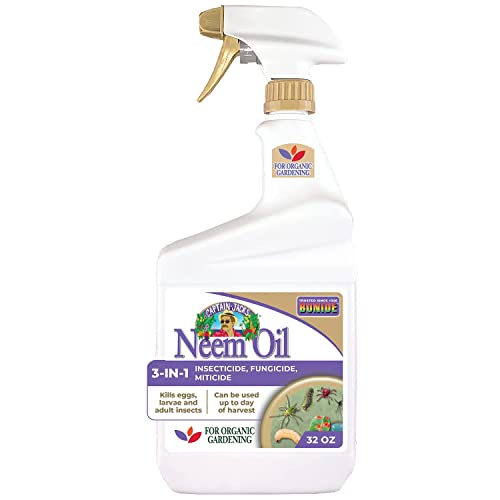
Bonide Captain Jack’s Neem Oil, 32 oz Ready-to-Use Spray

Bonide Captain Jack’s Fruit Tree Spray, 32 oz Concentrate
The Picks, Examined More Closely
Home orchardists juggling apples, citrus, and stone fruit in the same yard need a single bottle that handles more than one job. Bonide Captain Jack’s Citrus, Fruit & Nut Orchard Spray concentrates three roles into one mix, knocking down insects, mites, and a long list of fungal diseases with a single application. The 32-ounce concentrate goes a long way, diluting down to make up to 6.4 gallons of finished spray, which fits the way most hobby growers actually work.
Coverage stretches across an unusually broad plant list, from roses and shrubs to peppers, citrus, and pecans. Compared with the BioAdvanced options later in this list, this concentrate leans toward growers comfortable measuring and mixing, rather than snapping a bottle onto a hose.
Practical Pluses
- Treats insects, mites, and fungal diseases from a single bottle, reducing the number of products sitting in your shed
- One pint yields up to 6.4 gallons of finished spray, so a 32-ounce bottle covers multiple application rounds
- Approved for use up to the day before harvest on listed fruits and vegetables, giving you flexibility late in the season
- Works through a standard hose-end sprayer or tank sprayer, so it pairs with gear most homeowners already own
- Listed plant range covers ornamentals alongside edibles, useful for mixed landscape beds
Points To Keep In Mind
- Concentrate format means you measure and mix each batch, which adds a small setup step before every spray
- Coverage depends on getting full coverage of the canopy, so a basic pump sprayer may tire you out on larger trees
Made For
Growers running a mixed backyard orchard who want one dependable concentrate instead of stacking three separate bottles on the shelf.
Look Elsewhere When
You’d rather skip measuring entirely; the BioAdvanced 3-in-1 Ready-to-Spray bottle is a simpler grab-and-go option.
BioAdvanced’s 3-in-1 spray is built for the homeowner who treats fruit trees alongside vegetables and grapevines. One application targets listed insects, listed diseases, and listed mites, so the spray routine stays short even when the pest list doesn’t. Where Bonide’s concentrate demands measuring, this formula focuses on straightforward coverage of edible crops and vines with one mix.
The label spans fruit, nut, and citrus trees, plus vegetable and vine plantings, which suits small farms and serious backyard plots alike. Compared with Item 1’s orchard spray, this one is the more disease-conscious pick, with explicit black spot, powdery mildew, and rust control on the listed disease panel.
Where It Delivers
- Three-in-one action trims your routine to a single pass over the canopy each round
- Label covers fruit, nut, and citrus trees alongside vegetables and vines, helping you treat a whole edible corner at once
- Targets pests like caterpillars, aphids, and mites that frequently damage developing fruit
- Disease panel includes powdery mildew, black spot, and rust, which matter in humid growing seasons
Trade Offs
- Effectiveness depends on getting thorough leaf coverage, so larger trees may require multiple tank refills
- Always read the label before spraying; not every pest and disease is listed, and some may need a separate product
Right Fit For
Growers who run a multi-crop edible yard and want one dependable spray covering fruit trees, vines, and vegetables together.
Skip It When
You keep a strictly organic garden; Atticus Spliven Organic Insecticide fits that requirement with OMRI-listed spinosad.
Atticus Spliven uses spinosad, a soil-derived active ingredient that organic growers have trusted for years, at a 0.5% concentration. The Organic Materials Review Institute has reviewed Spliven for organic use, which matters when certification paperwork or strict organic practices guide what you spray. Where the previous two picks lean on synthetic multi-action blends, this one stays narrow and targeted.
Spinosad works through ingestion and contact, so timing your spray when pests are actively feeding improves results. The 32-ounce concentrate dilutes like other Bonide and BioAdvanced options, giving organic growers a measuring routine similar to Item 1 without sacrificing organic compliance.
Everyday Advantages
- OMRI-listed formula keeps organic certification and home organic practices intact
- Spinosad active ingredient targets chewing insects common on apples, pears, and stone fruit
- Concentrate format stretches a single bottle across many application rounds
- Compatible with standard pump and hose-end sprayers already in most garden sheds
Some Limits To Know
- Spinosad is less effective on sucking pests like aphids and scale than broad-spectrum mixes, so you may need a second product for those
- Concentrate still requires measuring and mixing, which adds a prep step
- Works best when pests are actively feeding, so timing matters more than with contact-only synthetics
Who It Suits Best
Certified organic orchardists and home growers who want a biologically-derived active ingredient and are willing to time sprays around pest feeding cycles.
A Better Fit Elsewhere
You fight constant aphid or scale pressure alongside chewing pests; Bonide Captain Jack’s Orchard Spray covers a wider pest list in one bottle.
For first-time spray users, measuring concentrates feels like a chore that gets in the way of actually getting outside. BioAdvanced’s Ready-to-Spray bottle removes that step entirely: connect it to a garden hose and walk the rows. You get the same 3-in-1 insecticide, fungicide, and miticide action as the concentrated BioAdvanced option earlier in this list, just without the measuring cup.
This format favors smaller yards where one hose-connected bottle covers the whole pass. Compared with the BioAdvanced 32 oz concentrate, this Ready-to-Spray version trades a little cost-per-ounce efficiency for a much lower learning curve.
Good Reasons To Consider
- Hose-end format eliminates measuring, mixing, and cleanup between batches
- Same three-in-one coverage as the BioAdvanced concentrate in a friendlier bottle
- Good fit for homeowners with a few fruit trees who only spray a handful of times per season
- Lightweight bottle is easier to carry around a backyard than a pump sprayer
Honest Caveats
- Ready-to-spray bottles cost more per ounce than concentrates, so heavy users pay a convenience premium
- Hose-end delivery rate can vary by water pressure, which may make thorough canopy coverage harder on taller trees
Best Suited To
New growers treating a small number of backyard trees who want a low-effort, low-mess way to get started with pest control.
Consider Something Else When
You manage several mature trees and want lower cost per application; the BioAdvanced 3-in-1 concentrate stretches further per dollar.
Bonide Fruit Tree & Plant Guard earns its keep when the same yard mixes fruit trees, flowering ornamentals, and shrubs that all face different pest pressure. This concentrate stretches across that full range, so the same bottle handles an apple tree, a rose bed, and an ornamental shrub without switching products. Where Item 1’s Orchard Spray targets fruit more narrowly, this formula is the broader landscape pick.
Versatility comes with a small tradeoff in specialization, but for mixed plantings that is usually a fair exchange. The 32-ounce concentrate format keeps the per-application cost in line with other Bonide offerings on this list.
Reasons It Performs
- Label covers fruit, nuts, ornamentals, shrubs, and flowers, so one bottle travels across the yard
- Concentrate format dilutes to cover multiple spray rounds across a season
- Familiar Bonide concentrate routine pairs with standard pump or hose-end sprayers
- Suits mixed planting designs where edible and ornamental beds sit side by side
Less Ideal Details
- Spraying mixed ornamentals and edibles from the same tank requires reading the label closely for any plant-specific cautions
- Measuring step adds prep time compared with a ready-to-spray bottle
Whose Shelf It Belongs On
Growers whose yards blend fruit trees with flowering shrubs and ornamentals, and who want one bottle that crosses both worlds.
Reach For A Different Pick When
Your yard is strictly an orchard with no ornamental plantings; Bonide’s Orchard Spray focuses more directly on fruit and citrus.
Captain Jack’s Fruit Tree Spray in the smaller 16-ounce bottle does the same four-in-one job as the larger 32-ounce sibling, just in a more city-friendly size. Gardeners with a couple of dwarf fruit trees or a tight urban yard don’t need a giant jug, and a 16-ounce concentrate goes a long way when spray days happen a handful of times each season. The four-function formula handles insects, diseases, mites, and nematodes in a single mix.
Storage is the underrated benefit here. A smaller bottle tucks onto a shelf in a garage or balcony closet without taking up the space a 32-ounce jug demands. The trade-off is refilling sooner if your orchard grows.
Noteworthy Benefits
- Four-in-one formula handles insects, fungal diseases, mites, and nematodes from one bottle
- Smaller 16-ounce size suits urban lots and storage-tight sheds
- Concentrate dilutes to cover multiple application rounds for one or two backyard trees
- Biological approach appeals to growers looking for gentler active ingredients
Possible Compromises
- Smaller volume means frequent repurchasing for anyone running more than a couple of trees
- Measuring accuracy matters even more in a smaller bottle where dilution ratios leave less margin for error
Perfect Match For
Urban and suburban growers tending one or two backyard trees who want four-function coverage without storing a full-size jug.
Swap It Out When
You maintain a multi-tree orchard; the larger Bonide Captain Jack’s 32-ounce concentrate keeps a full season of spray in one bottle.
Neem oil has been a staple of organic fruit tree care for decades, and Bonide’s Ready-to-Use version removes the mixing step entirely. You get a fungicide, miticide, and insecticide derived from the neem seed, with the spray nozzle ready to go right out of the box. For growers who spray on a weekly cadence during the growing season, that convenience adds up across a long summer.
The action covers eggs, larvae, and adults, so neem disrupts multiple life stages instead of just the pests you see today. Unlike the heavier synthetic concentrates above, this one leans on a botanical active ingredient with a long track record in home orchards.
A Favorable Mix
- Ready-to-use format cuts out measuring and mixing on every spray day
- Neem-based formula suits organic gardening routines and approved-for-day-of-harvest use
- Targets eggs, larvae, and adults, breaking pest cycles across multiple life stages
- Functions as fungicide, miticide, and insecticide from one bottle
Factors To Consider
- Ready-to-use bottles cost more per application than neem concentrate, so routine use adds up over a season
- Neem breaks down quickly in sunlight, so timing sprays for evening hours generally improves results
Who Should Grab It
Growers who follow a regular weekly or biweekly spray schedule and want a pre-mixed organic option ready whenever they walk outside.
Where A Sibling Pick Shines
You’re only spraying occasionally and want a stronger punch against heavy infestations; Bonide Captain Jack’s Orchard Spray tackles bigger outbreaks in one mix.
The 32-ounce version of Captain Jack’s Fruit Tree Spray stretches the four-in-one formula across a full season of multi-tree spraying. Bigger orchards with several fruit trees or a mixed row of apples, peaches, and plums benefit from the larger bottle, since the concentrate dilutes into many gallons of finished spray. This is the same biological formula as the 16-ounce pick, just in a size that won’t need replacing every other month.
Heavy-duty use means the bottle disappears faster, so storage in a cool, shaded spot helps preserve the concentrate between seasons. Compared with Item 6, this one trades the compact convenience for volume that matches a working orchard.
The Helpful Details
- Four-in-one concentrate tackles insects, fungal diseases, mites, and nematodes in one mix
- 32-ounce volume keeps multi-tree orchards covered across a full spray season
- Concentrate dilution pairs with pump or hose-end sprayers for thorough canopy coverage
- Biological active ingredient suits growers looking for an alternative to synthetic multi-action sprays
Things To Weigh
- Larger bottle adds weight and requires more storage space than the 16-ounce sibling
- Heavy users should plan for refilling sooner than they would with the BioAdvanced concentrates above
Built With In Mind
Orchardists maintaining several fruit trees per season who need a high-volume, four-function concentrate without constant repurchasing.
Not Your Match When
You only have a single small tree or two; the 16-ounce Bonide Captain Jack’s Fruit Tree Spray is a less bulky option for lighter use.
Choosing An Insecticide That Suits Your Orchard
The right spray depends less on the bottle and more on what you’re growing and how you want to manage it. Conventional gardeners who treat multiple fruit and nut trees benefit from broad-spectrum 3-in-1 concentrates like Bonide Orchard Spray or BioAdvanced 3-in-1, which combine insect, disease, and mite control. Organic growers should look for OMRI-listed formulas (meaning independent reviewers have approved them for organic production), such as Atticus Spliven with its spinosad active ingredient or neem-based products like Bonide Captain Jack’s Neem Oil.
Match The Pest, Not Just The Plant
Reading your label matters more than picking a brand. Spinosad targets chewing pests like codling moth larvae and caterpillars, but is weaker on sucking insects like aphids and scale. Broad-spectrum synthetic mixes cover wider pest lists but carry stricter pre-harvest intervals. Match the active ingredient to the pests you actually see in your yard.
Concentrate Versus Ready-To-Spray
Concentrates cost less per application and let you tune dilution ratios, but require a pump sprayer and measuring routine. Ready-to-spray bottles cost a little more per ounce but remove setup entirely, which fits casual users and beginners who spray a few times per season.
Timing And Re-Entry Intervals
Most fruit tree insecticides work best when applied in early morning or evening, avoiding the heat of midday. Neem breaks down in sunlight quickly, while synthetic concentrates often stay active longer on the leaf surface. Always check the label for re-entry intervals, the waiting period before it’s safe to walk back under treated trees, especially if kids or pets share the yard.
Storage And Shelf Life
Concentrates last multiple seasons when stored in a cool, dark location away from direct sunlight. Ready-to-spray bottles are easier to grab but should be used within a season or two for best results. Whichever format you pick, keep bottles sealed tightly and out of reach of children and pets.
Pitfalls To Avoid And Where The Extra Money Goes
Pitfalls Shoppers Hit
Picking a concentrate when you don’t own a pump sprayer is the most common mistake. Ready-to-spray bottles save you from buying extra gear. Another trap is choosing a general lawn and garden insecticide that isn’t labeled for fruit trees, which can leave illegal residues or simply not work on the pests you’re fighting.
Where The Extra Money Goes
Higher-tier fruit tree sprays earn their price through multi-function coverage, organic certification, or convenience features like hose-end bottles. If you maintain an organic orchard, the premium for OMRI-listed products reflects the third-party review and the cost of biologically-derived active ingredients. If you’re a casual grower with one or two trees, the upgrade rarely pays off, and a basic concentrate covers your needs well.
Frequently Asked Questions
How often should I spray my fruit trees? Most home orchard sprays go on every 7 to 14 days during active growing seasons, depending on pest pressure and product label guidance. Heavy infestations may require tighter intervals, while preventive maintenance stretches out longer.
Can I spray insecticide and fungicide at the same time? Many 3-in-1 products combine both functions in a single formula, which saves time. Combining separate products requires reading each label carefully to avoid mixing ingredients that don’t play well together.
Is neem oil safe around pets and kids? Neem oil has a long track record in home gardens, but treated surfaces should still dry before pets or kids interact with the tree. Always follow the label’s re-entry guidance.
What’s the difference between OMRI listed and organic? OMRI listed means the Organic Materials Review Institute has reviewed the product for use in organic production. Many home gardeners treat OMRI listed and organic as equivalent for practical purposes.
When is the best time of year to start spraying? Dormant oils and preventive fungicides typically go on before bud break in late winter or early spring. Insecticides usually start when leaves emerge and pests become active. Your local extension service can help time sprays for your region.
Closing Remarks
The best fruit tree insecticide for your yard comes down to your pest list, your tolerance for measuring, and whether organic practices matter to your routine. Start by identifying what you’re fighting, pick a concentrate or ready-to-spray format that matches your effort level, and rotate active ingredients if a single product stops performing well. A well-timed spray schedule, paired with clean pruners and good airflow through the canopy, will do more for your harvest than any single bottle on the shelf.
