

Roses look easy in photos and rarely behave that way in the ground. Aphids cluster on fresh buds, black spot creeps up from the bottom leaves, and a single Japanese beetle can wreck a season’s worth of anticipation in a weekend. Choosing the right spray or drench turns that panic into a routine. This lineup pairs systemic chemical options with botanical picks, so you can match the product to your garden’s personality and your comfort level with sprays.
The Lineup, Simplified

Fertilome 2-N-1 Systemic Insecticide + Fungicide 32 oz
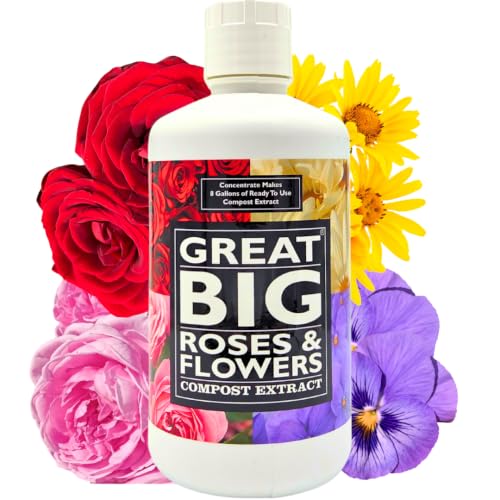
Great Big Roses Fertilizer Booster for Rose & Flower Gardens 32 oz

Earth’s Ally 3-in-1 Plant Spray for Pests & Disease 32 oz

Ortho Rose and Flower Insect Killer 24 oz

BioAdvanced 3-in-1 Insect, Disease, and Plant Mite Control 24 fl oz

Bonide Rose Rx Systemic Drench 32 oz

Bonide Captain Jack’s Rose Rx 4-in-1 Insect & Disease Control 32 oz

BioAdvanced Dual Action Rose and Flower Insect Killer Continuous Spray 15.7 oz
A Deeper Look At The Lineup
Garden beds that face a double threat of chewing insects and fungal spots benefit from a single bottle rather than two. Fertilome’s 2-N-1 concentrate tackles both jobs in one mix, so a routine walk around the rose bed only needs one sprayer pour. Because the formula is systemic, meaning the plant absorbs it through the soil and pushes it into the leaf tissue, new growth stays protected as it emerges.
You’ll appreciate the coverage on flowering shrubs, established rose bushes, and decorative borders where disease pressure builds across a wet spring. For gardeners juggling multiple problems, this single bottle trims down the shelf clutter.
Standout Benefits
- One concentrate handles listed insects and listed fungal diseases, cutting your supply shelf in half.
- Systemic uptake keeps protecting tender new shoots rather than just the leaves present on spray day.
- The 32-ounce bottle mixes down into multiple gallons of spray, stretching across a full season of routine treatments.
- Labeled for roses, flowers, and shrubs, so you can use leftovers on ornamental companions without a second purchase.
Things To Consider
- Mixing concentrates means you’ll need a clean sprayer, measuring, and basic PPE, which is more setup than a ready-to-use bottle.
- Owners with curious dogs commonly report reapplying after a heavy rain, since systemic uptake still depends on soil moisture.
Who It Suits Best
Established rose gardeners managing both pest and fungal pressure in a single bed who want one product instead of two.
Where Another Pick Suits Better
Casual growers who want to grab a bottle and go will find the Ortho Rose and Flower Insect Killer easier to live with.
This entry bends the rule of the list in a useful way. Great Big Roses Booster is not an insecticide. It travels into the root zone and helps unlock nutrients already sitting in the soil, which in turn helps roses put on the kind of vigorous growth that shrugs off minor pest pressure on its own.
It’s the pick for the gardener who has tried everything else and still ends the season with leggy bushes and one or two flowers. Treat it as a complement to an insecticide rather than a replacement, and the rose bed responds with fuller bud sets.
Where It Helps
- Targets tired soil where fertilizer alone has stopped producing results, common in long-established beds.
- Works on roses, hydrangeas, and citrus trees, so one bottle covers several problem spots in a mixed yard.
- Encourages stronger root activity, which helps plants recover faster after pruning or pest damage.
Worth Noting
- Does not kill insects, so a separate treatment is still required for active aphid or beetle outbreaks.
- Results hinge on existing soil quality; poor or compacted beds may need organic matter added alongside the booster.
Right Fit For
Rose owners with stubborn, non-blooming bushes whose soil has been fed regularly yet still underperforms.
Skip It When
You need active insect control right now, where Fertilome 2-N-1 Systemic Insecticide + Fungicide is the more direct match.
Gardeners who want to keep their rose routine close to a botanical approach lean toward Earth’s Ally. The 32-ounce ready-to-use bottle delivers a synergistic blend of essential oils that works against soft-bodied insects like aphids, whiteflies, and mites, along with common plant diseases. No mixing required.
The trigger-spray format makes it approachable for kitchen windowsills, patio containers, and front-yard rose beds where families and pets roam. Unlike Fertilome’s heavier systemic concentrate, this is a contact-and-residue treatment that fits a gentler daily rhythm.
The Upside
- Plant-based formula gives a botanical-leaning option for households avoiding harsher chemical sprays.
- Suitable for indoor and outdoor plants, so the same bottle moves from houseplant to patio with no swap.
- Ready-to-use design eliminates measuring and dedicated sprayer cleanup.
- Tackles insects and mildew in one weekly routine.
Points To Consider
- Contact-based action means thorough coverage matters; missed undersides of leaves shelter the pests you were trying to reach.
- Essential-oil sprays commonly require more frequent reapplication during humid stretches compared to systemic options.
Best Suited To
Family gardeners and pet households looking for a botanical-leaning spray that handles both pests and powdery mildew on roses.
Not Your Match When
A single application needs to last six weeks, where the Bonide Rose Rx Systemic Drench delivers longer coverage per treatment.
New rose owners often want to start small, and this Ortho bottle keeps the entry simple. The 24-ounce ready-to-use trigger requires no measuring, no extra equipment, and no chemistry homework. Just adjust the nozzle, walk the bed, and target the bugs you can see.
The formula is dual-action, hitting listed insects on contact while leaving a residual layer that keeps working for several weeks. It’s a sensible starter bottle that fits on a small garage shelf alongside pruners and gloves.
Practical Pluses
- No-mix trigger spray removes the learning curve for first-time rose growers.
- Targets a wide range of listed pests, including aphids and beetles common on roses and flowering shrubs.
- Compact 24-ounce bottle stores easily on a standard gardening shelf.
Honest Caveats
- Coverage is limited to where the spray lands, so dense rose bushes need careful underside attention to be effective.
- Provides no fungal disease control, so gardeners with black-spot pressure will still need a fungicide alongside it.
Made For
First-time rose growers who want a grab-and-spray bottle without committing to concentrate mixing.
Consider Something Else When
Black spot is your bigger headache, where Fertilome 2-N-1 Systemic Insecticide + Fungicide handles insects and fungus together.
When rose problems stack up, BioAdvanced’s 3-in-1 steps in. The 24 fl oz ready-to-spray formula lists insects, listed diseases like black spot and rust, and plant mites on a single label. That’s a meaningful difference for warm, humid gardens where spider mites move in alongside the usual aphid crowd.
Unlike the Ortho bottle, this one is built for gardeners who have moved past a single problem and now juggle three at once. The trigger-spray format keeps it approachable even with the broader coverage.
Why It Works Well
- Three-way coverage on insects, mites, and diseases in a single bottle cuts down the spray rotation.
- Approved for roses, flowers, trees, and shrubs, so the same jug handles a mixed landscape bed.
- Targets Japanese beetles, aphids, and whiteflies, the three most common rose pests in warm summers.
Points To Keep In Mind
- Mixed-spectrum formulas tend to have stricter reentry intervals, so check the label before letting pets back into the bed.
- At 24 fl oz, it’s a smaller bottle than concentrate options, and large rose gardens may burn through it fast.
Whose Shelf It Belongs On
Hot-summer gardeners fighting Japanese beetles, aphids, and black spot at the same time who want one jug instead of three.
A Better Fit Elsewhere
Organic-leaning gardeners will prefer Earth’s Ally 3-in-1 Plant Spray for a botanical approach to similar coverage.
Spraying bugs off a thorny rose bush is its own punishment. Bonide’s Systemic Drench takes the trigger sprayer out of the equation entirely. You pour the measured dose around the base of the plant, and the roots pull protection up through the vascular system over the following weeks.
One quart treats up to 16 roses, which makes it efficient for a multi-plant bed or a hedge of flowering shrubs. The six-week window between applications keeps the calendar uncluttered for gardeners who would rather pour once than spray weekly.
What Helps Most
- Pour-and-go application suits gardeners with mobility limits or a general dislike of pump sprayers.
- Up to six weeks of listed insect and disease protection per treatment trims the seasonal calendar.
- One 32 oz bottle treats up to 16 roses, covering most home-scale beds in a single purchase.
Small Caveats
- Soil-drench uptake depends on watering in, so freshly mulched or bone-dry beds need irrigation before the drench.
- Already-stressed plants with compromised root systems absorb the drench unevenly, which limits effectiveness.
Perfect Match For
Spray-averse gardeners managing a multi-rose bed who prefer pouring a measured dose once over a long interval.
Look Elsewhere When
You want a botanical formula, where Bonide Captain Jack’s Rose Rx 4-in-1 Insect & Disease Control fits the organic-minded routine.
This Bonide entry borrows the same Rose Rx branding but trades the drench for a ready-to-use neem-oil spray. Cold-pressed neem oil is a botanical extract that works as a fungicide, insecticide, miticide, and nematicide in a single pass, which is why the bottle advertises a 4-in-1 label.
It earns its slot when your rose bed sits next to a vegetable garden and you want one spray that suits both. Compared with the heavier BioAdvanced 3-in-1, this leans botanical, which appeals to organic-minded growers and households that prefer plant-derived actives.
Everyday Advantages
- Cold-pressed neem base handles insects, mites, fungal issues, and nematodes with one ingredient family.
- Ready-to-use trigger spray requires no measuring or mixing.
- Fits both rose beds and food gardens, cutting the shelf list when you grow ornamentals alongside edibles.
Trade-Offs To Consider
- Neem has a distinctive sulfur-like odor that lingers briefly after application, which can put off close-neighbor gardening.
- Contact-based coverage means reapplication during rainy weeks to maintain protection.
Who Should Grab It
Organic-leaning gardeners who run roses next to vegetables and want one spray that travels between both beds.
Reach For A Different Pick When
You want six full weeks of coverage without weekly respraying, where the Bonide Rose Rx Systemic Drench is the longer-interval option.
Pumping a trigger sprayer twenty times gets old fast, especially on a tangled rose thicket. BioAdvanced’s Continuous-Spray bottle solves that with a triggerless mist that delivers even coverage at any angle, including upside-down for the underside of leaves. It’s a small ergonomic upgrade that pays off in larger or thorny beds.
The dual-action formula handles listed insects on contact and keeps working for several weeks. Unlike the larger concentrate jugs earlier in this list, this 15.7-ounce aerosol-style format fits the gardener who treats a few roses, not a full landscape.
Positive Takeaways
- Continuous-spray mechanism removes trigger fatigue and reaches awkward undersides without contortion.
- Kills listed pests on contact and continues working for up to 30 days per treatment.
- Listed for indoor and outdoor use, so the same bottle moves between houseplants and outdoor roses.
- Targets aphids, caterpillars, whiteflies, and Japanese beetles, the heavy hitters on rose foliage.
Less-Strong Areas
- Aerosol cans require proper disposal and may run out faster than refillable concentrate bottles on larger properties.
- Coverage is insect-only; black spot and rust still need a separate fungicide product.
Built With In Mind
Rose growers with thorny, dense, or tall bushes who want comfortable coverage without hand-pumping a trigger.
Swap It Out When
You need disease coverage alongside insect control, where Fertilome 2-N-1 Systemic Insecticide + Fungicide delivers both jobs.
What To Weigh Before Buying Insecticides For Roses
Match The Formula To Your Garden Personality
Systemic products like the Fertilome 2-N-1 concentrate and the Bonide Rose Rx Drench work through the plant’s vascular system, so they keep protecting new growth between applications. That’s valuable in humid climates where fungal pressure rebuilds fast. Contact sprays like the Earth’s Ally blend or the Bonide Captain Jack’s neem bottle rely on hitting the bug directly, which means more frequent reapplication but a cleaner fit for organic-leaning households.
Think About Who Else Uses The Yard
Households with curious pets, toddlers, or edible gardens nearby tend to favor plant-derived or ready-to-use formulas. The cold-pressed neem in Bonide Captain Jack’s and the essential-oil blend in Earth’s Ally both suit that profile. Gardeners without those concerns may prefer the longer intervals a chemical systemic offers.
Sprayer Comfort Matters More Than You Think
A trigger sprayer on a thorny rose is a minor punishment every two weeks. The BioAdvanced Continuous-Spray bottle addresses that with a triggerless mechanism, while the Bonide Drench removes spraying entirely. Comfort features sound trivial until you’ve sprayed a dozen roses in summer heat.
Pick The Bottle Size To Your Bed
A quart of concentrate covers a multi-rose border; a 15-ounce aerosol fits a small patio collection. Estimate the number of bushes before committing to a format. Overbuying concentrate wastes shelf space, and under-buying an aerosol guarantees a frustrating mid-treatment refill.
Where Shoppers Go Wrong
Treating Symptoms Instead Of The Whole Plant
Reaching for an insecticide when the real problem is fungal, or a fungicide when aphids are the actual culprit, wastes a treatment window. Gardeners who identify the pest first spend less over a season and keep their roses healthier.
Skipping The Reapplication Window
A single spray rarely finishes a problem. Contact products need respraying on a labeled interval, and even systemic drenches need refreshing at six weeks. Missing that window resets progress and often turns a minor outbreak into a season-long headache.
What The Higher Tier Buys
Premium systemic concentrates, like the Fertilome 2-N-1, bundle insect and disease control into one bottle with longer protection intervals. The upgrade pays off when you manage a multi-rose bed with both pest and fungal pressure, because it halves the number of products on your shelf. Budget-friendly contact sprays handle isolated problems just fine, but they ask for more frequent attention across the season.
Frequently Asked Questions
How often should I spray insecticides on roses?
Most contact sprays need reapplication every 7 to 14 days during active pest pressure. Systemic products like the Bonide Rose Rx Drench stretch that interval to roughly six weeks per treatment.
Can I use rose insecticides on other flowering plants?
Many formulas listed for roses also cover flowering shrubs, ornamental trees, and bedding plants. Always confirm the label lists your specific plant before spraying anything outside a rose bed.
Are botanical sprays as effective as chemical options?
Botanical sprays like the Earth’s Ally blend and Bonide Captain Jack’s neem formula handle common soft-bodied insects and mild fungal issues. For severe infestations or heavy fungal pressure, a chemical systemic usually delivers faster, longer results.
Will rain wash away my treatment?
Contact sprays need dry foliage for several hours after application to do their job. Systemic products absorbed through the roots are less affected by rain once they’ve moved into the plant tissue.
When is the best time of day to spray roses?
Early morning or evening is best, when beneficial insects are less active and the sun isn’t strong enough to scorch wet leaves. Avoid spraying during the heat of midday, which can burn foliage.
Closing Remarks
Pick the format that matches how you actually garden: a hands-off drench for the spray-averse, a botanical spray for organic-leaning households, or a broad-spectrum concentrate for beds that face multiple threats at once. Match the bottle to the size of your bed, your comfort with mixing, and the pests you’re actually seeing. The right product turns rose care from a chore into a routine.
