

Scale insects look like tiny bumps on stems and leaves, but the damage they cause runs deeper than their size suggests. They latch onto ornamental shrubs, fruit trees, and indoor container plants, draining sap and inviting sooty mold that discolors foliage. Choosing the right product matters because scale insects shield themselves under a waxy coating, so timing and delivery method shape the outcome. This lineup covers granules, drenches, ready-to-spray formulas, and horticultural oils suited to different garden sizes and plant types.
The Lineup, Simplified

Hi-Yield Systemic Insect Granules 1 lb

Hi-Yield Systemic Insect Spray RTS 32 oz
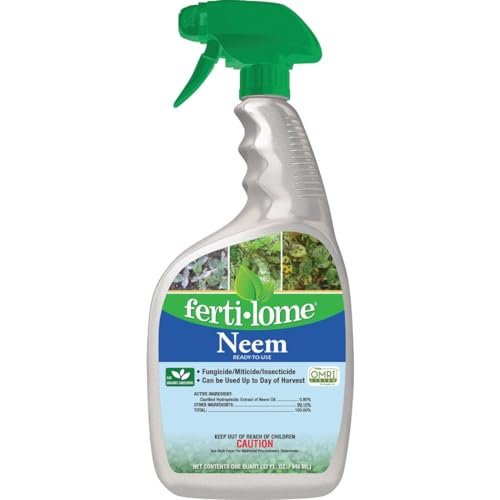
Fertilome Neem Oil Ready to Use 32 oz

Fertilome Tree & Shrub Drench 1 gal

Fertilome Tree & Shrub Drench 16 oz

Earth’s Ally 3-in-1 Plant Spray 32 oz

Bonide Systemic Insect Control 16 oz Concentrate

Bonide All Seasons Horticultural Spray Oil 32 oz
The Picks, Examined More Closely
Granular insecticides work quietly underground, which is exactly what makes Hi-Yield’s 1-pound pouch appealing for gardeners who don’t want to haul a sprayer around. You sprinkle the granules around the base of the plant, water them in, and the active ingredient travels up through the root system into the sap. Scale insects and sap-feeders then ingest it as they feed.
For containerized roses, flowering shrubs, and small ornamentals on a patio, this approach saves time. Compared with the spray-based picks later in this list, granules suit anyone who prefers set-it-and-forget-it treatment over mixing and spraying.
Points In Its Favor
- Root uptake means every leaf and stem is internally protected, not just the surfaces you hit with a sprayer.
- Reported control window of roughly two months per application reduces the number of treatments you juggle.
- Low-fuss application: no measuring concentrates, no pump sprayers to clean afterward.
- Works on both indoor and outdoor container plants, giving you one product for multiple spots.
Worth Noting
- Granules need thorough watering-in to activate, so dry-soil beds may need extra irrigation.
- Coverage depends on plant size, and very large established trees won’t be reached as effectively as with a drench.
Whose Shelf It Belongs On
Patio gardeners and rose growers who want a hands-off, water-in solution for container and bed plantings.
Look Elsewhere When
Tackling a mature shade tree calls for the deeper root reach of Fertilome Tree & Shrub Drench 1 gal instead.
When you’d rather skip the measuring cup entirely, a ready-to-spray bottle cuts the setup to almost nothing. Hi-Yield’s 32-ounce RTS attaches to a standard garden hose, so you can walk the perimeter of a lawn or shrub border and treat it in one pass.
The bottle is rated to cover up to 5,333 square feet, which suits a suburban yard without feeling like overkill. Versus the granular sibling above, this format makes more sense for broad, dense plantings where root uptake alone would take too long to push protection into every branch.
Well-Handled Touches
- Hose-end design removes the measuring and mixing step, so even a first-timer gets the ratio right.
- Broad-spectrum label covers scale alongside white grubs, mole crickets, aphids, and leafminers.
- Control window of roughly two to four weeks fits a typical monthly maintenance cycle.
Trade Offs
- You’ll need a hose bib nearby, and dragging the hose through dense borders can be its own chore.
- Runtime depends on water pressure, so coverage can feel uneven on very low-pressure systems.
Feature Card
Best Suited To
Homeowners with mid-size lawns, foundation plantings, and shrub borders who want quick, no-mix coverage.
Where Another Pick Suits Better
For potted patio roses, the Hi-Yield Systemic Insect Granules 1 lb sidesteps dragging a hose across the deck.
Neem oil has earned its reputation as a gentler option for gardeners who want to avoid synthetic chemicals. Fertilome’s 32-ounce spray bottle is built around clarified hydrophobic neem extract at 70 percent, a botanical oil that disrupts insect feeding and growth cycles. The ready-to-use trigger spray means you point, squeeze, and coat the leaves.
For vegetable plots, fruit trees, and citrus where you’d hesitate to spray a heavier systemic, this is a low-friction choice. It’s a contact-mode product rather than a soil-applied drench, so coverage on the underside of leaves and along stems matters.
Good Reasons To Consider
- Botanical active ingredient fits organic-leaning routines and breaks down quickly in the environment.
- Double duty: controls listed soft-bodied insects and several common fungal diseases like powdery mildew and black spot.
- No measuring, no separate sprayer to rinse, no risk of mis-mixing concentrate.
Points To Keep In Mind
- Contact-only action means thorough coverage is non-negotiable, and missed spots stay protected only briefly.
- Reapplication is needed more often than with systemics, especially after rain or overhead watering.
The Right Fit
Backyard vegetable growers and citrus owners who want a botanical, food-adjacent option they can apply without special gear.
Skip It When
You’d rather treat once and forget for a year, in which case Fertilome Tree & Shrub Drench 1 gal fits better.
Trees present a different challenge from flower beds because the canopy sits far above where a hand sprayer can reach. Fertilome’s 1-gallon drench solves that with a soil-applied systemic that the roots draw up and distribute through the entire plant. One application per year is the standard rhythm.
For homeowners dealing with scale on mature maples, magnolias, oaks, or established fruit trees, a drench means you don’t need a ladder or a commercial sprayer. The gallon size suits properties with several larger specimens rather than a single shrub.
The Practical Payoff
- Up to 12 months of systemic protection from a single application, so you set it and largely forget it.
- Soil drench reaches branches a foliar spray can’t, including the upper canopy of mature trees.
- Outdoor residential use makes it a fit for most suburban lots without special certification.
Honest Caveats
- Application timing matters, so missing the early-spring or early-fall window can blunt the season-long benefit.
- One gallon is a lot of liquid to mix and pour, so plan on a dedicated watering can and some gloves.
Feature Snapshot
Who It Suits Best
Homeowners with several mature trees or large shrubs who want one annual treatment instead of repeated sprays.
Reach For A Different Pick When
Smaller yards with just a few shrubs do fine with the 16-ounce Fertilome Tree & Shrub Drench instead.
Sometimes a full gallon is more product than you need, especially on a small lot with a couple of prized shrubs. This 16-ounce version delivers the same year-long systemic protection as its larger sibling, just in a bottle you can actually store on a garage shelf without rearranging the whole corner.
For a few foundation shrubs, a single ornamental tree, or a small hedge row, the smaller format avoids waste from a partially used gallon that loses potency in storage. It’s the right scale for casual suburban maintenance.
Everyday Wins
- Up to 12 months of control from one application keeps the annual calendar simple.
- Compact bottle is easier to mix, pour, and store than a full gallon jug.
- Same active ingredient profile as the larger drench, so you don’t trade effectiveness for size.
Small Caveats
- Smaller volume means more frequent repurchasing on properties with many trees or large hedges.
Made For
Small-yard gardeners with a handful of shrubs or one ornamental tree who want annual-scale drench without overbuying.
Not Your Match When
Properties with several mature trees will get better value from the 1-gallon Fertilome Tree & Shrub Drench.
Indoor plants and kitchen herbs call for a lighter touch, since you’re spraying near food-prep surfaces and living spaces. Earth’s Ally leans on a blend of essential oils rather than synthetic systemics, giving the bottle a softer profile for households that prefer botanical ingredients.
The 32-ounce ready-to-use format covers houseplant collections, herb pots on a windowsill, or a small patio of ornamentals. It also doubles as a mild disease control, so a single bottle pulls double duty in tight spaces where you don’t want a shelf full of separate products.
What Helps Most
- Botanical essential-oil formula suits households avoiding synthetic actives.
- 3-in-1 design tackles soft-bodied insects and common plant diseases with one bottle.
- Safe to use on edible herbs and indoor houseplants without relocating them outdoors.
A Few Limitations
- Contact-only action means more frequent reapplication than soil-applied systemics.
- Essential-oil scent lingers briefly in enclosed rooms, which may bother sensitive noses.
Feature Rundown
Perfect Match For
Apartment dwellers and herb-garden owners who want a botanical option that works indoors without harsh chemical residue.
Swap It Out When
Outdoor citrus or vegetable beds with heavier scale pressure call for Fertilome Neem Oil Ready to Use 32 oz instead.
Concentrates reward the gardener willing to do a little measuring in exchange for a lot of flexibility. Bonide’s 16-ounce bottle makes up to 16 gallons of finished spray, which keeps the cost per treated plant low across a season of repeat applications.
The formula is labeled for over 100 ornamental varieties, including roses, flower beds, and shrubs, so you can standardize on one product across mixed beds. It’s not intended for edible crops, which keeps the focus on ornamentals where scale tends to cluster.
The Helpful Details
- Yields 16 gallons of finished spray from a single 16 oz bottle, lowering the per-treatment cost.
- Listed for over 100 ornamental varieties, so one bottle covers mixed beds and borders.
- Can be combined with certain fungicides or fertilizers for a single-pass application.
Some Limits To Know
- Label excludes vegetable and fruit plants, which rules it out for kitchen-garden use.
- Reapplication every 7 to 10 days during active infestations means a real schedule commitment.
- Concentrate requires a dedicated pump sprayer, which adds to your gear if you don’t already own one.
Who Should Grab It
Ornamental gardeners with large mixed beds who want a concentrate that stretches across many applications.
Consider Something Else When
Growing edibles rules this out, and Fertilome Neem Oil Ready to Use 32 oz covers vegetables and citrus safely.
Horticultural oils work on a different principle than the rest of this list: they coat the insect itself, blocking the air exchange that scale insects depend on. Bonide’s 32-ounce ready-to-spray bottle handles armored and soft scale alongside mites, aphids, and mealybugs.
The “all seasons” framing refers to the multiple growth stages where you can apply it: dormant, green-tip, delayed-dormant, and through the growing season. For gardeners who stay ahead of the calendar, that flexibility turns scale control into a winter chore rather than a summer scramble.
Bright Spots
- Smothers scale insects and their eggs on contact, including the waxy coating that frustrates other products.
- Year-round label lets you treat in dormant, pre-bloom, or active growth stages depending on the cycle.
- Also handles listed mites and certain fungal diseases for multi-purpose coverage.
Things To Weigh
- Coverage must be thorough, since the oil needs to physically coat the pest to work.
- Avoid spraying during the heat of the day, since oil + direct sun can stress foliage.
Quick Facts
Built With In Mind
Calendar-driven gardeners who want a winter dormant spray plus an in-season touch-up using one product.
A Better Fit Elsewhere
For year-round root-fed protection without the spraying window, Fertilome Tree & Shrub Drench 1 gal is the swap.
What to Weigh Before Choosing an Insecticide for Scale Insects
Scale insects have a waxy armor that throws off contact sprays unless you catch them at the right life stage. Systemic insecticides absorb through the roots and circulate in the sap, so any insect that pierces the plant gets dosed. Contact products, including horticultural oils and neem-based sprays, work best when you can fully coat the insect itself. Choosing between them means matching delivery method to plant size, scale of the infestation, and how much time you want to spend applying.
Application format shapes the routine as much as the chemistry does. Granules suit small container plants and beds where watering-in fits your schedule. Hose-end ready-to-spray bottles cover lawns and long borders without measuring, while concentrates lower the per-treatment cost for large mixed plantings. Soil drenches target mature trees where ladder-height spraying isn’t realistic. For indoor and herb gardens, ready-to-use trigger sprays keep the mess off your counters.
The target plant also narrows the field. Many systemics exclude edible crops, so vegetable and herb gardeners lean toward neem or botanical essential-oil options. Ornamental-heavy landscapes can standardize on a single concentrate. Trees and large shrubs almost always call for a soil drench rather than a foliar spray. Always cross-check the product label for your specific plant before treating, since application rates and plant tolerances vary by species.
Practical Realities Behind the Recommendations
Where Shoppers Go Wrong
The most common misstep is treating too late in the season, when scale insects are already settled under their protective waxy coating. A dormant-season horticultural oil catches the overwintering stage before armor fully forms, and a spring systemic drench moves into the plant before populations explode. Skipping that timing window often leads to repeat treatments that wouldn’t have been needed with earlier action.
A second pitfall is misidentifying the plant category. Some systemics are restricted to ornamentals and will not be labeled for vegetables, fruit trees, or herbs. Spraying a non-labeled crop risks residue issues and wasted product. Reading the label for your specific plant list saves both the crop and the money.
Where The Extra Money Goes
Larger container sizes, especially the 1-gallon tree drench, cost more up front but cover more plants and last longer in storage. Concentrates that yield 16 gallons of finished spray from a 16-ounce bottle stretch across an entire season, lowering the per-treatment cost for gardeners with large mixed beds. Premium pricing also covers label breadth: products listed for over 100 ornamental varieties replace the need to stock separate bottles for roses, shrubs, and flower beds.
The upgrade is worth it when your yard includes several mature trees, a long hedge, or extensive mixed borders where smaller-format bottles run out mid-season. For a single patio rose or a few houseplants, the compact and ready-to-use options deliver better value than oversizing.
Frequently Asked Questions
How do systemic insecticides work against scale insects?
Systemic insecticides are absorbed by the plant’s roots or leaves and move through the vascular system into the sap. When scale insects feed, they ingest the active ingredient along with the plant fluids, which is why systemics reach pests hidden under waxy coatings that block contact sprays.
When is the best time to spray for scale insects?
Dormant-season applications of horticultural oil target overwintering eggs and adults before the waxy shield fully hardens. Spring and early summer systemics enter the plant before populations peak, while summer contact sprays work best on the crawler stage when young scale insects are mobile and unprotected.
Are neem oil products effective on heavy scale infestations?
Neem oil works as a contact spray and growth disruptor, so it handles light to moderate scale pressure well, especially on edible crops where synthetic systemics are restricted. For heavy infestations on large ornamentals, combining neem with a soil drench speeds the recovery.
Can I use these products on edible plants like vegetables and citrus?
Neem oil and botanical essential-oil sprays are generally labeled for vegetables, herbs, fruit trees, and citrus. Many synthetic systemics restrict use to ornamentals only, so always confirm the label lists your specific edible plant before applying.
How often should I reapply insecticide for scale insects?
Contact products typically need reapplication every 7 to 14 days during active infestations, while soil-applied systemics often last from 2 months up to a full year depending on the formula. Dormant oils usually require only one winter application plus an optional summer follow-up.
Closing Thoughts
Scale insects reward patience and timing more than brute-force spraying, so the right product is the one that fits your plant list and your maintenance window. Match the delivery method to the size of the job, read the label for your specific crops, and treat at the right life stage. With the right pick in hand and a sensible schedule, scale pressure drops from a recurring headache to a manageable seasonal task.
