

Spotted lanternflies have spread across many states, leaving behind sticky residue and damaged trees. Gardeners and homeowners need straightforward ways to stop the damage without harming the plants they care about. The eight picks below cover sprays, concentrates, and sticky barriers, each suited to a different kind of yard and routine.
The Choices Worth Comparing

Hi-Yield Bug Blaster Lambda Cy 32 oz RTS

Hi-Yield Bug Blaster II Bifenthrin RTS

Hi-Yield Bug Blaster Bifenthrin 2.4 Concentrate

Bonide Systemic Insect Control 16 oz Concentrate

W4W Spotted Lanternfly Tree Trap 4 Rolls
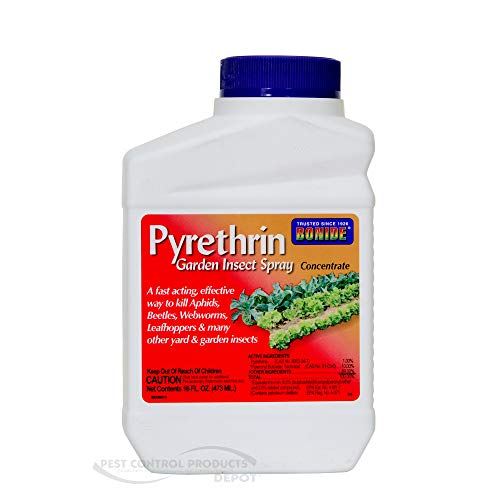
Bonide Pyrethrin Garden Insect Spray Concentrate
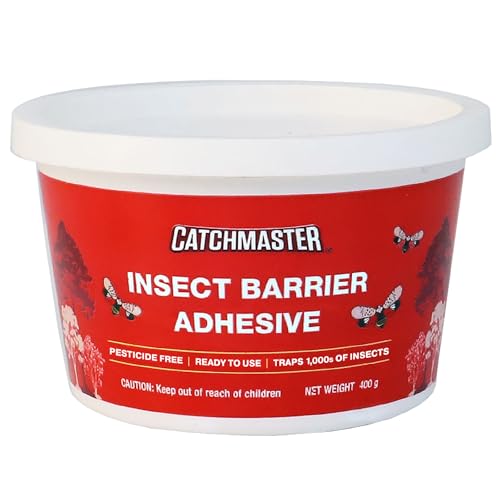
Catchmaster Tree Banding Insect Barrier Pail

Agrisel Bifenthrin Pro 7.9 Insecticide
Taking A Closer Look At The Options
A ready-to-spray bottle eliminates measuring and mixing, which suits gardeners who’d rather point and pull a trigger than calibrate equipment. Lambda-cyhalothrin is the active here, a pyrethroid (a synthetic class of fast-acting contact insecticide) commonly used against lanternflies and other piercing pests. The label lists over 130 insects, including the lanternfly, stink bugs, grasshoppers, and Japanese beetles.
Designed for outdoor use on shrubs, flowers, trees, and ornamentals, this formula is gentle enough for garden plants while tough on the pests doing damage. For most suburban yards where lanternflies cluster on a few trees or hedge rows, this RTS format gets the job done in an afternoon.
What Works In Its Favor
- No mixing required, so newcomers avoid measuring errors and concentrate spills.
- Treats a wide list of insects beyond lanternflies, so one bottle covers multiple pest problems.
- Safe for listed ornamentals when applied per the label, protecting the plants you spray.
- Contact kill plus residual protection, reducing how often you reapply.
Things To Consider
- Outdoor use only, so indoor infestations need a different approach.
- As a pyrethroid, it can affect pollinators if sprayed on blooming plants, so timing matters.
- A handheld sprayer can fatigue your hand during large-property applications.
At A Glance
Best Suited To
Homeowners with small-to-medium yards who want a grab-and-spray solution without measuring concentrates.
Look Elsewhere When
You want a chemical-free trap approach, in which case the W4W Spotted Lanternfly Tree Trap suits your routine more closely.
The Bug Blaster II trades lambda-cyhalothrin for bifenthrin, another pyrethroid that handles ants, termites, earwigs, and similar invaders around the home perimeter. The water-based formula is virtually odor-free and won’t stain treated surfaces, which matters when you’re spraying near patios and siding.
A single 32-ounce bottle covers up to 10,600 square feet of lawn, making it practical for properties where walking space, not houseplants, is the primary target. For most households with a half-acre or more to maintain, this coverage translates into fewer bottle changes during a treatment session.
Reasons It Performs
- Large per-bottle coverage reduces refill trips across bigger properties.
- Targets wood-destroying and home-invading species beyond lanternflies.
- Water-based and odor-free, so neighbors and family members won’t complain about fumes.
- Won’t stain treated hardscape surfaces, protecting patios and walkways.
Trade Offs
- Application rates shift depending on target insect and surface, so reading the label matters more than with simpler RTS products.
- Not formulated for delicate indoor houseplants.
- Like other pyrethroids, it requires careful timing around pollinators.
Made For
Owners of larger suburban lots who want a single bottle to handle both perimeter and lawn applications.
Skip It When
You mostly target a small group of ornamental shrubs, where the Bonide Systemic Insect Control stays closer to the plant.
This concentrate version gives you the same bifenthrin as the RTS bottle, but at a lower cost per treated area once mixed in a pump sprayer. The 16-ounce bottle covers up to 5,300 square feet of lawn at typical dilution rates, and the source notes up to four months of control on certain pests.
Mixing your own ratios does add a step compared to the RTS sibling above. In return, you control how much you dilute per job and can tailor strength to the target. For most gardeners with a dedicated pump sprayer, the trade is worth it.
Noteworthy Benefits
- Lower cost per gallon of finished spray than RTS formats.
- Flexible dilution for different pests and surfaces.
- Up to four months of control against listed insects.
- Suitable for lawns, groundcovers, roses, flowers, trees, and shrubs.
Worth Noting
- Requires a separate pump sprayer and accurate measuring.
- Outdoor concentrate handling means gloves and eye protection are sensible.
- Stronger applications can leave residue on tender blooms if over-sprayed.
Quick Facts
Right Fit For
DIY gardeners who already own a pump sprayer and want to stretch their insecticide budget across multiple jobs.
Consider Something Else When
You’d rather skip measuring altogether, in which case the Hi-Yield Bug Blaster Lambda Cy RTS is the simpler path.
Systemic insecticides work differently from contact sprays. The plant absorbs the active ingredient and circulates it through its tissue, so pests that feed on the plant ingest the treatment. This Bonide concentrate is labeled for over 100 plant varieties, including roses, flowers, trees, and shrubs.
It mixes into 16 gallons of finished spray and is intended for outdoor residential use only, not for edible vegetables or fruit. For most rose gardeners or anyone maintaining ornamental beds, the systemic approach reduces the need to chase pests around leaves.
Key Advantages
- Plant-absorbed formula keeps working between sprays.
- Treats hard-to-control pests like thrips, mealybugs, scale, and whiteflies.
- Mixes with certain fungicides or fertilizers for a combined application.
- Covers a long list of ornamental plant types.
Points To Note
- Not labeled for vegetable or fruit plants, limiting kitchen-garden use.
- Requires reapplication every 7 to 10 days during active infestations.
- Outdoor residential use only, so it won’t help indoor plant collections.
Feature Snapshot
Whose Shelf It Belongs On
Ornamental gardeners focused on roses, shrubs, and flowers who want protection that lingers between sprays.
A Better Fit Elsewhere
You need coverage for lawns and hardscape too, where the Hi-Yield Bug Blaster II Bifenthrin RTS handles broader ground.
Sticky tree tape offers a chemical-free route for gardeners who’d rather avoid spraying anything on their ornamentals. This pack includes four 30-foot rolls, giving you enough length to wrap several mature trees or a long row of trunks. The tape is odor-free and can also be used as ribbon fly tape in other problem areas.
Lanternfly nymphs and other crawling insects get stuck as they try to climb trunks toward the canopy. In many yards, banding trees early in the season catches the insects before they reproduce, which reduces pressure later in summer.
The Value In It
- No chemicals involved, safe around pets and curious kids.
- Four 30-foot rolls cover multiple trees from one purchase.
- Odor-free design avoids the smell of sprays or zappers.
- Works alongside sprays, adding a physical layer of defense.
Honest Caveats
- Sticky tape can capture beneficial insects and small birds if not monitored.
- Replacing saturated bands regularly is part of the routine.
- Won’t reach pests feeding high in the canopy away from the trunk.
Perfect Match For
Households avoiding chemical sprays who want a physical barrier they can apply and forget until inspection day.
Reach For A Different Pick When
Your lanternfly problem is heavy and broad-based, where pairing this tape with the Hi-Yield Bug Blaster Lambda Cy handles both trunk and canopy insects.
Pyrethrin is a botanical insecticide extracted from chrysanthemum flowers, and it breaks down quickly in the environment compared to synthetic pyrethroids. This Bonide concentrate controls a broad range of insects while posing less risk to many beneficial species when applied carefully.
The 16-ounce bottle mixes into a finished spray you apply with your own pump sprayer. For most organic-leaning gardeners, pyrethrin offers a middle ground between full chemical programs and purely mechanical solutions.
Advantages To Know
- Plant-derived active ingredient appeals to organic-minded gardeners.
- Broad insect control across multiple pest types.
- Less persistent in the environment than synthetic pyrethroids.
- Compatible with standard pump sprayers already on hand.
Practical Considerations
- Shorter residual window means more frequent applications than synthetic pyrethroids.
- Still toxic to bees on direct contact, so spray timing matters.
- Requires mixing and sprayer cleaning after each use.
Feature Rundown
Who Will Love This
Vegetable and flower gardeners who prefer botanical insecticides and accept more frequent applications in return.
Where A Sibling Pick Shines
You want longer residual control from a single application, in which case the Bonide Systemic Insect Control keeps working between visits.
The Catchmaster pail holds 15 ounces of specially formulated insect barrier adhesive you apply yourself to plastic wrap wrapped around a tree trunk. Once coated, the band catches lanternfly nymphs, ants, caterpillars, cankerworms, and other crawling pests trying to climb up.
The DIY format keeps cost low per tree, especially on properties with several mature trees that need protection. For most homeowners who already own a roll of plastic wrap, this pail supplies a season or two of banding material.
Points In Its Favor
- Reusable approach lowers cost per tree across multiple seasons.
- DIY installation lets you customize band height and trunk circumference.
- Catches multiple crawling pests alongside lanternflies.
- Useful for monitoring pest activity levels during the season.
A Few Limitations
- Requires buying plastic wrap separately and applying it yourself.
- Sticky adhesive can be messy during installation if it gets on hands or bark.
- Needs periodic checking once debris or dead insects reduce stickiness.
Who Should Grab It
Property owners with several mature trees who want a reusable, low-cost banding system they can refresh each season.
Swap It Out When
You’d rather skip the DIY step, where the W4W Spotted Lanternfly Tree Trap comes pre-made on a roll.
The Agrisel Pro 7.9 delivers bifenthrin at a higher concentration than the 2.4 variant above, giving professionals and serious DIYers more active ingredient per ounce of finished spray. The formula targets spiders, ants, fleas, mole crickets, and stink bugs across lawn, ornamental, and agricultural settings.
Once dry, the product is described as pet-safe, which is meaningful for households with dogs that roam treated areas. For most properties dealing with a stubborn infestation, the higher concentration shortens the time it takes to see results.
A Few Strong Suits
- Higher concentration means smaller mix volumes for the same coverage.
- Broad-spectrum control across multiple pest categories.
- Useful across lawn, ornamental, and light agricultural applications.
- Pet-safe once fully dried, easing concerns after application.
Potential Drawbacks
- Higher concentration raises the stakes on accurate measuring for newcomers.
- Stronger formula may stress sensitive ornamental species if overdosed.
- Requires careful storage away from children and pets in concentrate form.
Built With In Mind
Experienced gardeners and pros who want maximum potency per gallon and already understand concentrate handling.
Not Your Match When
You’re new to mixing concentrates, where the gentler Hi-Yield Bug Blaster Bifenthrin 2.4 Concentrate offers more forgiving ratios.
What Matters Most Before Choosing Insecticides For Spotted Lanternfly
Active Ingredient Class
Lanternfly treatments fall into contact sprays and systemic formulas. Contact sprays like pyrethroids and pyrethrins knock insects down on direct exposure and leave a residual layer on treated surfaces. Systemic products get absorbed into the plant, killing pests that feed on treated tissue over time. Your choice depends on whether the pests are sitting on leaves or chewing into stems and branches.
Pyrethroids are synthetic and longer-lasting, while pyrethrins are plant-derived and break down faster. Both classes can affect pollinators, so spraying in early morning or late evening when bees are less active is a sensible habit.
Format And Coverage
Ready-to-spray bottles trade flexibility for convenience, while concentrates let you tune dilution per job. A 32-ounce RTS bottle typically covers a few thousand square feet, while concentrates stretched with water can treat similar or larger areas depending on target insect and dilution. For most homeowners with one or two problem zones, either format works.
Plant Type And Use Site
Some products are labeled for ornamentals only, excluding fruits and vegetables. Others cover lawns and groundcovers but skip delicate blooms. Before picking, confirm the label includes every plant type you plan to treat, and check whether the product suits outdoor residential use, agricultural settings, or both.
Mechanical Alternatives
Sticky bands and tree tape offer chemical-free protection that fits homes avoiding sprays near kids or pets. Bands work best on smooth-barked trees and need periodic inspection to stay effective. Combining a band with a targeted spray on the canopy covers both ground-climbing nymphs and adults feeding above.
Key Considerations Across These Picks
Pitfalls Shoppers Hit
One common slip is buying a concentrate when you’ve never owned a pump sprayer, only to discover the extra equipment erases the cost savings. Another is grabbing a product labeled for outdoor residential use and trying it on a windowsill herb garden; some systemic insecticides exclude edibles for safety reasons.
Reading the application interval matters just as much as reading the active ingredient. A systemic that needs reapplication every 7 to 10 days means a different commitment than a one-shot RTS bottle.
Where The Extra Money Goes
Higher-tier concentrates like the Agrisel Pro 7.9 buy you more active ingredient per ounce, which shortens treatment time and reduces trips to the shed for refills. Premium ready-to-spray formulas typically include odor-free water-based carriers and stain-free claims, which protect patios and siding you spray near.
The upgrade makes sense for properties with persistent or large-scale infestations, where efficiency and coverage per bottle offset the upfront cost.
Frequently Asked Questions
How long does a typical insecticide treatment last against lanternflies?
Residual activity varies by product. Pyrethroid sprays often remain effective for several weeks on treated surfaces, while pyrethrin breaks down faster, sometimes within days. Systemic products depend on the plant’s growth cycle and need repeat applications during active infestations.
Can I spray insecticide on fruit trees and still eat the fruit?
Only products specifically labeled for edible crops should be used on fruit trees. Many ornamental-only formulas exclude vegetables and fruits for safety reasons. Always check the label for edible-plant approval and follow the listed pre-harvest interval before picking.
Are sticky tree bands safe for birds and pets?
Sticky bands can trap small birds and curious pets if they contact the adhesive directly. Wrapping the band behind a layer of plastic wrap or installing it at a height above pet reach reduces accidental contact. Inspect bands regularly and replace saturated ones to keep the surface tacky.
When is the best time of year to start treatments?
Early-season nymphs are easier to control than adults, so banding trees and starting sprays in late spring is a common approach. Spraying during cool, calm mornings or evenings reduces drift and protects pollinators that forage during midday warmth.
Do I need to reapply after rain?
Most contact sprays lose residual activity once heavy rain washes the treated surface. Systemic products absorbed into plant tissue aren’t as affected by rainfall, but the surface residue still benefits from reapplication after extended wet weather.
Closing Remarks
Spotted lanternfly control depends on matching the product to your yard’s layout and your tolerance for sprays or chemicals. Sprays handle active infestations quickly, concentrates stretch budgets across multiple treatments, and sticky bands add a physical layer without chemicals. Pair the right format with sensible timing around pollinators, and you’ll cut down lanternfly pressure across the season.
