

St. Augustine grass has a reputation for being tough, yet it has its weak moments. Chinch bugs, webworms, and grubs can quietly chew through a thick carpet of green while you focus on mowing. The right product, matched to your pest problem and your comfort with sprayers or granules, makes the difference between a quick fix and a recurring headache. This roundup walks through eight practical options, including two St. Augustine-friendly weed killers and a fertilizer for thicker turf, so you can choose with confidence.
The Picks In Brief
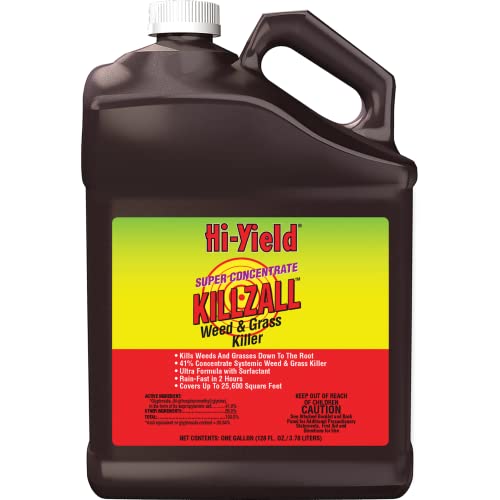
Hi-Yield (33693) Super Concentrate Killzall Weed & Grass Killer, 1 gal

Hi-Yield (33431) Atrazine Weed Killer RTS, 32 oz

Spectracide Weed Stop For Lawns Plus Crabgrass Killer Concentrate

Ortho BugClear Lawn Insect Killer Granules

Southern Ag Atrazine St. Augustine Grass Weed Killer, 1 Gallon
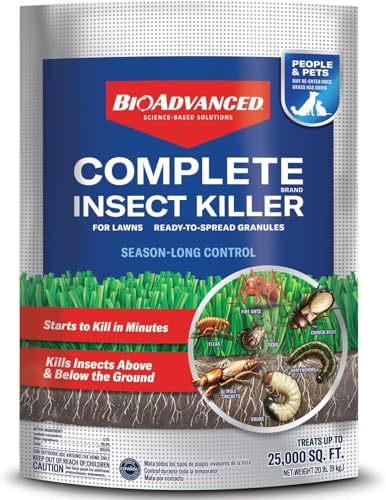
BioAdvanced Complete Brand Insect Killer for Lawns Granules

Agrisel Bifenthrin Pro 7.9 Insecticide, 1 Gallon

Scotts Liquid Green Max Lawn Food, 32 oz.
The Picks, Examined More Closely
Killzall is a non-selective herbicide, which means it kills whatever green it touches, including your lawn. That sounds contradictory in a St. Augustine roundup, yet it earns a place here for the spots where grass never belongs: driveway cracks, fence lines, gravel paths, and patio edges. The one-gallon concentrate dilutes down and covers broad ground, so a single bottle can clear a heavily weeded side yard in an afternoon.
Unlike the lawn-safe picks further down this list, Killzall is the tool for prepping bare soil or reclaiming an overrun area before you lay new sod. Treat it as a perimeter product, not a broadcast product, and you avoid the classic mistake of accidentally wiping out turf you wanted to keep.
Real Benefits
- Dries on plant surfaces quickly, which speeds up visible results in warm weather.
- One gallon can cover a substantial footprint, useful for larger non-lawn zones.
- Works on tough grasses and broadleaf weeds that crowd paved areas.
- Concentrate format keeps storage compact compared to ready-to-use jugs.
Things To Consider
- Will damage or kill St. Augustine grass on contact, so spray shields matter.
- Mixing ratios vary by target weed, meaning you measure carefully rather than eyeball.
Who It Suits Best
Homeowners clearing fence rows, driveways, and edges before renovating a St. Augustine lawn.
Swap It Out When
Reach for Southern Ag Atrazine Weed Killer instead when weeds are growing inside the lawn and you need a grass-safe selective product.
This 32-ounce ready-to-spray bottle is built for homeowners who want a single-button solution. Atrazine (a selective herbicide that targets broadleaf weeds while leaving certain turfgrasses intact) makes it one of the few products labeled for use on St. Augustine, and the RTS format removes the measuring-and-mixing step that sends some first-timers back to the garage three times.
The bottle treats a modest lawn footprint, which works well for townhouse strips, narrow side yards, or a single front yard. If you have a half-acre lawn, plan on multiple bottles or step up to the concentrate version covered later. Either way, timing matters: applications during the active weed-growth window bring the cleanest results.
Real-World Strengths
- Labeled for St. Augustine and Centipedegrass, narrowing the list of safe options.
- No mixing required, which suits anyone new to lawn chemistry.
- Targets common offenders like henbit, clover, and chickweed.
Points To Keep In Mind
- Coverage is modest, so larger lawns may need the concentrate form to be practical.
- Storage in a hot shed can shorten shelf life, a common issue with ready-to-spray herbicide bottles.
Quick Facts
Right Fit For
New homeowners treating broadleaf weeds in a modest St. Augustine lawn for the first time.
Reach For A Different Pick When
Move to the Southern Ag Atrazine gallon when you have a property-wide infestation to clear and need concentrate economics.
Spectracide’s Weed Stop tackles a long list of broadleaf weeds along with crabgrass, which is the combo many lawns actually need. The concentrate format makes sense for suburban yards in the 5,000 to 10,000 square foot range, where a single 32-ounce bottle stretches across multiple treatments. It also fits cleanly alongside a hose-end sprayer you may already own.
One honest caveat: this product is not labeled for every warm-season grass, so double-check the label before spraying a St. Augustine lawn you just established. For cool-season and compatible warm-season turfs, the broad-spectrum coverage is the main reason it stays popular season after season.
Noteworthy Benefits
- Addresses both broadleaf weeds and crabgrass in one pass.
- Concentrate pricing typically beats ready-to-spray equivalents for repeat users.
- Pairs with most standard hose-end or tank sprayers.
Where It May Fall Short
- Confirm grass-type compatibility on the label before use on St. Augustine.
- Mixing precision matters; sloppy ratios can stress desirable turf.
Best Suited To
Homeowners with cool-season or compatible warm-season lawns managing mixed weed pressure.
Look Elsewhere When
Hi-Yield Atrazine RTS is the safer confirmed match when you specifically want a St. Augustine-labeled weed killer.
BugClear arrives in granules, which means you skip the sprayer entirely and push a spreader across the lawn. The 20-pound bag covers up to 20,000 square feet, so one pass typically handles a typical suburban yard with room to spare. It targets armyworms and sod webworms (caterpillar pests that chew grass blades at night) along with ants, ticks, fleas, and spiders, which is why it appeals to households with kids, pets, and active outdoor living.
For St. Augustine specifically, the contact-and-residual profile is useful when chinch bugs and other surface pests show up in summer. Apply with a standard Scotts-style spreader, water the granules in afterward, and the active ingredient moves into the thatch layer where pests actually live.
Practical Advantages
- Granular format eliminates sprayer cleanup and drift onto neighbors’ property.
- Treats both above-ground and below-ground insects in one application.
- Bagged form stores neatly in a garage between seasonal treatments.
Practical Considerations
- Watering-in after application is required to activate the granules.
- A 20-pound bag is heavy to haul, especially up porch steps or onto upper shelves.
Key Product Details
Whose Shelf It Belongs On
Homeowners fighting active surface-insect outbreaks who prefer spreader application over mixing and spraying.
Where Another Pick Suits Better
BioAdvanced Complete Brand Insect Killer covers a broader pest list including grubs and mole crickets when soil-dwelling insects are the main concern.
This is the larger cousin of the Hi-Yield RTS bottle covered earlier, and it sits in the same atrazine family. The gallon concentrate gives you mixing flexibility, which matters when you’re treating multiple lawn zones or working through the seasonal weed cycle without restocking. It is labeled for St. Augustine and Centipedegrass, which keeps it inside the safe-for-lawn category.
Beyond broadleaf suppression, it offers some crabgrass control and acts on both emerged weeds and fresh seed. That double action is helpful during fall transitions when winter annuals are germinating beneath an otherwise green lawn.
What Pays Off
- Concentrate economics beat RTS bottles once you cross a few thousand square feet of lawn.
- Targets emerged weeds plus fresh seed germination in one program.
- Compatible with St. Augustine and Centipedegrass.
Trade-Offs To Consider
- Requires accurate measuring and a dedicated sprayer, adding setup time.
- Storage of an open concentrate jug benefits from a cool, shaded spot to maintain strength.
Built With In Mind
Property managers and homeowners with mid-size to large St. Augustine lawns planning a season-long weed program.
Skip It When
Pick the BioAdvanced Insect Killer granules instead if your primary problem is insect activity rather than broadleaf weeds.
BioAdvanced’s Complete formula pushes further than BugClear on the pest list, adding chinch bugs, mole crickets, and grubs to the kill sheet. For Southern lawns, chinch bugs and grubs are the headline pests that turn green turf brown in patches, so a granular product that handles both above and below the soil line saves a trip to the spreader shed.
The trade-off shows up when you want season-long protection without reapplying. BioAdvanced markets extended control against listed pests, which in practice means one well-timed application in late spring or early summer can carry through the heaviest insect pressure window. Always check the current label for your specific pest list before committing.
Everyday Perks
- Tackles chinch bugs, mole crickets, and grubs, all common St. Augustine threats.
- Granular format keeps application simple for any homeowner with a spreader.
- Ready-to-spread, no mixing stage.
Honest Caveats
- Surface insects get killed on contact, while soil pests rely on the residual, so timing matters.
- A 20-pound bag is bulky and benefits from a covered storage bin in the garage.
Feature Snapshot
Made For
Southern homeowners who deal with both surface-feeding insects and soil-dwelling grubs in a single treatment window.
Consider Something Else When
Ortho BugClear Granules are a lighter-duty alternative when grubs and mole crickets are not part of your problem list.
Bifenthrin is a synthetic pyrethroid (a man-made insecticide modeled after natural chrysanthemum compounds) that shows up across professional pest-control work, and Agrisel’s Pro 7.9 packs it into a gallon concentrate for serious coverage. The active ingredient targets ants, spiders, fleas, ticks, mole crickets, and even stink bugs, which gives it crossover appeal for anyone managing lawn and perimeter pests together.
For St. Augustine lawns, bifenthrin products can be a smart chinch-bug and grub option, though label guidance and personal protective equipment matter more here than with consumer-grade granules. If you’ve sprayed concentrates before, the Pro 7.9 fits a familiar routine; if you haven’t, the learning curve is real.
What Stands Out
- Broad-spectrum pest coverage across lawn and perimeter use cases.
- Concentrate format scales to large properties and repeat applications.
- Long-standing active ingredient used in professional treatments.
Factors To Consider
- Concentrate handling demands gloves, eye protection, and a clean sprayer setup.
- Re-entry intervals and drying time affect how soon family and pets can return to treated areas.
Who Should Grab It
Experienced DIYers and pros treating large lawns or multi-zone properties with a single concentrate.
A Better Fit Elsewhere
BioAdvanced Complete Insect Killer Granules are friendlier for homeowners who want spreader-only application without concentrate handling.
Liquid Green Max is technically a fertilizer rather than an insecticide, but it earns its spot because healthy St. Augustine recovers faster from pest damage. The 2-in-1 liquid feed combines nutrients with an iron supplement, and iron is what flips a tired lawn toward that deep green color. Pair it with one of the granular insecticides above, and you get a feed-and-defend routine without juggling two dry products.
Application is a hose-end sprayer job, which means setup and cleanup are minimal compared to concentrate mixing. For quick visual recovery after a chinch bug flare-up or a summer stress event, this fits a weekend lawn-care plan without much fuss.
Standout Benefits
- Adds iron alongside nitrogen for fast visible greening.
- Compatible with any grass type, including St. Augustine.
- Hose-end application reduces measuring and container waste.
Less Ideal Details
- Does not address pests directly, so it pairs with an insecticide rather than replacing one.
- Liquid spills can stain concrete, so aim carefully along driveway edges.
Perfect Match For
Homeowners wanting a one-step color boost while their St. Augustine rebounds from heat or pest stress.
Not Your Match When
Ortho BugClear Granules are the better pick when insect control is the actual goal and greening is secondary.
Picking the Right Product for Your Lawn Situation
Start with the pest, not the product. Chinch bugs and grubs need different active ingredients than broadleaf weeds do, and mixing them up is the fastest way to waste a treatment window. A quick walk across the lawn before dawn often reveals whether the problem is chewing damage (visible brown patches that lift like carpet) or weed takeover (broadleaf plants outcompeting turf).
Match the format to your comfort level. Granules suit homeowners who already own a spreader and dislike mixing concentrates. Ready-to-spray bottles help beginners cover small lawns without measuring. Concentrates reward experienced users with lower per-treatment cost on larger properties, but they demand protective gear and accurate ratios.
Read the label for your specific grass. St. Augustine is sensitive to several common herbicides, and only a handful are labeled safe. The two atrazine products in this roundup are confirmed matches, while others vary by label revision. Always confirm grass compatibility and re-entry intervals on the current bottle before spraying, and keep children and pets off treated surfaces until products have dried.
What To Weigh Before You Buy
Traps First Timers Fall Into
Grabbing a non-selective herbicide like Killzall and broadcasting it across the lawn is the most common beginner mistake. These products kill grass along with weeds, leaving dead patches that take weeks to fill in. Another frequent miss is treating weeds at the wrong time of year. Atrazine works on actively growing weeds, so a fall or winter application on dormant plants accomplishes little. Finally, skipping calibration on a new spreader often leads to streaks of under-treated and over-treated turf.
What Separates Premium From Basic
The jump from consumer granules to a concentrate like Agrisel Bifenthrin Pro usually buys broader pest coverage, longer residual control, and lower cost per square foot over a season. The catch is handling complexity, sprayer investment, and label-driven safety steps. If your lawn is small and your pest pressure is light, a granular consumer product delivers enough without the extra steps. Larger properties with recurring chinch bug or grub pressure often recoup the learning curve quickly.
Frequently Asked Questions
Can any insecticide be used on St. Augustine grass?
No. St. Augustine is sensitive to several common lawn chemicals, so always confirm the product label lists it as a compatible grass type. The atrazine-based options in this roundup are confirmed matches, while others vary by label revision.
How often should insecticides be applied to St. Augustine?
Most granular insecticides are applied once or twice per season, typically in late spring and mid-summer during peak pest activity. Concentrate products may require different intervals, so check the current label for timing and re-treatment guidance.
Is it safe to use liquid fertilizer after insecticide treatment?
Yes, but wait until the insecticide has dried or reached the recommended re-entry interval before applying fertilizer. Pairing Liquid Green Max with a granular insecticide is a common recovery routine.
Will insecticides harm pets or children?
Most modern lawn insecticides require drying time before safe re-entry. Keep pets and kids off treated surfaces until granules have been watered in or sprays have dried, and follow the re-entry interval on the current label.
Do I need a professional for chinch bug control?
Chinch bug outbreaks can escalate quickly on St. Augustine, but granular consumer products like BioAdvanced Complete Insect Killer handle mild to moderate cases. Severe or recurring infestations may warrant a professional assessment.
Closing Remarks
St. Augustine rewards steady attention more than heavy intervention. Match the pest to the active ingredient, confirm grass compatibility on the label, and pick the format that fits your equipment and patience. The right combination turns a stressed lawn back toward thick, green growth without the guesswork.
