

Weevils show up in pantries, on ornamentals, and along garden beds, and the right spray changes everything once they’ve settled in. This roundup focuses on eight formulas worth your attention, from aerosol cans for quick crack-and-crevice work to concentrates built for whole-yard coverage. Whether you’re guarding stored grains or protecting a flower bed, the picks below cover a range of scenarios without overselling a single one.
A Quick View Of The Lineup

NXT 15oz (82770012)

BioAdvanced 3-in-1 Insect, Disease & Plant Mite Control Spray 24 fl oz
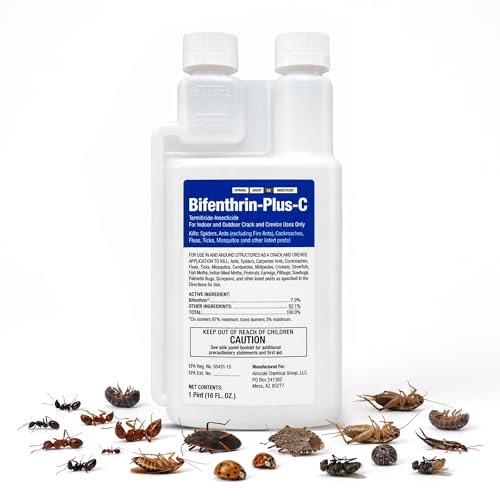
Bifenthrin Plus-C Insecticide 16 oz

Agrisel Bifenthrin Pro 7.9 Insecticide 1 Gallon

ARBER Organic Insecticide Spray 16 oz

Sevin Garden Perimeter Insect Killer Granules II

BASF PT Phantom II Pressurized Insecticide 14 oz

Atticus Spliven Organic Insecticide 32 oz Spinosad Concentrate
A Closer Look At Each Pick
The NXT aerosol leans on a four-ingredient blend rather than a single active, which matters in stored-product pest work where resistance has quietly built up in many pantry populations. The can pairs indoxacarb with imidacloprid, letting you reach cracks behind baseboards, along shelf edges, and inside cabinet seams without mixing anything yourself.
Compared with the BioAdvanced spray below, this one is built for indoor structural use rather than foliar feeding on ornates. For a homeowner facing an established weevil problem in bulk rice, flour bins, or pet food storage, the residual window keeps working on surfaces long after you’ve closed the cabinet.
Useful Strengths
- Four-way active blend delays resistance in tough pantry pest populations.
- Approved for food-handling areas when used as the label directs.
- Aerosol format reaches tight cracks without separate sprayer gear.
- Long residual activity reduces repeat applications in heavy infestations.
Honest Caveats
- PPE, including long sleeves and socks, is required during application.
- Stronger chemistry than organic options, so households with curious pets need extra planning.
Right Fit For
Homeowners with a serious pantry weevil outbreak who want a single-can solution that handles cracks, voids, and shelf seams in one pass.
Where Another Pick Suits Better
Organic gardeners tending edible crops will find the Atticus Spliven Organic Insecticide a closer match for their needs.
BioAdvanced’s 3-in-1 trades single-target focus for breadth, tackling insects, listed plant diseases, and spider mites in one bottle. For a backyard gardener watching black spot, powdery mildew, and a chew-marked shrub at the same time, that combination cuts down the equipment list fast.
Unlike the Agrisel concentrate below, this comes ready to spray with no mixing or calibration, so new gardeners don’t have to learn dilution ratios. Weevils attacking ornamentals or root weevils chewing through rose and azalea leaves benefit most when this is applied at first sign of damage rather than after populations have spread.
Useful Highlights
- Three jobs in one bottle saves shelf space and buying trips.
- Ready-to-use format removes mixing guesswork for new gardeners.
- Targets foliar pests and disease pressure together, ideal for ornamentals and shrubs.
Points To Note
- Not designed for stored-product pantry weevils, so it does double duty only outdoors.
- Larger bottle may be overkill for a single houseplant situation.
Built With In Mind
Ornamental gardeners managing multi-pest pressure on roses, azaleas, and similar flowering shrubs will appreciate the broad coverage.
Consider Something Else When
A homeowner facing indoor pantry weevils should reach for the NXT aerosol instead, since that product is built for food-handling spaces.
The Bifenthrin Plus-C concentrate delivers a generous 16-ounce bottle that mixes with water, giving you control over how much area a single purchase covers. For homeowners comfortable measuring dilution, the formula extends from a small patio to a full garage or perimeter band.
Where the BASF aerosol leans into commercial-grade indoor control, this liquid concentrate focuses on perimeter and outdoor perimeter defense. It’s a flexible option for people who already own a pump sprayer and want one bottle to cover lawns, foundations, fence lines, and ornamental beds.
The Case For It
- Concentrate format stretches a single bottle across many applications.
- Works indoors and outdoors for general perimeter defense.
- Pairs with any standard pump sprayer already on the shelf.
- Targets a wide pest range from termites to roaches to chewing weevils.
Worth Noting
- Mixing and calibration add a learning step for first-time users.
- Coverage claims depend heavily on sprayer quality and walking pace.
Best Suited To
DIY homeowners who already own a pump sprayer and want one concentrate to handle multiple pest zones around the property.
Skip It When
Beginners without sprayer gear will find the ARBER Organic Insecticide Spray a friendlier starting point.
The Agrisel gallon is sized for people who measure pest pressure in acres rather than square feet. A one-gallon jug of concentrate covers substantial lawn, ornamental, and structural perimeter work before you need to reorder, which suits property owners managing multi-zone layouts.
For typical suburban lots, the smaller Bifenthrin Plus-C above handles the job without leftover storage headaches. The Agrisel formula becomes worth the upgrade when you’re running a small farm, managing multiple rental units, or maintaining grounds where monthly treatments are part of the routine.
Good Reasons To Consider
- One-gallon size covers large properties without frequent reordering.
- Effective across lawn, ornamental, and agricultural settings.
- Becomes pet-safe after drying, according to the product description.
- Tackles spiders, ants, fleas, mole crickets, and a wide chewing-insect range.
Things To Consider
- Larger jug needs cool, dry storage away from children and pets.
- Overkill for small urban lots where the 16-ounce concentrate is enough.
Who Should Grab It
Property managers, small-acreage owners, and serious gardeners who treat broad outdoor areas on a recurring schedule.
A Better Fit Elsewhere
Casual suburban gardeners may find the Sevin Garden Perimeter Granules easier to apply without mixing.
ARBER’s ready-to-spray bottle takes the chemistry intimidation out of pest control for houseplant owners and edible gardeners. The organic biological formula targets gnats, aphids, whiteflies, mealybugs, and spider mites without the PPE routine stronger synthetics demand.
Against the BASF pressurized can above, ARBER trades raw knockdown power for a gentler profile that fits windowsills and herb gardens. Foliage-feeding weevils on container plants respond well when treated at the first sign of chewing damage, so a 16-ounce bottle goes further than expected in a small indoor collection.
The Value In It
- Organic biologicals suit indoor plants and edible herb gardens.
- Penetrates both foliage and root-zone activity, which broadens where it works.
- No mixing means zero calibration errors for new plant owners.
- Compact 16-ounce bottle stores easily on a gardening shelf.
Soft Spots
- Soft organic chemistry means more frequent reapplication on heavy infestations.
- Less suited to large outdoor perimeter jobs where gallon concentrates save effort.
Whose Shelf It Belongs On
Houseplant hobbyists and kitchen-garden growers who want gentle control without mixing chemicals or suiting up.
Not Your Match When
Owners managing a broad lawn or perimeter barrier will get better mileage from the Agrisel Bifenthrin Pro 7.9.
Sevin’s granular format offers a different rhythm from sprays: shake, spread, and let the barrier do the work along garden edges and foundation lines. Granules suit gardeners who want to avoid spraying open blooms and prefer a low-effort application on dry mornings.
The BioAdvanced 3-in-1 covers foliage feeding; Sevin covers perimeter defense. Spreading along fence lines, around sheds, and beneath foundation shrubs creates a long-lasting barrier that targets weevils and other crawling pests before they reach prized plants.
Real-World Strengths
- No sprayer or mixing required, just a spreader or hand application.
- Long-lasting barrier reduces repeat applications across a full growing season.
- Useful around vegetable garden borders without coating edible foliage directly.
Trade-Offs
- Granules need watering in to activate, so dry gardens demand extra irrigation time.
- Spread pattern depends on application technique, so uneven coverage is a common issue.
Perfect Match For
Garden owners who prefer a low-spray perimeter strategy and want an easy barrier along beds, sheds, and foundation lines.
Reach For A Different Pick When
Container gardeners and indoor plant owners will get more useful coverage from ARBER Organic Insecticide Spray.
BASF’s PT Phantom II uses chlorfenapyr, a pro-insecticide that converts to a more toxic form once inside the pest. That metabolic activation helps the formula stay effective against cockroach strains and other insects that have grown resistant to common pyrethroid sprays, a meaningful edge in commercial kitchens and accounts with long pest histories.
The NXT aerosol above targets pantry pests directly; Phantom II targets structural pests more broadly with a non-repellent profile. Weevils entering buildings through foundation gaps or stored-product transitions respond well when Phantom II is applied as part of a broader pest management routine.
Reasons It Performs
- Non-repellent formula avoids the avoidance behavior that ruins some treatments.
- Activates inside the pest, lowering resistance risk over time.
- Suitable for restaurants, hospitals, schools, and food-handling spaces.
- Targets a wide insect range from cockroaches to bed bugs to Asian lady beetles.
- Pressurized can means no separate sprayer purchase required.
Less Ideal Details
- Label requires PPE including long sleeves, pants, shoes, and socks during application.
- State restrictions may limit availability in certain locations, so checking local rules matters.
Who Will Love This
Facility managers and homeowners dealing with stubborn indoor infestations where resistance has already shown up against basic sprays.
Look Elsewhere When
Organic gardeners and edible-crop growers will prefer the Atticus Spliven Organic Insecticide for plant-focused control.
Atticus Spliven delivers the same active ingredient found in leading organic brands, packaged in a 32-ounce concentrate for gardeners who treat larger beds without losing organic certification status. Spinosad works through contact and ingestion, hitting chewing pests on vegetables, berries, and ornamental flowers.
The Sevin granules above handle perimeter work; Spliven handles in-bed treatment on crops where organic compliance matters. Root weevils, bean weevils, and other foliage-chewing pests respond to spinosad when applied at the labeled timing intervals, and the 32-ounce size covers a productive growing season for most home plots.
What Stands Out
- OMRI-listed for organic gardening, supporting certified organic operations.
- Spinosad active ingredient matches leading organic brand profiles.
- Concentrate format scales from a small bed up to a full vegetable garden.
- Works through both contact and ingestion paths for chewing weevils.
A Few Limitations
- Mixing and sprayer ownership required, unlike the ready-to-use ARBER bottle.
- Soft on bees when wet, so timing applications outside bloom windows matters.
Made For
Organic vegetable gardeners managing chewing weevils and other foliage pests on edible crops where certification matters.
Swap It Out When
People wanting a no-mix convenience formula for a small herb garden should consider ARBER Organic Insecticide Spray instead.
What Matters Most Before Choosing Insecticides For Weevils
Match the Formula to the Location
Weevils in stored pantry goods behave very differently from the ones chewing through ornamental shrubs. Active ingredients like indoxacarb and bifenthrin work well indoors and around foundations, while spinosad-based organic options suit outdoor edible gardens. Choosing the wrong category often leads to wasted product and weak results, so matching the formula to where the pest lives comes first.
Read the Active Ingredient, Not Just the Brand
Two products with similar marketing copy can rely on entirely different actives. Indoxacarb, imidacloprid, bifenthrin, chlorfenapyr, and spinosad each hit pests through different biological paths. Rotating or selecting across multiple modes of action delays resistance, which matters once a population has settled in for several seasons.
Consider the Application Format
Ready-to-spray bottles help beginners and small-space gardeners. Concentrates save money for anyone with a pump sprayer and recurring treatments. Granules work well along garden perimeters where spraying open blooms feels risky. Pressurized aerosols cover indoor structural gaps where mixing is impractical.
Weigh Reapplication and Storage
Organic options usually need more frequent reapplication, while synthetic residuals last longer but demand stricter PPE and storage. A gallon concentrate saves trips but needs a cool, dry storage spot away from children and pets. Buying more than you’ll use rarely pays off in this category.
Key Considerations Across These Picks
Mistakes Worth Dodging
Many shoppers reach for the strongest chemistry without thinking about whether the pest location actually calls for it. Pantry infestations rarely need a gallon concentrate, and outdoor perimeter work doesn’t benefit from a small ready-to-spray indoor aerosol. Buying to match the scale of the problem matters as much as the active ingredient. Reading the label before purchase also catches state-specific restrictions, which can apply to stronger synthetics.
What The Higher Tier Buys
Premium picks like the BASF Phantom II earn their position through non-repellent chemistry and resistance-managing actives that simpler sprays cannot match. You pay more for a formula that stays effective against tough pest populations and works in commercial-grade settings. For most homeowners, mid-tier concentrates cover the routine job; the upgrade earns its keep in accounts with established resistance or recurring pressure.
Frequently Asked Questions
Which active ingredient works best against pantry weevils?
Indoxacarb and imidacloprid combinations tend to perform well in stored-product settings because they reach cracks and voids where adult weevils hide. Aerosol formulations designed for food-handling areas, like the NXT can, pair those actives in a single container.
Can organic sprays handle a heavy weevil infestation?
Organic options like spinosad concentrates and biological sprays work best when applied early and on a recurring schedule. They handle light to moderate pressure well, but heavy infestations may need a stronger synthetic or a combined treatment approach.
Do I need a pump sprayer for concentrates?
Most concentrates, including the Bifenthrin Plus-C and Atticus Spliven, require a separate pump sprayer for application. Beginners often prefer ready-to-spray bottles like the ARBER Organic Insecticide to skip the mixing step.
How long does residual control last outdoors?
Granular perimeter treatments like Sevin’s typically last through a full growing season, while sprays generally need reapplication every few weeks depending on rainfall and pest pressure.
Is PPE required for household insecticide use?
Stronger synthetics like BASF Phantom II and the NXT aerosol require long sleeves, pants, shoes, and socks during application. Organic and biological options usually need far less protective gear, which is one reason many home gardeners prefer them.
Closing Remarks
The right pick depends on where the weevils live, how much area you’re covering, and how comfortable you are with mixing and PPE. Pantry outbreaks call for an indoor aerosol, garden beds benefit from an organic concentrate, and broad properties earn their keep with a gallon-sized synthetic. Match the formula to your real scenario, and you’ll spend less time chasing recurrences and more time enjoying the space you’re protecting.
