

Warmer weather brings people outdoors, and so do mosquitoes, ants, ticks, and a long list of yard pests that show up uninvited. Choosing the right yard insecticide comes down to your target pest, the size of the property, and whether you’d rather grab a ready-to-spray bottle or mix a concentrate. This list covers eight solid options across dusts, RTS bottles, and one-gallon concentrates so you can match the formula to the job.
Your Options, Compared

Atticus Tirade 1% Dust Insecticide (1.25lb)

Control Solutions Cyonara RTS Insect Control 32oz

Agrisel Bifenthrin Pro 7.9 Insecticide 1 Gallon

Talstar One Bifenthrin Insecticide 1 Gallon
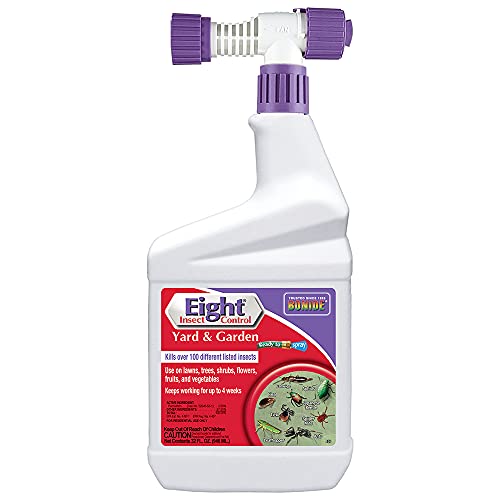
Bonide Eight Insect Control RTS 32 oz

Ortho Outdoor Insect Killer Concentrate 32 oz

Amdro Quick Kill Insect Killer RTS 32 Oz

BioAdvanced Complete Insect Killer RTS 32 oz
Why These Options Stand Out
Not every yard pest shows up where a hose-end sprayer can reach, and that is exactly where Atticus Tirade earns its slot on this list. The 1.25-pound canister holds a fine cyfluthrin-based dust (a fast-acting synthetic pyrethroid that disrupts insect nervous systems) that you puff directly into wall voids, attic edges, eaves, and the gaps under decking. Compared with the spray concentrates further down this roundup, this is a targeted tool rather than a broadcast treatment.
For shoppers dealing with a single yellowjacket nest under the porch or carpenter bee holes in the fascia, a dust lets you treat the exact spot without dousing the whole yard. The formula arrives premixed and ready to use, so you skip the measuring step that gives concentrates their learning curve.
Well-Handled Touches
- Reaches eaves, soffits, and wall voids that liquids cannot penetrate easily.
- No mixing required, which shortens setup time for one-off jobs.
- Targets listed flying and wood-infesting pests in a single application.
- 1.25-pound size covers several small nest or burrow treatments.
Worth Noting
- Dust drifts on breezy days, so calm mornings are the practical window.
- Not designed for broadcast lawn coverage where sprays dominate.
- Re-entry and ventilation rules on the label need a careful read before indoor-adjacent use.
Who It Suits Best
Homeowners chasing wasps, bees, or listed crawling insects hiding in tight structural gaps rather than open turf.
Look Elsewhere When
Talstar One Insecticide 1 Gallon is the better pick when you need a perimeter spray across a large foundation rather than spot crevice work.
If the goal is to knock down mosquitoes before a backyard dinner, the Control Solutions Cyonara RTS (Ready-To-Spray) bottle removes every excuse to delay the job. You twist the hose connection, spray, walk the perimeter, and put the bottle away. Compared with the Atticus dust above, this is the broadcast-style product designed for open lawn and shrub coverage.
The 32-ounce bottle ships compact and the RTS head means no pump sprayer to clean afterwards. For most suburban lots, one bottle covers the listed treatment area when applied according to the label.
Reasons It Performs
- Hose-end design cuts out measuring and pump cleanup.
- Targets listed mosquitoes and general lawn insects in one pass.
- Compact bottle fits a standard gardening hose hookup with no adapter.
Trade Offs
- Smaller bottle means refills for properties over a half acre.
- Coverage depends on consistent walking pace across the lawn.
The Right Fit
First-time homeowners with a modest lot who want a quick evening application without mixing chemicals.
Swap It Out When
Agrisel Bifenthrin Pro 7.9 Insecticide 1 Gallon suits shoppers with acreage who would rather mix a concentrate than refill RTS bottles.
When the lot stretches past a half acre, a 32-ounce RTS bottle burns through fast, and that is the gap the Agrisel Bifenthrin Pro 7.9 fills. The one-gallon jug of bifenthrin concentrate (a synthetic pyrethroid widely used in professional perimeter work) mixes down into a pump sprayer that covers a lot of ground per fill. This is the kind of product used by lawn-care contractors and homeowners who treat the same yard several times a season.
You give up the grab-and-go convenience of Cyonara in trade for a far lower cost per treated square foot. The trade shows up clearly once the property size crosses the quarter-acre mark.
Everyday Perks
- One gallon stretches across multiple lawn applications per season.
- Listed for spiders, ants, fleas, mole crickets, and stink bugs.
- Works on lawns, ornamental beds, and agricultural-adjacent settings.
- Once dry, the formula is pet-safe per the listed label guidance.
Possible Compromises
- Requires a pump sprayer, which adds gear to clean and store.
- Mix ratios on the label take a careful read the first time.
Key Advantages
Whose Shelf It Belongs On
DIYers on acreage who treat the yard several times a season and own a dedicated pump sprayer.
A Better Fit Elsewhere
Talstar One Insecticide 1 Gallon is the right call when you want a brand-name bifenthrin concentrate with a long reputation in the pest-control trade.
Talstar is one of those names that keeps surfacing in pest-control forums, and the one-gallon concentrate is the same jug many operators keep on the truck. Compared with the Agrisel jug above, Talstar carries the longer brand track record for perimeter spraying around foundations, doors, and window frames. The label lists more than 75 pests, which puts it in the same broad-spectrum conversation as the Ortho and BioAdvanced bottles later in this list.
The honest read is that Talstar and Agrisel are close cousins in active ingredient, so the choice often comes down to brand familiarity and local availability. For shoppers building a perimeter barrier around a slab-on-grade home, Talstar’s label guidance is a steady reference.
Notable Gains
- Long-standing bifenthrin formula familiar to many applicators.
- Lists more than 75 pests, covering most yard and perimeter cases.
- Designed for foundation, door, and window frame spraying.
Small Caveats
- Concentrate format means buying or owning a pump sprayer.
- Mixing takes patience for first-time applicators.
Who Will Love This
Homeowners building a perimeter barrier around the foundation and willing to mix concentrate.
Consider Something Else When
Ortho Outdoor Insect Killer Concentrate 32 oz fits shoppers who want a smaller jug with a more beginner-friendly mixing ratio.
Bonide Eight earns its spot because the label covers the surfaces that matter to a mixed backyard: lawns, shrubs, flowers, fruit, vegetables, and the outside of the house. The 32-ounce RTS format works the same way as the Cyonara bottle above, twist the hose and spray. Where this one pulls ahead is the wider use list, which matters when your yard doubles as a vegetable garden.
The label lists more than 100 insects, which makes it a flexible single-bottle option for households that don’t want to keep two products on the shelf. Outdoor-only use, since the label excludes indoor living spaces.
Points In Its Favor
- Listed for vegetables, fruit, nuts, and ornamentals on the same bottle.
- Targets over 100 insect types per the label.
- Hose-end format removes the need for a separate sprayer.
- Works on sidewalks, patios, and porch exteriors as well as lawn.
Factors To Consider
- Not approved for indoor use inside the home.
- Vegetable gardeners still need to observe pre-harvest intervals on the label.
Feature Snapshot
Made For
Vegetable gardeners and mixed-yard households who want one bottle to cover both beds and lawn.
Another Choice May Suit
BioAdvanced Complete Brand Insect Killer RTS is the better match when the priority is soil and turf pests like grubs rather than surface feeding.
The Ortho jug is the friendliest entry point for someone who has never mixed a concentrate before. The 32-ounce bottle dilutes into a standard pump or hose-end sprayer with a ratio that is hard to misread. Per the label, it covers a long list of outdoor insects and is approved for use on flowers, vegetable gardens, fruit trees, and lawn, which mirrors the versatility of the Bonide Eight above.
For first-time DIYers, this is a low-stakes way to start a perimeter routine without buying a one-gallon jug of concentrate they may not finish in a season.
Why It Works Well
- Beginner-friendly mixing ratio for a standard pump sprayer.
- Covers lawn, flowers, vegetables, and fruit trees.
- Smaller 32-ounce jug suits seasonal use without leftover storage.
A Few Limitations
- Not the cheapest per treated square foot among concentrates.
- Heavier yards may need repeat applications through the season.
Perfect Match For
First-time DIYers who want a concentrate without committing to a full gallon jug.
Skip It When
Control Solutions Cyonara RTS fits better for shoppers who want to skip mixing entirely and treat the yard in a single hose session.
Amdro built its name on fire ant products, and the Quick Kill RTS bottle extends that reputation into general yard insect control. The label lists more than 500 insects, which puts it in the same broad-spectrum conversation as the BioAdvanced bottle that closes this list. The RTS hook-and-go format works the same way as the Cyonara and Bonide Eight bottles above, so the learning curve is the twist of a hose fitting.
Where this one earns attention is the multi-pest list that includes cicadas, Japanese beetles, chinch bugs, and mosquitoes in the same application window.
What It Does Well
- Listed coverage spans cicadas, beetles, mosquitoes, and chinch bugs.
- No mixing or pump sprayer required for application.
- Brand familiarity from Amdro’s fire ant line carries over.
Less-Strong Areas
- 32-ounce bottle runs out fast on larger properties.
- Coverage of soil-dwelling grubs is thinner than the BioAdvanced bottle below.
Right Fit For
Homeowners who deal with a rotating cast of surface insects through the season and prefer one bottle to cover most of them.
Reach For A Different Pick When
BioAdvanced Complete Insect Killer RTS is the stronger soil-and-turf option when grub control is the priority.
Closing the list is the bottle built for the part of the yard that RTS concentrates sometimes overlook: the soil. BioAdvanced’s Complete Insect Killer is labeled for soil and turf, which puts it in the grub-and-tick conversation more than the surface-feed category. It still lists over 500 insects and includes mosquitoes on the surface, so it covers both layers in one bottle.
For shoppers whose main complaint is brown patches from grubs or a tick problem in tall grass, this is the bottle to reach for before the Amdro jug above.
The Practical Payoff
- Labeled for soil and turf where grubs and ticks hide.
- Listed coverage includes over 500 surface insects plus mosquitoes.
- Hose-end format suits homeowners without a pump sprayer.
- One bottle covers lawn plus ornamental edges around the home.
Worth Bearing In Mind
- Soil and turf focus means it is not a structural pest product like the Atticus dust.
- 32-ounce size runs short on lots beyond a third of an acre.
Feature Card
Best Suited To
Homeowners fighting grubs in the lawn and ticks in the grass who want one bottle for both jobs.
Where Another Pick Suits Better
Bonide Eight Insect Control RTS is the right answer when vegetable and fruit beds are part of the treatment plan rather than turf alone.
Choosing The Right Yard Insecticide For Your Property
Match The Format To The Pest
Dust formulas like the Atticus Tirade target tight structural gaps where sprays cannot reach, while ready-to-spray bottles suit quick perimeter passes around a modest lot. Concentrates are the right call for any property over a quarter acre, since mixing one gallon into a pump sprayer costs far less per square foot than refilling RTS bottles. The format should follow the pest and the property, not the other way around.
Read The Active Ingredient Twice
Cyfluthrin and bifenthrin are both synthetic pyrethroids (lab-made insecticides modeled on natural chrysanthemum compounds), and they sit at the heart of most products on this list. Bifenthrin concentrates such as Talstar One and Agrisel Pro 7.9 tend to dominate perimeter spraying because the chemistry holds up well on foundations and lawn edges. The first time you see the active ingredient, glance at the listed pest count on the label and the use sites; those two details do most of the decision-making.
Time Applications To Pest Behavior
Most yard insecticides work by contact, so evening or early morning applications land on insects that are out foraging. Treat before a heavy rain is expected, since runoff reduces coverage. For tick and grub control, soil and turf products like BioAdvanced Complete are typically watered in after application, per the label.
Respect The Re-Entry Window
Pets and kids want to be back on the lawn as soon as possible, but the label is the source of truth on when re-entry is safe. Some products allow re-entry once the surface dries, while others call for a longer interval. Following the label keeps everyone safe and keeps the product working as designed.
Key Considerations Across These Picks
Pitfalls Shoppers Hit
The most common slip is grabbing a broad-spectrum concentrate when a 32-ounce RTS bottle would have done the job, leaving half a jug in the garage by fall. The reverse is just as common: buying a single RTS bottle for a full acre and running out mid-yard. Read the label’s listed coverage area, match it to your lot size, and decide whether dust, RTS, or concentrate is the format that fits your pest.
Where The Extra Money Goes
Higher-tier concentrates like Talstar One and Agrisel Pro 7.9 cost more up front than RTS bottles, but the per-application cost drops sharply on larger yards. You also pay for a longer track record of label guidance, which matters when you are building a perimeter spray routine you will repeat every season. For modest lots, the RTS bottles are the better value; for acreage, the concentrate math wins out within a season or two.
