

A healthy iris bed starts underground, where strong rhizomes need phosphorus and potassium to fuel those dramatic spring flowers. Picking the right fertilizer matters more than most gardeners expect, because irises have a low-nitrogen preference that rules out generic lawn blends. Whether you’re tending a small cottage border or reviving a tired perennial bed, the eight options below cover the main feeding styles worth knowing.
The Main Contenders

Miracle-Gro Performance Organics Blooms Granules, 2.5 lb.

Miracle-Gro Organic Plant Food, 32 fl. oz.

Jobe’s Organics Granular Bulb Fertilizer, 4 lbs

Schultz Slow-Release Bloom Fertilizer, 3.5 lbs

True Organic All Purpose Plant Food, 4 lb Bag
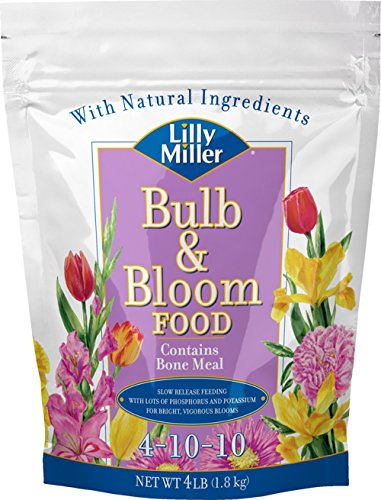
Lilly Miller Bulb & Bloom Food 4-10-10, 4 lb

Espoma Organic Bulb-Tone 3-5-3, 4 lb Bag

Slow Release Lawn Fertilizer 25-5-10, 44 lb Bag
Why These Options Stand Out
Granular feeding suits gardeners who prefer a measured, spread-and-water routine over measuring liquids. For iris growers tending a small border or a cluster of containers, this 2.5 lb bag covers a modest footprint without forcing you to store a half-used sack for years. Compared with the liquid option below, the granules release more slowly, which can mean steadier support during the active growth window.
Apply the granules dry around the dripline of each clump, then water them in thoroughly to move the nutrients into the root zone. For most home beds, the bag’s size makes it easy to finish in a single season without leftovers clumping in the shed.
The Practical Payoff
- Granular format suits gardeners who dislike measuring liquids weekly
- Balanced organic nutrition targets bloom production rather than leafy growth
- Modest 2.5 lb bag fits small urban gardens and container collections
- Water-in application doubles as a routine that prevents dry pockets around rhizomes
- Works in both in-ground plantings and patio containers
Things To Consider
- Smaller bag means reordering for larger perennial borders
- Granules need thorough watering to activate, so very dry soils may require a pre-soak
Key Specs
Best Suited To
Container gardeners and small-border growers who want a bloom-focused organic feed without committing to a large bulk bag.
Consider Something Else When
Large perennial plantings with many iris clumps may get better coverage from the Espoma Organic Bulb-Tone, which is designed for direct planting-hole application.
Liquid feeding rewards gardeners who already keep a watering can close at hand. The 32 fl. oz bottle mixes quickly and works across indoor houseplants as well as outdoor irises, which is handy if you want a single product for the whole collection. For iris beds that look hungry mid-season, the rapid uptake can give a more visible response than slow-release granules.
The catch is regularity. Liquid feeds wash through the soil faster, so skipping weeks can leave plants swinging between feast and famine.
Key Advantages
- Liquid format delivers nutrients that plants can take up almost immediately
- Plant-based ingredient list fits organic gardening routines
- Versatile for both indoor houseplants and outdoor iris containers
Worth Noting
- Faster wash-through means more frequent applications than granular feeds
- Bottle storage can be awkward in cramped garden sheds
- Less targeted than bloom-specific formulas for heavy-feeding spring displays
Who It Suits Best
Apartment and patio gardeners who want a single bottle for indoor and outdoor collections, including irises in containers.
Where Another Pick Suits Better
Bulb-heavy garden beds with established iris clumps will get better targeted bloom nutrition from the Schultz Slow-Release Bloom Fertilizer covered later.
Mixed beds that pair irises with tulips, daffodils, and lilies benefit from a fertilizer that handles all of them without juggling multiple bags. This 4 lb granular option fits that brief, since it’s designed for the broader bulb family rather than a single species. For cottage gardens where irises share real estate with other spring showpieces, one bag covers the whole patch.
The organic certification also reassures gardeners who want their soil biology fed alongside the plants.
Practical Pluses
- OMRI-listed organic formula fits certified-organic gardening routines
- Granular format spreads evenly across mixed bulb plantings
- Works on tulips, daffodils, lilies, and irises in the same bed
- 4 lb size suits mid-sized borders without immediate repeat orders
Trade Offs
- Generic bulb focus means slightly less iris-tuned nutrition than dedicated bloom formulas
- Dry application requires rainfall or supplemental watering to activate
Right Fit For
Garden designers maintaining mixed bulb borders where irises share space with tulips, daffodils, and other spring bulbs.
A Better Fit Elsewhere
Pure iris collections benefit more from the Lilly Miller Bulb & Bloom Food, which uses a 4-10-10 ratio tuned specifically for flowering rhizomes.
Slow-release formulas shine for gardeners who don’t want to remember feeding schedules. With a 12-24-12 analysis, this option leans heavily into phosphorus, the nutrient irises need for strong root development and bloom setting. For perennial borders with established clumps, one application can carry plants through much of the active growth window.
The 3.5 lb bag hits a sweet spot for mid-size landscapes, and the slow-release mechanism reduces the risk of nutrient burn on shallow rhizomes.
Reasons It Performs
- High-phosphorus 12-24-12 ratio supports both root strength and flower production
- Slow-release mechanism reduces leaching in rainy climates
- Lower risk of burn on shallow-planted iris rhizomes
- One application can carry clumps through the main growth window
Small Caveats
- Slow-release timing means slower response if plants already look hungry
- Synthetic nutrient profile won’t suit strict organic gardeners
Feature Snapshot
Made For
Busy perennial gardeners who want a single spring feeding to carry established iris clumps through the bloom season.
Not Your Match When
Strict organic gardeners may prefer the Espoma Organic Bulb-Tone, which carries organic certification with a similar drop-in approach.
All-purpose blends earn their place in mixed gardens where vegetables, herbs, and ornamentals share the same beds. The 4 lb bag covers roughly 87 square feet, which is useful math when you’re planning a feeding pass across a kitchen garden that includes a few iris clumps along the border. The organic certification also fits gardeners who grow food alongside flowers.
The 5-4-5 analysis with slow-release nitrogen offers steadier feeding than quick-burst synthetics, which can matter in sandy soils that leach aggressively.
A Favorable Mix
- OMRI-listed organic blend suits integrated flower and food gardens
- Slow-release nitrogen portion reduces leaching in sandy soils
- Covers fruits, vegetables, herbs, and ornamentals with one bag
- Balanced 5-4-5 analysis won’t push excessive leafy growth on irises
Things To Weigh
- Coverage of 87 sq ft per bag limits very large landscape use
- All-purpose ratios are a compromise compared with bloom-specific formulas
Who Should Grab It
Edible-garden gardeners who maintain iris borders alongside vegetables and herbs and want a single organic fertilizer across both.
Look Elsewhere When
Pure ornamental beds focused exclusively on showy iris displays will get richer bloom nutrition from the Lilly Miller Bulb & Bloom Food formula below.
The 4-10-10 NPK ratio (nitrogen-phosphorus-potassium) has a long track record with flowering rhizomes because it leans into bloom and root support without pushing leaf growth. For gardeners with established iris clumps that need a tune-up rather than a full reset, this traditional ratio delivers what those plants ask for. The slow-release feeding pattern also helps avoid the feast-famine swings common with quick-dissolve formulas.
Made in the United States, the 4 lb bag suits mid-size perennial collections without overbuying.
Where It Delivers
- Classic 4-10-10 ratio is well-matched to flowering bulb and rhizome nutrition
- Slow-release feeding reduces the risk of burn on shallow rhizomes
- 4 lb bag suits established mid-size iris collections
- Lower nitrogen portion discourages excessive foliage at the expense of blooms
Some Limits To Know
- Synthetic profile won’t fit strict organic gardening routines
- Slow-release format means slower visible response in hungry plants
Feature Card
Perfect Match For
Traditional perennial gardeners with established iris clumps who prefer a time-tested bloom ratio over newer organic blends.
Skip It When
Organic-focused gardeners will find the Espoma Organic Bulb-Tone a closer match for their routine, with similar placement flexibility.
New plantings are where drop-in formulas earn their keep. Place this 3-5-3 organic blend directly into the planting hole before setting rhizomes or bulbs, and the Bio-tone additive supports the soil biology that helps roots establish. For gardeners putting in a fresh iris bed in fall, that early feeding window sets the tone for the following spring.
It also doubles as a top-dress for established plantings after bloom, sprinkling on the soil surface and watering in.
Useful Touches
- Drop-in planting-hole application suits new bulb and rhizome installations
- Bio-tone additive supports beneficial soil biology
- 6% calcium content supports cell structure in developing plants
- Ready-to-use granules require no mixing or pre-dilution
- Suitable for both fall and spring bulb types in the same bed
Honest Caveats
- Lower NPK numbers mean lighter feeding than synthetic bloom boosters
- Best results require thoughtful timing around planting or post-bloom feeding
Technical Highlights
Whose Shelf It Belongs On
Organic-focused gardeners installing new iris and bulb plantings who want a planting-hole formula that supports soil biology from day one.
Reach For A Different Pick When
Gardeners needing fast visible correction on hungry established plants may prefer the quick-release action of the Schultz Slow-Release Bloom Fertilizer.
High-nitrogen lawn fertilizer earns an honorary mention here because iris beds often sit inside or next to turf areas. The 25-5-10 analysis with 65% granular nitrogen feeds lawn grass for up to 110 days, which keeps surrounding turf lush without constant reapplication. For gardeners who want one bag to handle the lawn that frames their iris display, this slow-release option reduces mid-season touch-ups.
The nitrogen load is too heavy for direct iris use, so keep it on the grass side of the bed edge rather than working it into the rhizome zone.
Notable Upsides
- High nitrogen content supports the lawn that frames iris beds
- Slow-release feeding reduces wash-through during rainy periods
- Large 44 lb bag covers substantial lawn areas in one pass
- Kid and pet friendly formula suits family yards
Potential Compromises
- NPK ratio is far too nitrogen-heavy for direct iris application
- Bulk 44 lb size is overkill for gardeners without lawn coverage
Quick Facts
Built With In Mind
Homeowners with iris beds surrounded by lawn who want a single fertilizer to keep the turf green without disturbing the rhizomes.
Swap It Out When
Iris-only gardeners without substantial lawn coverage should reach for the Espoma Organic Bulb-Tone instead, which targets the rhizomes directly.
How To Match Iris Fertilizers To Your Bed
Iris beds reward specific nutrient ratios, and the wrong blend can push leafy growth at the expense of flowers. Look for products with moderate nitrogen and higher phosphorus and potassium numbers to support rhizome strength and bud set. Bone meal and similar phosphorus sources have a long history with bearded iris growers for good reason.
Application timing matters as much as the formula itself. Feed once in early spring when new growth emerges, and follow up after bloom if the foliage looks tired. Avoid heavy feeding right before summer dormancy, when rhizomes prefer a rest period.
Granular vs. Liquid Feeding Styles
Granular feeds release nutrients slowly and suit gardeners who prefer a set-and-forget routine. Liquid feeds deliver faster uptake and work well for container irises that need a quick mid-season boost. Choose based on how often you’re out in the garden with a watering can.
Organic vs. Synthetic Considerations
Organic options feed soil biology alongside the plants, which can matter for long-term bed health. Synthetic formulas often deliver more predictable nutrient ratios at lower cost. Your gardening philosophy and soil test results should guide the choice more than packaging claims.
Reading The Numbers On The Bag
The NPK ratio tells you the percentage of nitrogen, phosphorus, and potassium by weight. For irises, a middle number higher than the first usually produces the best bloom show. Slow-release formulations extend that feeding over weeks rather than days.
Picking The Right Iris Fertilizer Without The Guesswork
Common Shopping Slip Ups
The biggest mistake is grabbing a high-nitrogen lawn blend and expecting it to feed iris rhizomes, which leads to floppy leaves and shy blooms. Another trap is ignoring the package size and overbuying, since granular feeds can clump in storage once the bag sits open through humid summers. Always check the analysis numbers before assuming a “plant food” works for everything in the garden.
What The Higher Tier Buys
Premium iris fertilizers often include biological additives, organic certifications, or micronutrients that basic blends skip. For gardeners building a long-term perennial bed, those extras support soil life in ways that compound over seasons. For a single year of container growing, a basic bloom booster delivers the visible result at lower cost.
Frequently Asked Questions
When should you fertilize iris plants?
Apply a balanced bloom fertilizer in early spring as new growth appears. A second lighter feeding after bloom helps replenish the rhizomes for the following year.
Can you use lawn fertilizer on iris beds?
High-nitrogen lawn blends push leafy growth at the expense of blooms, so they aren’t ideal for iris rhizomes. Use bloom-specific formulas in the bed and keep lawn products on surrounding turf.
Do iris plants prefer organic fertilizer?
Organic options feed soil biology and release nutrients slowly, which suits iris rhizomes well. Synthetic bloom boosters work too, as long as the ratio leans toward phosphorus and potassium rather than nitrogen.
How often should iris fertilizer be applied?
Most iris beds thrive with one to two feedings per year, depending on soil richness. Light feeders can skip the second application, while hungry sandy soils benefit from both.
Is bone meal still recommended for iris?
Bone meal remains a classic phosphorus source for bearded iris, though modern organic blends deliver similar results with easier application. Choose based on availability and your preferred feeding routine.
Closing Remarks
The right iris fertilizer comes down to your soil, your feeding style, and how much lawn shares space with the bed. Granular organic blends suit most home gardeners, while quick-feed liquids help container collections bounce back fast. Pick the format that matches how often you’re already out among the plants, and the blooms tend to follow.
