

A broken valve can leave half your lawn thirsty while the other half floods. Choosing the right irrigation valves means matching pipe size, water source, and how much you want to tinker under the lid. This list walks through eight solid options across anti-siphon, jar-top, globe, and valve-box categories, so you can match the hardware to your yard and your patience for plumbing.
The Choices Worth Comparing
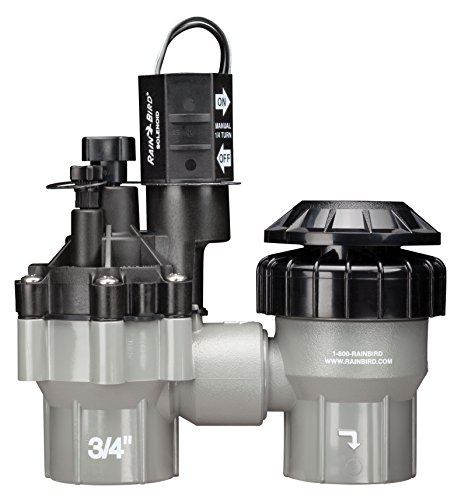
Rain Bird DASASVF075 Anti-Siphon Valve, 3/4″
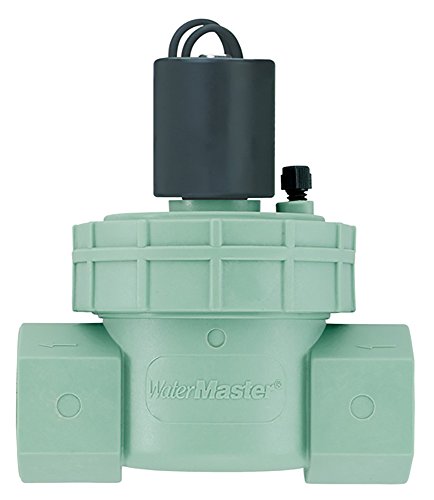
Orbit 1-Inch NPT Jar Top Valve 57461

Irritrol 2400T Globe Valve 1″ NPT

NDS 117BC Jumbo Valve Box 15″x22″

NDS 113BC Valve Box 14″x19″ Standard

Orbit 57624 Anti-Siphon Valve 1″ FPT

Orbit 57467 1″ MPT Jar Top Valve

Rain Bird DASASVF100 Anti-Siphon Valve, 1″
Taking A Closer Look At The Options
This 3/4″ anti-siphon valve combines backflow prevention with on-board flow control in a single above-ground unit. Install it at least six inches above the highest sprinkler head, and an atmospheric vacuum breaker (a small air vent that admits air when pressure drops, stopping reverse flow) does the rest, keeping irrigation water from siphoning back into your potable supply. Compared with the inline Orbit models later in this list, Rain Bird puts the backflow safeguard directly into the valve body, which simplifies plumbing for anyone running off a single hose bib.
It mates with any standard 24 VAC sprinkler timer and works with a manual bleed screw when you want to test a zone without firing up the controller. The reverse-flow diaphragm design eases wear over time, a quiet kind of durability that matters once the valve is buried under mulch and forgotten.
The Value In It
- Built-in anti-siphon eliminates the need for a separate backflow preventer.
- Flow control lets you balance pressure across multiple zones on the same manifold.
- Reverse-flow diaphragm design reduces long-term wear compared with traditional layouts.
- Manual bleed screw supports quick field testing without a controller hooked up.
- Energy-efficient solenoid holds up through long duty cycles on hot summer schedules.
Things To Consider
- Above-ground install requirement means it sits visibly in the landscape.
- 3/4″ port restricts flow on larger zones with many rotor heads.
Who It Suits Best
Homeowners running a standard residential timer with moderate zone sizes who want backflow protection without a separate device.
Where Another Pick Suits Better
For installations where you want a fully buried inline valve, the Irritrol 2400T globe valve handles higher flows below grade without an anti-siphon tower.
The Orbit 57461 is a 1″ NPT (National Pipe Thread, a tapered thread standard for watertight pipe joins) jar-top valve with a twist-off lid that exposes the diaphragm and filter without removing the valve from the line. For anyone who has wrestled with a stuck solenoid bonnet, that single feature is worth the upgrade. An internal scrubber filter catches sediment before it reaches the diaphragm, which helps the valve stay clog-free when your water source carries grit or organic debris.
The 24 VAC solenoid lets you actuate the valve by hand with a quick twist, useful during winter blowouts or summer repairs. PVC body construction keeps it light for handling, and it’s offered in both 3/4″ and 1″ FPT (Female Pipe Thread) sizes if you scale down for smaller drip zones.
What Stands Out
- Jar-top lid opens by hand, no bonnet unscrewing required.
- Internal scrubber filter extends service intervals in dirty water.
- Manual solenoid twist for testing without energizing the timer.
- PVC body keeps the price reasonable for residential budgets.
Points To Keep In Mind
- PVC body can crack if hit hard during trenching or freeze cycles.
- Lacks built-in backflow prevention, so a separate anti-siphon valve may be required by local code.
Built With In Mind
DIY homeowners who want fast diaphragm access without special tools, especially on retrofits where valves already exist.
Skip It When
Codes require an integrated atmospheric vacuum breaker, since the Rain Bird DASASVF100 bundles that into one body.
Irritrol’s 2400T globe valve targets bigger systems that would starve a typical residential valve. It supports flow from 0.25 GPM (gallons per minute) up to 30 GPM and pressures between 10 and 150 PSI (pounds per square inch), a wide envelope that covers most residential and light-commercial jobs. The threaded bonnet design lets you service the diaphragm without pulling the valve out of the manifold, which is a relief on tight manifolds under valve boxes.
A double-beaded Santoprene diaphragm (a tough synthetic rubber that resists chlorine and wear) gives a leak-proof seal under repeated cycling, while internal and external bleed paths let you flush debris without taking anything apart. The solenoid is sold separately, so factor that into your budget when planning a multi-zone manifold.
What Works In Its Favor
- 0.25–30 GPM flow range handles large or split zones.
- 150 PSI pressure rating suits uphill feeds and pump systems.
- Threaded bonnet supports in-line service without full removal.
- Internal/external bleed paths simplify flushing grit from the line.
Trade Offs
- Solenoid often sold separately, adding cost for a complete install.
- Larger body footprint may not fit a standard 14″x19″ valve box without room to spare.
Key Advantages
Contractors and serious DIYers running long lateral lines or uphill zones who need pressure headroom and service-friendly internals.
Consider Something Else When
For a compact single-zone setup under a small valve box, the Orbit 57467 jar-top installs more quickly and costs less.
The NDS 117BC is a 15″ by 22″ rectangular valve box with a 12″ depth, sized to swallow a multi-valve manifold without forcing your hand into a tight crawlspace. Overlapping covers block dirt and grass from settling between body and lid, which matters when the box sits in a high-traffic lawn. A brass insert accepts bolts for lockdown, so curious hands or wandering mower blades don’t fling the cover aside.
The “Irrigation Control Valve” lettering on the lid helps anyone servicing the system later identify what’s underneath. Inside, there’s room for two to four inline valves plus the wiring slack a timer needs, and the cover clears pedestrian foot traffic without flexing.
What It Does Well
- 15″x22″ footprint accommodates multi-valve manifolds with wiring slack.
- Overlapping lid keeps debris out of the box body.
- Brass insert accepts bolts for tamper-resistant lockdown.
- 12″ depth suits most inline anti-siphon and globe valves on the market.
Small Caveats
- Larger size requires deeper trenching in tight landscaped beds.
- Green cover can stain when leaves or fertilizer sit wet on the surface.
The Right Fit
Landscape pros and homeowners building a multi-zone manifold who want service room and bolt-down security.
Swap It Out When
A single-valve drip zone doesn’t need this much volume; the smaller NDS 113BC 14″x19″ box covers most single-zone installs.
The NDS 113BC is the smaller sibling to the 117BC, with a 14″ by 19″ footprint and the same 12″ depth. It comfortably houses a single inline valve or anti-siphon assembly without wasted space, which keeps the lid flush with the lawn instead of bulging like a small coffin. Overlapping covers keep out the usual muck that gathers between box and lid in a mulched bed.
It carries the same “Irrigation Control Valve” lettering and brass insert as the larger box, so service techs know what they’re opening. The 113BC is the box most homeowners end up buying, because most residential manifolds are one or two valves deep.
Everyday Perks
- 14″x19″ footprint fits a single inline valve without crowding.
- Overlapping cover resists dirt intrusion like the larger NDS boxes.
- Brass insert ready for lock-down bolts when needed.
- Standard 12″ depth suits most inline and globe valves.
Minor Gripes
- Too small for a multi-valve manifold with wire slack.
- Cover can shift in loose backfill if not tamped during install.
Made For
Single-zone or small two-zone residential installs where a tidy flush-to-grade lid matters more than interior volume.
Where Another Pick Suits Better
The NDS 117BC gives you the room to grow into a four-zone manifold if you plan to expand later.
The Orbit 57624 is a 1″ FPT anti-siphon valve from Orbit’s 100 Series, with a built-in atmospheric vacuum breaker that protects potable water from backflow. The integrated flow control is the practical touch here, letting you throttle water to a zone that’s getting hammered by high pressure. Compared to the Rain Bird DASASVF100, this Orbit feels more homeowner-tuned, with friendlier packaging and a price that fits a tighter budget.
It’s available in 3/4″ and 1″ thread sizes, plus a two-pack configuration if you’re rebuilding a multi-zone manifold. The body sits above ground, so plan for visibility in the landscape, or hide it behind shrubs if curb appeal matters.
Useful Highlights
- Integrated anti-siphon meets backflow code without a separate device.
- Adjustable flow control handles high-pressure zones.
- 1″ FPT thread suits larger residential mainlines.
- Available in 3/4″, 1″, and 2-pack configurations for flexibility.
A Few Limitations
- Above-ground body affects aesthetics compared with buried inline valves.
- Plastic threads need careful tape wrapping during install to prevent cross-threading.
Best Suited To
Homeowners needing code-compliant backflow protection on a moderate budget who don’t mind an above-grade valve body.
Consider Something Else When
If you want a buried inline install and have the room, the Orbit 57467 jar-top valve runs cleaner below grade.
The Orbit 57467 is a 1″ MPT (Male Pipe Thread) jar-top valve aimed at the person doing their first irrigation install. The jar-top lid unscrews by hand to expose the diaphragm and internal scrubber filter, so you can clear debris without special tools. A 24 VAC solenoid supports manual actuation with a twist, handy when you want to test a zone before running wire to the timer.
The PVC body keeps weight down on handling, and the same diaphragm-and-filter layout shows up across Orbit’s residential lineup. It drops cleanly into a standard NDS 113BC or 117BC valve box, depending on how many valves you’re bundling.
Bright Spots
- Hand-removable jar-top lid for tool-free service.
- Internal scrubber filter cuts down on clogging in dirty water.
- Twist-to-actuate solenoid simplifies manual testing.
- Lightweight PVC body eases install in deep valve boxes.
Honest Caveats
- Lacks anti-siphon protection, so check local code for a separate backflow device.
- PVC can be sensitive to impact damage during rocky backfill.
Who Should Grab It
First-time installers who want service-friendly internals and aren’t worried about integrated backflow prevention.
A Better Fit Elsewhere
If your jurisdiction requires an anti-siphon valve, the Rain Bird DASASVF075 covers that in one body for a similar budget.
The DASASVF100 is the 1″ version of Rain Bird’s professional anti-siphon valve, sized for larger residential mainlines that need higher flow than a 3/4″ line delivers. Like its smaller sibling at the top of this list, it combines backflow prevention with on-board flow control, so a single unit handles both jobs in a tidy above-grade body.
Install it at least six inches above the highest sprinkler head to keep the atmospheric vacuum breaker functional. A manual bleed screw opens the valve for field testing, and the reverse-flow diaphragm design should hold up across many seasons of cycling.
The Helpful Details
- 1″ port supports higher-flow zones than the DASASVF075.
- Integrated anti-siphon meets backflow code in one body.
- On-board flow control for balancing pressure zone-to-zone.
- Manual bleed screw simplifies testing without timer power.
- Reverse-flow diaphragm design eases long-term wear.
Possible Compromises
- Above-grade body affects landscape aesthetics.
- Pricier than inline Orbit valves without anti-siphon needs.
- 1″ port is overkill for small drip-only zones.
Perfect Match For
Homeowners with larger 1″ residential mainlines and rotor-heavy zones that need both higher flow and backflow protection.
Skip It When
You only need a small drip zone, where the Rain Bird DASASVF075 3/4″ model fits a smaller mainline more cleanly.
What Matters Most When Choosing Irrigation Valves
Pipe Size and Thread Standard
Every valve in this list uses either NPT, FPT, or MPT threads. NPT is the tapered thread that creates a watertight seal; FPT and MPT distinguish female (inside) and male (outside) ends. Match the valve’s nominal size to your mainline (3/4″ or 1″) before you start, because mismatched threads create leaks that won’t show up until the system is pressurized.
Anti-Siphon vs Inline
Anti-siphon valves combine an atmospheric vacuum breaker with the on/off valve, and they must sit at least six inches above the highest sprinkler head to function. Inline valves bury below grade inside a valve box but require a separate backflow preventer where local code demands it. Homeowners on city water often pick anti-siphon for simplicity, while pros building buried manifolds lean toward inline.
Valve Box Sizing
A valve box needs enough room for the valve plus wiring slack and your hand. The 14″x19″ NDS 113BC fits a single valve cleanly, while the 15″x22″ NDS 117BC supports multi-valve manifolds. Cramming components into a too-small box turns a five-minute diaphragm swap into a thirty-minute excavation, so size up if your manifold is going to grow.
Flow and Pressure Envelope
Globe valves like the Irritrol 2400T support wider flow and pressure ranges than typical residential valves, which helps on uphill feeds or pump systems. Anti-siphon valves cap out at modest flow rates suited to typical zone demands. Match the valve’s GPM and PSI ratings to your worst-case zone, not your average.
Smart Spending On Irrigation Hardware
Pitfalls Shoppers Hit
The most common mistake is matching a valve’s thread size to the pipe without checking whether it’s NPT, FPT, or compression, since mismatched ends won’t seal no matter how much tape you use. Another trap is assuming every irrigation valve has built-in backflow protection; only anti-siphon models do, and codes vary by jurisdiction. Finally, undersizing the valve box turns every future service call into an archaeology project, so size up before the first backfill.
Where The Extra Money Goes
Premium valves like the Rain Bird DASASVF series and the Irritrol 2400T cost a bit more because of thicker diaphragms, better solenoid coils, and reverse-flow designs that extend service life. For a small yard with two zones, an entry-level Orbit jar-top gets the job done. For a multi-zone manifold that will run weekly for a decade, the upgraded internals pay back in fewer mid-summer repairs.
Frequently Asked Questions
What is the difference between anti-siphon and inline irrigation valves?
Anti-siphon valves combine a backflow preventer with the on/off valve and must sit above the highest sprinkler head. Inline valves bury below grade but usually need a separate backflow device to meet code.
How do I know if I need a 3/4″ or 1″ irrigation valve?
Match the valve to your mainline pipe diameter. 3/4″ lines suit smaller zones, while 1″ lines carry higher flow to rotor-heavy or uphill zones that would starve on smaller pipe.
Can irrigation valves be buried underground?
Inline valves can, inside a valve box that gives access for service. Anti-siphon valves must stay above grade so the atmospheric vacuum breaker can admit air and stop backflow.
How often should irrigation valves be serviced?
A yearly check before the watering season catches torn diaphragms and clogged filters. In areas with hard water or grit, expect to clear the internal filter every few months during heavy use.
Do I need a separate backflow preventer if my valve is anti-siphon?
No, that is the point of an anti-siphon valve. Local code may still require an additional assembly in some regions, so check with your water utility before relying on a single valve.
Closing Remarks
Pick the valve that matches your pipe size, mounting preference, and code requirements first, then layer on quality. A simple Orbit jar-top handles most backyard jobs, while a Rain Bird anti-siphon or an Irritrol globe earns its keep on larger systems. The right enclosure and a little routine service will keep any of these running for many seasons.
