

Whether you keep a small balcony herb corner or a sprawling backyard vegetable plot, traditional Japanese hand tools bring a quieter, more deliberate approach to garden work. They cut clean, weigh little, and reward a patient hand, which makes them a smart match for anyone tired of bulkier gear. Below is a curated shortlist of eight options covering weeding, knife work, and hedge shaping, with honest notes on trade-offs for each.
A Closer Look At The Lineup

WORKPRO Hori Hori Garden Knife with Oxford Sheath

WORKPRO Hori Hori Garden Knife (Pack of 2)

Kimura Pro Telescopic Garden Shears (SK5)

Tomerry Nejiri Gama Japanese Weeding Tool

SHALL Hori Hori Japanese Garden Knife (Rosewood)

Truly Garden Effortless Weeding Sickle with Stone
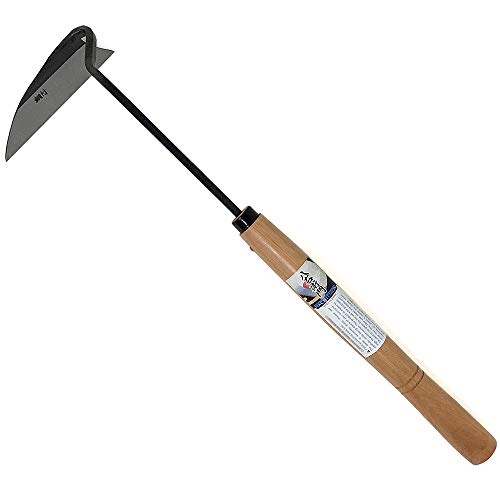
HACHIEMON Nejiri-Gama Long Type Weeding Tool

TOYPOPOR Carbon Steel Grass Sickle, 15-Inch
Inside Each Recommended Option
The WORKPRO Hori Hori Garden Knife has earned its reputation as the entry point most beginners actually keep using. Its seven-inch stainless steel blade carries a flat edge on one side and a serrated edge on the other, which lets you move between slicing through twine and sawing at tougher roots without swapping tools. The Oxford fabric sheath keeps the edge covered during transport, a small thing that matters once you start tossing it into a garden tote alongside pruners.
For raised beds and small kitchen gardens, this knife handles transplanting, dividing perennials, and digging out tap-rooted weeds with equal ease. It is a genuinely versatile pick that often replaces three or four single-purpose tools in a compact kit.
Real-World Strengths
- Two distinct edges handle rope, roots, and softer cutting without a tool change
- Stainless construction resists rust during wet-season storage
- Slips easily between closely planted perennials where a trowel cannot reach
- Light enough for one-handed use during long planting sessions
- Oxford sheath protects edges when carried in a bucket or bag
Things To Consider
- Edge retention on the serrated side tends to drop faster than the flat edge
- Hard, rocky soil may flex the blade on heavy prying
Built With In Mind
Beginners building a first quality hand-tool kit for a small vegetable or flower garden.
Skip It When
Large-scale weeding sessions point you toward the HACHIEMON Nejiri-Gama Long Type, which reaches further without bending.
This listing covers the same WORKPRO Hori Hori Garden Knife you read about above, just bundled as a two-pack with Oxford sheaths. For households where two people garden together, or anyone who wants one knife stored indoors and one living in the shed, the duplication is genuinely useful rather than wasteful. You can also gift one to a neighbor and keep one without dipping into your own supply.
The shared spec sheet applies to both knives: seven-inch double-edged stainless steel blade, fabric sheath, manual weeder category. As with the single-pick version, expect a learning curve the first few sessions as you find the angle that suits your soil type.
Useful Strengths
- Buying two at once typically lowers the per-tool cost
- Handy for households where garden duty is split between two people
- Same reliable build as the single-pick WORKPRO knife
- Backup blade ready when the primary knife goes missing in the grass
Points To Keep In Mind
- No upgrade in materials or edge quality over the single-pick option
- Storage space for two sheaths and two blades must be considered
- You may find a single knife underused if you garden solo
Key Specs
Made For
Couples, roommates, or anyone who wants a backup blade on hand without buying twice.
Consider Something Else When
Solo gardeners may prefer the SHALL Hori Hori Japanese Garden Knife for its upgraded rosewood handle and depth scale.
The Kimura Pro Telescopic Garden Shears step into a different category than the knives and sickles on this list. Built around SK5 steel, a high-carbon tool steel commonly used in Japanese bladework, the cutting edges stay sharp through dense hedge work. The patented gearing multiplies hand force at the blade, which is a real relief when trimming privet, boxwood, or fast-growing conifers.
Adjustable aluminium handles extend from 25 to 34 inches, letting you shape taller hedges from a standing position rather than climbing or dragging out a ladder. Lightweight enough to swing one-handed for detail work, the shears still carry enough heft for thicker seasonal cuts.
Everyday Advantages
- SK5 steel holds a clean edge through repeated cuts
- Geared mechanism reduces hand fatigue on long sessions
- Telescoping reach trims hedges without a step stool
- Aluminium handles keep total weight manageable
- Clean cuts heal faster on living wood
Trade Offs
- Heavier than short-handled snips for delicate work
- Geared mechanism adds more parts to maintain and clean
- Overkill for gardeners with only small potted shrubs
Right Fit For
Homeowners with established hedges, topiary specimens, or ornamental shrubs needing regular shaping.
Look Elsewhere When
The truly hands-on weeding focus of this shortlist points you toward the Tomerry Nejiri Gama, a smaller hand tool for finer ground-level work.
The Tomerry Nejiri Gama brings a genuinely traditional shape to the list. The Nejiri Gama is a short-handled sickle used in Japan for generations to slice weeds just below the soil line, and Tomerry offers this one as a Made-in-Japan piece that honors the original proportions. The blade angle is what makes it special: a slight bend that lets the edge hook into soil without forcing you to bend your wrist.
For tight spaces between vegetable rows, along stepping stones, or in rock gardens where a hoe is too clumsy, this tool earns its keep. It is a specialist rather than a generalist, so pair it with one of the hori-hori knives above for full garden coverage.
What Makes Sense
- Authentic Japanese-made sickle with traditional proportions
- Curved blade slips under weeds at the root zone
- Compact size fits densely planted beds
- Sharp out of the box for immediate use
- Light enough for long weeding sessions without arm strain
Small Caveats
- Short handle requires kneeling or ground-level work
- Hard, dry soils dull the edge faster than moist beds
Feature Snapshot
Best Suited To
Patient gardeners who prefer hand tools over power equipment for tight, detailed weeding work.
A Better Fit Elsewhere
The HACHIEMON Nejiri-Gama Long Type offers a longer handle for those who prefer to stand while weeding.
SHALL’s Hori Hori keeps the seven-inch stainless steel blade shape familiar from earlier picks but dresses it with a rosewood handle wrapped in hide rope for grip. The result is a tool that feels more like a well-made kitchen knife than a typical garden implement, which may be exactly what you want for transplanting delicate seedlings or dividing perennials.
The blade carries a flat edge, a serrated edge, a rope-cutting notch, and a six-inch depth scale etched into the steel. That last feature matters when you are planting bulbs or checking root depth without a separate measuring tool. The leather sheath adds a touch of class for storage on a pegboard.
What Earns Its Place
- Rosewood handle ages well and feels balanced in hand
- Integrated depth scale removes the guesswork from bulb planting
- Multi-functional blade covers cutting, sawing, and rope slicing
- Leather sheath offers durable edge protection
- Hide rope wrap improves grip when hands are wet or muddy
Less Ideal Details
- Wood handle needs occasional oiling to stay conditioned
- Heavier than plastic-handled hori-hori alternatives
Who It Suits Best
Detail-oriented gardeners who appreciate traditional craftsmanship and want a long-serving heirloom-style tool.
Reach For A Different Pick When
All-day digging in heavy clay soil sends you back to the WORKPRO Hori Hori Garden Knife, which has a lighter feel for longer sessions.
The Truly Garden sickle draws clear inspiration from Japanese sickle design, with a curved blade that reaches beneath weeds to sever roots underground. What sets it apart in this lineup is the included sharpening stone and thick leather sheath, both of which arrive in the same package. That combination shifts the tool from a disposable purchase to a long-term companion.
An ergonomic handle fits either hand, which makes it approachable for households where left-handed gardeners often get short-changed by right-leaning designs. Compared to the slimmer Tomerry Nejiri Gama, this one trades some of that authentic heritage for easier maintenance.
Reasons It Performs
- Sharpening stone bundled for ongoing edge care
- Leather sheath protects the curved blade in storage
- Ambidextrous handle works for left and right hand users
- Curved blade reaches weeds deep enough to slow regrowth
- Reasonable weight balance for sustained weeding
Where It May Fall Short
- Not manufactured in Japan, unlike other picks on this list
- Thicker blade than a Nejiri Gama, so less precise in tight rows
Whose Shelf It Belongs On
Anyone who values easy maintenance and ambidextrous comfort over strict authenticity in their hand tools.
Swap It Out When
Heritage Japanese craftsmanship matters more, in which case the Tomerry Nejiri Gama Japanese Weeding Tool is the closer match.
HACHIEMON’s Nejiri-Gama Long Type solves a common complaint about traditional Japanese sickles: the short handle forces you to kneel for every pass. This long-handled version keeps the same sickle geometry but pairs it with a ten-inch handle, pushing total length to 17.3 inches and letting you work standing up or from a low stool. The blade measures 4.8 inches of sharpened edge.
Made in Japan from a specially formulated steel composite designed for edged tools, it carries the sharpness you expect from the source. Larger beds and wildflower borders clear faster with this configuration than with a short sickle, though you do give up some of the surgical precision.
Notable Upsides
- Longer handle reduces kneeling during extended sessions
- Authentic Japanese-made blade with quality steel
- Sickle geometry maintains clean cuts under the soil line
- Reasonable total length for average adult reach
Practical Considerations
- Less precise than short-handled sickles in tight spaces
- Hard, rocky soil dulls the edge faster than softer beds
Feature Rundown
Who Should Grab It
Gardeners with larger beds who want a sickle that does not require kneeling for every pass.
Consider Something Else When
Tight vegetable rows and rock gardens are better served by the compact Tomerry Nejiri Gama Japanese Weeding Tool.
The TOYPOPOR Carbon Steel Grass Sickle closes the list as a thin-bladed cutter aimed at soft weeds, tall grass, and small vegetable harvesting. The 15-inch length lands somewhere between a hand sickle and a full scythe, giving you reach without the swing weight of a larger blade. A wooden handle keeps the total weight low enough for one-handed work, which matters during longer sessions.
This is the pick for soft summer growth and edge-of-garden tidying, not for woody weed removal. Keep it oiled after use to manage surface rust on the carbon steel, since carbon holds a sharper edge than stainless but asks for more care in return.
The Case For It
- Thin blade cuts soft weeds and grass with minimal effort
- Wooden handle fits naturally in either hand
- Carbon steel sharpens easily and holds a fine edge
- Mid-length reach suits both detail and area clearing
- Lighter than full scythe blades for casual use
Honest Caveats
- Carbon steel requires oiling to prevent surface rust
- Not suited for woody, thick-stemmed weeds
- Edge needs regular honing in rocky soil
Quick Facts
Perfect Match For
Vegetable gardeners harvesting greens and clearing soft seasonal growth without dragging out power equipment.
Another Choice May Suit
Tough root-cutting calls point you back toward the WORKPRO Hori Hori Garden Knife for harder soil work.
Matching The Right Tool To Your Soil And Workflow
A hori-hori knife earns its place in nearly every gardener’s kit because it covers digging, cutting, and measuring in a single blade. The trade-off shows up when soil turns rocky or roots run deep, where a hori-hori can flex. A traditional Nejiri Gama sickle flips the strength: it cannot dig a planting hole, but it slices weeds cleaner than any trowel at the soil line.
Think about your dominant garden task before picking a starting point. If you spend more hours on weeds than on planting, a sickle-style tool is likely the better first buy, with a hori-hori added later. If transplanting and dividing perennials dominate the calendar, lead with a hori-hori and add a sickle when weeds become the bottleneck.
For hedge work and ornamental shrubs, the Kimura Pro Telescopic Garden Shears step outside the hand-tool category entirely. SK5 steel blades and geared leverage make quick work of dense growth that would tire your hands with shorter snips, and the telescoping reach keeps you on the ground for most residential hedges.
Blade material is worth a quiet look too. Stainless steel forgives wet storage and rough use, which suits gardeners who clean tools less than they should. Carbon steel sharpens to a finer edge and feels more responsive in soft summer growth, but it asks for a wipe-down after each session to prevent rust.
Finally, consider handle length as a comfort variable. Short-handled sickles force you closer to the soil, which improves precision but taxes knees. Longer handles and telescoping shears preserve your back during longer sessions but reduce the fine control you get at ground level.
Smart Habits Before You Add To Cart
Common Shopping Slip Ups
Chasing the cheapest hori-hori often leads to a thin blade that flexes on the first root, so weigh the build rather than the listing image. Buying a sickle without confirming left-hand compatibility leaves some gardeners unable to use the tool comfortably. Ignoring the sheath situation sends you back to the listing when you realize the blade dulls itself inside a garden tote.
Where The Extra Money Goes
A premium hori-hori buys you better steel, a handle that survives seasons of wet hands, and often a depth scale for cleaner bulb planting. Telescoping hedge shears at a higher tier bring gearing and harder blade steel that hold an edge through repeated cuts. The upgrade case is strongest when you garden often enough to feel the difference between a tool you tolerate and one you look forward to using.
Frequently Asked Questions
What is a hori-hori knife used for?
A hori-hori knife handles digging, weeding, transplanting, cutting twine, and measuring planting depth in a single tool. The double-edged blade cuts on the flat side and saws on the serrated side.
Are Nejiri Gama sickles hard to use?
A Nejiri Gama sickle has a short learning curve, mostly about finding the angle that lets the curved blade slice just below the soil. Most gardeners feel comfortable after a few passes through softer soil.
How do I care for a carbon steel blade?
Wipe the blade dry after each use and apply a thin coat of oil to prevent rust. Carbon steel rewards that small habit with a sharper, longer-lasting edge.
Do I need telescoping shears for a small yard?
For hedges under chest height, a short pair of snips is often enough. Telescoping reach becomes useful when hedges top out above shoulder level or run along fence lines.
Can a hori-hori replace a trowel?
For most transplanting and small digging jobs, a hori-hori replaces a trowel comfortably. For very large bulbs or deep root removal, a dedicated trowel still has its place.
Closing Thoughts
The right Japanese hand tool rewards a slow, deliberate garden pace more than it rewards speed. Pick the shape that matches your most common task, maintain the edge with even a quick wipe-down, and the tool will outlast several seasons of bulkier gear. Whatever you choose from this shortlist, the goal is a quieter, sharper session in the dirt.
