

Most shade gardens default to ferns and hostas because people assume colorful trees can’t handle low light. Japanese maples prove that assumption wrong. Several cultivars actually prefer filtered or full shade, where their delicate foliage avoids the leaf scorch that plagues sun-grown specimens. The trick is matching the right cultivar to your conditions: some want bright dappled light, others thrive in deep shade, and a few are forgiving enough to handle either. The eight picks below cover a range of shade tolerances, mature sizes, and color profiles, so you can find one that fits the dim corner you’re trying to fill.
The Lineup, Simplified

Red Japanese Maple Live Plant 2-3 Feet Tall

Little Sango Dwarf Coral Bark Japanese Maple

Red Laceleaf Weeping Japanese Maple Tamukeyama

Floating Cloud Japanese Maple Ukigumo
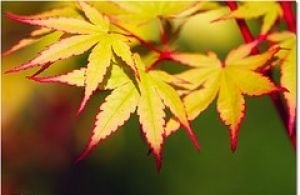
Coral Bark Japanese Maple Sango Kaku

Japanese Red Maple Live Plant 1-2 Ft

Bloodgood Japanese Maple 2-Year Live Tree

Pixie Dwarf Japanese Maple 2-Year Live Tree
The Details Behind The Selections
The Red Japanese Maple Live Plant arrives in a container at 2-3 feet tall, which means you skip the seedling stage and get a young tree with established structure ready to transplant. Its tolerance range runs from part sun into full shade, making it a rare find for gardeners with deep-canopy beds where many ornamentals sulk. Mature size lands somewhere between 10 and 15 feet with a similar spread, so you’re looking at a true small tree rather than a large shrub.
Foliage color is the real draw here: deep red in spring, then a transition through gold, orange, or red in autumn depending on your microclimate. The rounded, upright form gives it a sculptural presence even in winter when the leaves drop. Soil-wise, the plant adapts to a wide range of conditions as long as drainage stays solid. Water needs lean toward consistent moisture without soggy roots.
What Pays Off
- True full-shade tolerance alongside part-sun flexibility, so tricky north-facing beds stay colorful
- Multi-season interest from spring red through fall gold, orange, or red transitions
- 2-3 foot starter size gives you a head start versus seed-grown or plug alternatives
- Rounded upright form provides structure and a focal silhouette even bare in winter
Things To Consider
- Final spread can reach 10 feet, so you need to give it room or plan for annual shaping
- Container stock can show transplant shock the first season, so consistent watering during establishment is commonly recommended
Key Product Details
Who It Suits Best
Homeowners with established shade gardens who want a centerpiece tree with red foliage and a manageable mature size.
Where Another Pick Suits Better
Shade gardeners working with very tight footprints should consider the Pixie Dwarf Japanese Maple, which stays closer to 5 feet tall with a narrower columnar habit.
Little Sango is the dwarf sibling of the well-known Sango Kaku coral bark maple, and it inherits the family’s signature feature: vivid coral-red stems that glow against winter snow or gray skies. The mature size tops out around 5 feet tall and wide, which makes it a true small-space player. Foliage opens bright lime green in spring, deepens through summer, then shifts to yellow, orange, and pink in fall. In shade, you get the same multi-season display without the sun stress.
This cultivar handles part shade well, and many growers in protected spots see it thrive in nearly full shade. Zones 5 through 8 cover most temperate U.S. climates, so it slots into a wide range of gardens. The upright form stays tidy, and the bright bark provides winter interest that few other shade-tolerant trees can match.
The Upside
- Coral-red bark delivers year-round ornamental value, even when leaves drop
- Compact 5-by-5 foot footprint suits foundation beds and patio containers
- Spring-through-fall color shift from lime green to warm yellows and pinks
Worth Noting
- Younger plants can show bark color slowly in the first couple of years
- Winter bark looks best in colder zones where the red contrasts more strongly
Made For
Gardeners with small yards or container plantings who want winter interest and multi-season color in a compact form.
Look Elsewhere When
If you need a tree that reaches above 8 feet for a larger canopy role, the Coral Bark Japanese Maple Sango Kaku offers the same bark appeal in a much larger package.
Tamukeyama is a dissectum, or “laceleaf,” type, which means finely cut, thread-like foliage that cascades in a mounded, weeping form. New growth emerges crimson red and darkens to deep purple as the season progresses, then ignites into bright scarlet in fall. Unlike many laceleaf cultivars, Tamukeyama holds its color well in hot and humid climates, which is why it’s favored in the Southeast and Mid-Atlantic. Mature size lands around 6 to 8 feet tall and wide.
Shade tolerance is solid; in fact, this tree often performs better with afternoon shade, where the delicate leaves avoid crisping. The cascading form works well as a focal point near water features, entryways, or in raised beds where the full silhouette can be appreciated. For gardeners who want texture more than vertical presence, Tamukeyama delivers.
Useful Strengths
- Color retention in heat and humidity, a step up from many red dissectums
- Cascading form adds movement and texture to static shade plantings
- Bright scarlet fall color holds even in warmer zones
Trade Offs
- Laceleaf texture catches debris, so some seasonal cleanup around the base is commonly needed
- Mounding spread means it needs elbow room in tight foundation beds
Feature Snapshot
Best Suited To
Garden designers and homeowners building a textural focal point in a shaded bed where the cascading form can be the visual anchor.
Skip It When
If you prefer a tree with strong vertical lines rather than a weeping mound, the Pixie Dwarf Japanese Maple keeps a columnar habit at a similar mature height.
Ukigumo, which translates to “floating cloud,” is one of the most heavily variegated Japanese maples you can grow. The leaves emerge with strong veining overlaid in green, white, and pink, giving the canopy a mottled, almost watercolor look. In shade, the variegation holds better because direct sun tends to bleach or burn the white portions. This is a 2-year grafted tree, so you’re getting a head start on a slow-growing but rewarding specimen.
Mature size is modest: around 5 to 6 feet tall with a narrow 2 to 3 foot spread. That slender profile makes it ideal as an accent in tight shade borders or near pathways where the leaf detail can be appreciated up close. Note that young plants often look like ordinary green maples for the first year or two before the variegation matures. You may find the wait frustrating, but the payoff once it settles in is striking.
What Works In Its Favor
- Heavily variegated foliage that actually benefits from shade, since sun bleaches the white sections
- Narrow upright habit fits in foundation beds and tight borders
- Unique visual texture few other maples can match in low-light conditions
Honest Caveats
- Variegation may not fully develop until the second or third growing season
- Slower growth rate means patience is part of the ownership
Key Attributes
Who Will Love This
Collectors and detail-oriented gardeners who want a one-of-a-kind focal point and don’t mind waiting a season or two for full character.
Consider Something Else When
If you want a low-maintenance showpiece without the early-years gamble, the Red Laceleaf Weeping Japanese Maple Tamukeyama delivers strong color from the start.
Sango Kaku is the full-size version of the coral bark family and arguably the most widely grown cultivar in the group. The new growth emerges lime green in spring, matures to a soft green in summer, and then turns yellow, orange, and pink in fall before dropping to reveal the coral-red bark that made this tree famous. Mature height runs 15 to 20 feet, with a spread of 12 to 15 feet, so it functions as a genuine small-to-medium landscape tree rather than a large shrub.
This 3-year live plant is professionally grafted at the nursery, which means you get a strong root system and a head start on a slow-growing species. Part shade suits it best, though in cooler zones it tolerates more sun if the soil stays moist. The winter bark show is the main event, especially in zones 5 through 9 where the contrast is sharpest. For a larger shade garden that needs a four-season anchor, Sango Kaku is hard to beat.
Where It Helps
- Coral-red winter bark delivers ornament in the season when most shade trees are bare
- Multi-season leaf color from lime green through warm autumn tones
- 3-year grafted stock provides a sturdier start than seedling alternatives
Points To Note
- Mature size can reach 20 feet, so site planning matters for smaller yards
- Newer bark shows stronger red; older wood can fade over time, which is typical of the species
Quick Technical Notes
Right Fit For
Garden owners with room to spare who want a four-season specimen tree and value winter bark as a feature.
Another Choice May Suit
For gardeners who love the coral bark look but lack space, the Little Sango Dwarf Coral Bark Japanese Maple delivers the same winter appeal in a 5-foot package.
This Japanese Red Maple Live Plant ships at 1 to 2 feet in a 3-inch pot, making it one of the most affordable entry points into growing Japanese maples. The deep burgundy-red foliage holds through spring and summer, and the small size makes it a natural pick for container culture, bonsai projects, or tight patio corners. It’s marketed as a hardy deciduous tree suitable for foundation plantings and entryways.
The compact starter size is both a benefit and a trade-off: you save money and get a tree that adapts to its planting site, but you’re starting from a young plant that needs more attentive watering during establishment. For gardeners who enjoy watching a tree develop from an early stage, this is a satisfying project. The 3-inch pot size also means it transitions easily into a larger container or in-ground bed without major root disturbance.
What Makes Sense
- Entry-level price point makes it accessible for new gardeners or large plantings
- Starter size suits bonsai training, patio containers, and small entryway beds
- Deep red foliage provides color from spring through fall in a compact tree
Small Caveats
- Younger plant needs more consistent watering through the first growing season
- Mature size and exact form depend on the cultivar mix within the Acer palmatum seed line
Feature Overview
Perfect Match For
First-time maple growers, budget-conscious gardeners, and anyone interested in bonsai or container training who wants a low-cost starting tree.
Reach For A Different Pick When
If you prefer a tree with a defined mature form and stronger cultivar identity, the Red Japanese Maple Live Plant 2-3 Feet Tall arrives larger and more developed.
Bloodgood is arguably the most recognized Japanese maple cultivar in American gardens, known for blazing red foliage that holds through summer and a tall, upright form that reaches 20 feet at maturity. This 2-year live tree ships in an ABP container from TriStar Plants, which gives the root system room to develop before transplant. Hardy in zones 5 through 8, it tolerates a wide range of conditions and is also a candidate for bonsai training.
Light requirements lean toward part shade in warmer zones, where afternoon protection keeps the deep red from washing out. In cooler northern gardens, Bloodgood can handle more sun, but in the deep shade use case for this list, it still performs well with a few hours of filtered light. The mature size makes it a long-term landscape anchor rather than a quick fill, so it suits gardeners who want a tree that grows into a major presence over a decade or two.
Bright Spots
- Iconic red foliage that holds color through summer heat better than many cultivars
- Hardy across zones 5-8 with strong winter tolerance
- Versatile for both traditional landscape use and bonsai training
Points To Keep In Mind
- Mature height near 20 feet requires long-term space planning
- Leaf color is deepest with some morning sun; deep full shade can mute the red slightly
Who Should Grab It
Homeowners investing in a long-term landscape centerpiece who want a well-known, reliably hardy cultivar that develops into a substantial tree.
A Better Fit Elsewhere
For gardeners who love the Bloodgood look but need a smaller footprint, the Pixie Dwarf Japanese Maple offers similar deep red tones in a 4-5 foot columnar form.
Pixie is often described as a dwarf Bloodgood, and the comparison is fair: it carries the same deep maroon-to-black-red leaf color but in a much smaller, slow-growing package. Mature height lands around 4 to 5 feet with a narrow, columnar habit, which is unusual for a Japanese maple. The bark is also red-black, adding to the dark, moody palette. Fall color shifts to fiery scarlet-red for a final seasonal show.
This 2-year live tree is professionally grafted, so you get true cultivar characteristics rather than seedling variation. The dense branching and short internodes (the spaces between leaf nodes on a stem) give the canopy a compact, layered look. In shade, Pixie holds its dark color well and benefits from the same protection from afternoon sun that other red cultivars appreciate. It’s a strong fit for tight urban beds, courtyard gardens, or container culture where space is at a premium.
A Favorable Mix
- Deep maroon-to-black-red foliage that holds well through summer
- Narrow columnar habit fits in tight spaces where other maples won’t
- Slow growth means less pruning and a long-lasting shape
Factors To Consider
- Slow growth also means it takes patience to reach its full character
- Deep red color is most vivid with some morning light; full deep shade can read as muddy
Built With In Mind
Urban gardeners, apartment dwellers with patio space, and anyone who wants a dark-leaved maple in a narrow footprint.
Where A Sibling Pick Shines
If you want more visual drama in a weeping form, the Tamukeyama laceleaf offers cascading texture at a similar mature size.
What Matters Most When Choosing Japanese Maples For Full Shade
Shade tolerance varies more than most gardeners realize. Some Japanese maples, like Bloodgood and the weeping laceleaf types, technically handle sun but actually look their best with afternoon protection, where the foliage avoids scorch and the reds stay saturated. Others, like Ukigumo, actively prefer shade because direct light bleaches their variegation. Before choosing, identify whether your site gets dappled light, partial shade, or true full shade, and match the cultivar accordingly.
Mature size is the next big decision. A Bloodgood that reaches 20 feet can overwhelm a small foundation bed within a decade, while a Pixie or Little Sango stays in scale with patios and courtyards. For most residential gardens, the 5 to 8 foot range hits a sweet spot: large enough to feel like a tree, small enough to manage.
Form matters as much as color. Upright cultivars like Sango Kaku and Bloodgood give you vertical structure, while weeping types like Tamukeyama add movement and a softer line. Columnar forms like Pixie fit into narrow spaces where broader trees won’t. Color ranges from deep reds and purples to variegated whites and greens, so decide whether you want a focal point or a blending texture in your shade bed.
Soil and moisture round out the picture. Japanese maples prefer well-drained, consistently moist soil, and they don’t tolerate wet feet. Most adapt to a range of soil types as long as drainage holds. Mulching helps regulate moisture and protect the shallow root system, which is especially important in shade where competition from tree roots above can be intense.
Key Considerations Across These Picks
Pitfalls Shoppers Hit
A common mistake is assuming “full shade” means zero direct light, and then watching a sun-loving cultivar decline. Most Japanese maples labeled for full shade still want some dappled or filtered light to perform well. A site under a dense evergreen canopy with no skylight is a tougher environment than a north-facing bed that gets morning glow. Matching the cultivar to your actual light conditions, not the label alone, prevents disappointment.
Another slip is underestimating mature size. A 2-3 foot starter tree looks manageable, but a Bloodgood at 20 feet or a Sango Kaku at 15 feet can dominate a small yard within a decade. Check both height and spread, and plan for the canopy your tree will have in 15 years, not the one you plant today.
Where The Extra Money Goes
Premium picks like Ukigumo cost more because variegated cultivars grow slowly and require careful grafting to maintain their distinctive patterns. The higher price reflects years of nursery work, not just plant size. If you want a one-of-a-kind focal point with unusual coloring, that investment pays back in visual impact.
Larger starter trees, like the 3-year Sango Kaku or 2-year Bloodgood, also command more because they’ve had more time to develop strong root systems and branching structure. You get closer to mature character faster, which matters if you want a tree that looks established within a few seasons rather than a decade.
Frequently Asked Questions
Can Japanese maples survive in full shade?
Most Japanese maples tolerate part shade very well, and several cultivars, including Ukigumo and Tamukeyama, actually prefer shaded conditions where their foliage stays protected from harsh sun. True full shade with no dappled light can slow growth and mute fall color, so a site with filtered light through a canopy usually performs better than deep, unbroken shadow.
How big do Japanese maples get in containers?
Container-grown Japanese maples typically reach about half to two-thirds of their in-ground mature size, depending on pot volume and root pruning. A Pixie might stay at 3 to 4 feet in a large container, while a Sango Kaku could be held to 8 to 10 feet with regular root work. Pot size and watering frequency become the long-term management factors.
When is the best time to plant Japanese maples in shade?
Early fall and early spring are the two best windows, because cooler temperatures and consistent rainfall reduce transplant stress. Fall planting lets roots establish before winter dormancy, while spring planting gives a full growing season to settle in. Avoid mid-summer planting in hot climates unless you can provide attentive watering.
Do Japanese maples lose their leaves in winter?
Yes, Japanese maples are deciduous, which means they drop their leaves in fall and remain bare through winter. The good news is that cultivars like Sango Kaku and Little Sango offer ornamental bark that carries the visual interest through the cold months. The bare-branch silhouette can also be a feature in a well-designed shade garden.
How often should I water a newly planted Japanese maple?
Newly planted Japanese maples need deep watering two to three times per week during the first growing season, more often in sandy soil or hot weather. The goal is consistently moist, not soggy, soil. After the first year, most established maples tolerate normal rainfall with supplemental watering during dry spells.
Closing Remarks
Shade gardens don’t have to settle for green-on-green. The right Japanese maple brings color, form, and seasonal rhythm to the dim corners of your yard, and the eight picks above cover everything from compact container trees to substantial landscape specimens. Think about your light conditions, your space limits, and the role you want the tree to play, and one of these cultivars will fit. Plant in fall or spring, mulch well, and your maple will reward you for decades.
