

Japanese maples have a reputation for preferring dappled shade, but a steady list of cultivars handle direct sun without their leaves crisping by midsummer. Full-sun yards, open garden beds, and unsheltered corners no longer force you to give up the delicate branching and fiery fall color that make maples special. This list focuses on eight live plants that tolerate open exposure, hold their color through heat, and arrive rooted enough to establish in a single growing season. Whether you’re after a graceful weeping form, a tall focal-point tree, or a tiny patio accent, there’s a match ahead.
The Shortlist At A Glance

Red Japanese Maple Live Plant 2-3 Feet Tall

Tamukeyama Red Laceleaf Weeping Japanese Maple
Sango Kaku Coral Bark Japanese Maple Live Plant

Bloodgood Japanese Maple 2-Year Live Tree

Pixie Dwarf Japanese Maple 2-Year Live Tree

Dwarf Kamagata Japanese Maple Live Plant

Bloodgood Red Japanese Maple 2-Year Live Tree
Deep burgundy foliage holds steady

Brighter Blooms Bloodgood Japanese Maple Tree
The Strengths Of Each Pick
A classic entry-point Japanese maple, this 2-3 ft rooted tree arrives in a soil container ready for transplanting. The rounded, upright habit fills out into a 10-15 ft mature specimen, giving you a mid-size ornamental that anchors a sunny bed without overwhelming it. The deep red spring foliage darkens through summer before shifting to gold, orange, or red in autumn.
For gardeners who want a balanced starter tree that grows with their landscape, this fits naturally into Zones 5-8. Compared to the smaller dwarfs later on this list, it offers real vertical presence without the towering scale of a Bloodgood.
Advantages To Know
- Reaches 10-15 ft at maturity, a true mid-size landscape tree
- Transitions through gold, orange, and red each fall for varied color
- Widely adaptable to many well-drained, moist soil types
- Rounded upright form needs minimal shaping to look tidy
Things To Consider
- Source lists part-sun to full-shade, so afternoon shade in southern zones is wise
- Container soil can dry quickly the first season until roots establish
Who It Suits Best
Homeowners in Zones 5-8 wanting a versatile mid-size maple that handles varied soils and develops real character over a decade.
Where Another Pick Suits Better
For hotter southern gardens where sun tolerance is critical, the Tamukeyama laceleaf handles direct exposure far better.
Tamukeyama is widely planted across the Southeast for one reason: it keeps its deep color through punishing humidity. The laceleaf (finely cut, thread-like leaf) form cascades downward from a high graft, producing a sculptural mound that softens any sunny corner. New foliage emerges crimson and matures to dark purple before bright scarlet fall color takes over.
Reaching 6-8 ft tall and wide in Zones 5-8, it stays compact enough for foundation plantings and courtyard gardens. If your yard runs hot and humid, this laceleaf handles more direct rays than the upright red maple above.
Good Reasons To Consider
- Specifically bred for hot, humid climates where other weepers fade
- Vigorous cascading habit fills in quickly after planting
- Holds red-purple leaf color through summer heat
- High graft lifts the canopy for showing off the sculpted form
Honest Caveats
- Finely cut leaves can brown at the tips during drought stress
- Cascading form needs vertical clearance above for branch spread
Built With In Mind
Southern and mid-Atlantic gardeners who need a sun-loving weeper with verified heat tolerance and vivid fall color.
Swap It Out When
For a smaller bonsai-friendly dwarf with similar leaf intricacy, the Kamagata offers the divided-leaf look in a 3-4 ft package.
Quick Facts
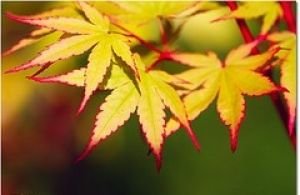
Coral bark maples earn their keep in winter. When the leaves drop, the stems reveal an intense coral-red bark that catches low sunlight beautifully, the kind of feature that earns a plant its “four-season” reputation. Spring brings bright lime-green new growth, followed by yellow, orange, and pink fall tones on a tree that matures around 8 ft tall and 12-15 ft wide.
This 3-year-old live plant arrives professionally grafted (meaning the coral-bark variety is joined to a sturdy rootstock for stronger growth) and establishes faster than younger starts. For gardeners who watch their landscape from a window through winter, the colored bark is the main event.
Practical Pluses
- Coral-red winter bark outshines most deciduous ornamentals in dormancy
- Multi-season shift from lime spring leaves to pink-tinged fall color
- Hardy across Zones 5-9 for broader climate range
- 3-year-old root system transplants with less setback
Small Caveats
- Source recommends part shade, so placement deserves thought in Zone 8-9
- Lower branches may need light pruning to keep the bark visible
Best Suited To
Gardeners in colder zones who want a tree that earns its place even when its leaves are off and snow is falling.
A Better Fit Elsewhere
If you want a taller, deep-red-leaved focal point, the Bloodgood 2-Year Live Tree reaches twenty feet with bolder foliage presence.
Bloodgood is the variety most people picture when they think “Japanese maple.” This Tristar Plants version ships in an ABP container (a fabric-style grow bag that air-prunes roots) as a 2-year-old tree, giving it a head start on the rooting timeline. Mature height pushes twenty feet, making this the right pick for open lawns and large property anchors.
The blazing red foliage holds well through summer and turns deep crimson in fall. For gardeners wanting a single dramatic focal point with decades of growth ahead, the Bloodgood cultivar has decades of reputation behind it.
Bright Spots
- Reaches twenty feet at maturity for serious landscape presence
- Deep red foliage resists greening in summer heat better than most cultivars
- Hardy across Zones 5-8 with established cold tolerance
- Doubles as a bonsai candidate for patient shapers
Factors To Consider
- Photos shown reflect mature trees, so shipped size is much smaller
- Taller canopy demands more root-zone space than dwarf alternatives
Whose Shelf It Belongs On
Property owners with room for a 15-20 ft tree who want a single planting to anchor a lawn or border for decades.
Look Elsewhere When
For a quicker visual fill in a tight bed, the Brighter Blooms Bloodgood ships at a larger starter size and establishes faster.
At A Glance
Pixie behaves like a compressed Bloodgood, with the same deep red leaf color but in a narrow columnar silhouette that tops out around 4-5 ft tall. Black-red bark and fire-red fall color extend the display well past leaf drop. The dense, compact branching earns it a spot in courtyards, raised beds, and large containers where a tall tree simply wouldn’t fit.
For tight urban lots and foundation plantings that need vertical interest without bulk, Pixie handles full sun to part shade across Zones 5-8. It is slower-growing than its full-size cousins, so patience rewards with a tidy column.
What Stands Out
- Columnar dwarf habit fits narrow beds and patio corners
- Deep red leaf color holds through summer heat
- Fire-red fall color rivals taller Bloodgood trees
- Tolerates full sun to part shade for flexible placement
Where It Is Less Suited
- Slow growth means years before reaching its full 5 ft height
- Dense canopy benefits from occasional thinning to admit light
The Right Fit
Apartment and courtyard gardeners who need upright structure in a 4-5 ft package without sacrificing the iconic red foliage.
Reach For A Different Pick When
For a more sculptural mounded shape rather than a vertical column, the Kamagata dwarf offers delicate divided leaves at similar size.
Feature Snapshot
Kamagata reads like a feather in the garden: finely divided leaves with long pointed tips shift through red and green in spring before settling into summer tones. Despite the delicate look, it stays small at 3-4 ft tall and roughly 5 ft wide, a true dwarf that scales perfectly to container growing and bonsai training.
For Zones 5-9, the cultivar handles full sun to part shade, which widens placement options beyond the usual “part shade only” maple rule. Compared to Pixie’s columnar look, Kamagata spreads wider and offers finer leaf texture for shaping projects.
Useful Touches
- Fine-textured leaves respond well to wiring and bonsai techniques
- Compact 3-4 ft mature size suits long-term container culture
- Spring color shifts through red and green tones for visual interest
- Handles Zones 5-9 with full sun to part shade flexibility
Some Limits To Know
- Fine leaves show wind scorch in exposed, breezy sites
- Bonsai shaping requires routine pinching to maintain internode length
Perfect Match For
Hobbyists building a small bonsai collection or container gardeners who want a tabletop-sized maple with delicate texture.
Consider Something Else When
For a more upright column with similar dwarf size, the Pixie delivers bolder red foliage in a vertical form.
This Bloodgood ships from Japanese Maples and Evergreens, a nursery that grows its own grafted stock. The 2-year-old tree arrives rooted and ready to plant, with deep burgundy-red foliage that carries from spring leaf-out through fall. Across Zones 5-8, it tolerates cold winters and settles into landscape, container, or bonsai training equally well.
For gardeners weighing Bloodgood options, this version is the better fit when you want a nursery-grown tree with a known grafting standard rather than a reseller’s stock. Compare the size and shipping height before deciding between this and the Tristar Plants version reviewed earlier.
A Few Strong Suits
- Deep burgundy foliage stays vivid from spring through fall
- Nursery-grown root system establishes faster than smaller starts
- Handles Zones 5-8 with low-maintenance care
- Doubles as a bonsai subject with patient training
Points To Note
- Color fades slightly in intense afternoon sun in southern zones
- Container-grown trees need consistent watering the first summer
Who Should Grab It
Landscape shoppers who want a proven Bloodgood from a specialist nursery rather than a generic reseller’s offering.
Another Choice May Suit
For a taller starter size with quicker visual fill, the Brighter Blooms Bloodgood arrives at 3-4 ft for faster landscape impact.
Quick Facts
Brighter Blooms ships the Bloodgood at 3-4 ft, a meaningful jump over the 2-year starter trees that arrive at half that height. For first-time gardeners, the larger size buys time and reduces the year-one transplant stress that catches new tree-planters off guard. The same deep red foliage and graceful form apply, just delivered with more visible mass.
One logistical note: the listing does not ship to Alaska, Arizona, or Hawaii, which rules out several climate zones. If you’re in the contiguous 48 and want a stronger starter, this is the smoothest path to an established-looking maple in your yard.
What Helps Most
- 3-4 ft shipping height means faster visual fill in year one
- Beginner-friendly care profile suits newer gardeners
- Distinctive red foliage reads clearly at any landscape distance
- Classic Bloodgood form with decades of proven performance
Practical Considerations
- Not shipped to AK, AZ, or HI, limiting availability in those states
- Larger trees may need staking the first season against wind
Made For
New gardeners in the contiguous U.S. who want a taller starter tree without managing the early-establishment stress of a smaller whip.
Skip It When
For container gardening or bonsai training where smaller size is the point, the Kamagata dwarf gives you shaping flexibility in a 3-4 ft form.
Choosing The Right Japanese Maple For A Sunny Yard
Japanese maples earn their reputation in part-shade gardens, but full sun no longer means surrendering that delicate look. The trick lies in matching the cultivar to your climate and soil. Heat-tolerant types like Tamukeyama keep their leaf color where others bleach out, while coral bark varieties like Sango Kaku turn winter bark into a feature instead of a dormant gap.
Match The Cultivar To Your Climate Zone
USDA Zone matters more than sun hours alone. Tamukeyama tolerates southern humidity while coral bark maples handle Zone 9 better than most. Always cross-check the listed zone range against your location, since a Zone 5 plant in Zone 9 behaves very differently than the same plant in Maine.
Think About Mature Size Before Planting
A 20 ft Bloodgood changes the whole feel of a yard once it matures, while a 4 ft Kamagata stays accent-sized forever. Picture the tree at full scale, not the size in the box, and confirm the spread fits your bed or container width. Small-space gardeners usually do better with dwarfs and columnar types.
Soil And Water Set The Long-Term Outcome
Maples want well-drained, moist soil that does not stay soggy. Heavy clay benefits from a generous planting hole with compost amended in. Container trees need consistent watering through summer because their limited root volume dries faster than in-ground plantings, especially in full sun.
Key Considerations Across These Picks
Common Shopping Slip Ups
The biggest mistake is buying a cultivar without checking its sun tolerance. Many Japanese maples sold as “full sun” in nursery listings actually prefer part shade in hotter zones, and the leaf scorch shows up by July. Match the cultivar to your zone and microclimate, not just the photo on the listing.
Another frequent trap is underestimating mature size. That 2-year-old tree in a 2-gallon pot will reach 15-20 ft if it’s a Bloodgood, which can crowd smaller yards or block sight lines. Check the listed mature height and spread before committing.
What The Higher Tier Buys
Taller starter trees and professionally grafted stock cost more because they save years of establishment time. A 3-4 ft Bloodgood from Brighter Blooms fills a landscape corner in one season, while a smaller 2-year tree needs three to four seasons to reach the same visual presence. For gardeners who want a mature-looking focal point quickly, paying up for size and grafted quality shortens the timeline.
Specialist nurseries like Japanese Maples and Evergreens charge more for grafted cultivars because the work is hands-on, and the result is a tree with stronger form and reliable color. For cultivars where color stability or weeping form matters, the upcharge usually pays off in years of better performance.
Frequently Asked Questions
Can Japanese maples really grow in full sun?
Yes, certain cultivars tolerate direct sun, especially in cooler climates. Tamukeyama, Bloodgood, and Pixie handle sun well, though even these benefit from afternoon shade in Zones 8-9 where summer heat runs intense.
How much sun is too much for a Japanese maple?
Six or more hours of direct sun in Zones 8-9 can scorch leaves on most cultivars. In Zones 5-7, full sun is usually fine for heat-tolerant types. Watch leaf edges for browning, which signals stress.
When is the best time to plant a Japanese maple?
Early spring or early fall gives roots time to establish before summer heat or winter cold arrives. Container-grown live plants from listings like these can go in the ground across the growing season with attentive watering.
Do Japanese maples need special soil?
Well-drained, moist soil with organic matter works best. Heavy clay benefits from compost amendment at planting. They prefer slightly acidic conditions but adapt to neutral pH in most home landscapes.
How big will a Japanese maple get in a container?
Dwarf cultivars like Kamagata and Pixie stay 3-5 ft in containers for many years. Standard upright types like Bloodgood outgrow large pots within a few seasons and do better planted in the ground long-term.
The Takeaway
Full-sun Japanese maples come down to picking the right cultivar for your zone and space. Heat-tolerant types like Tamukeyama and Bloodgood reward sunny yards with vivid color, while dwarfs like Pixie and Kamagata bring the same character to tight corners and containers. Coral bark varieties add winter interest that most deciduous trees cannot match. Match the tree to your site, plant it well, and your maple will return the favor for decades.
