

Asian lady beetles (the orange, swarming lookalikes) show up by the hundreds on sun-warmed siding, slip into attics for winter, and blemish otherwise tidy gardens. You have two real paths to deal with them: knock down the swarm with a perimeter spray, or recruit the native Hippodamia convergens ladybug to police your plants naturally. Both approaches work, and the right pick depends on whether your problem is structural (walls, window frames, eaves) or biological (aphids, soft-bodied pests in beds and borders).
Below are eight options covering both strategies, from a water-based concentrate for foundation lines to live ladybug releases shipped in breathable mesh bags. Each pick fits a different use case, and the buying guide after the lineup walks through how to choose between them.
The Picks In Brief
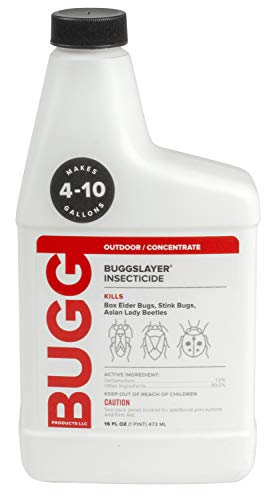
BUGGSLAYER Insecticide Concentrate Outdoor Control 16 oz

Clark&Co Organic 3000 Live Ladybugs

BugMD Pet Safe Multi-Insect Killer Spray
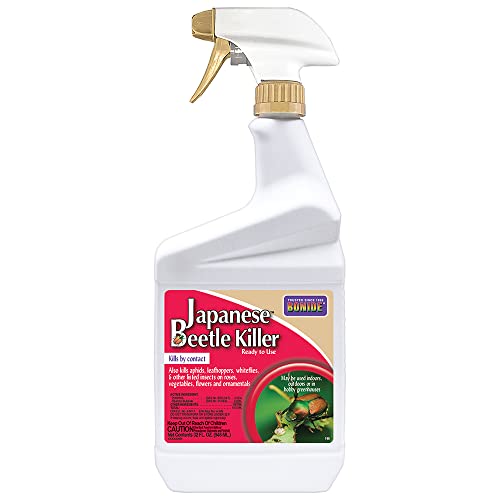
Bonide Japanese Beetle Killer Spray 32 oz

NaturesGoodGuys 750 Live Ladybugs
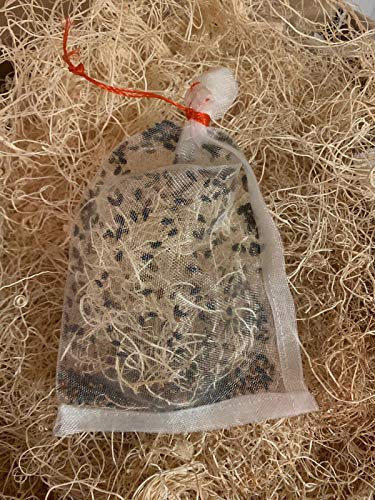
C&C 300 Live Ladybugs for Garden

Clark&Co Organic Hippodamia Convergens 300 Count
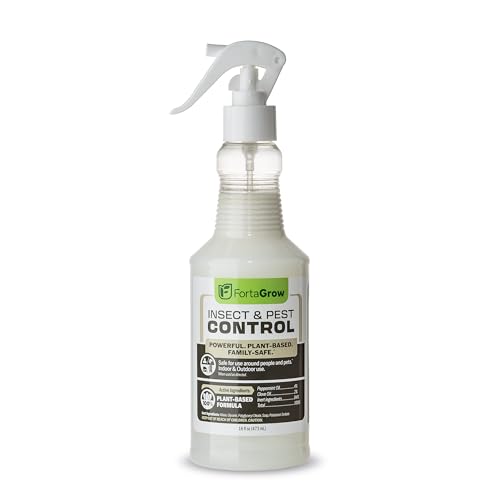
FortaGrow Peppermint & Clove Oil Pest Spray 16oz
A Deeper Look At The Lineup
When lady beetles pile up along the south-facing wall in October, you need something that treats the whole foundation, not just the visible handful on the siding. BUGGSLAYER ships as a 16 ounce concentrate that you dilute and apply as a perimeter band around doors, windows, and the foundation line. The water-based formula is built to lay down a barrier that interrupts the next wave of invaders, which is the actual job here: you cannot chase one swarm, you have to set a perimeter before the next cluster lands.
This is the pick for homeowners whose problem is structural rather than garden-based. If you have a finished basement, an attic vent, or a wood-sided ranch where the same yellow bugs show up every fall, a concentrate gives you enough mixed solution to cover the full perimeter in one pass. Treat before the swarm arrives for the best results, since the active layer needs time to settle onto the surfaces you spray.
Where It Delivers
- 16 ounce bottle dilutes to cover a full residential perimeter, not just spot treatments
- Water-based carrier keeps the application low-odor, which matters when you are spraying near open windows
- Targeted at the exact pests that invade walls: box elder bugs, stink bugs, and Asian lady beetles
- Foundation-line application gives long-lasting residual coverage along common entry points
Points To Keep In Mind
- Concentrate requires measuring and a pump sprayer, so first-timers face a small learning curve
- Reapplication after heavy rain is widely reported as standard practice for perimeter work
Who It Suits Best
Homeowners fighting an annual fall invasion of Asian lady beetles on the south and west walls, with a pump sprayer already on hand.
Where Another Pick Suits Better
For gardeners with an aphid problem rather than a structural one, the Clark&Co Organic 3000 Live Ladybugs release is a more natural fit.
Big garden, big aphid pressure. Clark&Co’s 3000 count bag is the heavy lifter on this list, sized for a half-acre yard or a small orchard where the soft-bodied pest population has gotten ahead of you. *Hippodamia convergens* (the convergent lady beetle, the native North American species) is shipped in a mesh bag along with a release tip sheet and a fun-facts insert, and the company stands behind live arrival.
You treat this like introducing any other beneficial, and timing matters more than count. Release after sundown near a water source, mist the foliage first, and let the beetles settle into the canopy rather than fly off into the neighbor’s yard. The 3000 headcount is what makes this pick attractive for a large space: smaller bags of 300 or 750 work for one bed, while this one covers a full property line.
What Earns Its Place
- 3000 beetles is enough population to suppress a serious aphid outbreak in a large yard
- Mesh bag packaging supports healthy transit and even distribution at release points
- Educational sheet included, useful if you have kids in the garden with you
- Predatory diet covers aphids, mites, thrips, whitefly, and other soft-bodied pests
Worth Noting
- Hot daytime releases cause beetles to scatter immediately, so evening timing is essential
- Live arrival guarantee depends on shipping conditions, and heat waves in transit can reduce count
Key Product Details
Right Fit For
Experienced organic gardeners managing a half-acre or larger property with a serious aphid or mite outbreak.
Skip It When
A small raised bed or container garden calls for the C&C 300 Live Ladybugs bag instead, since 3000 beetles will simply fly away from a tiny space.
Indoor lady beetle problems look different from outdoor ones. A few stragglers wander in through a door gap in November, and the right call is a contact spray that handles the rare invader without forcing you to relocate the dog. BugMD’s formula leans on essential oils (peppermint, rosemary, and citronella in the published ingredient list) rather than synthetic pyrethroids, so the room smells like a herb garden instead of a chemistry lab.
This sits in the household supplies category and is designed for indoor use. The bottle is sized for repeated application around baseboards, entryways, and storage areas where the occasional Asian lady beetle or spider shows up. For a family with curious pets who sniff every new object on the floor, the essential-oil base is the part that makes this pick comfortable to keep on a shelf.
The Helpful Details
- Botanical active ingredients suit homes with cats, dogs, and small children
- Multi-insect reach handles ants, spiders, and roaches on top of lady beetles
- Spray bottle format allows targeted baseboard and threshold application
- Leaves a mild herbal scent rather than a chemical odor in treated rooms
Honest Caveats
- Essential-oil formulas generally require more frequent reapplication than synthetic options
- Best suited to occasional invaders rather than a full structural swarm
Made For
Pet owners and parents who want an indoor spray that handles the occasional Asian lady beetle without a chemical smell.
Look Elsewhere When
A heavy fall swarm on the siding calls for the BUGGSLAYER concentrate applied as a perimeter barrier instead.
Some gardeners do not want to think about dilution ratios at 7 a.m. on a Saturday. Bonide’s ready-to-use bottle arrives pre-mixed, so you twist off the cap, point, and spray. The 32 ounce size is a comfortable hold for a single hand during a long sweep of rose bushes, grapevines, or raspberry canes where chewing insects cluster.
The label is broader than the name suggests, with the published coverage spanning Japanese beetles, aphids, flea beetles, leafhoppers, caterpillars, stink bugs, moths, Colorado potato beetles, and webworms. That makes it a versatile foliar spray for a vegetable bed or a flower border where the pest roster rotates through the season. You do not have to keep six different bottles on the shelf.
The Practical Payoff
- Ready-to-use format skips the measuring cup and pump sprayer entirely
- 32 ounce bottle is sized for a full vegetable bed or a small orchard pass
- Broad pest label reduces the need to identify every bug before spraying
- Suitable for use on listed vegetables, flowers, ornamentals, trees, and shrubs
Trade Offs
- Pre-mixed water base means a heavier bottle to carry during a long application session
- Foliar sprays wash off in rain, so reapplication after storms is commonly needed
Feature Snapshot
Best Suited To
Gardeners with a mixed bed of vegetables and flowers who want one bottle that handles multiple chewing pests without dilution.
Reach For A Different Pick When
You would rather recruit predators than spray, in which case the NaturesGoodGuys 750 Live Ladybugs is a more natural fit for aphid control.
Sitting between the small 300 count bags and the heavy 3000 count bag, NaturesGoodGuys’ 750 count release hits the middle of the market. For a typical suburban yard with one or two raised beds and a few rosebushes, 750 beetles is the count that actually stays around long enough to make a dent, without overwhelming a small space where the bugs would simply fly away.
The mesh bag is breathable for transit, and the included sheet covers release tips, release rates, and answers to common questions. Like the other live options on this list, timing and moisture are the levers you control. Release in the evening, water the foliage first, and the beetles tend to settle in rather than disperse immediately.
A Few Highlights
- 750 count is the practical sweet spot for a typical suburban yard
- Mesh bag and educational insert reduce the learning curve for first releases
- Generalist predator covers aphids, mites, scales, thrips, whitefly, and more
- Live arrival guarantee supports replacement if a shipment arrives in poor condition
Small Caveats
- Large properties with heavy aphid pressure will burn through 750 quickly
- Storage time is short once the bag arrives, so plan a release within a day or two
Whose Shelf It Belongs On
Suburban gardeners with one or two beds and a steady but not overwhelming aphid problem.
Another Choice May Suit
For a half-acre or larger property, the Clark&Co Organic 3000 Live Ladybugs bag gives you the population to match the scale.
First time releasing beneficials? Start small. C&C’s 300 count bag is the right size for a single raised bed, a small herb garden, or a container planting on a patio. The lower count means a smaller financial commitment, and the included tip sheet walks you through the release timing so you do not have to learn it the hard way.
Like the other live options, you are buying a natural predator, not a chemical, so the application is closer to gardening than to pest control. Dampen the plants first, release at dusk, and watch the beetles find a sheltered spot for the night before they start hunting the next morning. For a small space, that approach is generally enough to clean up a moderate aphid cluster.
Standout Benefits
- 300 count is the low-commitment entry point for a first release
- Right-sized for a raised bed or patio garden where larger bags would scatter
- Tip sheet and FAQ insert make the first release more forgiving
- Generalist diet covers the common soft-bodied pests in a home garden
Possible Compromises
- Small count can be overwhelmed by a heavy infestation, requiring a follow-up release
- Live arrival depends on shipping conditions, and heat in transit affects survival
Who Should Grab It
First-time users working with a small bed or patio garden who want a low-stakes introduction to beneficial insects.
Not Your Match When
A larger yard with established aphid colonies calls for the NaturesGoodGuys 750 Live Ladybugs to keep up with demand.
This listing is the same species as the other live options on this list, but the listing explicitly names *Hippodamia convergens* in the title rather than burying the species in the description. For educators, master gardener programs, or anyone who wants the Latin name on the label, that specificity matters. The 300 count is sized for a classroom terrarium or a single demonstration bed.
Functionally, the release process is identical to the other live bags: evening timing, pre-moistened foliage, mesh bag dispersal. The species is a generalist predator across both adult and larval stages, so you get working beetles on day one and another wave of eaters once the larvae hatch. For a school project or a nature table, that life cycle hook is a real teaching opportunity.
Useful Strengths
- Latin species name printed on the listing for classroom and reference use
- 300 count sized appropriately for a single bed, terrarium, or demonstration
- Predatory behavior active in both adult and larval stages, doubling the impact window
- Mesh bag and tip sheet mirror the rest of the Clark&Co release lineup
A Few Limitations
- Smaller count limits coverage to a small planting area
- Live arrival guarantee depends on transit temperature, particularly in summer
Feature Card
Perfect Match For
Teachers, master gardeners, and hobbyists who want the species name clearly labeled and a small count for a focused release.
A Better Fit Elsewhere
For a wider suburban yard, the NaturesGoodGuys 750 Live Ladybugs offers more coverage at a comparable per-bug rate.
FortaGrow publishes a higher botanical concentration than most natural sprays in this category, with 4% peppermint oil and 2% clove oil listed on the active panel. For shoppers who have already tried a milder essential-oil spray and felt the results were too gentle, that stronger formulation is the appeal. The bottle is built for repeated application around baseboards, entryways, kitchens, and storage areas.
Use it as a contact spray where you see the beetles, and as a perimeter mist where they tend to enter. The scent is stronger than a basic peppermint spray, so you will smell it for an hour after treatment, though the published ingredient list keeps the formula in the botanical category. Indoors, a light pass is generally enough; outdoors, you can apply more liberally around the foundation line.
Real Benefits
- Higher published essential-oil concentration than most natural sprays in this category
- Multi-insect label covers spiders, ants, flies, gnats, roaches, and beetles
- Suitable for indoor and outdoor application, so one bottle covers multiple zones
- Family-safe positioning supports use around common living areas
Things To Weigh
- Stronger botanical scent lingers longer than a mild peppermint spray
- Heavy infestations still benefit from a perimeter concentrate like BUGGSLAYER rather than a contact spray alone
Quick Facts
Who Will Love This
Shoppers who want a stronger botanical spray for repeated indoor use around baseboards and entryways.
Swap It Out When
An outdoor foundation swarm needs a concentrate like the BUGGSLAYER Insecticide Concentrate for full perimeter coverage.
Factors To Consider When Choosing Ladybug Killers
Match the approach to the problem
Start with where the beetles actually show up. Asian lady beetles on the south wall in October are a structural issue, and a perimeter concentrate (BUGGSLAYER) or a contact botanical spray (FortaGrow, BugMD) is the right tool. Aphid-tending beetles in your rose garden are a biological issue, and a live ladybug release (any of the four options above) is the right tool. Mixing the two is fine: a perimeter spray outside plus a release in the beds is a common combination.
Sizing a live release
Ladybug releases follow a rough rule of thumb: about 1,500 beetles per 1,000 square feet of infested area for a light outbreak, and up to 3,000 per 1,000 square feet for a heavy one. That makes a 300 count bag a fit for a single bed, 750 for a small yard, and 3,000 for a half-acre or larger. Releasing too many in a small space wastes beetles that simply fly off to find food elsewhere.
Indoor versus outdoor formulation
Indoor sprays are designed for contact application in living spaces, with botanical actives and lower odor. Outdoor concentrates and foliar sprays are designed to cover a larger surface and handle weather exposure. A 16 ounce bottle of an indoor spray does not replace a 16 ounce bottle of an outdoor concentrate, even at the same volume. Match the bottle to the zone you are actually treating.
Timing and reapplication
Live ladybug releases need a cool, moist release window after sundown, and the population will need a follow-up release if pest pressure stays high. Sprays need reapplication after rain or heavy dew, especially foliar products like the Bonide Japanese Beetle Killer. The label tells you the interval, and respecting it is the difference between a one-time knockdown and a season-long defense.
Common Shopping Slip Ups and Upgrade Tradeoffs
Pitfalls Shoppers Hit
Buying the wrong formulation for the zone is the most common mistake. Indoor sprays like BugMD and FortaGrow are not built to cover a 200 foot foundation line, and an outdoor concentrate is overkill for a single baseboard in a powder room. Read the use sites on the label before clicking through. Releasing too many live beetles into a small bed is the parallel mistake on the biological side: 3000 ladybugs in a 4 by 8 foot raised bed will scatter, not settle.
The Case For Spending Up
Higher tier options in this category generally buy you either a larger count (3000 versus 300) or a higher active concentration (4% peppermint versus a basic 1%). For a small patio garden, a smaller bag is the better value. For a half-acre property with established aphid colonies, the 3000 count is the difference between a quick fix and a real population. Match the spend to the scale of the problem, not the size of the marketing pitch.
Frequently Asked Questions
Do ladybug killers harm native ladybug species?
Most contact sprays affect all beetles on contact, including the beneficial Hippodamia convergens. If you plan to release live ladybugs, pause spray applications in the release zone for a few days so the new arrivals do not walk into a fresh residue. Botanical sprays tend to break down faster than synthetic options, which makes timing easier.
When is the best time to release live ladybugs?
Evening, after sundown, is the standard window. Daytime releases cause the beetles to fly off immediately because they orient to sunlight. Pre-moistening the foliage gives them a drink and a reason to stay, and a sheltered corner of the garden helps them settle into a hunting routine by morning.
How long do live ladybugs last after release?
Adults typically live for several weeks to a few months in the garden, depending on temperature and food supply. They will stay as long as aphids and other soft-bodied prey are present, and they will move on once the supply runs out. A follow-up release in two to three weeks is commonly recommended for sustained pressure.
Are botanical sprays as effective as synthetic insecticides?
Botanical sprays like FortaGrow and BugMD rely on essential oils for contact action, and they tend to require more frequent reapplication than synthetic options. For a low-level indoor issue or a perimeter around a small home, that tradeoff is reasonable. For a heavy structural swarm, a perimeter concentrate like BUGGSLAYER is generally the stronger tool.
Can I use these products on edible plants?
Always check the label for edible crop clearance. Bonide’s Japanese Beetle Killer is labeled for use on listed vegetables, and live ladybugs pose no chemical risk to food crops. For a vegetable garden, the live release is often the cleaner long-term approach.
The Takeaway
Asian lady beetles on the siding call for a perimeter approach, and the BUGGSLAYER concentrate is the heavyweight option for foundation work. Aphids in the beds call for a biological approach, and any of the four live ladybug releases will get the job done at the right scale. Match the pick to the problem, follow the release timing on the live options, and you will be ahead of the swarm by next season.
