

A potted lemon tree on a sunny windowsill turns an ordinary apartment into a small orchard, and you don’t need a green thumb to keep one alive. Most indoor citrus rewards bright light, steady watering, and a bit of patience with fragrant blossoms and edible fruit within a season or two. The challenge is finding a tree that ships to your state, fits your space, and matches the way you actually live, whether that’s a bright loft, a shaded office, or a low-light corner that needs a faux-lemon accent instead.
An Overview Of The Picks
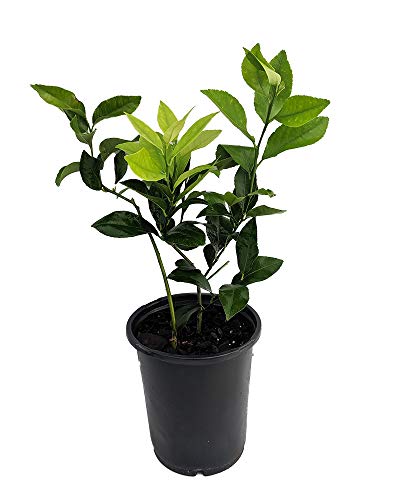
Hirt’s Gardens Meyer Lemon Tree Fruiting Size 5″ Pot

Brighter Blooms Meyer Lemon Tree 1-2 ft.

Farmer’s Secret Citrus Tree Booster Fertilizer 8oz

Garden State Bulb Meyer Lemon Tree 1 Gallon Pot

The Magnolia Company Meyer Lemon Gift Tree Dwarf

Oairse Artificial Lemon Tree 15.7″ with White Pot

QEVJEKR 200+ Mix Dwarf Bonsai Fruit Tree Seeds

Gerald Winters and Son Meyer Lemon Tree Starter 3-5″
A Deeper Look At The Lineup
For a first indoor citrus purchase, this Meyer lemon from Hirt’s Gardens lands in a friendly middle ground. The plant ships in a 5-inch pot at fruiting size, which means you may spot blossoms or tiny developing lemons almost right away rather than waiting years for a payoff.
Position it in the sunniest window you own, water when the top inch of soil dries, and it should settle in within a few weeks. Compared to the Brighter Blooms option below, this one arrives smaller and less established, so you’ll trade some initial height for a lower entry cost.
Everyday Wins
- Ships already at fruiting size, shortening the wait for your first harvest
- Compact 5-inch pot fits neatly on kitchen counters or narrow window ledges
- Tolerates indoor conditions when temperatures stay above roughly 40 degrees F
- Backed by Hirt’s Gardens’ certificate of authenticity for variety verification
Things To Consider
- Cannot ship to several warm-weather states due to USDA restrictions
- Smaller starter size means less foliage impact on day one
Right Fit For
First-time indoor citrus growers who want a real fruiting tree without a big initial investment.
Look Elsewhere When
Pick the Brighter Blooms Meyer Lemon Tree if you want a taller, more established plant that fills a patio corner from the start.
Brighter Blooms ships its Meyer lemon at a noticeably larger 1- to 2-foot size, which makes a stronger visual statement the moment the box arrives. Meyer lemons are a hybrid with thinner skins and a sweeter, less acidic juice than grocery-store varieties, so they’re a genuinely useful kitchen fruit.
This pick suits you if you want something that already reads as a small tree, not a starter seedling. Place it near a south-facing window and rotate the pot weekly so all sides get even light. The shipping restriction list is longer than Hirt’s Gardens’, so verify your state before ordering.
Strong Points
- Arrives 1-2 feet tall, filling a corner or patio space immediately
- Meyer variety produces sweeter, less acidic fruit than standard lemons
- Moves easily between indoor and outdoor settings with proper acclimation
Trade Offs
- Excluded from a wide list of states, including CA, FL, TX, and AZ
- Larger size means a heavier, costlier shipment to manage
- May need staking or support right after unboxing
Quick Facts
Built With In Mind
Apartment dwellers with bright windows who want a tree that looks mature on arrival.
Swap It Out When
Choose the Garden State Bulb Meyer Lemon Tree if you want a 1-gallon pot size and partial-shade flexibility for shadier rooms.
This isn’t a tree at all, but no indoor citrus collection really runs on autopilot without a feeding routine. Farmer’s Secret Citrus Tree Booster is a super-concentrated liquid fertilizer (a liquid you dilute in water before applying) formulated for citrus, including lemons, limes, and oranges.
The dilution ratio is small, around one teaspoon per gallon of water, which means an 8-ounce bottle lasts a long time for a single houseplant. For indoor container trees, applying weekly along the drip line (the soil area directly under the outer edge of the branches) keeps nutrients where active roots can absorb them. Pair it with any of the live trees on this list.
Reasons It Performs
- Highly concentrated formula keeps the bottle small and long-lasting
- Works across citrus types, so one product handles a mixed collection
- Suitable for both container and outdoor trees
Honest Caveats
- Requires consistent weekly feeding to see meaningful results
- Not a tree on its own, so it adds a second purchase to your setup
- Overdilution or underdilution mistakes can stress sensitive young trees
Who Should Grab It
Anyone pairing a live Meyer lemon with a low-effort feeding plan that doesn’t take up shelf space.
A Better Fit Elsewhere
Skip it if you prefer a hands-off approach and pick the Oairse Artificial Lemon Tree, which needs no fertilizer at all.
Garden State Bulb’s offering stands out for the container size alone. A 1-gallon growers pot (a nursery trade-size container, roughly 6-7 inches across) gives the root system more room to spread than a standard 4- or 5-inch starter, which generally translates to stronger above-ground growth in the first season.
The light requirement is honest: partial sun to partial shade, with a bright window recommended indoors. That makes this tree a practical pick for apartment windows that don’t get all-day direct light. It’s also self-pollinating, so a single plant produces fruit without a second tree nearby.
Where It Helps
- Larger 1-gallon pot encourages faster early root development
- Tolerates partial sun, fitting less-than-ideal indoor light setups
- Self-pollinating, so no companion tree needed
- Hardy in zones 8-11 for outdoor transition in warmer months
- Known for being disease resistant and easy to grow
Things To Consider
- Cannot ship to FL, AZ, CA, TX, or LA
- Larger pot demands more space on a windowsill or plant stand
Made For
Indoor gardeners with bright but not all-day-sunny windows who want a self-sufficient single tree.
Skip It When
Pick the QEVJEKR seed mix if you prefer starting multiple varieties from scratch rather than buying a single established tree.
The Magnolia Company packages its Meyer lemon as a gift-ready dwarf tree, positioning it as a housewarming or host present. The plant itself is a live citrus, not artificial, and the framing just leans into the celebratory use case.
Because it’s dwarf, it stays compact and manageable indoors, and the marketing leans on early fruit production, often within the first year in good conditions. If you want to give something living and useful rather than a bouquet, this sits in a sweet spot.
Positive Takeaways
- Arrives gift-styled, saving you the hunt for wrapping or a planter
- Dwarf habit keeps the tree small enough for desks and shelves
- Live Meyer lemon offers fragrant blooms alongside edible fruit
- Suitable for both indoor and outdoor placement
Worth Bearing In Mind
- Cannot ship to CA, TX, AZ, AL, or LA
- Recipients need basic citrus care knowledge to keep it alive long-term
- Premium presentation usually costs more than a comparable bare-root tree
Feature Snapshot
Whose Shelf It Belongs On
Anyone shopping for a living, lasting gift for a new homeowner or plant-loving friend.
Not Your Match When
Choose the Gerald Winters and Son Meyer Lemon Tree Starter if you want the most budget-friendly entry into growing citrus yourself.
This pick breaks the live-tree pattern on purpose. The Oairse faux lemon tree is a decorative piece: 15.7 inches tall, set in a white pot, with seven faux fruits nestled among green leaves. You get the look of citrus without any of the watering, light, or shipping restrictions.
It works in offices, dim hallways, or anywhere you’d love greenery but can’t keep one alive. Compared to the Farmer’s Secret fertilizer option above, this requires zero maintenance, but it also delivers zero fragrance and zero fruit, so adjust expectations accordingly.
Practical Advantages
- No watering, sunlight, or pruning required to look good
- White pot coordinates with most modern interiors
- Lightweight and easy to move when you rearrange a room
- Safe choice for spaces where pets might chew live plants
Small Caveats
- Does not produce real fruit, fragrance, or growth over time
- Visible leaf veins and faux fruits may look unconvincing up close
Perfect Match For
Renters, office workers, or anyone with low light who wants the lemon aesthetic without plant care.
Reach For A Different Pick When
Choose the Garden State Bulb Meyer Lemon Tree if you want a real tree with the actual chance of homegrown fruit.
For the patient gardener, QEVJEKR bundles over 200 seeds across four fruit types: lemon, cherry, orange, and apple. Each variety comes in its own individual pack, so you can sow them in stages or share with friends.
Starting from seed means a much longer timeline before you see fruit, often several years, but the upside is variety and volume for very little money. If you find starting trees from seed genuinely satisfying, this pack turns one windowsill into a small nursery project.
The Helpful Details
- Includes four fruit types for a diverse starter collection
- Individual packaging keeps each variety fresh and organized
- Far more affordable per plant than buying established trees
- Heirloom and organic-style seed selection appeals to traditional gardeners
Practical Considerations
- Citrus from seed takes years to reach fruiting size
- Germination rates vary and depend heavily on your technique
- Requires seed-starting supplies like trays, domes, and grow lights
Best Suited To
Hobbyists who enjoy the entire seed-to-tree process and have the space to start many seedlings at once.
Consider Something Else When
Pick the Hirt’s Gardens Meyer Lemon Tree if you’d rather skip the multi-year wait and start with a fruiting-size plant.
Gerald Winters and Son offers the smallest, most affordable entry point on this list: a 3- to 5-inch Meyer lemon starter. The compact size makes it approachable for total beginners who want to learn citrus care without committing to a large plant up front.
Expect a longer runway to harvest, since young starters need time to mature, but this is genuinely the cheapest way to start with a real Meyer lemon rather than a seed packet. Treat it gently in the first few weeks while it adjusts to your home environment.
Advantages To Know
- Smallest plant size keeps the cost of entry low
- Real Meyer variety, not a generic citrus substitute
- Easy to repot upward as the root system develops
Trade-Offs To Consider
- Longest wait time to fruit among the live options here
- Small starter is more vulnerable to overwatering and shock
- Limited visual impact compared to 1-gallon or 1-2 ft trees
Who Will Love This
First-timers who want to learn citrus care on a small, low-risk plant before scaling up.
Where Another Pick Suits Better
Choose the QEVJEKR seed mix if you’d rather invest your time in seed-starting across multiple fruit varieties at once.
Choosing Indoor Citrus That Actually Thrives
Indoor lemon trees reward a match between your space, your routine, and the plant’s needs. The biggest decision is whether you want a live fruiting tree, a decorative faux, or a hands-on seed project.
Light And Placement Reality
Most indoor citrus needs at least six hours of bright light daily, ideally from a south-facing window. Garden State Bulb’s partial-shade tolerance gives you flexibility if your windows aren’t ideal, but most other picks want direct sun.
Size Versus Container
Smaller 3- to 5-inch starters like the Gerald Winters and Son option are cheap and forgiving but take years to fruit. A 1-gallon or 1-2 ft tree like Brighter Blooms or Garden State Bulb fills a corner sooner and reaches fruiting age faster.
Shipping Restrictions Matter
USDA rules block citrus shipments into warm-weather states where citrus pests already exist. Double-check the exclusion map for any live tree before checkout, especially if you live in CA, FL, TX, AZ, or LA.
Live, Artificial, Or Seed
If your space has dim corners, kids, or curious pets, an artificial tree like the Oairse delivers the look with no risk. For patient gardeners, the QEVJEKR seed pack multiplies your options for the lowest cost per plant.
Smart Considerations Before You Buy
Where Shoppers Go Wrong
A common slip is underestimating light. A lemon tree parked in a dim corner will drop leaves and refuse to bloom, no matter how carefully you water. Rotate the pot weekly so all sides get even sun, or supplement with a grow light during darker months.
When Paying More Pays Off
The jump from a 5-inch starter to a 1-gallon or 1-2 ft tree typically means one to two fewer years waiting for fruit. If you live in a warmer USDA hardiness zone (a regional plant hardiness map rating, with higher numbers meaning milder winters), spending more for an established tree can be the difference between tasting homegrown lemons this year versus three years from now.
Frequently Asked Questions
How long does it take an indoor lemon tree to produce fruit?
Most live starter trees take one to three years to produce their first lemons, with established 1-gallon or larger trees fruiting sooner. Seed-grown trees take considerably longer.
Can I grow a lemon tree in low light?
True citrus needs bright light to thrive. If your space is dim, the Oairse Artificial Lemon Tree offers the look of citrus without any light requirements at all.
Why can’t citrus ship to certain states?
USDA regulations restrict live citrus shipping into states already dealing with citrus pests and diseases, including CA, FL, TX, AZ, LA, and HI, to protect existing groves.
Do indoor lemon trees need fertilizer?
Yes, especially in containers where nutrients leach out quickly. A weekly diluted feed like Farmer’s Secret Citrus Tree Booster supports healthy growth and fruit production.
How big will an indoor Meyer lemon tree get?
Dwarf Meyer lemons typically reach 4-6 feet indoors with pruning, staying compact enough for most living spaces while still producing full-sized fruit.
The Takeaway
A living Meyer lemon rewards bright light and steady watering with fragrant blooms and real fruit, while a faux tree delivers the look in rooms where real plants won’t survive. Match the plant to your light, your patience level, and your state’s shipping rules, and you’ll enjoy citrus energy year-round no matter which pick lands on your doorstep.
