

A short row of leafy greens transforms a salad into something you grew yourself. Picking the right lettuce seed packets makes the difference between a patchy harvest and a steady supply of crisp leaves from spring into fall. This roundup covers eight solid options for backyard beds, raised planters, and patio containers, with notes on what each one actually delivers.
The Leading Options At A Glance
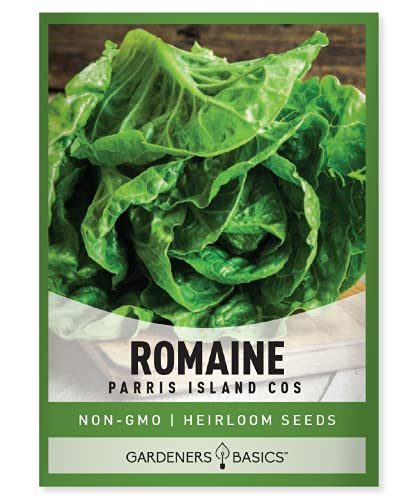
Gardeners Basics Romaine Lettuce Seeds, Parris Island Cos, 1-Pack
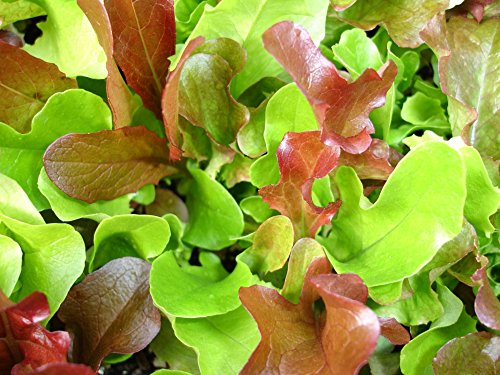
1,000+ Mesclun Lettuce Seeds, Salad Mix, 1,000+ Seeds

Sow Right Seeds Lettuce Seed Collection for Planting
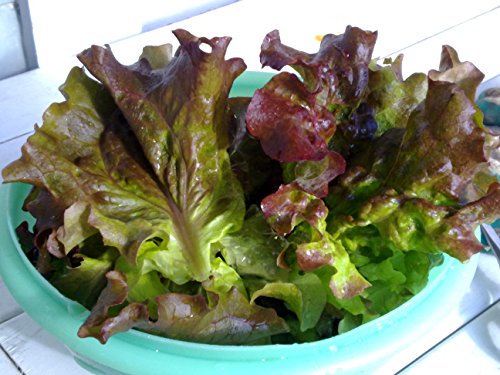
Red Romaine Lettuce Seeds, Heirloom, 2,000+ Seeds
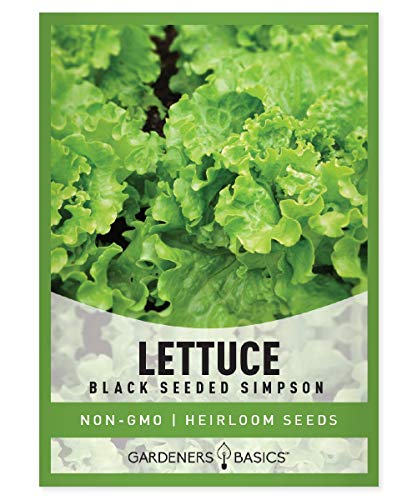
Gardeners Basics Black Seeded Simpson Lettuce Seeds, 2 Grams

Isla’s Garden Seeds Parris Island Cos Romaine, 1000+ Seeds

Seedboy Organic Buttercrunch Lettuce Seeds

Old Farmer’s Almanac Heirloom Parris Island Cos Romaine Seeds
More On The Choices That Made The List
Parris Island Cos has earned its spot as a backyard staple for a reason. The upright heads form tall, ribbed leaves with a mild bite that holds up in the fridge longer than softer types, which matters if you harvest a full head at once rather than leaf by leaf.
Each packet carries roughly 2 grams of heirloom, non-GM seed, and the 1-pack gives you one envelope while a 2-pack doubles the count. Compared with the Mesclun mix from Ohio Heirloom Seeds later in this list, this is a single-variety commitment rather than a blend, so you trade salad-bowl variety for that classic romaine crunch.
A Few Highlights
- Tall, ribbed leaves that hold texture in wraps and sandwiches
- Heirloom, non-GM seed from a brand focused on home gardens
- 2-gram packet gives roughly 2,200 seeds for multiple sowings
- Cool-season friendly, so spring and fall plantings both work
- Full-color packet with straightforward planting notes
Things To Consider
- Romaine needs more spacing than a leaf-style crop, so plan bed real estate ahead
- Heat can trigger bolting, meaning the plant shoots up and turns bitter
Who It Suits Best
Home gardeners who want a single, reliable romaine for fresh salads, wraps, and Caesar nights without juggling multiple packets.
Look Elsewhere When
Pick the Ohio Heirloom Mesclun mix instead if you crave color and texture variety in every bowl rather than one dependable romaine.
Mesclun, the traditional French salad mix, pulls together arugula, chicory, endive, red cabbage, and several lettuce types in one packet. Sown as a wide row and snipped young, you skip the head-forming stage entirely and harvest with scissors in roughly a month.
Ohio Heirloom Seeds labels this as a 2024-grown lot for the 2025 season, with 90% germination reported. Cool weather in the 55 to 60 degree range suits it best, so early spring or late summer plantings tend to outperform mid-summer sowings. For first-timers, the cut-and-come-again approach removes a lot of the guesswork that comes with spacing romaine heads.
Strengths Worth Knowing
- Multiple varieties in one packet deliver texture and peppery notes
- Cut-and-come-again harvest extends production over several weeks
- Reported 90% germination reduces reseeding frustration
- Cold-tolerant, so early and late sowings both thrive
Worth Noting
- Best harvested young, since older leaves turn bitter in heat
- No packet image available on the listing, so seed appearance is a surprise
Quick Facts
Made For
New gardeners who want a forgiving, fast-growing salad mix without learning spacing rules for individual heads.
Consider Something Else When
Choose the Sow Right Seeds collection if you prefer distinct named varieties you can grow as separate rows rather than a blended mix.
Sow Right Seeds bundles four named varieties into one collection: Buttercrunch, Giant Caesar, Green Salad Bowl, and Lolla Rosa. That range gives a cook both soft butterheads and a frilly red leaf, which means visual contrast on the plate along with different textures in one bowl.
Each packet carries a minimum of 600 milligrams of seed, enough for a meaningful home sowing. The collection suits outdoor beds in spring and fall, and tolerates light shade during hot stretches. Compared with the single-variety Parris Island Cos from Isla’s Garden Seeds, this pack trades focused uniformity for diversity.
What Stands Out
- Four distinct types cover butterhead, romaine, and loose-leaf
- Red and green varieties add color contrast to salads
- Heat-tolerant enough for summer planting with light shade
- Suitable for indoor starts or direct outdoor sowing
Trade Offs
- Larger seed quantity per variety may go unused for small patios
- Different harvest timings mean staggered cutting schedules
- Color and texture variety demands more planning than a single type
Right Fit For
Family gardeners who want a rainbow salad bowl and don’t mind tracking four different harvest windows.
A Better Fit Elsewhere
Pick the Black Seeded Simpson from Gardeners Basics if you prefer simple, fast loose-leaf harvests over managing multiple varieties.
Red romaine earns its place in the cool-weather garden. The leaves develop their deepest color and best flavor when temperatures stay mild, and the tall, vase-shaped heads grow to 9 to 12 inches high and 8 to 10 inches across at full size.
Ohio Heirloom Seeds packs 2,000 or more seeds, which gives a generous succession-sowing runway. Baby heads are ready around 45 days, while fully developed heads take closer to 68. Compared with the green Parris Island Cos from Gardeners Basics, the color is the main draw, though you give up a touch of the traditional romaine sweetness for that visual pop.
Everyday Advantages
- Deep red color adds plate appeal to mixed salads
- Cool-weather flavor profile suits spring and fall menus
- 2,000+ seeds support multi-bed succession planting
- Compact 9 to 12 inch height fits tighter raised beds
Points To Note
- Color fades in heat, so summer plantings disappoint
- Heads form slowly compared with leaf lettuces, testing patience
Feature Snapshot
Best Suited To
Growers in mild climates who want color variety and don’t mind sowing outside the hottest summer weeks.
Skip It When
Choose the Mesclun mix from Ohio Heirloom Seeds instead if you harvest mostly as baby leaves and want texture variety right away.
Black Seeded Simpson is a workhorse loose-leaf lettuce that gardeners return to year after year. The leaves are light green, tender, and mild, so they slip easily into sandwiches and wraps without the bitter edge some romaine types develop.
The 2-gram packet from Gardeners Basics holds roughly 2,000 seeds, enough to stagger plantings across the season. Unlike the head-forming Red Romaine, this variety lets you snip outer leaves and let the plant keep producing. That’s why succession-sowing every two weeks is the move.
Bright Spots
- Cut-and-come-again harvesting extends productivity
- Mild flavor plays well in mixed salads and wraps
- Heirloom, non-GM seed from a backyard-focused brand
- 2-gram packet supports weeks of succession sowing
Minor Gripes
- Bolts quickly in heat compared with romaine
- No packet image on the listing, so design is unknown
Who Will Love This
Everyday gardeners who want a steady, low-fuss lettuce they can pick from over many weeks rather than waiting for one cut.
Reach For A Different Pick When
Pick the Seedboy Organic Buttercrunch instead if you want a butterhead texture and certified organic seed for the same loose-leaf experience.
Isla’s Garden Seeds offers another take on Parris Island Cos, the same classic romaine that anchors Caesar salads everywhere. The plants form tall, upright heads with crisp green leaves and sturdy ribs that hold dressing without going limp.
Productive plants that grow quickly and form compact heads make this a smart fit for raised beds and container gardens where space runs tight. Full sun suits it best. Compared with the Old Farmer’s Almanac Parris Island Cos coming later in this list, the main difference is the seed count and the sourcing story behind each brand.
What It Does Well
- Compact upright heads fit raised beds and containers
- Quick growth from sowing to harvest
- Crisp, ribbed leaves suited to salads and sandwiches
- Heirloom, non-GM seed line from a small-batch supplier
Honest Caveats
- Single variety means no color or texture contrast on its own
- Hot weather shortens the productive window
At A Glance
Perfect Match For
Patio and raised-bed growers who want classic romaine without committing a full backyard row.
Where A Sibling Pick Shines
Pick the Sow Right Seeds collection instead if you prefer growing several lettuce styles at once rather than a dedicated romaine bed.
Buttercrunch is the soft, buttery variety that bridges romaine crispness and leaf lettuce tenderness. Seedboy sells it as USDA Certified Organic by OTCO, meaning the seed line meets a third-party organic standard, and the company is US-based.
Buttercrunch forms loose heads rather than tight romaine towers, so harvest can happen leaf by leaf or all at once. That flexibility matters for small gardens where picking a whole head might leave a gap in the bed. Compared with the loose-leaf Black Seeded Simpson from Gardeners Basics, the texture is richer but the plant needs slightly more space.
Standout Benefits
- USDA Certified Organic by OTCO for verified organic gardening
- Butterhead texture suits wraps and delicate salads
- US-based seed source for shorter supply chains
- Non-GMO breeding line
Softer Spots
- Single variety means a one-note harvest unless paired with others
- Organic certification adds cost relative to conventional packets
- No packet image available on the listing
Built With In Mind
Organic-focused gardeners who want a single soft-textured variety from a certified seed source.
Swap It Out When
Pick the Black Seeded Simpson from Gardeners Basics if you prefer a more affordable loose-leaf option and don’t need organic certification.
The Old Farmer’s Almanac brings its name recognition to a familiar Parris Island Cos line. Open-pollinated heirloom seed means you can save seeds from your harvest and replant the following year, which appeals to growers thinking long-term.
Each 2.5-gram packet holds roughly 2,000 seeds, packaged for the current season and sourced from US growers. The leaves are mildly sweet with crunchy ribs, and the dark green color signals the plant’s nutritional density. Versus the Gardeners Basics Parris Island Cos earlier in this list, the seed count and brand heritage are the main differences.
Everyday Wins
- Open-pollinated heirloom, so seed-saving is an option
- ~2,000 seeds per 2.5-gram packet supports generous sowing
- Dark green leaves with classic romaine sweetness
- US-origin seed with current-season packaging
Where It May Fall Short
- Single romaine variety means no built-in harvest diversity
- Open-pollinated seed can cross with nearby lettuce, affecting purity
- No listing image available to preview the packet
Feature Card
The Right Fit
Long-haul gardeners who save seeds year to year and trust a familiar brand name on the packet.
Another Choice May Suit
Pick the Red Romaine from Ohio Heirloom Seeds if you want the same heirloom approach with a color twist for cool-weather sowing.
Choosing Lettuce Seeds That Actually Fit Your Garden
Picking lettuce seeds comes down to matching the variety to your season, your bed size, and how you actually eat. Loose-leaf types like Black Seeded Simpson forgive tight spacing and reward repeat cutting. Head lettuces such as Parris Island Cos need room to size up but deliver that signature crunch for Caesar nights and sandwich stacks.
Cool-season crops are the rule across this category. Sow in early spring or late summer for the sweetest leaves and least bolting. Most packets list days-to-harvest in the 28 to 70 day range, so you can plan a steady rotation by staggering plantings every two weeks.
Variety matters more than seed count for most home gardeners. A smaller packet of a single, well-loved type beats a bargain bundle of varieties you don’t actually eat. Check your local climate first: heat-loving gardeners in zone 8 and warmer may want to focus on heat-tolerant options, while cool-summer growers get the best of nearly everything on this list.
Key Considerations Across These Picks
Pitfalls Shoppers Hit
Buying the largest packet on price alone often backfires. Many home gardeners sow a fraction of the seed and end up with stale stock a year later, and germination rates drop noticeably with old seed. Buying smaller packets you will actually use in one or two seasons keeps your stand thicker.
Another common slip is choosing a head lettuce for a small container garden. Without enough root depth and spacing, romaine and butterhead types struggle to size up. Loose-leaf and mesclun blends adapt far better to tight quarters.
Where The Extra Money Goes
Organic certification, like the Seedboy Buttercrunch carries, costs more because of third-party audits and stricter seed production rules. Heirloom and open-pollinated lines, such as the Old Farmer’s Almanac Parris Island Cos, also command a small premium for the seed-saving flexibility they offer.
Larger seed counts simply spread the cost over more potential plants, so the per-head price drops. For a family plot running multiple beds, that math works out. For a balcony planter, a smaller packet of the right variety beats a bulk bag every time.
Frequently Asked Questions
How long do lettuce seeds stay viable?
Stored cool and dry in a sealed container, most lettuce seeds hold reasonable germination for two to four years, though fresh seed typically sprouts faster and more uniformly.
Can you grow lettuce in containers?
Yes, loose-leaf and mesclun types adapt well to pots at least six inches deep, while romaine and butterhead need larger containers with more root room to form full heads.
When is the best time to sow lettuce?
Early spring and late summer are ideal, since lettuce prefers soil temperatures between 55 and 70 degrees and bolts quickly once summer heat sets in.
How often should you water lettuce?
Consistent moisture matters, so aim for roughly an inch of water per week, with light, frequent watering during germination to keep the top layer from drying out.
Is heirloom seed worth the small premium?
For gardeners who save seed from year to year, heirloom and open-pollinated varieties like Parris Island Cos pay back the extra cost through free seed stock in future seasons.
Wrap Up
Lettuce rewards regular sowing more than any single heroic planting. Pick a variety that fits your bed and your kitchen, then stagger plantings every two weeks for a steady harvest. The eight options above cover nearly every home-garden scenario, from balcony containers to full backyard rows.
