

Planting lily bulbs rewards you with one of the showiest flower families you can grow, and the variety on offer is wider than most beginners expect. From towering tree lilies that reach eight feet to compact calla varieties suited to a windowsill, the right starter pack depends on your climate, space, and patience for fragrance. This roundup walks through eight solid options, breaking down what each delivers, where trade-offs show up, and which gardener profile each one actually fits.
The Main Contenders
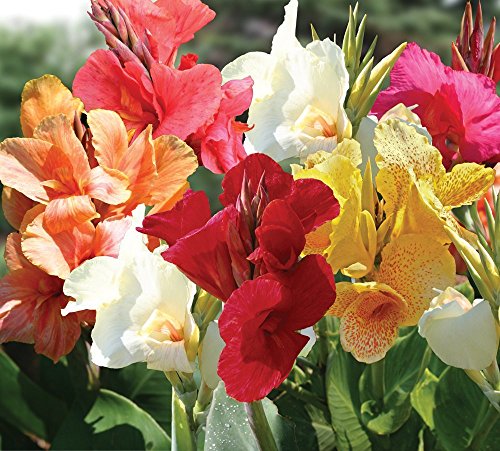
Willard & May Mixed Tall Canna Lily Value Bag

Willard & May Complete Flower Bulb Garden
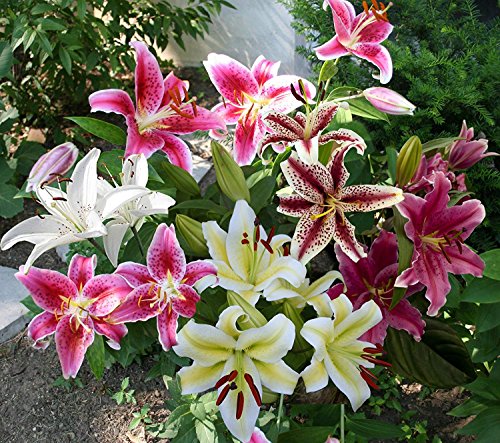
Willard & May USA Mixed Oriental Lily Bulbs

Touch Of ECO Giant Pretty Lady Tree Lily Bulbs

Seeds Of Strength Calla Lily Seeds 100 Pcs

Willard & May USA Stargazer Oriental Lily

Willard & May Asiatic Lily Mix
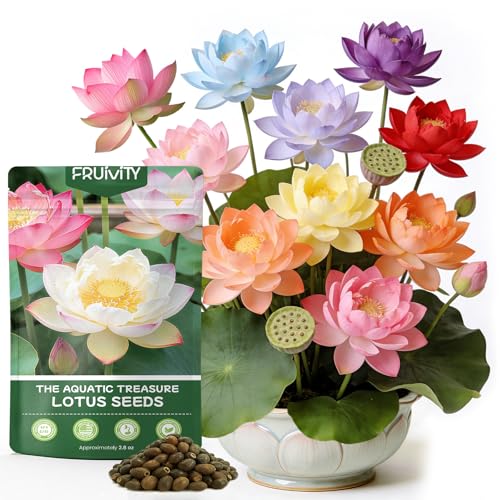
Fruivity Mixed Color Bowl Lotus Seeds
Canna lilies don’t behave like a typical lily at all, despite the name: technically they’re rhizomes, not true lily bulbs, and they bring bold, banana-leaf tropical foliage along with bright flowers. This Willard & May value bag ships six bulbs in mixed colors (red, yellow, pink, orange), and it’s built for gardeners who want a big visual payoff without a fussy planting schedule. Mature plants hit 48 to 60 inches tall, so they anchor the back of a border or fill a large patio container with real presence.
Most home growers in zones 3 through 9 treat cannas as annuals or dig the rhizomes after first frost for storage. For most patios, that’s a workable routine, though it adds a fall chore colder-climate gardeners should plan for.
Everyday Perks
- Mixed color pack removes the guesswork of choosing compatible shades
- Container-friendly growth habit suits small patios and balconies
- Tall, tropical foliage adds structure even before flowers appear
- Hardy in zones 8 through 10 as a perennial, returning each year
- Six-bulb count gives enough mass for a full display in one bed
Points To Keep In Mind
- Bloom peaks in mid-summer, so early-season gardens stay quiet for a stretch
- Cold-zone growers must lift and store rhizomes before frost
- Bulb size of 2/3 eye means smaller starter divisions, which can take a season to bulk up
Who It Suits Best
Patio gardeners in warmer zones who want bold, tropical-looking color with minimal variety-decision stress.
Consider Something Else When
You’d rather skip the lifting routine: the Willard & May Asiatic Lily Mix is hardier and stays in the ground year-round in cold zones.
This 75-bulb collection is the closest thing to a “plant and watch” approach in the lily family. It bundles 18 Tutti-Frutti Gladiolus, 40 Harlequin Flowers, 10 Stargazer Lilies, 5 Mixed Asiatic Lilies, and 5 Mixed Calla Lilies, which together cover a stretch from early summer through fall frost. The promise of 50 days of continuous color is real, assuming you plant in full sun or partial shade and stagger based on the included varieties.
Unlike the canna bag above, this set mixes true lilies with other bulb types, so it teaches beginners the rhythm of a layered planting. Depending on your soil, you may find the gladiolus corms benefit from a bit more feeding than the lilies alongside them.
A Strong Showing
- Five bulb types in one package give a varied, multi-week display
- Stargazer lilies add fragrance to beds where Asiatic lilies alone fall short
- Large bulb count suits filling a new bed without piecing together separate orders
- Tolerates full sun or partial shade, widening site options
Trade Offs
- 78 bulbs total is fewer than the listed 75 in some packs, worth checking on arrival
- Mixed contents mean you can’t fine-tune color schemes by variety
- Gladiolus may need staking in windy spots
Made For
New gardeners who want a near-guaranteed colorful first season without researching five separate species.
Look Elsewhere When
You want a tall, single-impact planting: the Touch Of ECO Giant Pretty Lady Tree Lily Bulbs deliver dramatic vertical scale from just three bulbs.
Oriental lilies earn their reputation from big, ruffled petals and a perfume that drifts across a yard in midsummer. This pack of eight ships 14/16cm bulbs (a measurement of bulb circumference, where bigger numbers mean more stored energy and stronger first-year blooms) sized for vigorous spring planting in zones 3 through 9. Mature height lands at 24 to 36 inches, which fits comfortably in the middle of a border.
Compared to the 75-bulb variety pack above, you’re trading bulk for fragrance intensity. In our view, that’s a sensible swap if scent matters more than sheer mass of color.
Where It Excels
- True oriental lilies deliver the strongest perfume in the category
- 14/16cm bulb size supports strong first-season flowering
- Compact 24 to 36 inch height works in mid-border or large containers
- Spring planting with summer bloom suits most climates in zones 3 through 9
Honest Caveats
- Eight bulbs is a smaller starter set than other picks here
- Orientals can carry pollen stains on clothing and patio furniture, worth noting near seating areas
Best Suited To
Gardeners building a cutting or sensory bed where fragrance is the main reason to plant.
Swap It Out When
You want bigger quantity in the same fragrant style: the Willard & May USA Stargazer Oriental Lily offers 12 bulbs of a single proven variety.
Tree lilies are a hybrid class bred for height, and this three-bulb pack from Touch Of ECO pushes past eight feet at maturity with eight-inch blooms. The flowers are pure white, the plants perennial (meaning they return year after year), and each one is said to carry over 30 blooms once established. For gardeners trying to draw the eye upward or screen a fence, scale like this earns its space.
These need staking in exposed sites, especially through summer storms. You may find that taller plants in this category benefit from a sheltered planting position.
Good Reasons To Consider
- Eight-foot height creates a living screen or backdrop in a single season
- Perennial habit means the show returns without replanting
- Pure white blooms pair with any color scheme
- Attracts pollinators like bees, butterflies, and hummingbirds
Soft Spots
- Three bulbs per pack means small starter numbers for the price
- Staking is a near-certainty in windy beds
Who Should Grab It
Garden owners wanting vertical drama and pollinator-friendly flowers without planting a hedge.
A Better Fit Elsewhere
You’re working with a short border or raised bed: the Willard & May Asiatic Lily Mix stays at a manageable height and naturalizes easily.
Seeds behave differently from bulbs, and calla lilies started from seed take longer to flower than their bulb-grown cousins. This Seeds Of Strength pack offers 100 mixed-color seeds aimed at gardeners willing to start indoors in early spring, soak seeds for 12 to 24 hours, and wait through a slow build. The trade-off is volume: you can fill wide trays for very little money and select the strongest seedlings for transplanting.
Compared to the Willard & May Complete Flower Bulb Garden above, this is a patience play, not a first-year color play. For most home growers, a heat mat and steady moisture make the difference between a 30% germination rate and something closer to 70%.
Points In Its Favor
- 100-seed count delivers serious volume for the budget
- Mixed colors suit cottage-style or wild-looking beds
- Seeds store well when kept cool and dry, allowing split plantings across seasons
Worth Noting
- Calla from seed typically needs two seasons to bloom
- Germination rates vary widely depending on warmth and pre-soak discipline
- Less predictable than bulbs for a specific bloom color
Right Fit For
Patient seed starters and hobbyists who enjoy the indoor sowing process as much as the outdoor result.
Not Your Match When
You want guaranteed blooms the first summer: the Willard & May USA Stargazer Oriental Lily bulbs deliver far more predictable timing.
The Stargazer is the lily most people picture when they imagine an oriental lily: deep fuchsia centers fading to pink, edged in white with a sprinkle of freckles, and a fragrance that carries across a patio. This Willard & May USA pack ships 12 jumbo bulbs, which are well-sized for a strong first-year display. They bloom mid-summer and double as a dependable cut flower for indoor arrangements.
Unlike the mixed oriental pack above, this is a single variety, so you get consistent color and form. The honest read is that this consistency is the real appeal: you know exactly what you’re planting.
What Stands Out
- Single-variety pack means uniform color and bloom time across the bed
- Jumbo bulb size supports big, showy first-season flowers
- Fragrance is strong enough to anchor a sitting area
- Doubles as a long-lasting cut flower for vases
Where It Is Less Suited
- Single-color planting can read as monotone in large beds
- Stargazers are heavy pollen producers, which matters near white tablecloths or light fabrics
Who Will Love This
Gardeners who want a tried-and-true fragrant lily without surprises in color or timing.
Reach For A Different Pick When
You’d rather mix colors in the same planting: the Willard & May USA Mixed Oriental Lily Bulbs give that variety in the same family.
Asiatic lilies are the workhorses of the family: less fragrance than orientals, but more cold tolerance and a naturalizing habit (meaning they spread and multiply on their own year after year). This Willard & May mix ships 10 bulbs in mixed colors, planted in spring for a summer show. They’re a sensible pick for new England beds and other climates where orientals sometimes struggle.
Compared to the Stargazer pack above, you’re giving up strong fragrance in exchange for toughness and easy return. Depending on your soil, you may find these settle in faster than any other type on this list.
Practical Pluses
- Naturalizing habit means bigger clumps each year without replanting
- Strong cold tolerance suits northern climates
- Mixed colors provide variety in a compact 10-bulb count
- Spring-planted, summer-blooming timing fits most planting schedules
Small Caveats
- No fragrance, which matters if scent drives your planting choices
- Mixed colors mean you can’t plan a strict color scheme
Whose Shelf It Belongs On
Gardeners in cold-winter regions who want perennial color without the staking or lifting routine.
Where Another Pick Suits Better
You want fragrance alongside your hardiness: the Willard & May USA Stargazer Oriental Lily brings strong scent to a similar planting style.
Lotus aren’t true lilies, but they share the “water lily” nickname and earn their spot on a list of showy summer bulbs. This Fruivity pack ships 60 seeds meant for bowl planters, koi ponds, or larger water features. The seeds are untreated (not pre-filed), which means you nick the hard outer shell yourself before soaking, a step that helps germination and keeps you in control of the process.
Unlike every other pick here, this one demands consistently warm water and full sun to sprout well. In our view, it’s a fun project for pond owners but a poor choice for a dry garden bed.
Where It Delivers
- 60-seed count supports multiple bowl planters or one sizeable pond
- Mixed bloom colors offer surprise in each planting
- Untreated seeds let you control the germination step yourself
- Works in small indoor bowls or larger outdoor ponds
Practical Considerations
- Seeds need nicking and soaking, which adds steps versus ready-to-plant bulbs
- Requires consistently warm water and full sun for reliable sprouting
- Won’t suit gardeners without a pond, bowl, or water feature
The Right Fit
Pond and patio owners who already have a water feature and want a dramatic flowering accent above the surface.
Skip It When
You want traditional garden lilies in soil beds: the Willard & May USA Mixed Oriental Lily Bulbs cover that need in a single pack.
Choosing The Right Lily Bulbs For Your Garden
Picking lily bulbs comes down to three practical questions: what climate are you in, how much space do you have, and what kind of show do you actually enjoy. Hardiness ratings matter most because they decide whether a bulb survives winter in the ground or needs lifting each fall.
Climate and Hardiness Zone
USDA hardiness zones (a geographic classification showing the average minimum winter temperature for your area) tell you which lilies stay planted year-round. Asiatic types handle zones 3 through 9 without lifting, while cannas stay in ground only in zones 8 through 10. Oriental varieties split the difference, hardy in zones 3 through 9 but sometimes finicky in deep-frost pockets.
Bloom Time and Color Stretch
Bulbs are classified by their bloom season, which lets you plan a continuous display if you choose carefully. Early Asiatic lilies open in June, orientals follow through July and August, and tree lilies stretch the show into late summer. A collection like the 75-bulb Willard & May variety pack uses that timing overlap to advertise 50 days of color.
Fragrance Versus Low Maintenance
Oriental lilies bring the strongest perfume but demand more attention, while Asiatic types bloom without much scent but tolerate cold and naturalize on their own. Match the choice to your tolerance for staking, lifting, and feeding.
Space and Container Limits
Tree lilies need room to reach eight feet, while Asiatic and oriental types fit neatly into mid-border plantings. Compact patios do well with mixed packs designed for containers, and water-feature owners will find bowl lotus a different category entirely.
Key Considerations Across These Picks
Common Shopping Slip Ups
Beginners often chase the biggest bloom photo and ignore hardiness zone compatibility, which leads to a dead batch after the first hard winter. Another trap is assuming all “lily” listings behave the same way: cannas, lotus, and callas each carry their own rules for storage, water, or lifting. Always check the source listing’s zone rating before adding to cart, and treat mixed packs as a learning exercise rather than a color-controlled planting plan.
Where The Extra Money Goes
Premium lily bulb packs typically ship larger bulb sizes, like the 14/16cm orientals or jumbo Stargazers, which carry more stored energy and bloom more reliably in year one. Specialty categories like tree lilies cost more because they’re slower to propagate, and single-variety packs trade volume for predictable form. Higher spend makes sense when you want first-season impact or a feature plant in a visible spot.
Frequently Asked Questions
When should you plant lily bulbs?
Most lily bulbs go in the ground in spring after the last frost, though Asiatic and oriental types can also handle fall planting in milder zones. Canna rhizomes and lotus seeds have different windows, so always check the source listing’s recommended planting time before starting.
How deep do you plant lily bulbs?
A general rule is to plant bulbs roughly three times as deep as the bulb is tall, measured from the soil surface to the bulb’s base. Larger oriental and Stargazer bulbs typically sit four to six inches down, while smaller Asiatic bulbs can go closer to three inches.
Do lily bulbs come back every year?
True lilies are perennial in their recommended hardiness zones, meaning they return and multiply each spring without replanting. Cannas and lotus are different categories that need lifting or water-overwintering, depending on your climate.
Can you grow lilies in containers?
Asiatic, oriental, and Stargazer lilies all adapt well to large containers with good drainage, which makes them practical for patios and balconies. Tree lilies can grow in containers but need significant depth and may need staking as they mature.
How long until lily bulbs bloom after planting?
Bulbs planted in spring typically bloom the same summer, though jumbo bulbs flower more reliably in year one. Seeds, including calla and lotus, usually need a full extra season to reach blooming size.
Wrap Up
The best lily bulbs for your garden depend on what you’re planting into: a sun-filled border, a shaded patio, or a backyard pond. Match the bulb type to your hardiness zone, your patience for maintenance, and the kind of color stretch you want across the season. With the right starter pack, you can have something in bloom from June through September with very little fuss.
