

A patchy lawn with yellow tips and stubborn weeds is a symptom, not a sentence. Most turfgrass quietly suffers in soil that has slipped into the acidic range, and no amount of fertilizer fixes that until pH is corrected. Picking the right lime product is the first real move toward thicker grass, deeper roots, and fertilizer that actually pays off. The eight picks below cover every realistic lawn scenario, from small urban yards to sprawling rural turf.
The Lineup, Simplified

Natural Alternative Pelletized Lime 25 lb Bag

Hi-Yield 33371 Horticultural Hydrated Lime 5 lbs

Jonathan Green Mag-I-Cal Plus for Acidic Soil
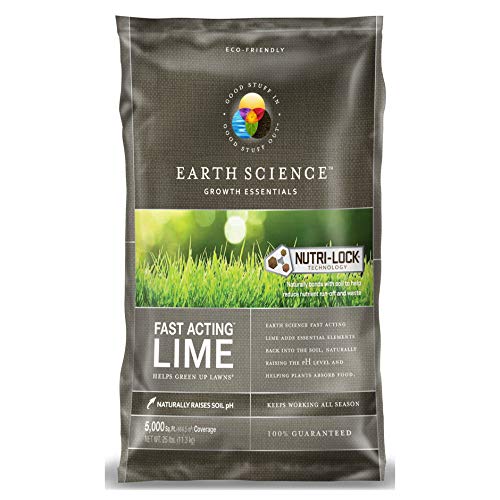
Earth Science 25LB Fast Acting Lime

Greenway Biotech Dolomite Lime Plus 3 Pounds

Earth Science Fast Acting Lime Granules 5 lb

ferti-lome 33371 Hydrated Lime 5-Pound

Down To Earth Organic Prilled Garden Lime 5 lb
The Strengths Of Each Pick
For a typical suburban yard somewhere between 3,000 and 8,000 square feet, pelletized lime is the form most people end up reaching for, and Natural Alternative’s bag is a thoughtful take on it. The pellets themselves are uniform and spread evenly through a standard rotary spreader, which matters when you’re trying to cover a lawn without leaving striped hot spots of concentrated product.
What sets this bag apart from a basic agricultural lime is the inclusion of Protilizer, a blend of beneficial soil bacteria. In practice, that means you’re not just shifting pH on paper, you’re feeding the microbial community that actually moves nutrients into grass roots. For most homeowners dealing with that classic “fertilizer goes on and nothing happens” frustration, the bacterial component is the missing link.
Benefits That Matter
- Raises soil pH in acidic conditions, unlocking trapped nutrients
- Pelletized form spreads cleanly with a standard rotary spreader
- Fortified with beneficial bacteria that improve long-term soil health
- Supports stronger root development and better water uptake
- 25 lb bag covers a typical mid-size lawn without constant refills
Things To Consider
- Works slowly compared to hydrated lime products, so patience is required
- Bacterial activity drops off in very cold soil, limiting fall and winter response
- Storage matters: keep the bag sealed and dry or pellets can clump
Who It Suits Best
Homeowners managing a mid-size residential lawn who want a balanced product that addresses pH and soil biology in a single pass.
Look Elsewhere When
You need fast visible green-up on a heavily compacted lawn, where Jonathan Green Mag-I-Cal Plus tackles the magnesium shortfall more directly.
Hi-Yield’s hydrated lime earns its spot because it refuses to be just a lawn product. While most of the picks on this list focus purely on turfgrass, this 5 lb container of fine powder reaches across the yard: shrubs, flower beds, vegetable plots, and even the lawn all respond to it. For a household running a mixed landscape on one routine, that flexibility is genuinely useful.
Hydrated lime is more reactive than pelletized forms, so it shifts pH faster and tends to loosen dense clay soil along the way. The catch is that reactivity also means you need to apply it carefully, with a spreader rather than by hand, and ideally with a dust mask during application. For most mixed-use yards where you’re correcting both lawn and garden in one season, the speed is worth the care.
Everyday Wins
- Corrects acidity in lawns, shrubs, flowers, vegetables, and house plants
- Loosens heavy clay soil structure alongside raising pH
- Supplies calcium to plants and beneficial microorganisms
- Works faster than pelletized forms for visible soil response
Worth Noting
- Powder form creates dust during application, so a mask helps
- 5 lb size covers smaller yards; large turf areas need multiple bags
- Can irritate skin and eyes if handled without gloves
Made For
Gardeners maintaining both a lawn and dedicated planting beds who want one product that handles pH correction across the whole property.
Consider Something Else When
Your entire project is a large lawn with no garden beds, where the bulk coverage of Earth Science 25LB Fast Acting Lime will save time and repeated spreading.
Most lime products focus on calcium, but Jonathan Green adds magnesium into the mix, and that changes how the lawn responds. Magnesium is the central atom in chlorophyll, the pigment that makes grass green, so a soil that’s low in magnesium often looks washed out even after pH correction alone. Mag-I-Cal Plus addresses both problems in a single granular application.
The formula is also tuned for hard, compacted soils. In yards where foot traffic and clay subsoil have packed the surface tight, the granules work alongside pH correction to break up density and let roots push deeper. Coverage is rated for lawns around 5,000 square feet, which fits most suburban lots without leaving excess product to store.
Practical Advantages
- Raises soil pH efficiently, correcting the underlying acidity problem
- Loosens compacted clay soil for better root penetration
- Supplies magnesium to deepen grass color alongside pH correction
- Granular format drops cleanly into a spreader without clumping
Points To Note
- Higher cost per pound than basic lime options
- Magnesium is unnecessary in soils that already test high, so test first
- Coverage assumes average soil conditions; heavy clay may need a second pass
Quick Facts
Best Suited To
Homeowners with compacted, acidic soil where the lawn looks pale and water tends to pool on the surface instead of soaking in.
Reach For A Different Pick When
Your soil is acidic but soft and loamy, where Down To Earth Organic Prilled Garden Lime handles the pH correction more economically.
Big lawns eat through small bags. Earth Science’s 25 lb offering is built for that reality, offering bulk coverage in a single container without the premium pricing that often comes with larger formats. For properties pushing past 8,000 square feet, this is the kind of product that lets you finish the job in one afternoon rather than spreading across three weekends.
The “fast acting” designation refers to how quickly the granules begin reacting with soil moisture once watered in. Compared to traditional agricultural lime, which can take months to fully shift pH, faster-acting formulas give visible improvement within a few weeks. For homeowners who want to see results before the next mowing cycle, that timeline matters.
Why It Works Well
- 25 lb bulk size covers large lawns without multiple refills
- Faster reaction time than traditional agricultural lime
- Granular form spreads evenly with standard equipment
- Lower cost per square foot than smaller packaged options
Honest Caveats
- 25 lb bag is heavy to handle, especially carrying it across a yard
- Still slower than hydrated lime products for emergency pH correction
- Bag opening can be hard to reseal once opened
Whose Shelf It Belongs On
Homeowners with large lawns of 8,000+ square feet who want one bag that covers the whole property in a single application cycle.
Skip It When
You’re working with a small city lot under 2,000 square feet, where Hi-Yield 33371 Horticultural Hydrated Lime offers the right scale without overbuying.
Dolomitic lime (lime that contains both calcium carbonate and magnesium carbonate) is a different tool than the calcium-heavy lime used elsewhere on this list. Greenway Biotech’s 3 lb bag makes that tool accessible without buying more than you need, especially for gardeners who maintain compost piles or worm bins alongside their lawn.
The dual calcium and magnesium profile supports two distinct jobs. On the lawn, it raises pH and feeds microbes. In compost and worm bins, it buffers acidity as organic matter breaks down, keeping the decomposer community active. For gardeners treating soil as a whole ecosystem rather than just a surface to fertilize, that versatility is the real draw.
Notable Gains
- Provides both calcium and magnesium in a single powder
- Adjusts pH while supporting plant nutrient uptake
- Works well in compost and worm bin applications
- Small 3 lb size avoids overbuying for spot treatments
Small Caveats
- Powder form requires careful handling to avoid dust
- Magnesium content is unnecessary for soils already high in magnesium
- 3 lb size runs out quickly on full-lawn applications
The Right Fit
Gardeners running compost systems or worm bins who want a lime product that supports decomposition as well as lawn pH correction.
Not Your Match When
You only need lawn coverage and want a slow-release pellet form, where Natural Alternative Pelletized Lime spreads easier without the dust.
Not every lawn needs a 25 lb bag. Earth Science’s 5 lb granular option sits in the middle of the lineup, sized for spot treatments, small urban yards, or the gardener who wants to run a lighter maintenance pass each spring. The granular format means you skip the dust of powdered lime without giving up the fast-acting chemistry.
Calcium content is a meaningful part of the formula here. Calcium supports cell wall strength in grass blades and feeds the soil microbial community that keeps nutrients cycling. When the lawn shows minor yellowing or stunted growth despite regular fertilizer, the calcium boost often explains the recovery.
Noteworthy Benefits
- Granular format reduces dust during spreading
- Fast-acting chemistry works quickly once watered in
- Calcium content supports plant cell structure and soil biology
- 5 lb size suits small yards and follow-up applications
Things To Consider
- Smaller coverage means multiple bags for large properties
- Granules can clump if stored in humid conditions
- Works slower than hydrated lime for urgent corrections
Feature Snapshot
Perfect Match For
Homeowners maintaining small lawns under 2,500 square feet or running seasonal touch-ups between larger lime applications.
A Better Fit Elsewhere
You garden organically and want a product listed for certified organic use, where Down To Earth Organic Prilled Garden Lime fits the requirement.
Ferti-lome’s hydrated lime ships under the same model number as Hi-Yield’s offering, which tells you both brands lean on a shared formulation. The difference shows up in packaging and retail positioning. For homeowners looking for a strong calcium boost without paying for additional magnesium or microbial additives, this 5 lb pouch delivers the active ingredient directly.
Clay-heavy lawns are where this product earns its reputation. Hydrated lime is more aggressive than pelletized forms, so it works through dense clay faster and breaks up compaction alongside correcting pH. For lawns that have been neglected for years and show both acidity and density problems, this is a reasonable starting point.
What Earns Its Place
- Raises soil pH quickly for visible seasonal response
- Loosens heavy clay soils while correcting acidity
- Supplies calcium to plants and soil microorganisms
- Works around stables and outbuildings for odor control
Points To Keep In Mind
- Powder dust requires a mask and gloves during application
- Reactivity means overapplication risks burning sensitive turf
- 5 lb size suits targeted areas, not full-property coverage
Who Should Grab It
Homeowners with clay-heavy, acidic lawns who want a fast-acting correction and are comfortable handling powdered products carefully.
Swap It Out When
You’d rather skip the dust of hydrated lime, where Earth Science Fast Acting Lime Granules spread cleanly with similar results.
Organic gardening adds a layer of constraint that conventional lime products don’t always clear. Down To Earth’s prilled garden lime is OMRI listed, which means it qualifies for use in certified organic operations and reassures home gardeners who avoid synthetic soil amendments. The prilled format keeps application clean and controlled.
Calcium is the primary nutrient here, supporting cell wall strength and root development across both lawn and food crops. For gardeners running vegetable plots alongside turf, that dual-purpose nutrient profile matters: a single product lifts pH across the property while feeding the same biology in both places. The slow-release nature of the prills also reduces the risk of overcorrection in sensitive plantings.
Everyday Advantages
- OMRI listed for certified organic gardening
- Raises soil pH naturally without synthetic additives
- Calcium supports cell wall strength and root development
- Prilled format spreads easily without dust
- Improves soil texture and microbial activity over time
Trade Offs
- Slower pH shift than fast-acting or hydrated lime options
- 5 lb size means large lawns need multiple bags
- Higher cost per pound than conventional pelletized lime
Built With In Mind
Organic gardeners managing both lawns and edible plantings who need a product that clears certification standards without sacrificing pH correction.
Another Choice May Suit
You want faster visible results and don’t need organic certification, where Earth Science Fast Acting Lime Granules delivers quicker response at a lower cost.
What To Weigh Before Choosing Limes For Grass
Soil Test First, Lime Second
Every lime product on this list assumes you actually need pH correction. Without a soil test, you’re guessing at whether your lawn is acidic at all. Home soil test kits and local cooperative extension services both offer accurate readings, and a single test usually runs through several samples from different lawn areas. Grass prefers a pH range between 6.2 and 7.0, so anything below that threshold is the range where lime actually helps.
Choosing Between Pellet, Granule, and Powder
The three formats behave differently once they hit the soil. Pelletized and prilled lime spreads cleanly through rotary spreaders, generates minimal dust, and reacts gradually over weeks. Granular products offer a middle ground, spreading easily while still reacting reasonably fast. Powdered hydrated lime reacts fastest of all but creates dust during application and demands more careful handling. For most homeowners, pelletized or granular forms offer the easiest balance of safety and effectiveness.
Coverage and Application Timing
Bag weight tells you how far a product stretches, but actual coverage depends on your soil’s current pH and target level. Heavily acidic soil needs more lime per square foot than mildly acidic soil. Application timing also matters: fall and early spring give lime time to react before peak grass growth, while summer applications can stress already-warm turf. Plan to water the lawn thoroughly after spreading to move lime into the root zone.
Beyond Calcium: When Magnesium Helps
Most lime products supply calcium, but some lawns need magnesium too. A soil test reveals which secondary nutrients your lawn is missing. Mag-I-Cal Plus and dolomitic products address magnesium shortfalls alongside pH correction, while straight calcitic lime focuses on calcium alone. Choosing between them depends entirely on what your soil actually lacks.
Smart Buying Considerations For Limes For Grass
Pitfalls Shoppers Hit
Buying lime without testing the soil first leads to wasted product and potential overcorrection. Many homeowners also grab hydrated lime expecting instant results, then apply too much in one pass and damage turf. Spreading lime during summer heat stresses grass further, so timing matters as much as product choice.
Where The Extra Money Goes
Premium products like Jonathan Green Mag-I-Cal Plus cost more because they bundle additional nutrients, often magnesium, and address multiple soil problems in one application. Organic-certified options cost more because certification adds production overhead. Paying more makes sense when the soil actually needs those extras; it wastes money when basic pH correction is all that the lawn requires.
Frequently Asked Questions
How often should you apply lime to your lawn?
Most lawns benefit from a lime application every one to three years, depending on soil pH and rainfall. Heavy rainfall areas leach calcium faster, requiring more frequent treatment. A soil test every couple of years tells you when pH has dropped back into the acidic range.
Can you apply lime and fertilizer at the same time?
Applying lime and fertilizer simultaneously is generally fine, though some gardeners prefer to separate them by a few weeks to avoid nutrient interactions. Lime raises pH gradually, so most fertilizer applications work alongside it without issue.
Is pelletized lime better than powdered lime?
Pelletized lime spreads more cleanly, creates less dust, and is easier to handle, though powdered hydrated lime reacts faster once applied. For most homeowners, the convenience of pellets outweighs the slower reaction time.
Will lime kill weeds in the lawn?
Lime doesn’t kill weeds directly, but correcting pH helps grass compete more effectively against them. A thicker, healthier lawn naturally crowds out weed growth over time, while acidic soil favors weed persistence.
How long does it take for lime to work?
Pelletized and prilled lime typically show pH improvement within four to eight weeks, while hydrated lime products can shift pH in as little as two weeks. Full soil response often takes a full growing season.
Wrap Up
A lawn that struggles to stay green despite regular fertilizer usually has a pH problem hiding underneath. The eight picks above cover the realistic scenarios most homeowners face, from quick corrections on small yards to long-term rebuilding of compacted, acidic soil. Test first, then match the product to the actual problem, and the lawn has a fighting chance to thicken up the way it’s supposed to.
