

A clean edge along the driveway, walkway, or flower bed changes the whole look of a yard, and the right tool makes that job far less of a chore. Corded, cordless, and attachment-style options each bring something useful to the table. This list sorts through eight strong picks across budgets and yard sizes, so the next sweep along the border feels controlled, not exhausting.
A Snapshot Of The Selections
WORX 15″ 2-in-1 Electric String Trimmer & Edger (WG119)

CRAFTSMAN String Trimmer/Edger, Corded Electric, 12-Inch (CMEST900)
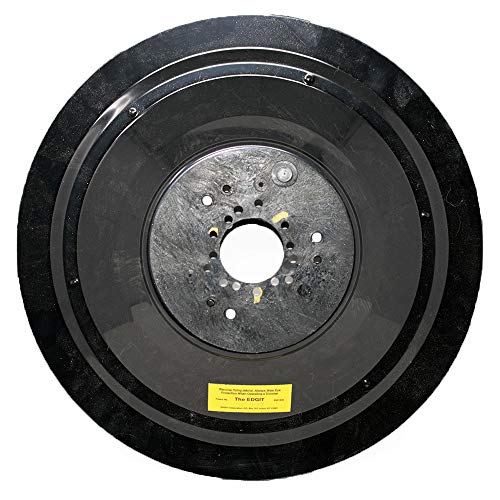
Edgit Pro String Trimmer Attachment for Echo SRM

SUNCHERS 20V Cordless String Trimmer & Edger, 12-Inch

VIBOGEN Battery Powered 12-Inch String Trimmer
TSzmyt 6″ Steel Wire Weed Trimmer Head

Panbemer 48V Cordless String Trimmer & Edger

VIABRICO .095″ Square Trimmer Line, 330 ft
Why These Options Stand Out
The WORX WG119 trims and edges without asking you to swap tools mid-project. A 5.5-amp motor drives a 15-inch swath through lawn fringe, while the head pivots into edger mode for vertical cuts along pavement. At roughly six pounds, it stays friendly on longer walks around the property, and the telescoping shaft plus adjustable handle let multiple household members dial in a comfortable fit.
For most backyards with a mix of grass, garden beds, and hardscape edges, this trimmer covers the daily touch-up routine. It runs corded, so you’ll need an outdoor outlet and extension cord, but in return you get uninterrupted runtime. That trade-off suits shoppers who prioritize low maintenance over maximum portability.
The Good Stuff
- Two-in-one head pivots from trimmer to edger without separate attachments
- Telescoping length and rotating handle reduce wrist fatigue during long sessions
- Automatic dual-line feed keeps string at working length without bumping the head
- Lightweight body lowers the barrier for shared household use
Things To Consider
- Corded design limits reach beyond the nearest outdoor outlet
- Owners commonly report the included spool system takes patience to learn on first use
Quick Facts
Who Will Love This
Homeowners with small to mid-sized lawns who want one tool for both trimming and edging without juggling batteries or fuel.
Swap It Out When
You’d rather skip cord management entirely, in which case the SUNCHERS 20V Cordless String Trimmer & Edger offers untethered convenience in a similar footprint.
CRAFTSMAN’s CMEST900 keeps things simple. A 3.5-amp motor runs a 12-inch cut, and a turn-to-edge feature rotates the head for curbside detail work. The automatic feed system advances line without the usual bump-and-go dance, which matters when you’re working along long fence lines.
Compared to the larger WORX model above, this trimmer trades cutting width for a more compact, easier-to-store footprint. Corded operation means steady power but also a trailing cable, so shorter driveways and front lawns make the most sense. For shoppers prioritizing low cost over portability, this lands in a comfortable spot.
Advantages To Know
- Auto-feed line system avoids manual spool bumping mid-job
- Turn-to-edge mode converts quickly between trimming and edging
- 12-inch cut works well in narrow side-yard passages
Trade Offs
- Lower amperage than 15-inch competitors, so dense weeds may require slower passes
- Corded reach depends entirely on extension cord length and outlet placement
Right Fit For
Front-yard detail work along sidewalks, with simple storage needs and a preference for plug-in reliability.
Where A Sibling Pick Shines
If you want a wider 15-inch swath for faster coverage, the WORX WG119 gives you that extra two inches without much more weight.
The Edgit Pro is a purpose-built accessory for Echo SRM straight-shaft trimmers without the high-torque head. Instead of buying a separate edger, it channels the existing string into a guide that produces straight, vertical cuts along hard edges. The guide doubles as a debris shield for the string.
This pick only matters to people who already own a compatible Echo SRM. For that audience, however, it’s a sharp upgrade over hand-edging with shears. It reuses a tool you already have rather than introducing a fourth machine to the garage, which keeps storage simple.
Noteworthy Benefits
- Guides string into a true vertical cut for consistent edging lines
- Mounts to existing Echo SRM hardware without a separate motor
- Lowers the cost barrier compared with buying a dedicated edger
Worth Noting
- Compatibility is narrow: Echo SRM trimmers only, and not high-torque head models
- Replaces the existing shield, so the original equipment must be set aside
Spec Overview
Made For
Echo SRM owners who want cleaner edging without buying a second machine or swapping motor tools.
Look Elsewhere When
You don’t already own a compatible Echo SRM, since the CRAFTSMAN CMEST900 or WORX WG119 give you an all-in-one solution out of the box.
The SUNCHERS 20V cordless trimmer skips the cord and the gas can in favor of a battery system aimed at first-time users. A 12-inch cutting width covers most home lawns, and the head pivots between trimmer and edger with the help of an auxiliary wheel that supports the cut. Two 2.0Ah batteries ship in the box, so one can charge while the other is in use.
Going cordless trades runtime for mobility, and dual batteries help close that gap. Compared to the heavier Panbemer 48V below, this one aims for lighter lifts rather than raw power, which suits small yards and quick weekly sessions. Battery-powered operation also means quieter mornings without disturbing neighbors.
A Few Highlights
- Two included batteries extend working time without waiting for a recharge
- Auxiliary wheel adds stability when edging along walkways
- Cordless setup removes extension-cord trip hazards from the yard
- Quieter than gas trimmers for early-morning or evening use
Points To Note
- 20V platform delivers less torque than higher-voltage cordless models like the Panbemer 48V
- Battery storage in off-seasons matters: cold garages shorten lithium cell life over time
Best Suited To
First-time cordless shoppers who want a turnkey kit with two batteries and a charger ready to go.
A Better Fit Elsewhere
You may find the VIBOGEN 12-Inch String Trimmer a stronger match if your priority is cutting speed over beginner ergonomics.
VIBOGEN leans into raw cutting speed with a 9,000 RPM head and a 12-inch swath, designed to clear grass quickly on each pass. The wider cutting head (compared to standard 8-inch weed whackers) reduces the number of strokes per yard. Battery power keeps operation quiet and avoids the maintenance routine of gas models.
Higher RPM means faster cuts, but the trade-off shows up in battery drain during thick or weedy patches. For most suburban lawns, the balance feels right; for overgrown lots, you may want a second battery. Compared to the SUNCHERS above, this trimmer favors speed over runtime, so the choice depends on whether you finish in one pass or pace yourself across a larger space.
Notable Gains
- 9,000 RPM head cuts grass quickly for shorter session times
- 12-inch width finishes each pass with fewer strokes than 8-inch models
- Cordless platform removes gas mixing and exhaust fumes
Room For Improvement
- Higher RPM drains the battery faster in dense grass or weeds
- Less ergonomic refinement than some competitors, depending on grip preference
Feature Snapshot
Perfect Match For
Homeowners with thicker grass who want faster cuts and don’t mind swapping batteries during longer sessions.
Consider Something Else When
You’re working on a larger lot where battery runtime matters more than cutting speed, making the Panbemer 48V Cordless String Trimmer & Edger worth a closer look.
The TSzmyt 6-inch steel wire head tackles the spots a full-size trimmer can’t reach. Smaller than the typical 8- or 10-inch head, it slips into cracks along patio edges, walkway seams, and tight corners where grass and moss collect. Steel wire construction handles tough weed patches that standard nylon line might struggle with.
This is an attachment, not a full tool, so you’ll need a compatible trimmer shaft to mount it on. For most yards, the niche here is precision: clearing detail spots after the main trimmer pass. The TSzmyt fills the gap between string trimmers and handheld weeding tools without much storage overhead.
What Works In Its Favor
- Compact 6-inch size reaches narrow cracks that larger heads skip
- Steel wire cuts through moss, weeds, and rust in tight spots
- Specialized role complements a primary trimmer rather than replacing it
Honest Caveats
- Steel wire can be rougher on delicate surfaces than nylon line, so test on hidden areas first
- Requires a compatible trimmer shaft; not a standalone tool
Whose Shelf It Belongs On
Detail-oriented homeowners who already own a trimmer and want to handle patio corners and crevices with the same tool.
Skip It When
You’re looking for a complete edging solution rather than a specialty attachment, in which case the WORX WG119 or CRAFTSMAN CMEST900 are stronger picks.
The Panbemer 48V pushes into higher-voltage cordless territory, delivering cutting torque for thick weeds, tall grass, and small twigs. The blue body keeps weight down while the upgraded lithium system handles heavier work than 20V platforms can manage. A fast charger ships in the box to shorten turnaround between sessions.
More voltage means more capability, but also a stiffer tool in the hand. For most backyards, the 48V class is overkill on routine mowing height; for neglected patches or rural lots, it earns its place. Compared to the SUNCHERS 20V above, this one trades beginner-friendly weight for stronger cutting muscle.
Well-Handled Touches
- 48V platform tackles thicker weeds and small twigs that 20V models may stall on
- Lightweight blue body offsets the higher-voltage hardware
- Fast charger reduces downtime between work sessions
Small Caveats
- Higher voltage adds cost and weight compared to entry-level cordless options
- Overkill for small lawns that don’t need industrial-grade cutting
Technical Highlights
Built With In Mind
Homeowners with larger or more overgrown properties who want cordless convenience without sacrificing cutting power.
Reach For A Different Pick When
You’re maintaining a tidy suburban lawn, where the SUNCHERS 20V model handles routine work at a friendlier weight.
VIABRICO’s .095-inch square trimmer line is a consumable that keeps the other seven picks running. Square-profile line cuts with hard edges rather than a rounded profile, which delivers sharper cuts through grass and lighter weeds. At 330 feet, this 1.7-pound spool covers multiple refill sessions for most home trimmers.
Replacement line matters more than most shoppers expect. The square shape increases cutting surface contact, which trims workload per stroke but also wears through line faster than round spools. For most suburban maintenance, the balance feels right; for heavy commercial use, count on shorter refill intervals.
Where It Helps
- Square profile produces sharper cuts on grass and lighter weeds
- .095-inch diameter fits a wide range of home-grade trimmer heads
- 330-foot spool covers several refill cycles for typical home use
Points To Keep In Mind
- Square line wears faster than round line in rocky or abrasive conditions
- Confirm .095-inch compatibility with your trimmer head before ordering
Who Should Grab It
Homeowners looking to restock trimmer line with a cutting profile that handles grass and lighter weeds effectively.
Another Choice May Suit
If you want a complete trimmer rather than a refill supply, the CRAFTSMAN CMEST900 is a strong entry point.
Picking The Right Edging Tool For Your Yard
Choosing between corded, cordless, and attachment-style trimmers comes down to the yard itself and how the tool fits into your routine. Three areas matter most: power source, head design, and the kind of edges you’re maintaining. Each shapes daily use more than any spec sheet suggests.
Power Source And Runtime
Corded models like the WORX WG119 and CRAFTSMAN CMEST900 run as long as the outlet holds out, but every job starts with extension-cord management. Cordless options like the SUNCHERS 20V and Panbemer 48V trade that tether for battery swaps, and dual-battery kits ease the gap. For most suburban lots under a quarter acre, corded power often wins on simplicity; larger or obstacle-rich yards reward the cordless route.
Head Design And Cutting Width
Cutting width changes how many passes a yard takes. A 15-inch head finishes the same lawn faster than a 12-inch model, but the extra reach can feel bulky in tight garden paths. Pivoting heads that switch between trimmer and edger modes save tool-swapping time. Specialty attachments like the TSzmyt 6-inch steel wire head solve problems the main trimmer can’t reach.
Edging Demands And Yard Layout
Edge work varies by surface. Hard surfaces like concrete driveways reward string trimmers with vertical cutting guides, like the Edgit Pro for Echo SRM owners. Soft edges along flower beds call for a lighter touch to avoid digging into mulch. Square-profile line like VIABRICO’s .095-inch spool cuts sharper edges on grass but wears faster on rocky ground.
Edge Cases Worth Considering
Where Shoppers Go Wrong
Two common traps trip up first-time trimmer shoppers: ignoring head compatibility when buying replacement line, and underestimating how much reach a corded model needs. The VIABRICO line at .095 inches fits most home trimmer heads, but a mismatch wastes the spool. Similarly, the WORX WG119 needs an outdoor extension cord long enough to reach far corners without unplugging mid-yard. Measure your yard before assuming a stock cord covers it.
Where The Extra Money Goes
Higher-tier cordless models like the Panbemer 48V deliver more torque and faster charging, but the upgrade pays off only when the workload justifies it. Dense weeds, neglected lots, and small twigs need the extra voltage; routine suburban grass does not. Specialty attachments like the Edgit Pro add value for owners of compatible Echo SRM trimmers, turning existing hardware into a precision edger without a second motor on the shelf.
Frequently Asked Questions
What is the difference between a trimmer and an edger?
A trimmer cuts horizontal grass using a spinning string, while an edger cuts vertical lines along hard surfaces like sidewalks and driveways. Many modern tools combine both functions with a pivoting head.
Are cordless string trimmers powerful enough for edging?
Cordless trimmers in the 20V to 48V range handle typical home edging with ease. For thick weeds or large overgrown lots, higher-voltage platforms like the 48V class deliver more reliable cuts.
How often does trimmer line need replacing?
Trimmer line wears down with use, especially against hard surfaces, walls, or rocks. Most homeowners replace line a few times per season, depending on yard size and edging frequency.
Can I use any trimmer line in any trimmer?
No, trimmer line diameter must match the trimmer head specifications. The .095-inch diameter on common replacement spools fits most home-grade trimmers, but always confirm before buying.
Do I need a separate edger if my trimmer has an edging mode?
Not necessarily. Trimmers with pivoting heads or edge guides handle most home edging tasks. A separate edger helps only with very long, straight runs or commercial-grade precision work.
The Takeaway
The best line trimmer for edging is the one that matches the yard, the storage space, and the willingness to manage a cord or swap a battery. For small to mid lawns, the WORX WG119 and CRAFTSMAN CMEST900 deliver dependable, plug-in simplicity. Cordless shoppers gravitate toward the SUNCHERS 20V for ease or the Panbemer 48V for tougher weeds. Specialty picks like the Edgit Pro and TSzmyt head solve narrower problems for owners of the right tool. Match the pick to the property, and the edging pass stops feeling like a chore.
