

Clay soil resists everything: water pools on top, roots struggle to spread, and lawns stay patchy no matter how often you water. Liquid aerations offer a low-effort alternative to mechanical core aeration, working their way into compacted ground to improve drainage and root access. This roundup covers eight options worth knowing about, from pelletized gypsum to microbial inoculants and humic blends, so you can match the right approach to your soil type, lawn size, and tolerance for routine application.
The Shortlist At A Glance

Espoma Organic Garden Gypsum Soil Conditioner, 6 lb. Bag
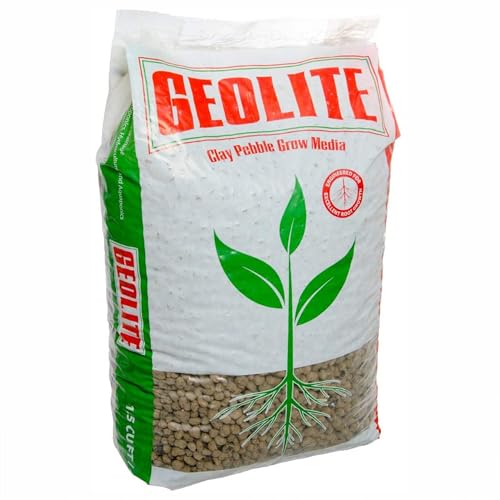
GEOLITE Clay Pebble Grow Media, 1.5 Cu Ft
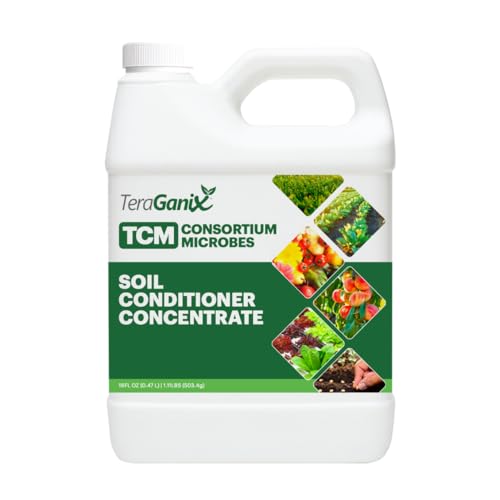
TeraGanix TCM Soil Conditioner, 16 fl oz

Soft Soil by GS Plant Foods Liquid Aerator, 1 Quart

Earth Science Fast Acting Gypsum Granules, 5 lb

FoliarTech Humic Acid Organic Lawn Fertilizer, 34 oz

Turf Titan Root Booster Liquid Probiotic, 32 oz
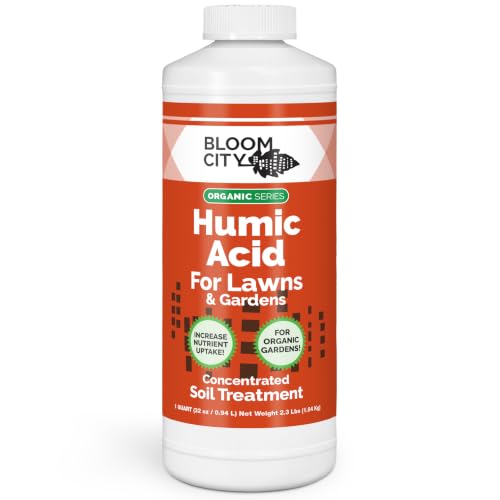
Bloom City Humic Acid Liquid Soil Conditioner, 32 oz
A Breakdown Of The Leading Choices
For gardeners who want a dry-spread approach rather than a hose-end product, Espoma’s pelletized gypsum offers a familiar garden-bag experience. The formula is 100 percent mined gypsum with no fillers, and the pellet form makes it easy to broadcast by hand or through a standard spreader without clouding the air in fine dust.
It works in vegetable plots, around established perennials, and on bare spots in the lawn where you want to loosen clay before reseeding. You can sprinkle it on the soil surface during any part of the growing season, which keeps timing simple for weekend gardeners. For most home gardeners, the small 6-pound bag fits a single raised bed or a few small problem patches without committing to bulk storage.
The Value In It
- Pellets dissolve gradually, so a single application continues working across multiple waterings.
- No synthetic fillers or additives, fitting organic gardening routines.
- Helps with pet-spotting and de-icing salt damage on lawn edges.
- Spreads evenly through a standard drop or broadcast spreader.
- Safe to apply during any active growing season without burning foliage.
Things To Consider
- Six pounds covers a modest area, so larger lawns need multiple bags.
- Gypsum works best when watered in thoroughly, which adds a step to dry conditions.
Right Fit For
Backyard gardeners tending vegetable beds, flower borders, and small lawn patches that need gradual clay loosening without a hose-end sprayer.
A Better Fit Elsewhere
Large lawn owners working across several thousand square feet may prefer the Earth Science Fast Acting Gypsum Granules, which come in a bigger 5-pound bag with bonding technology for runoff reduction.
GEOLITE’s expanded clay pebbles belong to a different category than the gypsum and humic products above: they are a physical growing medium, not a soil amendment. Made from Italian clay fired into porous 8 to 20 millimeter pebbles, they create permanent air pockets that water and roots can move through easily.
These pebbles shine in hydroponic systems, semi-hydro conversions of houseplants, and the bottom layer of large containers where drainage matters more than nutrient content. Treated for a stable neutral pH, they don’t shift your nutrient balance the way some natural aggregates can. Where the Espoma gypsum works on existing ground, GEOLITE rebuilds the growing environment from scratch in a pot or flood table.
Well-Handled Touches
- Rinses clean and resists breaking down over years of reuse.
- Neutral pH keeps nutrient solutions in the intended range.
- High porosity supports beneficial bacteria around root zones.
- Drains aggressively, which prevents root rot in moisture-sensitive plants.
Points To Note
- Doesn’t address existing clay soil in the ground.
- Heavy to ship and store, so buying more than a few bags adds logistical weight.
Who Should Grab It
Hydroponic gardeners, semi-hydro houseplant enthusiasts, and anyone repotting large containers where drainage is the priority.
Reach For A Different Pick When
In-ground lawn repair calls for a true liquid aerator like Soft Soil by GS Plant Foods, since these pebbles only work inside containers.
TeraGanix takes the biology route: a concentrated microbial inoculant designed to seed beneficial bacteria and fungi into tired soil. A single 16-ounce bottle dilutes into roughly 16 gallons of working solution, so a little goes a long way across multiple garden zones.
The product appeals to gardeners who already think in terms of soil biology rather than chemistry. Adding microbes helps break down organic matter, supports nutrient cycling, and gradually loosens clay as soil structure improves over multiple seasons. You may find the bottle’s expiration date matters more than with shelf-stable gypsum, since live cultures lose potency over time.
What Helps Most
- Treats a large yard or multiple beds from a single small bottle.
- Supports the long-term soil food web rather than a quick chemical fix.
- Useful around ponds and aquariums as a non-toxic water conditioner.
Honest Caveats
- Results build over weeks and months, not days.
- Freshness matters: check the expiration date before committing to a multi-season program.
- Less effective as a standalone solution on severely compacted ground.
The Right Fit
Biology-minded gardeners, permaculture practitioners, and pond keepers who want a microbial foundation beneath their soil-loosening routine.
Look Elsewhere When
Homeowners wanting fast visible improvement on a compacted lawn should consider the Turf Titan Root Booster Liquid Probiotic, which pairs a microbial approach with a hose-end sprayer for quicker coverage.
Soft Soil is one of the more direct liquid aerators on this list, formulated specifically to break apart compacted soil so water, air, and nutrients can reach roots. The 1-quart bottle mixes with water and goes on through any standard pump or hose-end sprayer.
It suits any grass type and works across all seasons, which removes the calendar guesswork that comes with gypsum timing. Where the Espoma gypsum spreads as dry pellets, Soft Soil goes on wet and starts working through the root zone immediately. For most homeowners with a typical residential lawn, one container covers a meaningful area, and repeat applications compound the effect.
The Helpful Details
- All-grass-type compatibility avoids the guesswork of matching formula to species.
- Year-round usability means you don’t have to wait for a narrow application window.
- Targets standing water and poor drainage, two of the most common clay-soil symptoms.
- Non-mechanical approach skips the rental and labor of core aerators.
Small Caveats
- Multiple treatments are usually needed before noticeable change sets in.
- Best results assume consistent watering after application.
Who It Suits Best
Homeowners with small to mid-size lawns who want a recurring seasonal treatment instead of a one-time mechanical aeration.
Where Another Pick Suits Better
For gardeners needing bulk dry coverage across a larger yard, Earth Science Fast Acting Gypsum Granules may be a better fit, since they spread more quickly over wide areas.
Earth Science leans into the granular side of clay-loosening with a 5-pound bag of fast-acting gypsum designed to start working quickly. The formula also adds calcium and includes Nutri-Bond, a polymer technology meant to reduce runoff so more of the gypsum stays where you spread it.
For homeowners wrestling with salty soil from winter de-icing or pet damage, the salt-repair angle is a real draw. The larger bag covers a wider area than the Espoma 6-pound option and works for both lawn and ornamental applications. You can apply it across a broad yard without mixing concentrates or hauling sprayers, which keeps the routine simple for non-gardener household members.
Practical Advantages
- Larger 5-pound size handles bigger yards without buying multiples.
- Calcium addition supports root development beyond just loosening clay.
- Nutri-Bond helps the gypsum stay in place through heavy rain or irrigation.
- Useful for repairing salt damage on lawn edges and curbside strips.
Factors To Consider
- Dry granules still need watering in to activate the soil-loosening action.
- Spreading evenly over large areas requires a push spreader for consistent coverage.
Made For
Suburban homeowners with broad lawns, salt-damaged curbside strips, and a willingness to run a broadcast spreader across the yard.
Not Your Match When
Apartment dwellers with small balcony gardens will find the bag size and spreader requirement excessive; Espoma’s smaller pelletized bag suits tighter spaces more practically.
FoliarTech’s 34-ounce concentrate combines humic and fulvic acids, two organic compounds that work on soil structure and nutrient availability. Humic acid binds to clay particles and helps create crumb-like structure, while fulvic acid supports nutrient uptake through both roots and leaves.
This product suits gardeners who want a single bottle that covers lawns, trees, shrubs, ornamentals, and vegetable beds. You can apply it as a soil drench or a foliar spray, which gives you flexibility across different plant types. Compared with the gypsum options earlier, the humic-fulvic route works faster on nutrient unlocking and supports overall soil life rather than just physical loosening.
Where It Helps
- Multi-use compatibility covers lawns, shrubs, trees, and vegetables from one bottle.
- Adjusts pH and reduces nutrient lockout in heavy clay.
- OMRI certification supports organic gardening standards.
- Promotes root development and deeper water infiltration.
What To Weigh
- Concentrate requires dilution, so mixing and sprayer cleanup add routine time.
- Best results come with repeat applications across the growing season.
Best Suited To
Organic gardeners managing mixed plantings who want one soil conditioner that travels across lawn, beds, and edible gardens alike.
Skip It When
Homeowners wanting a simple single-purpose clay-loosener without organic-certification priorities may prefer the Soft Soil by GS Plant Foods liquid aerator.
Turf Titan targets compacted and clay-heavy lawns specifically, with a 32-ounce bottle that includes a hose-end sprayer. The probiotic approach pairs with the convenience of attaching the bottle directly to a garden hose, eliminating the mixing and measuring step.
Coverage is rated for 6,000 square feet, which fits most mid-size suburban lawns from a single bottle. The biology-based formula loosens soil by working with the existing soil ecosystem rather than adding minerals alone. You may find the spray-and-go format especially helpful if previous liquid aerators felt like too much measuring. Visible improvement typically shows up over a 2 to 4 week window with consistent use.
Good Reasons To Consider
- Hose-end sprayer removes mixing and measuring entirely.
- One bottle covers up to 6,000 square feet of lawn.
- Designed specifically for compacted and clay-heavy soils.
- Supports stronger root systems through biological soil building.
Points To Keep In Mind
- Visible results take 2 to 4 weeks of consistent use, so patience matters.
- Best paired with ongoing watering and mowing practices for compounded effect.
Whose Shelf It Belongs On
Mid-size lawn households that want the simplest possible application without buying extra sprayer equipment or measuring cups.
Where A Sibling Pick Shines
Gardeners tending mixed plantings beyond turf will find FoliarTech’s humic-fulvic blend more useful, since it works across ornamentals, shrubs, and edibles too.
Bloom City keeps the formula simple: humic acid in a 32-ounce bottle, designed for regular lawn and plant feeding. It focuses on the basics of soil conditioning without the broader certification claims of some alternatives.
This product fits homeowners who already understand the humic acid approach and just want a reliable refill for their seasonal rotation. It supports nutrient uptake, root strength, and water retention, which together address the core problems clay soil creates. Where the FoliarTech option spreads across ornamentals and edibles, Bloom City stays squarely focused on lawn soil health with a no-frills routine.
Why It Works Well
- Supports deeper root systems and improved nutrient uptake.
- Aids water and nutrient retention in compacted ground.
- Simple formula makes repeat seasonal use straightforward.
- Suitable for both residential and commercial lawn programs.
Less Ideal Details
- Lacks the organic certification that some gardeners look for.
- Requires a separate pump or hose-end sprayer for application.
Perfect Match For
Homeowners with established seasonal lawn care routines who want a basic humic acid refill without extras like sprayer attachments.
Swap It Out When
Shoppers wanting a built-in sprayer for faster coverage across bigger lawns should reach for the Turf Titan Root Booster Liquid Probiotic instead.
Matching The Right Formula To Your Lawn
Clay soil responds to several different treatment routes, and matching the right one matters more than picking the strongest concentration. Gypsum products like the Espoma and Earth Science options physically loosen compacted clay particles by displacing sodium, while humic and fulvic acid products like FoliarTech and Bloom City work on soil structure and nutrient availability. Microbial inoculants like TeraGanix and Turf Titan take a slower biological route, building soil health over weeks and months rather than delivering visible change overnight.
For small lawns or weekend gardeners, ready-to-spray hose-end products remove the mixing step entirely. For larger properties, granular gypsum often spreads faster than any liquid approach. The honest read: the best liquid aeration for clay soil is the one you will actually reapply on schedule, since a single treatment rarely solves severe compaction.
Key Considerations Across These Picks
Wrong Turns To Avoid
The most common mistake is treating clay soil once and expecting lasting change. Liquid products work through repeat applications, so a single seasonal pass rarely moves the needle on truly compacted ground. Another trap is mixing granular gypsum with water-soluble fertilizers in the same spreader session, which can leave residue that blocks application equipment. Match each product to its intended delivery method, and give the soil multiple seasons of consistent treatment before judging results.
When Paying More Pays Off
Higher-tier products in this category usually earn their place through concentration, certification, or convenience features like included hose-end sprayers. A more concentrated humic acid bottle covers more square footage per dollar, and OMRI-certified options support organic gardening routines that cheaper alternatives cannot match. Built-in sprayers save the cost of buying separate equipment, which adds up quickly across multiple applications. The upgrade pays off when you treat large areas regularly or hold specific gardening standards.
Frequently Asked Questions
How Often Should Liquid Aeration Be Applied To Clay Soil?
Most liquid aerators perform best with repeat applications every 4 to 8 weeks during the active growing season, then lighter maintenance doses afterward. A single treatment rarely moves severely compacted clay, and seasonal reapplication compounds the loosening effect over time.
Can Liquid Aeration Replace Mechanical Core Aeration?
Liquid aeration complements rather than fully replaces mechanical core aeration for severely compacted soil. For moderate clay conditions and routine maintenance, liquid products alone often produce meaningful improvement without the rental and labor of a core aerator.
Is Gypsum Safe For Use Around Pets And Children?
Gypsum is a mined mineral with low toxicity, and pelletized garden gypsum products are commonly used in residential yards with children and pets. Watering the product in after application speeds activation and reduces the chance of curious pets or kids encountering concentrated pellets on the surface.
When Is The Best Time Of Year To Apply Liquid Aeration?
Early spring and fall are the most common application windows, when soil temperatures support active root growth and microbial activity. Many all-season products work year-round in mild climates, but extreme summer heat and frozen winter ground both reduce effectiveness.
Do These Products Work On Container Plants And Houseplants Too?
Some products on this list, particularly the liquid humic acid options, work well on container plants when diluted appropriately. Granular gypsum and full-strength lawn treatments are usually too concentrated for small containers and should stay on in-ground applications.
Wrap Up
Clay soil does not give up its compaction easily, but the right liquid aeration routine can shift drainage, root depth, and overall lawn health over a season or two. Match the format to your property size, gardening standards, and tolerance for repeat application. Browse the shortlist above and pick the one that fits your routine, then give it the multiple treatments it needs to actually move the needle.
