

St. Augustine grass spreads by stolons (above-ground runners) and builds a thick, spongy mat that traps clippings and dead roots faster than most turf types. That built-up layer, called thatch, blocks water and air from reaching the roots, and the grass struggles along in compacted soil. Liquid dethatchers offer a low-effort alternative to renting a power rake, spraying microbes and humic acids (organic compounds from decomposed plant matter) that help the soil break that layer down naturally.
Below are eight options that cover the spectrum from manual raking to hose-end liquid treatments, each matched to a slightly different lawn-care style.
A Fast Comparison Of The Options

Walensee 15-Inch Thatch Rake for Lawn, 19-Tine Dethatcher
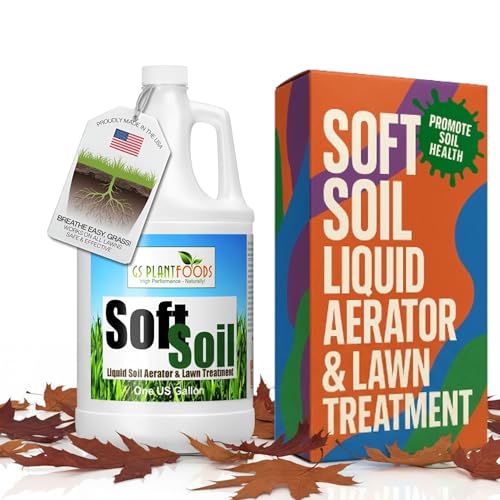
GS Plant Foods Soft Soil Liquid Soil Aerator 1 Gallon

Scotts Liquid Green Max Lawn Food 32 oz

Covington Liquid Lawn Dethatcher 32oz Humic Thatch Remover
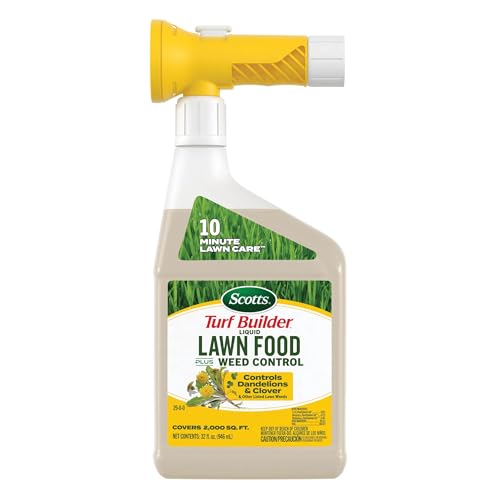
Scotts Turf Builder Liquid Lawn Food Plus Weed Control 32 fl. oz.

Scotts Liquid Green Max Lawn Food 32 fl. oz.
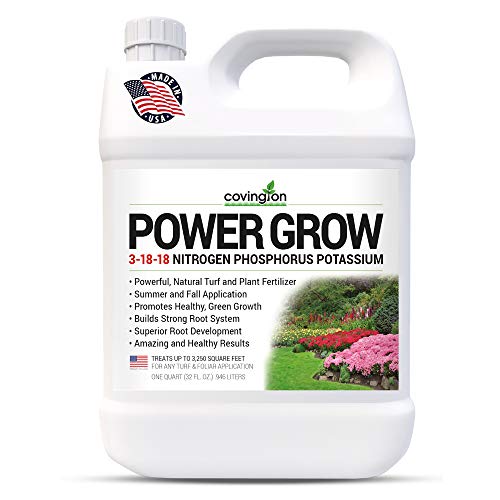
Covington Naturals 3-18-18 NPK Liquid Lawn Fertilizer 32 oz

Scotts Turf Builder Liquid Lawn Food 32 fl. oz.
Taking A Closer Look At The Options
Not every lawn-care tool has to be liquid. The Walensee 15-inch thatch rake takes the old-school route and earns its place because St. Augustine’s dense stolon mat often responds well to a physical pull. The dual-sided head is the key feature here: 19 curved steel tines on one face lift dead material, while the other face loosens topsoil for a quick scratch-up pass.
For homeowners with a modest yard and a Saturday morning to spare, this rake covers ground quickly thanks to its 15-inch head and 70-inch handle, which keeps your back from folding. It assembles with twist-lock sections, so storage in a tight garage shelf is not a problem either.
Strong Points
- Wide 15-inch head shortens the time spent raking, especially across flat suburban lawns.
- Reversible tine design doubles as a cultivator, sparing you a second tool in the shed.
- Twist-lock handle assembly breaks down for compact winter storage.
- No fuel, batteries, or mixing required, which keeps ownership costs near zero.
Things To Consider
- Manual raking takes real elbow grease on a thick St. Augustine mat, so plan on a few sessions rather than one marathon.
- Steel tines can clog in wet, heavy thatch; clearing the head every few passes is part of the job.
Feature Snapshot
Made For
Homeowners with a small-to-medium yard and the willingness to put in physical work get the most direct value from this rake.
Where Another Pick Suits Better
Large lawns or anyone with knee or back concerns will find the GS Plant Foods Soft Soil Liquid Aerator a far less exhausting alternative.
Where the Walensee rake asks for sweat, the GS Plant Foods Soft Soil treatment asks for a hose-end sprayer and a little patience. This liquid aerator focuses on the underlying cause of most St. Augustine struggles: compacted soil that sheds water instead of absorbing it. The formula works to break apart tightly packed particles so air and moisture can finally reach the root zone.
The one-gallon size covers a generous footprint, so it suits mid-to-large lawns where a manual approach would chew up an entire weekend. You skip the rental fee for a mechanical aerator and the cleanup that comes with cores left across the yard.
A Strong Showing
- Non-mechanical application means no heavy equipment to push across uneven ground.
- Targets compaction rather than just surface thatch, addressing a root cause of poor drainage.
- Larger container size lowers the per-application cost on bigger lots.
Worth Noting
- Visible results unfold gradually over multiple weeks, so quick-fix expectations may feel let down.
- A hose-end sprayer is not included, so factor that add-on into your setup.
Right Fit For
Homeowners dealing with hard, water-repellent soil who would rather spray than rent a mechanical aerator.
Not Your Match When
Someone chasing a same-week green-up will get faster feedback from Scotts Liquid Green Max Lawn Food 32 oz.
This is the product to reach for the week before company shows up. Scotts Liquid Green Max combines a liquid fertilizer with an iron supplement, and iron is the nutrient that drives deep green color in grass blades without forcing a flush of top growth. You hook the applicator to a garden hose, spray, and within a few days the lawn looks noticeably richer.
It is not a dethatcher in the strict sense, so think of it as a complement to a true thatch treatment like the GS Plant Foods Soft Soil rather than a substitute. Pairing the two gives St. Augustine the soil relief it needs and the visual payoff you can see.
Practical Pluses
- Iron-driven greening shows up within days, well ahead of most granular feeds.
- Hook-up applicator removes measuring and mixing, shortening setup time.
- Safe across common warm-season grasses including St. Augustine.
Honest Caveats
- It does not address thatch buildup directly, so pairing with a dedicated dethatcher is wise.
- Iron can stain concrete driveways and walkways if overspray is not rinsed quickly.
Quick Facts
Best Suited To
Homeowners prepping for a backyard event or recovery feeding who want fast visual results.
Skip It When
Your lawn suffers from heavy thatch and compacted soil; reach for Covington Liquid Lawn Dethatcher 32oz Humic Thatch Remover instead.
Covington’s liquid dethatcher takes aim directly at the thatch layer rather than working around it. The blend leans on enzymes and humic acid, both of which support the microbial activity that breaks down dead stolon material in the mat. There is no need for aerator shoes or a dethatching rake, which matters if you want a hands-off routine.
The formula is also marketed as kid and pet safe, a meaningful note for households where the lawn doubles as a play space. Compared with the GS Plant Foods Soft Soil, this pick is more focused on thatch digestion and slightly less on compaction, so your real decision is which problem looks worse from the curb.
Standout Benefits
- Enzyme-driven thatch breakdown targets the layer without scraping or pulling.
- Pet and kid friendly profile fits busy family yards.
- Made in the USA, which some shoppers weigh when comparing concentrates.
- Compact 32 oz bottle stores on a standard shelf between applications.
A Few Limitations
- Multiple applications across the season are typical, so plan on repeat purchases rather than a one-bottle fix.
- Results depend on soil temperature and microbial life, so cold snaps slow the action noticeably.
Perfect Match For
Family households with kids and pets that need a no-rake way to chip away at thatch each season.
A Better Fit Elsewhere
If your main issue is hard, compacted soil rather than thatch depth, GS Plant Foods Soft Soil Liquid Soil Aerator addresses that more directly.
This 2-in-1 Scotts bottle handles feeding and broadleaf weed control in the same trip around the yard. For homeowners tired of scheduling separate fertilizing and weed-spraying weekends, that consolidation alone makes it worth a look. You hook it up to the hose, walk the perimeter, and the lawn gets both treatments at once.
St. Augustine has narrow margins with certain herbicides, so a product formulated for it removes a layer of guesswork. Pair this with Covington Liquid Lawn Dethatcher earlier in the season for a clean, fed lawn by midspring.
Real Benefits
- Combined fertilizer and weed control cuts one full application from the calendar.
- Hose-end sprayer design keeps the learning curve short.
- Targeted at common warm-season turf, which simplifies label reading.
Points To Note
- It does not touch thatch directly, so it works best alongside a dedicated dethatching product.
- Weed control effectiveness varies with weed type and growth stage, so timing matters.
Who Should Grab It
Homeowners with dandelion or other broadleaf pressure who want to feed and treat in the same session.
Look Elsewhere When
Thatch is your main complaint; Covington Liquid Lawn Dethatcher 32oz Humic Thatch Remover targets that directly.
Functionally similar to the earlier Scotts Green Max entry, this listing covers the refill version that drops into a reusable hose-end applicator. If you already own that applicator from a prior purchase, this bottle keeps plastic out of the trash and trims a few dollars off the next round of green-up.
The trade-off shows up for first-timers: you need the applicator separately before this bottle does anything. Anyone new to the line should start with the original 32 oz bottle instead.
What Makes Sense
- Less plastic waste over multiple seasons compared with single-use bottles.
- Same iron-driven fast greening as the original Green Max formula.
- Translucent bottle makes it easy to see how much remains.
Soft Spots
- No applicator included, so first-time Scotts liquid users should pick up the full kit first.
- Still does not address thatch directly, so plan a separate product for that.
Feature Card
Whose Shelf It Belongs On
Returning Scotts liquid users who already own the hose-end applicator and want a cheaper, lower-waste refill.
Swap It Out When
You are buying for the first time; the original Scotts Liquid Green Max Lawn Food 32 oz ships with everything needed.
The NPK ratio (the percentage of nitrogen, phosphorus, and potassium by weight in a fertilizer) tells the story here: 3-18-18 means this concentrate is heavy on phosphorus and potassium, the nutrients behind stolon rooting and overall turf resilience. After dethatching, St. Augustine often benefits from a root-focused feed rather than a high-nitrogen push, and that is exactly what this formula delivers.
Use it across spring, summer, and fall according to the maker’s guidance, and pair it with either a manual rake for the worst thatch spots or a microbial dethatcher for steady maintenance. The 32 oz concentrate is built for routine, repeat feeding rather than one-time rescue.
A Favorable Mix
- High phosphorus and potassium ratio supports stolon rooting after thatch work.
- Liquid concentrate spreads evenly when paired with a standard hose-end applicator.
- Designed for year-round use on most common turf types.
Less-Strong Areas
- Low nitrogen content means slow color response, so do not expect a fast green-up.
- Phosphorus application regulations vary by region, so check local rules before repeat use.
Built With In Mind
Homeowners finishing a dethatching pass who want to push root recovery rather than top growth.
Another Choice May Suit
If your goal is fast color before guests arrive, Scotts Liquid Green Max Lawn Food 32 oz is the better sprint option.
The plain Turf Builder liquid bottle is the straightforward nitrogen feed in this lineup, with an NPK ratio aimed at steady green color across the growing season. For homeowners who want one predictable step between dethatching and the rest of their routine, this is the easy default.
The reusable applicator design reduces plastic over multiple seasons, which aligns with the refill-style Scotts bottle covered earlier. If you treat thatch as a once-a-year task and feeding as the recurring one, this product lines up nicely with that rhythm.
Everyday Advantages
- Nitrogen-forward formula supports routine color and blade growth across the season.
- Reusable applicator lowers long-term plastic waste and replacement cost.
- Translucent bottle shows remaining product at a glance.
- Compatible across common grass types for mixed-yard households.
Trade-Offs To Consider
- No thatch-breaking or soil-loosening function, so pair it with another product for those goals.
- Higher nitrogen means more frequent mowing in the weeks after application.
Feature Card
Who It Suits Best
Homeowners who already handle thatch separately and want a simple, repeatable nitrogen feed for the rest of the year.
Where Another Pick Suits Better
Struggling lawns with visible thatch need Covington Liquid Lawn Dethatcher 32oz Humic Thatch Remover before any routine feed.
What To Weigh Before Buying A Liquid Dethatcher
Reading The Label Past The Marketing
Liquid dethatchers fall into a few camps worth knowing apart. Microbial blends rely on enzymes and bacteria to digest thatch slowly, and humic-acid formulas add organic matter that loosens soil structure. Pure aerator liquids skip the biological angle and focus on softening compacted soil particles so water and roots can push through. Your real symptom (thickness on top, hardness underneath, or both) tells you which type belongs in your shed.
Match The Format To Your Yard
St. Augustine yards come in all sizes, so the delivery format matters. One-gallon concentrates cover large lots per bottle but assume you own a pump or hose-end sprayer. Pre-mixed 32 oz bottles often ship with their own applicator, which suits smaller lawns and first-time users. Manual rakes still earn their slot on stubborn patches where liquid treatments alone take months to catch up.
St. Augustine-Specific Watchouts
A few herbicides (weed-killing chemicals) and high-nitrogen feeds can stress St. Augustine if applied during heat waves or dormancy, so timing matters as much as product choice. Liquid products often recommend application during active growth windows when soil biology is active. Always check the label for grass-type confirmation before spraying.
Pairing Products For Best Results
The strongest results tend to come from a sequence rather than a single bottle. A microbial dethatcher or aerator applied early in the season softens the soil, followed by a balanced feed such as the Covington 3-18-18 to push root recovery. Finish with a color feed like Scotts Green Max if you want the lawn to look its best before guests arrive.
Key Considerations Across These Picks
Mistakes Worth Dodging
Treating thatch and compaction as the same problem leads to wrong product choice, since some bottles focus on one and barely touch the other. Skipping the soil-temperature check before applying microbial products is another common slip, because cold soil slows enzyme activity and delays visible progress. Buying a refill bottle without owning the matching applicator is a small but surprisingly frequent frustration.
Where The Extra Money Goes
Larger one-gallon concentrates cost more up front but stretch further across bigger yards, so the per-application cost often drops. Bottles that ship with reusable applicators add value over a single season of repeated feedings. Higher NPK ratios with stronger root-building nutrients tend to cost a little more, and they earn it when your lawn is recovering from heavy thatch work.
