

Growing corn means making split-second nutrient calls through a long growing season. You watch stalks stretch toward the canopy, then suddenly notice pale lower leaves or slow ear fill, and you need something you can mix and spray without waiting for rain. Liquid feeding lets you correct course mid-season instead of crossing your fingers on a dry spread.
The eight products below cover the main paths corn growers take: high-nitrogen foliar pushes, balanced vegetative blends, organic feedings for food-grade plots, and specialized boosters for the full garden rotation. Use this list to match your soil condition, plot size, and how hands-on you want to be.
The Essentials At A Glance

Petramax Liquid Nitrogen Fertilizer 28-0-0 (1 Gallon)

5 lb. Urea Fertilizer 46-0-0 (The Grow Co)

True Organic Liquid All Purpose Plant Food (32 fl. oz.)
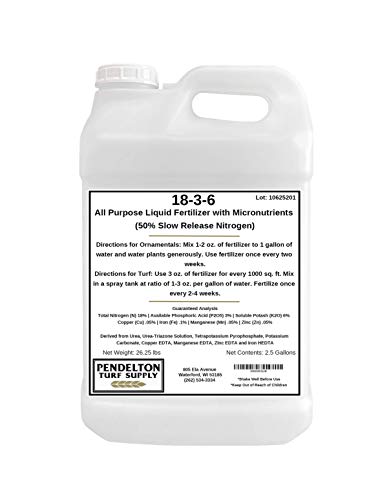
18-3-6 Liquid Fertilizer with SRN (2.5 Gallons)

Great Big Tomatoes Fertilizer Booster (32 oz)

Pumpkin Juice 11-8-5 Foliar Fertilizer (1 Quart)
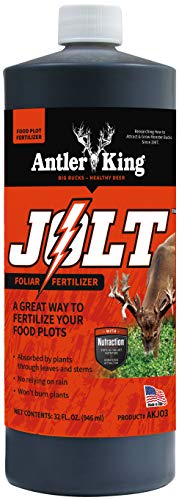
Antler King Jolt Liquid Fertilizer

Prevegenics Pumpkin Fertilizer (32 fl. oz.)
The Picks, Examined More Closely
Corn is a nitrogen-hungry crop, and the Petramax 28-0-0 formula is built around that reality. The blend layers a quick-release nitrogen component for fast green-up with a slower-release portion that keeps feeding in the days that follow. For home gardeners with a small sweet-corn patch, a single gallon mixes easily into a pump sprayer and covers a meaningful section of the plot without constant refilling.
Compared with the higher-concentration urea pick later in this list, Petramax offers a more balanced release curve and a friendlier spray-on application. You trade raw nitrogen percentage for steadier uptake, which matters when you want ear fill without a sudden growth spike that the plant cannot sustain.
Everyday Advantages
- Mixes readily into a standard pump or hose-end sprayer
- Combined quick and slow release reduces the need for repeat trips to the patch
- Liquid format means no waiting on rainfall to move nutrients into the root zone
- Well suited for sweet corn and field corn on small to medium plots
Points To Note
- A single gallon may run short on larger plots, so plan for repeat purchases during peak season
- Sprayer cleanup matters; residue left in the tank can clog nozzles on later uses
Feature Snapshot
Made For
Home growers running a small sweet-corn or field-corn plot who want one jug that handles mid-season nitrogen correction without complicated mixing.
Skip It When
Growers managing a half-acre or more should reach for The Grow Co 46-0-0 Urea Fertilizer instead, since the higher concentration reduces total jugs per season.
Urea is the densest dry nitrogen source most home growers will touch, and The Grow Co packages it in a manageable five-pound bag for smaller operations. At 46-0-0, a single pound carries nearly twice the nitrogen of the Petramax liquid above, so a little goes a long way when you dissolve it for foliar feeding or soil drenches.
This is the pick for gardeners watching their input budget closely. Urea dissolves in water, but it requires more careful measuring than a pre-mixed liquid. For most backyard growers, that tradeoff is worth it for the cost-per-pound-of-nitrogen advantage on larger sweet-corn plantings.
Notable Gains
- Highest nitrogen concentration in this roundup at 46-0-0
- Dissolves into water for both soil drench and foliar spray use
- Useful beyond corn, covering vegetables, fruits, and ornamentals
Small Caveats
- Granular form must be fully dissolved before spraying to avoid nozzle clogs
- Higher burn risk than diluted liquids, so accurate measuring matters
- No phosphorus or potassium, so a balanced program still needs supplements
Who Will Love This
Cost-conscious growers with medium-sized corn plots who don’t mind dissolving granules and want the strongest nitrogen concentration per dollar.
Consider Something Else When
Growers who want a ready-to-spray jug should look at the Petramax 28-0-0 Liquid Nitrogen Fertilizer for a lower-fuss application.
The True Organic blend takes a different road from the synthetic nitrogen picks above. Its formula draws on soy protein hydrolysate, fish solubles, and kelp extract to deliver nitrogen, phosphate, and potash in a form the soil biology can process gradually. The label states coverage for roughly 60 square feet per 32-ounce bottle, which signals a concentrate rather than a ready-to-spray product.
For organic gardeners growing food-grade corn, this product sidesteps synthetic urea entirely. The trade-off is concentration: you’ll mix carefully and apply more frequently than with the 28-0-0 or 46-0-0 picks. For a backyard kitchen garden that already runs on compost and mulch, that rhythm often fits naturally.
Where It Helps
- OMRI-style organic ingredient list appeals to chemical-free gardeners
- Multi-purpose formula works for fruits, vegetables, herbs, and ornamentals
- 32-ounce bottle covers a small plot without taking over the storage shelf
- Compatible with indoor and outdoor growing setups
Trade-Offs To Consider
- Lower nutrient density than synthetic urea, so application frequency climbs
- Fish and kelp ingredients carry an organic odor that lingers briefly after application
Right Fit For
Organic-minded gardeners growing sweet corn alongside vegetables and herbs who prefer biological feeding over synthetic nitrogen.
Look Elsewhere When
Growers chasing maximum vegetative push should consider Petramax Liquid Nitrogen Fertilizer 28-0-0 for stronger nitrogen delivery.
For growers running serious acreage, the 18-3-6 blend from Pendelton Turf Supply scales up the liquid-feeding concept. The 2.5-gallon container suits a backpack sprayer or a tow-behind setup, and the analysis pairs 18% nitrogen with 3% phosphorus and 6% potassium, addressing root development and drought tolerance alongside top growth.
The standout here is the slow-release nitrogen (SRN) component, which the manufacturer lists at 50%. That means roughly half the nitrogen feeds gradually rather than dumping at once, which reduces leaching on sandy soils. Micronutrients in the mix round out the trace elements corn pulls during ear fill.
Key Advantages
- Balanced NPK ratio covers root, vegetative, and stress-response needs
- Slow-release nitrogen portion reduces leaching losses on lighter soils
- Micronutrient package supports ear fill and stalk strength
- Bulk format lowers per-gallon cost for larger plantings
Honest Caveats
- Heavy 2.5-gallon jug is awkward for small gardens with limited storage
- Lower nitrogen percentage than the urea pick, so total volume per acre rises
Quick Facts
Best Suited To
Mid-size corn growers who want a balanced, slow-release liquid that handles nitrogen plus potassium in a single pass.
A Better Fit Elsewhere
Home gardeners with a tiny backyard patch should reach for the True Organic Liquid All Purpose Plant Food, which is easier to handle and store.
Don’t let the name fool you. Great Big Tomatoes markets this booster for the broader vegetable garden, and corn fits that bill when you want a targeted root-zone push. The formula is designed to drive nutrients into the root zone of heavy-feeding plants, supporting fruit and ear development rather than just leafy growth.
Where most of the other picks here lean on nitrogen first, this one focuses on feeding the soil biology that feeds the plant. For gardeners already using a base fertilizer program, it works as a complement during the critical ear-fill window. The 32-ounce bottle covers modest plantings without the bulk of a 2.5-gallon jug.
Real Benefits
- Targets the root zone to maximize nutrient uptake during ear fill
- Useful across vegetables, so one bottle handles more than just corn
- Complements a base fertilizer program without overloading nitrogen
- Manageable bottle size for small storage spaces
Things To Weigh
- Works best as a supplement rather than a standalone fertilizer
- Not labeled specifically for corn, so application timing requires some grower judgment
Who Should Grab It
Growers maintaining a mixed vegetable garden who want a booster that complements a base feeding program through the heavy-demand window.
Reach For A Different Pick When
Corn-first growers chasing raw nitrogen should look at the Petramax Liquid Nitrogen Fertilizer for a more direct vegetative push.
Pumpkin Juice markets itself to pumpkin and vegetable growers, but the analysis translates well to corn. The 11-8-5 ratio leans toward phosphorus and potassium compared to most lawn fertilizers, supporting root mass and stalk strength during the vegetative push. Foliar feeding means nutrients move through the leaves, which speeds uptake during the narrow windows when corn demand peaks.
Compared with Petramax above, this is a foliar-first product rather than a soil drench. For growers who already maintain a base fertility program and want a mid-season pick-me-up, Pumpkin Juice adds an absorption path the standard nitrogen picks don’t emphasize.
The Helpful Details
- Acidic foliar formulation supports leaf-level absorption
- Includes micronutrients and growth stimulants beyond the basic NPK
- Functions as a supplement to a balanced soil fertility plan
- Quart container suits trial runs on small corn sections
Worth Bearing In Mind
- Designed as a supplement, not a replacement for base fertilizer
- Foliar timing matters; spraying at midday can scorch leaves in hot weather
Perfect Match For
Growers running a balanced soil program who want a foliar boost during key growth stages on a limited plot.
Not Your Match When
Growers seeking a single-pass nitrogen correction should pivot to the Petramax Liquid Nitrogen Fertilizer for a more straightforward approach.
Antler King built its name on food plot products for hunters, and Jolt extends that line into liquid feeding. The brand recommends spraying once plants reach at least three inches tall, which lines up nicely with the V3 to V5 growth stages corn moves through early in the season. For food-plot growers mixing corn into a broader blend with brassicas and cereals, Jolt fits a one-product-for-everything approach.
The practical pitch here is independence from weather. Liquid feeding removes the gamble of waiting for rain to dissolve granular fertilizer, which matters in drier plots. Where the Petramax pick above targets a single crop with a refined ratio, Jolt trades some of that precision for versatility across mixed plots.
Everyday Perks
- Mix-and-spray format removes dependence on rainfall for activation
- Designed for mixed food plots with corn, brassicas, and cereal grains
- Simple application timing at the three-inch growth stage
- Useful across the rotation rather than a single crop commitment
Some Limits To Know
- Less crop-specific than dedicated corn fertilizers, so peak performance requires some grower judgment
Whose Shelf It Belongs On
Hunters and food-plot managers running corn alongside brassicas who want one liquid that handles the whole rotation.
Swap It Out When
Dedicated sweet-corn growers should consider Petramax Liquid Nitrogen Fertilizer for a corn-targeted nitrogen ratio.
Prevegenics leans into simplicity with a 32-ounce liquid that works either as a foliar spray or a soil drench. The label pitches it for pumpkins and gourds, but the fast-acting profile translates well to corn, especially for first-time liquid feeders who want a forgiving application window. The dual-purpose design means you don’t have to choose between root feeding and leaf feeding before mixing.
For gardeners testing the liquid-fertilizer waters, this is the lowest-friction entry point. The bottle is small enough to store in a garden shed, and the dual-application format sidesteps the timing debates that complicate more specialized picks like Pumpkin Juice.
Positive Takeaways
- Dual foliar and soil application removes the timing guesswork for new growers
- Fast-acting formula produces visible response within a short window
- Compact 32-ounce bottle stores easily in a small garden shed
- Beginner-friendly label instructions simplify first applications
Factors To Consider
- Marketed for pumpkins and gourds, so corn-specific NPK transparency is limited
- Larger corn plots may need multiple bottles per season
Technical Reference
Built With In Mind
First-time liquid fertilizer users who want a forgiving dual-application product that stores easily in a small garden shed.
Where A Sibling Pick Shines
Growers with established corn programs will get more predictable results from the Petramax Liquid Nitrogen Fertilizer, which lists a transparent NPK ratio.
What Matters Most Before Choosing Liquid Fertilizers For Corn
Match The NPK Ratio To Your Growth Stage
Corn’s nutrient demand shifts dramatically from early vegetative growth to ear fill. Nitrogen dominates the early push, while potassium and phosphorus climb in importance as the plant transitions to reproductive growth. A high-nitrogen formula like the 28-0-0 or 46-0-0 picks serves early-season demand, while balanced ratios like 18-3-6 handle the full season with one product. For most home growers, matching the ratio to your dominant need beats chasing the highest nitrogen number on the shelf.
Decide Between Soil Drench And Foliar Feeding
Liquid fertilizers split into two application paths. Soil drenches move nutrients into the root zone, building long-term availability. Foliar sprays deliver fast uptake through the leaves but require careful timing to avoid leaf scorch in midday heat. Products like Pumpkin Juice and Prevegenics Pumpkin Fertilizer emphasize foliar use, while Petramax and the 18-3-6 blend work primarily as soil applications. For most backyard situations, soil drenches are forgiving; foliar sprays demand more attention to weather and timing.
Weigh Concentration Against Application Frequency
Higher nitrogen concentration means fewer jugs per season but demands more careful measuring. The 46-0-0 urea delivers more nitrogen per tablespoon than the 28-0-0 liquid, but burning risk climbs if you skip the math. Lower-concentration organic blends like True Organic are gentle on plants but require more frequent applications. Pick the concentration that matches your comfort with measuring and your willingness to mix often.
Key Considerations Across These Picks
Pitfalls Shoppers Hit
A common mistake is reaching for the highest nitrogen number without checking the release profile. Quick-release nitrogen produces a fast green-up but fades quickly, leaving corn hungry during ear fill. Another trap is applying foliar sprays during midday heat, which scorches leaves instead of feeding them. For most backyard corn, a soil drench applied in early morning or evening outperforms a foliar spray applied at noon.
Where The Extra Money Goes
Premium liquid fertilizers justify higher cost through slow-release nitrogen technology, micronutrient packages, and balanced NPK ratios that handle multiple growth stages in one product. The 18-3-6 blend above is the clearest example: a balanced ratio and slow-release nitrogen reduce repeat applications, which saves time even when the per-gallon cost runs higher. For gardeners with small plots, the convenience rarely justifies the price premium, but for larger plantings it pays back through fewer spray sessions.
Frequently Asked Questions
How Often Should You Apply Liquid Fertilizer To Corn?
Most liquid fertilizers for corn apply every two to three weeks during the active growth window. Slow-release formulas extend that interval, while organic blends often need weekly feeding through peak demand. Always follow the label schedule and adjust based on visible plant response.
Can Liquid Fertilizer Replace Granular Side-Dressing?
Liquid feeding can replace granular side-dressing for small plots, though yield results vary by soil type and weather. On sandy soils that leach nitrogen quickly, split liquid applications often outperform a single granular pass. For larger acreage, granular side-dressing typically remains more cost-effective per acre.
When Is The Best Time Of Day To Spray Liquid Fertilizer On Corn?
Early morning or late evening gives leaves time to absorb the spray before heat stresses the cuticle. Midday applications risk leaf scorch, especially with foliar formulas. Wind also matters; spray when air movement stays low to keep droplets on target.
Is Organic Liquid Fertilizer Effective For Corn?
Organic liquids feed soil biology that then feeds the corn, which works well in biologically active soils. In poor or heavily worked soils, organic options alone may underperform synthetic nitrogen during peak vegetative demand. Combining organic feeding with compost and mulch typically closes that gap.
Do Liquid Fertilizers Need A Special Sprayer?
Standard pump sprayers and hose-end applicators handle most home-garden liquid fertilizers. Foliar-focused products with fine particle suspensions may clog inexpensive nozzles, so a higher-quality sprayer head helps. Always rinse the tank thoroughly between products to prevent residue buildup.
Closing Remarks
The right liquid fertilizer for corn depends on your plot size, soil condition, and how hands-on you want to be. High-nitrogen synthetics like Petramax and the Grow Co urea deliver fast results for gardeners chasing maximum vegetative push. Balanced blends like the 18-3-6 work well for larger plantings where one product handles the full season. Organic options like True Organic suit gardeners prioritizing chemical-free feeding, and beginner-friendly picks like Prevegenics lower the barrier for first-time liquid feeders. Pick the formula that matches your soil test, your plot size, and the season you’re planning.
