

Feeding a tree should not feel like guesswork. The right liquid fertilizer delivers nutrients where roots actually drink, rather than scattering granules that wash away before the soil catches them. Home growers who care for everything from a backyard arborvitae hedge to a single indoor citrus know that tree feeding is a longer game than vegetable gardening. Trees grow slowly, store energy across seasons, and show stress only after the damage is done. A steady liquid routine matches that rhythm.
Most folks reach for whatever jug the local garden center stocks, but tree species vary widely in what they crave. Palms want magnesium and iron, arborvitae prefer balanced nitrogen without overstimulation, citrus needs a regular citrus-specific blend, and bonsai demand a gentle, low-dose feed. Below is a curated roundup covering every common scenario, from broad outdoor trees to delicate container specimens.
The Picks In Brief

Fertilome Tree & Shrub Drench Systemic Insecticide 1 gal

Humboldts Secret Tree Trunk Potassium Silicate 32 oz

TPS Nutrients Palm Tree Fertilizer 1 Gallon

TPS Nutrients Arborvitae Fertilizer 32 oz
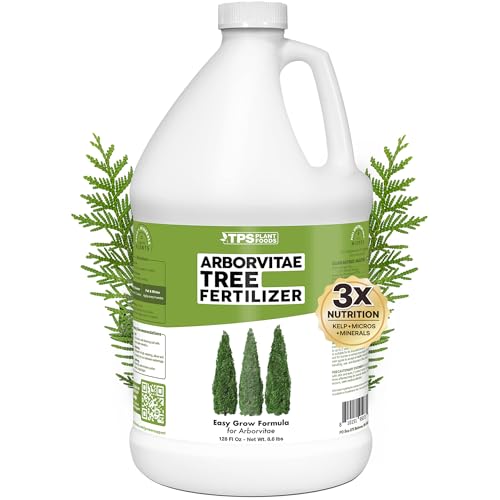
TPS Nutrients Arborvitae Fertilizer 1 Gallon

Farmer’s Secret Citrus Tree Booster 32oz

Miracle-Gro Organic Plant Food 32 fl. oz.

TPS Nutrients Bonsai Fertilizer 8 oz
The Details Behind The Selections
Fertilome’s Tree & Shrub Drench is technically an insect control, but it earns a spot here because the systemic approach, meaning the plant absorbs the active ingredient and carries it throughout its vascular system, solves the exact problem many tree owners face at the start of every growing season. The one-gallon jug is mixed with water and poured at the base, where roots pull it up. Insects like aphids, psyllids, and similar sap-feeders that attack ornamentals get targeted through the plant itself rather than by surface spray.
For most suburban yards, a single application early in spring or early in fall is the entire seasonal commitment. The 12-month coverage claim means you are not committing to a monthly spray calendar, which suits anyone managing more than a handful of trees. It is best applied before infestations take hold, so timing matters more than concentration.
A Few Highlights
- Year-long systemic coverage from a single application
- Liquid concentrate mixes easily for soil-drench delivery
- Targets sap-feeding insects that typically defoliate ornamentals
- One-gallon size handles several medium-sized trees per treatment
Things To Consider
- It is an insecticide, not a nutrient fertilizer, so pairing with a true nutrient feed is necessary for growth
- One annual application window means a missed spring timing reduces season-long benefit
- Owners with pets commonly restrict access to recently treated soil until it absorbs fully
Feature Card
Who It Suits Best
Homeowners managing several ornamental trees who want one annual chore, not a monthly spray routine, will find this fits the bill.
Where Another Pick Suits Better
Tree growers who need visible nutrient feeding, not insect control, should reach for the Farmer’s Secret Citrus Tree Booster instead.
Humboldts Secret Tree Trunk is a different animal from the rest of this roundup. It is a potassium silicate additive, which means it feeds plants silicon and potassium rather than a balanced NPK ratio. Silicon is a structural nutrient; it accumulates in cell walls and produces thicker stalks, stronger branches, and improved tolerance against environmental stress. For tree owners pushing for heavier fruit loads, denser canopies, or simply sturdier young trees, that structural support is the entire point.
Unlike the broad-spectrum Fertilome drench that started our list, Tree Trunk works alongside a regular feeding program. Think of it as a complement rather than a replacement. Hobbyists with established trees looking for measurable vigor gains tend to appreciate the additive approach more than beginners who just want one bottle to handle everything.
What It Does Well
- Reinforces cell walls, leading to thicker stalks and stronger branches
- Supports heavier flower and fruit production without collapse
- Liquid format mixes cleanly into existing feed routines
Trade Offs
- It is an additive, not a complete fertilizer, so a base nutrient program is required
- Silicate benefits build over multiple seasons, not overnight
- First-time users sometimes misjudge the small dose and apply too much at once
Made For
Serious hobbyists with fruiting or flowering trees who already feed on a schedule and want stronger structural growth will find this the right complement.
Consider Something Else When
Beginners seeking a single bottle to handle all tree feeding should consider the Miracle-Gro Organic Plant Food instead.
Palm trees ask for a different nutrient menu than maples or oaks. They crave magnesium and iron to keep fronds deeply green, and standard lawn or shrub fertilizers usually miss those targets. TPS Nutrients’ Palm Tree Fertilizer is built specifically for that need, working across a wide range of palm varieties including the popular majesty palm often kept indoors. The one-gallon liquid format suits growers with several specimens or a landscape planting.
Compare that to the Humboldts Secret additive from earlier; where Tree Trunk focuses on structural silicon, this palm feed concentrates on the color and steady frond development that palms are judged by. Regular application supports root systems that anchor tall, top-heavy specimens through wind and weather. It is a specialty tool for a specialty tree.
Where It Helps
- Magnesium and iron support deeper green frond color
- Works for both indoor majesty palms and landscape plantings
- Liquid format delivers nutrients fast through the root zone
- One-gallon size covers multiple palms across a season
Honest Caveats
- Palms only, this is not a substitute for general tree fertilizer
- Overfeeding palms can scorch fronds, so following the dilution is critical
- Storage in a cool, shaded spot helps the liquid concentrate stay effective longer
Quick Facts
Right Fit For
Palm enthusiasts managing multiple specimens, indoors or out, who want fronds that hold deep color through the growing season.
Look Elsewhere When
Growers with a hedge rather than a palm should look at the TPS Nutrients Arborvitae Fertilizer in the 32 oz size instead.
Arborvitae hedges live or die by foliage density and color. The 32 oz TPS Nutrients Arborvitae Fertilizer targets that specific job with a balanced feed that supports steady growth without the overstimulation that can leave hedges leggy or sparse. The smaller bottle size suits a homeowner with a modest hedge row rather than a long boundary planting.
Where the palm feed from earlier focuses on frond color in tropical specimens, this arborvitae blend keeps evergreen hedges dense through seasonal transitions. Liquid delivery means the nutrients reach the root zone quickly, which matters during the establishment years when young arborvitae are building root mass. It pairs well with mulching for moisture retention.
Everyday Wins
- Balanced nutrition prevents leggy, sparse hedge growth
- Smaller 32 oz size fits modest hedge plantings without waste
- Liquid application reaches roots faster than granular spikes
- Encourages the deep green color arborvitae are prized for
Soft Spots
- Limited to arborvitae and similar hedge species, not general landscaping
- Smaller bottle means more frequent repurchase for large properties
Feature Snapshot
Who Will Love This
Homeowners with a few established arborvitae who want richer green color without stimulating weak, leggy growth.
Skip It When
Growers tending a long boundary hedge will find the 1 Gal TPS Nutrients Arborvitae Fertilizer a better fit for fewer refills.
The one-gallon sibling to the 32 oz arborvitae feed above carries the same balanced formula in a larger container built for serious hedge work. Long property lines, multi-row privacy screens, and commercial landscaping all benefit from bigger volume that does not require constant refilling mid-season. The formula remains gentle on the plants, avoiding the overstimulation that creates woody, hollow growth.
For most backyards, this jug stretches across an entire growing season for a typical residential hedge without breaking a sweat. Compared to the smaller bottle, the value per ounce improves noticeably. It is the same product, just sized for the folks who already know how much they go through.
What Works In Its Favor
- Larger volume reduces refill trips during the growing season
- Same balanced formula as the 32 oz size, gentle on hedge growth
- Better value per ounce for established hedge plantings
Small Caveats
- Heavier jug is harder to handle when full, so a funnel helps during mixing
- More storage space required than the 32 oz option
- Storage area should stay cool; the liquid concentrate degrades faster in heat
Best Suited To
Property owners with substantial arborvitae hedging who measure their feed by the season, not the bottle.
A Better Fit Elsewhere
Someone with only a few small arborvitae will save money starting with the 32 oz TPS Nutrients Arborvitae Fertilizer instead.
Farmer’s Secret Citrus Tree Booster is a super-concentrated formula built for the demanding nature of citrus. Lemons, limes, and oranges pull a heavy nutrient load, especially during fruit production, and they reward a steady weekly feed rather than monthly drenches. The dilution is small: roughly one teaspoon per gallon of water for young trees, doubling to two teaspoons for mature specimens. That little goes a long way.
The 32 oz bottle translates to many weekly feedings across a season. Unlike the systemic Fertilome from earlier, this is a nutrient feed applied along the drip line, where feeder roots actually absorb. Indoor container citrus and outdoor landscape trees both respond well to the consistent schedule. It is professional-grade concentration in a friendly bottle.
Reasons It Performs
- Super-concentrated formula stretches a small bottle across many feedings
- Targets citrus varieties specifically, including lemons, limes, and oranges
- Works for both indoor container trees and outdoor landscape plantings
- Weekly application along the drip line matches citrus feeding rhythm
Points To Keep In Mind
- Weekly commitment is more frequent than monthly tree feeds
- Precise measuring matters because the concentrate is strong
Feature Rundown
Perfect Match For
Citrus growers tending indoor or patio trees who enjoy a steady weekly feeding ritual and want fruit production to follow.
Not Your Match When
Anyone wanting a once-a-month schedule will prefer the systemic approach of the Fertilome Tree & Shrub Drench over a weekly feed.
Miracle-Gro’s Organic Plant Food is the wildcard in this roundup because it serves trees and many other plants at once. Built around plant-based fertilizer ingredients, it sidesteps the synthetic-versus-organic debate for shoppers who want gentle feeding without committing to a single species specialty. The liquid format feeds on contact, so trees respond quickly without the slow-release delay of granular options.
Where the specialty picks earlier target one tree type each, this jug covers whatever the garden throws at it. For most households juggling a few container trees, a hedge, and some flowering shrubs, that flexibility is worth more than a perfectly tuned formula. It is the friendly generalist of the bunch.
The Value In It
- Plant-based organic formula suits mixed garden collections
- Liquid feed delivers nutrients quickly without slow-release delay
- One bottle covers trees, shrubs, containers, and beds
Things To Weigh
- General-purpose formula means it does not target palm, citrus, or hedge specifics
- Application frequency depends on tree response, so monitoring matters
- Bottle should be stored away from direct sunlight to preserve ingredient integrity
Who Should Grab It
Garden households juggling multiple plant types who prefer one versatile organic feed over several specialty bottles.
Reach For A Different Pick When
Citrus specialists will find more tailored nutrition in the Farmer’s Secret Citrus Tree Booster than in a general organic blend.
Bonsai are trees living in miniature, and they demand the gentlest touch of any plant on this list. TPS Nutrients’ Bonsai Fertilizer is an 8 oz liquid formulated specifically to support compact growth without pushing the kind of rapid extension that ruins the carefully sculpted form bonsai keepers spend decades refining. Strong root systems matter even more in a shallow container, where every nutrient counts.
The small bottle reflects the small doses bonsai require. A little goes a remarkably long way, and the gentle formulation avoids the leaf burn that stronger feeds can cause on these delicate specimens. Where the Miracle-Gro Organic Plant Food earlier suits mixed gardens, this is purpose-built for the dedicated hobbyist who treats each bonsai as a long-term project.
A Strong Showing
- Compact-growth formula preserves the sculpted bonsai form
- Supports strong root systems critical to shallow container plantings
- Gentle concentration avoids leaf burn on delicate specimens
Where It Is Less Suited
- Specialty formula does not transfer well to landscape trees
- Small 8 oz bottle requires careful storage to avoid losing potency over time
- Precise dosing is critical because bonsai are sensitive to overfeeding
Built With In Mind
Bonsai hobbyists who maintain miniature trees as long-term artistic projects and want a feed tailored to compact growth.
Another Choice May Suit
Growers managing outdoor landscape trees should look at the Humboldts Secret Tree Trunk additive instead for broader structural support.
What Matters Most Before Choosing Liquid Fertilizers For Trees
Match The Formula To The Species
Palm, citrus, arborvitae, bonsai, and general ornamentals each consume nutrients at different ratios and speeds. A balanced blend is a fine default, but specialty trees reward specialty formulas. Choosing the wrong nutrient profile is the most common reason a feeding routine underperforms.
Decide Between Quick Feed And Long-Term Structure
Some products deliver nutrients fast for visible green-up within days, while others build structural strength over seasons. Quick-feed liquids suit active growers who enjoy frequent hands-on care. Additives like silicate support the longer game and pair with a regular feed rather than replacing it.
Consider Application Frequency And Storage
Liquid fertilizers range from once-a-year drenches to weekly feedings. Honest assessment of how often you want to mix and pour matters more than bottle size. Storage conditions also matter; a cool, shaded spot keeps concentrates potent longer, and heavy jugs need a stable shelf.
Account For Indoor Versus Outdoor Setting
Container and indoor trees dry out faster and absorb nutrients differently than landscape plantings. Specialty indoor-friendly formulas exist for citrus, palms, and bonsai because their root zones behave unlike outdoor soil. Picking a feed that matches your setting avoids the runoff waste common with mismatched applications.
Key Considerations Across These Picks
Common Shopping Slip Ups
The most frequent mistake in this category is reaching for an all-purpose lawn or vegetable fertilizer and expecting it to cover tree species. Trees, especially palms, citrus, and arborvitae, have distinct nutrient gaps that general blends leave unfilled. The second mistake is misjudging concentration. Liquid tree feeds range from gentle weekly dilutions to powerful one-shot drenches, and treating one like the other leads to either waste or damage.
What The Higher Tier Buys
Premium liquid feeds earn their tier through ingredient sourcing, concentration ratios, and species-specific tuning. You are paying for a formula designed around how a particular tree actually feeds, not just a generic blend in a nicer bottle. For growers committed to a single species, like citrus collectors or bonsai artists, that specificity translates to measurably better results across seasons.
Frequently Asked Questions
How often should liquid fertilizer be applied to trees?
Most liquid tree fertilizers are applied every 7 to 14 days during the active growing season, though specialty formulas like systemic drenches work on a once-per-year schedule. The honest read is that frequency depends on the product concentration and tree species, so the label rate beats any generic guideline.
Can liquid fertilizer replace granular feeding entirely?
Liquid feeding works well as a standalone program for trees because nutrients reach roots directly without needing soil bacterial breakdown. Granular slow-release options complement liquids for gardeners who want a wider feeding margin, but liquids alone are a complete solution for most tree species.
Is liquid fertilizer safe for indoor trees like citrus and palms?
Yes, as long as dilution rates match the label and applications happen during active growth. Indoor container trees typically need lower concentrations than outdoor landscape plantings because their root zones are smaller and water carries nutrients differently.
What is the difference between a fertilizer and a systemic insecticide drench?
Fertilizers deliver nutrients like nitrogen, potassium, and magnesium to support growth. Systemic insecticide drenches carry pest-control chemistry through the plant’s vascular system to protect against sap-feeding insects. They solve different problems and are often used together rather than as substitutes.
Do young and mature trees need different fertilizer amounts?
Mature trees consume more total nutrients because they support larger canopies and heavier fruit loads, while young trees need gentler concentrations to avoid root burn. Most product labels include separate dilution guidance for first-season versus established trees, and following that distinction is more useful than guessing based on size alone.
Closing Remarks
Tree feeding rewards patience more than enthusiasm. Choosing a liquid fertilizer matched to your species, applying it on a schedule you can realistically maintain, and storing the concentrate properly will outperform a fancier bottle used inconsistently. Whether you tend a single patio citrus, a long arborvitae hedge, or a mixed garden with palms and ornamentals, the right liquid feed turns routine watering into the most reliable growth investment you can make all season.
