

A good pair of long handle pruning shears turns a frustrating afternoon of wrestling with overgrown branches into a quick, satisfying job. Whether you’re reaching into a tangled hedge, clearing deadwood from a small orchard, or tidying ornamental shrubs around the patio, the right tool saves your shoulders and your knuckles. This lineup covers telescopic hedge shears, heavy-duty loppers, and extendable pole pruners built for real backyard work. Each pick below is matched to a specific kind of trimming, so you can find the right balance of reach, cutting power, and weight for your own garden.
The Leading Options At A Glance

Kimura Pro Telescopic Garden Shears (25″–34″)

YRTSH Loppers for Tree Trimming Heavy Duty Branch Cutter
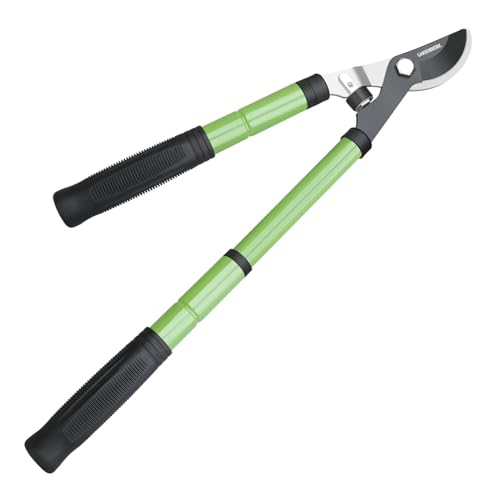
GARDENWORK Loppers for Tree Trimmer with SK5 Blade

GARTOL Telescopic Pole Pruner (3.67–5.45 FT)
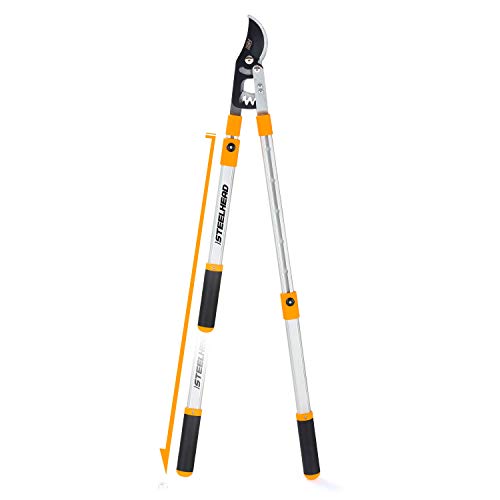
STEELHEAD 27–40″ Gear-Bypass Limb & Branch Lopper

Fiskars 23″ Power-Lever Hedge Shears
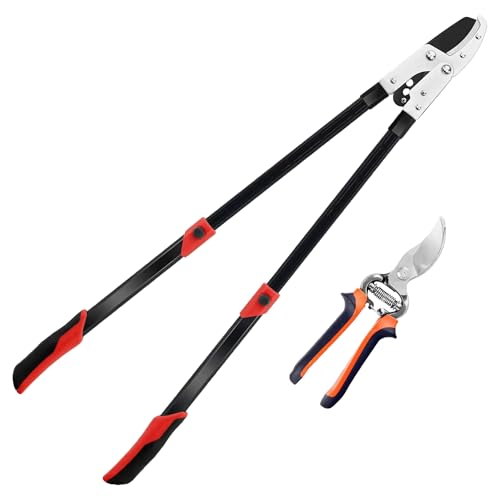
YRTSH Loppers Branch Cutter with Compound Action

Suchtale 10FT Pole Tree Pruner with Saw
Meet The Standout Selections
Telescopic hedge shears earn their keep in gardens with tall, established hedges that need top-down shaping, and the Kimura Pro leans into that role with confidence. The handles extend from 25 to 34 inches, which means you can trim the face of a six-foot hedge without dragging a ladder out of the shed. Compared to the Fiskars Power-Lever pick below, this design adds an extra few inches of reach and a geared mechanism that multiplies the force of every squeeze.
The aluminum shafts keep the weight manageable during longer sessions, and the Japanese SK5 steel cutting edges are hardened for cleaner slices through woody stems. For most backyards, that combination handles everything from privet and boxwood to thicker laurel growth.
Notable Gains
- Extendable reach from 25 to 34 inches reduces ladder time on tall hedges
- Geared mechanism multiplies hand force, easing fatigue on dense growth
- SK5 steel edges hold their sharpness through repeated use
- Aluminum construction keeps the tool light enough for overhead trimming
Things To Consider
- Best suited to hedge shaping rather than thick branch removal
- Locking collars on telescoping shafts can collect grit and need occasional cleaning
Who It Suits Best
Homeowners with established hedges who want fewer ladder trips and smoother shaping across long runs.
A Better Fit Elsewhere
For heavy branch work above head height, the Suchtale 10FT Pole Tree Pruner with Saw reaches much higher into the canopy.
When branches push past hedge-shears territory, a set of compound-action loppers like the YRTSH makes short work of limbs up to 1.6 inches across. Compound action refers to a multi-pivot linkage that boosts cutting force, so a moderate squeeze delivers the power of a much harder grip. Against the Kimura pick above, this tool trades reach and finesse for raw cutting strength.
The low-friction coating on the steel blade helps the cut glide through green or dried wood without grabbing. You may find this particularly handy during seasonal cleanup after storms, when live and dead branches are mixed in the same pile.
Noteworthy Benefits
- Compound-action linkage multiplies hand force for tough cuts
- 1.6-inch capacity covers most small-tree and shrub pruning tasks
- Low-friction coating reduces sticking on sap-heavy wood
- Suited to both live growth and dry, dead limbs
Honest Caveats
- Fixed-length handles limit reach compared to telescoping picks
- Coated blade benefits from a wipe-down after wet pruning sessions to prevent rust at the edge
Made For
Suburban gardeners clearing overgrown fruit trees, woody shrubs, and storm-damaged limbs in a single afternoon.
Swap It Out When
Reach matters more than capacity, so step up to the STEELHEAD 27–40″ Gear-Bypass Limb & Branch Lopper for taller, hard-to-reach limbs.
The GARDENWORK loppers slot into the middle of the list by offering a useful trait the fixed-length YRTSH above can’t match: an adjustable handle range from 16 to 24 inches. That kind of range lets one tool cover low ground-level pruning and higher cuts on young trees without swapping gear. The telescoping design feels practical when you bounce between tasks in different parts of the yard.
The cutting head uses SK5 carbon steel with a Teflon coating, which helps resist corrosion through damp seasons. For most backyards with mixed hedge and tree work, that blend of reach flexibility and corrosion resistance hits a sensible middle ground.
Advantages To Know
- Adjustable 16 to 24 inch reach covers varied pruning heights
- SK5 carbon steel blade stays sharp through regular use
- Teflon coating resists rust and sap buildup
- Single tool handles low shrubs and taller branches alike
Points To Keep In Mind
- Cutting capacity is narrower than the heavier YRTSH model above
- Adjustment collars should be checked periodically, since grit can work into the locking mechanism
Best Suited To
Gardeners juggling mixed pruning tasks, where one adjustable tool beats carrying two separate pairs.
Look Elsewhere When
You mostly reach above eight feet, where the Suchtale 10FT Pole Tree Pruner with Saw gives true overhead reach.
The GARTOL pole pruner takes a different angle from the loppers above by leaning into precision rather than raw power. The aluminum shaft telescopes from roughly 3.67 to 5.45 feet, and the cutting head rotates, which is genuinely useful when you’re threading between roses or fruit bushes. Where the heavier loppers are built for clearing, this one is built for selective cuts in tight spaces.
The light aluminum construction reduces arm fatigue during long detail-pruning sessions on the patio or in a kitchen-garden bed. For gardeners who do more nipping and shaping than bulk removal, the rotating head feels like the right tool.
The Value In It
- Rotating blade head angles into awkward spots without repositioning the whole pole
- Aluminum shaft keeps weight low for extended overhead work
- Compact length stores easily in a shed or garage corner
A Few Limitations
- Smaller cutting capacity than the loppers above; best on thinner branches
- Shorter overall reach means a ladder is still needed for very tall work
Right Fit For
Growers tending fruit trees, flowering shrubs, and bramble patches who want selective cuts in cramped beds.
Another Choice May Suit
For pure hedge shaping, the Fiskars 23″ Power-Lever Hedge Shears deliver a smoother, more controlled cut along flat hedge faces.
The STEELHEAD lopper sits at the heavier-duty end of this roundup. The telescoping handles run from 27 to 40 inches, which gives meaningful leverage over higher cuts, and the compound-ratcheting gear-bypass jaw triples cutting force. The “ratcheting” mechanism means the cut advances in stages, so you don’t have to overpower the branch in a single squeeze.
The DuraGrip overmold handles reduce slippage in damp conditions and help absorb the shock that travels up to your wrists and shoulders. For serious restoration work on mature shrubs or neglected trees, this tool earns its place.
Useful Strengths
- Compound-ratcheting jaw multiplies cutting force for stubborn limbs
- Tool-less telescoping arms extend to 40 inches for added leverage
- DuraGrip overmold handles absorb shock and stay secure when wet
- High-carbon steel blade with non-stick coating resists sap and corrosion
- Engineered for season-after-season outdoor storage
Points To Note
- Heavier than fixed-length loppers, so longer sessions tire forearms faster
- Tool-less adjustment locks should be checked before each use to avoid mid-cut slippage
Who Will Love This
Homeowners dealing with mature, overgrown yards or restoring long-neglected shrubs that resist regular shears.
Where A Sibling Pick Shines
For shaping a tidy hedge face, the Fiskars 23″ Power-Lever Hedge Shears are lighter and easier to control on flat, even surfaces.
Fiskars has been a recognizable name in garden cutting tools for years, and the 23-inch Power-Lever model covers the everyday hedge-trimming job well. The compound-lever design adds cutting power without the bulk of a geared mechanism, and one of the hardened steel blades features a serrated edge that grips stems mid-cut. The self-sharpening geometry keeps the edge usable longer between maintenance sessions.
Compared to the telescoping Kimura pick at the top of this list, the Fiskars trades reach for a lighter, more compact feel. You may find that on a small urban yard, where hedges rarely exceed shoulder height, that trade works in your favor.
Bright Spots
- Power-Lever compound linkage boosts cutting force without extra weight
- Hardened steel blades with one serrated edge grip stems while cutting
- Self-sharpening design reduces the need for routine blade maintenance
- Compact 23-inch length stores neatly on a wall hook
Trade Offs
- Fixed handle length means tall hedges still call for a ladder
- Not designed for thick branch removal, where loppers do better
Built With In Mind
Routine hedge maintenance in smaller yards where reach matters less than easy, controlled shaping.
Reach For A Different Pick When
You need to clear thick woody growth, where the YRTSH Loppers for Tree Trimming Heavy Duty Branch Cutter handles up to 1.6-inch limbs.
The second YRTSH entry in this roundup uses the same compound-action approach as the earlier heavy-duty model but with an alloy steel blade and a low-friction Teflon-style coating. The coating helps the blade glide through green wood without dragging, which is helpful when you’re pruning live growth that tends to gum up untreated edges. In most backyards with mixed material, that matters more than people expect.
It’s a sensible companion tool to the heavier YRTSH lopper earlier in this list, particularly if you prune both living and dead wood throughout the season.
What It Does Well
- Compound-action linkage delivers strong cuts without crushing the stem
- Alloy steel blade with low-friction coating handles green and dry branches
- Coated surface reduces sap sticking during longer sessions
Things To Consider
- Fixed handle length means stooping for low growth
- Coating can wear over years of heavy use, exposing steel that needs wiping
Whose Shelf It Belongs On
Gardeners managing a mix of shrubs and small trees where versatility matters more than maximum reach.
Consider Something Else When
You mostly prune overhead, where the STEELHEAD 27–40″ Gear-Bypass Limb & Branch Lopper gives both reach and ratcheting power.
The Suchtale pole pruner closes the list by solving the problem the others can’t: branches well above your head. With roughly 10 feet of working length and a pull-rope cutting head plus an integrated saw blade, it handles both routine pruning and the occasional thicker limb without dragging out extension ladders. The 65Mn steel pruning blade addresses branches up to roughly 1.2 inches across.
The saw function matters more than it might seem. When a branch exceeds the shear capacity, you can flip to the saw without lowering the pole, which saves real time during orchard or mature-tree work. You may find the rope mechanism takes a few attempts to master, but the reach advantage is worth the learning curve.
Positive Takeaways
- Ten-foot reach clears high branches without a ladder
- Pull-rope pruning plus integrated saw covers two cutting needs in one tool
- 65Mn steel blade handles up to 1.2-inch limbs in the pruning head
- Useful in orchards, yards, and tall ornamental tree work
Practical Considerations
- Longer pole is harder to maneuver in tight, leafy canopies
- Rope and pulley benefit from occasional inspection, since wear can affect cutting response over time
Perfect Match For
Homeowners with mature shade trees or small orchards where overhead pruning is a regular seasonal task.
Not Your Match When
Most of your pruning happens at chest height or below, where the GARTOL Telescopic Pole Pruner offers more control in a shorter package.
What To Weigh Before Choosing Your Cutting Tool
Match The Tool To The Job
The first real decision is what you’ll cut most often. Hedge shaping, branch removal, and overhead pruning each favor different designs. Telescopic hedge shears like the Kimura Pro or Fiskars Power-Lever models deliver the cleanest results on flat hedge faces. Bypass loppers with compound action, such as the YRTSH picks, are designed to bite cleanly through live wood without crushing the cambium layer just under the bark, which matters when you’re pruning for plant health. Pole pruners and pole saws handle what you can’t reach from the ground.
Reach Versus Weight
Every added inch of reach adds leverage, but also adds weight and swing arc. For most home gardeners, a tool between 23 and 40 inches covers the bulk of yard work without exhausting the user. If your pruning often involves overhead cuts, lean toward lighter aluminum shafts to spare your shoulders.
Blade Material And Coating
SK5 carbon steel and high-carbon alloys are common in this category because they hold an edge through repeated sessions. A non-stick or Teflon-style coating reduces sap sticking, which in turn makes cleanup faster and slows corrosion at the cutting edge. Wipe the blade after damp use regardless of coating, since any steel will oxidize given enough time.
Comfort And Fit
Handle grip diameter, overmold texture, and shock absorption matter more during longer sessions than people expect. The STEELHEAD pick highlights DuraGrip overmold handles and shock-absorbing geometry specifically because wrist and shoulder fatigue add up quickly. Try to match the handle width to your grip, especially if multiple household members share the tool.
Key Considerations Across These Picks
Pitfalls Shoppers Hit
The most common misstep is choosing by reach alone. A 10-foot pole pruner sounds appealing until you realize most of your work happens at chest height, where it becomes awkward and heavy. The reverse mistake is grabbing a compact hedge shear and expecting it to chew through 1.5-inch limbs. Reading the listed cutting capacity and matching it to the typical branch size in your yard saves frustration and returns.
Where The Extra Money Goes
Stepping up to a geared or ratcheting model usually means a stronger linkage, harder blade steel, and more thoughtful handle ergonomics. For occasional light trimming, the basic picks handle the job well. For homeowners restoring an overgrown yard or maintaining mature trees, the upgrade to a gear-bypass or ratcheting design pays off in fewer hand injuries and faster cleanups over the life of the tool.
Frequently Asked Questions
What is the difference between hedge shears and loppers?
Hedge shears use two long blades that scissor past each other to trim many small stems across a wide face. Loppers use shorter, thicker blades with more leverage to cut through individual branches up to roughly two inches thick.
How do I keep my pruning blades from rusting?
Wipe blades dry after each session, especially after cutting wet or sappy wood. A thin coat of light oil on the cutting edge before storage slows corrosion in damp sheds.
Can telescopic handles support heavy overhead use?
Most telescoping shafts are built for typical pruning loads. For very heavy or extended overhead work, lock the extension fully and inspect the locking collars before each session to confirm a secure fit.
How often should I sharpen garden shears?
Light hone after every few sessions keeps the edge keen. A full sharpening once or twice a season, depending on use, restores the factory edge on most SK5 or high-carbon steel blades.
What is compound action on a lopper?
Compound action uses an extra pivot or lever between the handles and the blade, multiplying the force your hands apply. The result is a cleaner cut with less squeezing effort, which is useful on thicker or harder branches.
Closing Remarks
The right long handle pruning shears come down to matching the tool to the branches you actually face. Tall hedges call for telescoping reach, thick limbs call for compound-action leverage, and overhead work calls for a pole pruner or saw. Take a walk through your yard before you choose, note the typical branch thickness and height, and pick the design that lines up with the real workload.
