

A neglected yard has a way of announcing itself in midsummer: one weekend you can suddenly see through the hedge, and the next you’re wrestling a tangle of branches with whatever’s lying in the shed. Lopper pruners close that gap, letting you trim back woody growth, shape shrubs, and clear storm damage without calling for backup. The right pair depends on your grip, your reach, and how thick the branches actually get in your part of town.
How The Shortlist Stacks Up

YRTSH Loppers, Hedge Shears & Pruners Combo Set
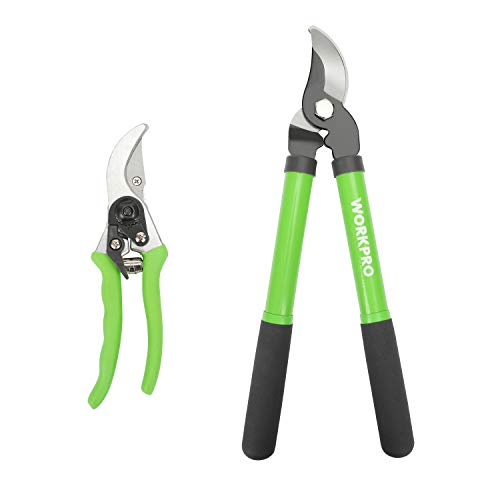
WORKPRO W151010 Limb and Branch Pruner Tool Set

Fiskars 18″ PowerGear2 Garden Bypass Loppers

YRTSH Loppers for Tree Trimming Heavy Duty Branch Cutter

Corona Tools 33″ Bypass Loppers
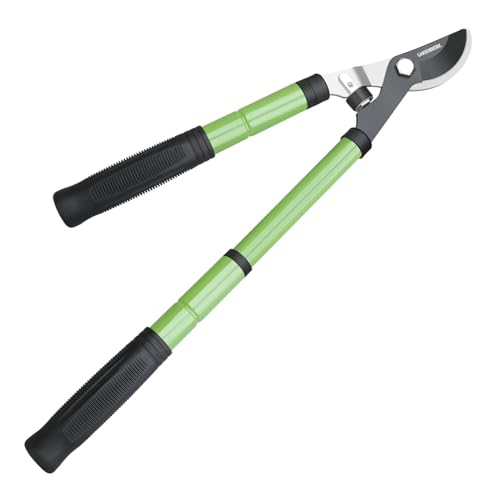
GARDENWORK Loppers with SK5 Carbon Steel Blade

Anttctig Electric Pruning Shears

GARTOL Telescopic Pole Pruner
Taking A Closer Look At The Options
Starting a small garden from scratch usually means three separate tool purchases before you even touch a stem. This YRTSH combo set bundles the basics into a single box: a 26-inch compound-action lopper, a 23-inch hedge shear, and an 8-inch pruning shear, all built around alloy-steel blades with a low-friction coating. In a typical suburban lot with a few foundation shrubs and one stubborn fruit tree, that lineup covers nearly every cut you’d face in a Saturday morning.
For newcomers to pruning, the biggest win is having the right shape on hand without guessing. A compound-action mechanism adds a second pivot point that multiplies hand force, so thicker wood goes through with less squeeze. The trade-off is that none of these tools is a heavyweight specialist, and very mature hardwood may push past their comfort zone.
Strong Points
- Three cutting tools in a single order, so you start with a complete kit.
- Compound-action loppers amplify hand force for thicker branches.
- Low-friction blade coating helps wood glide instead of catching.
- Mix of lengths covers ground-level cuts and higher hedge work.
Things To Consider
- General-purpose build, so a single specialist tool will out-cut it on its strong suit.
- Coated blades benefit from a wipe-down after use to delay surface wear.
Key Specs
Who It Suits Best
First-time homeowners or anyone restarting a neglected yard who wants every essential blade in one order.
Where Another Pick Suits Better
Homeowners wrestling thick, mature tree limbs get more headroom from the YRTSH Loppers for Tree Trimming Heavy Duty Branch Cutter further down this list.
Compared to the combo set above, WORKPRO narrows the focus to a duo: a bypass hand pruner for detail work and a longer lopper for bigger limbs. The whole package feels deliberately lighter, which matters for anyone with a small yard who only needs two real tools rather than three. Heat-treated blades in both pieces handle routine garden cuts without much fuss.
Shops that do a moderate amount of seasonal trimming appreciate the easy-grip handles during long reaches. The real-world story is steady, dependable cutting on living growth, with the lopper stepping in for anything too thick for the hand pruner. Owners commonly find that the lightweight build reduces arm fatigue over an hour of yard work.
What It Does Well
- Pairs one hand pruner with one lopper for focused, two-tool coverage.
- Heat-treated blades aim for longer edge life on green wood.
- Light overall weight keeps fatigue manageable on longer sessions.
Worth Noting
- Only two tools in the set, so hedge shaping needs a separate shear.
- Lightweight build trades some rigidity for comfort, which you may feel on dense growth.
Made For
Homeowners with modest yards who mainly prune flowers, roses, and small-to-medium limbs.
Consider Something Else When
Garden enthusiasts who also want hedge-shaping built into their kit should look at the YRTSH Loppers, Hedge Shears & Pruners Combo Set reviewed above.
PowerGear2 is Fiskars’ geared-lopper mechanism, and on the page it promises what most gardeners actually want: more cutting force without bigger arms. The 18-inch handles stay compact enough for tight spots around foundation plantings, while fully hardened stainless steel bypass blades claim up to 1.5 inches of branch capacity. Living growth is the use case here, since bypass blades slice cleanly rather than crushing.
Long sessions suit this tool, because the gear train spreads effort across the handle stroke. You may find that the replaceable-blade design adds genuine long-term value once the original edge finally dulls, since you’re not tossing the whole tool. Compared to the WORKPRO duo above, this is a single-purpose specialist rather than a kit.
The Helpful Details
- Geared mechanism increases force without demanding a stronger grip.
- Bypass blades make cleaner cuts on live wood for healthier regrowth.
- Replaceable blades extend the working life of the tool.
- Compact 18-inch handle fits in tighter garden spaces.
Trade Offs
- Bypass design favors live wood, so dead hardwood benefits from a ratcheting alternative.
- Specialist build means no matching hand pruner in the box.
Best Suited To
Gardeners with recurring pruning chores who want one strong bypass lopper for clean cuts on living branches.
Skip It When
Anyone who also needs a companion hand pruner in one purchase may prefer the WORKPRO W151010 Limb and Branch Pruner Tool Set for a bundled approach.
Where the Fiskars above leans on geared finesse, this YRTSH lopper swings the other way: brute-force cutting through thicker wood. A compound-action head is paired with a low-friction coated steel blade, rated at roughly 1.6 inches of branch capacity on the source listing. Live branches and dry wood both fall into its working range, which broadens seasonal use well past spring cleanup.
Storm-damage cleanup is the realistic scenario where this tool earns its keep, since fallen limbs tend to be thicker than the polite growth inside a maintained hedge. The honest read is that extra cutting power comes with extra weight in the handles. Older gardeners or anyone with joint sensitivity may feel the difference by the end of a long afternoon.
What Pays Off
- Compound-action design multiplies hand force on thick cuts.
- 1.6-inch capacity handles growth that defeats lighter loppers.
- Works on both live and dry wood for year-round usefulness.
- Coated blade surface reduces binding during long cuts.
Minor Gripes
- Heavier head adds hand fatigue during extended overhead use.
- Cutting power exceeds what small ornamental shrubs actually need.
Key Specs
Who Should Grab It
Homeowners clearing storm debris, overgrown volunteer trees, or dense woodlots where leverage matters more than precision.
Look Elsewhere When
Reaching into tall canopies is the priority, in which case the GARTOL Telescopic Pole Pruner further down this list is a smarter fit.
Long-handled loppers open up a different kind of work, and Corona’s 33-inch bypass design points straight at it. The DualLINK MAXFORGED cutting head is built around a compound-leverage linkage, giving the tool more bite at the moment the blade meets wood. For homeowners with mature trees and landscapers handling regular pruning contracts, that reach-plus-power combination is the appeal.
Up to 2 inches of branch capacity puts this ahead of most residential loppers on the list. The trade-off shows up in storage: 33 inches of handle takes up shed space, and the longer lever takes more shoulder effort to open fully. You may find the bypass geometry best suited to live growth rather than dead hardwood.
Real-World Strengths
- Long 33-inch handle adds reach into higher canopy cuts.
- Compound linkage increases force at the cutting head.
- Up to 2-inch capacity for thicker, more mature branches.
- Bypass geometry favors clean cuts on living wood.
Points To Keep In Mind
- Long handles require more shoulder travel on each cut.
- Bypass design favors live wood, not dried-out deadwood.
Quick Facts
Who Will Love This
Serious gardeners, landscapers, and homeowners with mature trees who want reach plus real cutting capacity in one tool.
A Better Fit Elsewhere
Anyone pruning purely overhead should consider the GARTOL Telescopic Pole Pruner instead, since a fixed-length handle still needs a ladder.
Versatility is the headline here, because GARDENWORK designed the handle to slide between 16 and 24 inches. That range means the same tool tackles low foundation cuts and higher branches without a ladder, so you swap reach for reach instead of buying two loppers. SK5 carbon steel is the blade material of choice for many higher-end pruners, and a Teflon coating adds corrosion resistance.
Shed-keepers appreciate the collapse-to-16-inch length, since storage in tight corners gets easier when the tool shrinks. The catch is that telescoping mechanisms introduce moving parts, which deserve a wipe-down and occasional tightening over time. You may find the locking collars less refined than premium alternatives, but they hold position under normal cutting loads.
Key Advantages
- Adjustable 16 to 24-inch reach for varied cutting heights.
- SK5 carbon steel blade holds an edge well.
- Teflon coating helps resist rust through damp seasons.
- One tool replaces multiple fixed-length loppers.
Honest Caveats
- Telescoping mechanism adds maintenance points versus a fixed handle.
- Collars may loosen after heavy use and need periodic retightening.
Spec Overview
The Right Fit
Gardeners juggling ground-level shrubs and overhead branches who want one adjustable tool to cover both jobs.
Reach For A Different Pick When
Truly tall canopy work above 8 feet is better handled by the GARTOL Telescopic Pole Pruner, which extends much higher.
Battery-powered pruners change the math for anyone whose hands give out before the work does. Anttctig’s cordless design pairs an upgraded 600W motor with roughly 2.36 inches of jaw opening, slicing through branches that would normally call for a hand lopper. Two batteries ship in the box along with spare blades, so a long pruning day can keep moving once the first pack runs dry.
Older gardeners, anyone with arthritis, or commercial crews covering dozens of cuts per hour get the most out of this category. The catch shows up in charging routine and the need to keep the spare blade accessible. You may find the tool heavier than a manual hand pruner, but the trade comes out in your favor once fatigue would have stopped you.
Useful Highlights
- Cordless cutting power reduces hand strain on long jobs.
- Two batteries keep the workday moving without long breaks.
- Spare blade included for when the cutting edge dulls.
- Larger jaw opening handles thicker wood than manual pruners.
Small Caveats
- Heavier than a manual hand pruner, so small detail work feels clunky.
- Battery and charger add storage and maintenance overhead.
Feature Snapshot
Built With In Mind
Anyone facing hand fatigue, joint sensitivity, or large-scale pruning projects who wants electric assistance rather than manual force.
Swap It Out When
Quick snips on a few rose stems call for a simple hand pruner like the WORKPRO W151010 Limb and Branch Pruner Tool Set instead.
Tree work above arm’s reach is where standard loppers quit helping too, and GARTOL’s telescopic pole pruner is built for that exact job. An aluminum handle extends up to roughly 7.87 to 13.78 feet in the source data, while a rotating blade head angles the cut so you can position the cut from below. A fruit-picker basket adds value for orchards or anyone harvesting from tall trees.
Pruning overhead carries more risk than working at waist height, so the lightweight aluminum helps keep the pole manageable. The cut capacity, near 1 inch, suits thin branches rather than thick limbs. You may find that very dense hardwood is better left to a chainsaw, while routine shaping and fruit access is exactly where this pole shines.
A Favorable Mix
- Extends overhead for tall canopy work without a ladder.
- Rotating blade head angles cuts for awkward branches.
- Lightweight aluminum keeps the pole manageable.
- Fruit-picker attachment adds orchard usefulness.
Where It May Fall Short
- Cut capacity tops out near 1 inch, so thick limbs are out of reach.
- Long pole takes up more shed space than a hand lopper.
Perfect Match For
Homeowners with tall ornamental trees, fruit trees, or storm-damaged branches hanging above head height.
Not Your Match When
Ground-level pruning of shrubs and hedges is better served by the YRTSH Loppers, Hedge Shears & Pruners Combo Set covered earlier.
What To Weigh Before Picking Lopper Pruners
Branch diameter is the first number to pin down, because a 1-inch capacity tool feels completely different from a 2-inch specialist. Walk your yard and look at the thickest woody growth you realistically need to cut, then match that to the listed cut capacity on the box.
Handle length shapes how the tool feels in use. Compact 18-inch loppers fit tight spaces and stay light, while 30-plus-inch handles reach higher and add leverage. Telescoping poles climb overhead but add bulk to storage.
Bypass versus anvil matters too. Bypass blades work like scissors and cut cleanly through living wood, which is healthier for the plant. Anvil designs crush against a flat surface, so they handle dead wood better but can bruise live growth.
Finally, think about ergonomics and weight. A heavy tool with sharp blades still wears out your hands if the grips don’t fit well, and a tool that fights your grip ends up unused in the shed. Match the build to your strength and the volume of cuts you actually face each season.
Key Considerations Across These Picks
Where Shoppers Go Wrong
The most common slip is buying for the wrong branch size. Many shoppers choose a 2-inch capacity lopper for thin ornamental work, only to find the heavier head wears them out before they finish. Match capacity to the realistic wood in your yard, not the maximum you might face in a storm.
Another pitfall is ignoring handle length. A long-handled model feels powerful in the store but becomes unwieldy in tight garden corners or on tall ladders. Consider where you’ll actually use the tool before committing.
When Paying More Pays Off
Premium loppers usually justify their cost through better blade steel, replaceable edges, and refined gearing. For homeowners pruning weekly through the season, those upgrades translate into less hand fatigue and longer tool life.
Budget picks make sense for occasional tidy-ups, but anyone managing a mature landscape gets a real return from forged heads and compound-action leverage. The honest read is that spending up pays off when the tool sees regular use, not when it sits in a shed most of the year.
Frequently Asked Questions
What cut capacity do most homeowners need?
Most residential pruning involves branches between half an inch and 1.5 inches, so a tool rated for at least 1 inch handles routine tidy-ups comfortably.
Are bypass or anvil loppers better?
Bypass designs slice cleanly through live wood, while anvil tools crush against a flat surface and suit dead growth better. Live branches recover faster from bypass cuts.
How do telescoping handles hold up over time?
Telescoping mechanisms rely on locking collars that can loosen after heavy use, so periodic tightening keeps them secure. Owners commonly find that wiping the sections clean extends their smooth operation.
Is a cordless pruner worth the extra weight?
Cordless pruners earn their keep on large projects or for anyone with limited hand strength, since they remove the squeezing effort. Smaller gardens rarely justify the bulk and charging routine.
How should I store lopper pruners between uses?
A dry shed or garage corner keeps moisture off the blades, and a light oil wipe before storage helps prevent surface rust on steel heads. Hanging them up also protects the cutting edges from contact damage.
Closing Thoughts
The right pair of lopper pruners quietly changes how a yard feels at the end of a weekend. Match the tool to the branches you actually face, lean into bypass designs for live growth, and don’t underestimate the value of a comfortable grip. Your shed, and your hands, will both thank you.
