

Dead branches, overgrown shrubs, and thick limbs turn a quick tidy-up into a sweaty chore when your gear falls short. The right lopping shears slice through the work cleanly, so you spend less energy and finish faster. This roundup walks you through eight capable options, covering bypass geometry, ratcheting action, telescoping reach, and the small details that decide which pair fits your yard, your grip strength, and your weekend plans.
How The Shortlist Stacks Up

Fiskars 18” PowerGear2 Garden Bypass Loppers

YRTSH Loppers Heavy Duty Branch Cutter
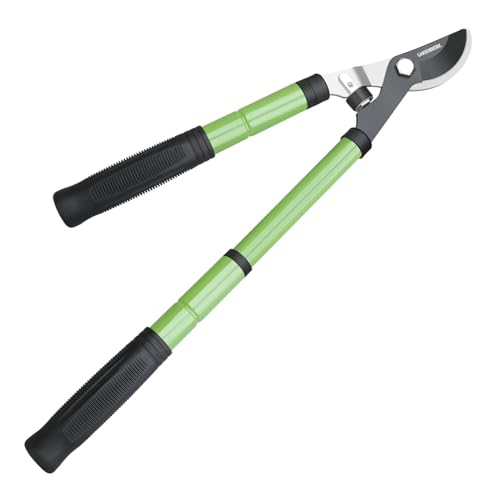
GARDENWORK Loppers with SK5 Carbon Steel Blade

GARTOL Extendable Loppers 28–41″ Telescopic
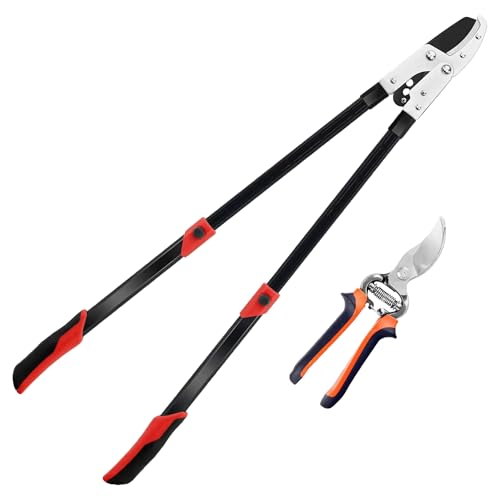
YRTSH Loppers Branch Cutter Compound Action

Fiskars 25” PowerGear2 Bypass Loppers

FELCO F211-50 Swiss Made Loppers

Kings County Tools Loppers 26–40″ Handles
A Closer Look At Each Pick
The Fiskars PowerGear2 sits at the top because its geared mechanism multiplies hand force near the end of the cut, right where bypass blades normally bind. For typical yard cleanup on fruit trees, roses, and ornamental shrubs, that mechanical advantage means fewer second attempts and noticeably less forearm fatigue over a long afternoon.
Eighteen inches of reach hits a sweet spot for most gardeners. You can extend into mid-canopy without dragging out a ladder, yet the tool stays compact enough to maneuver between closely spaced branches. The replaceable stainless-steel cutting head is a quiet long-term win because a fresh blade restores factory performance instead of retiring the whole tool.
Why It Works Well
- Geared leverage trims effort on cuts near the 1.5″ limit
- Compact 18″ length handles tight canopy work
- Replaceable blade extends the tool’s working life
- Coated bypass steel resists sap buildup during green cuts
Worth Noting
- Fixed-length handles leave higher limbs out of reach
- Bypass geometry suits living wood more than dried deadwood
Key Specs
Who It Suits Best
Homeowners managing small to medium trees and shrubs who want reliable all-around performance without specialized reach.
Look Elsewhere When
Tall overhead branches are the focus; the FELCO F211-50 offers comparable precision in a lighter Swiss-built package for detail work, while the GARTOL Extendable Loppers reach further when height matters most.
Compound-action geometry is the headline feature here: a second pivot adds mechanical stage to the cut, multiplying your hand force and making thicker branches far less of an arm workout. For gardeners clearing neglected sections where growth has hardened off, that extra stage is the difference between a clean cut and a partial chop that tears bark.
The 1.6-inch capacity edges past the Fiskars PowerGear2 above, giving you room for the occasional thicker limb. A low-friction coating on the steel blade helps the jaw glide rather than grab, which keeps cuts smoother and the tool easier to wipe down after a session.
What Makes Sense
- Compound action amplifies hand force on tough cuts
- 1.6″ capacity handles slightly thicker branches
- Low-friction coating reduces sticking in sap
- Handles both fresh and dry wood reliably
Trade Offs
- Heavier than single-pivot bypass designs
- Compound linkage adds parts that benefit from occasional inspection
- Fixed reach limits tall overhead work
Made For
Gardeners tackling thicker branches and older, woodier growth where compound leverage pays for itself in fewer grip adjustments.
Reach For A Different Pick When
Overhead pruning is the main job; the GARTOL Extendable Loppers’ telescoping 28–41″ reach will serve you better than a fixed-length tool.
GARDENWORK’s standout move is the 16–24 inch adjustable handle range, which lets you shorten for close-quarters snipping and lengthen out for ground-level cuts. SK5 carbon steel is a familiar favorite in professional pruners because it holds an edge well, and the Teflon surface coating helps the blade resist rust through damp seasons.
Compared with the YRTSH compound-action model, this is a simpler bypass design without the extra pivot stage. The trade is meaningful: lighter swing weight and easier handling for one-handed cuts on smaller branches, with the reach adjustment standing in for raw cutting power.
Reasons It Performs
- Adjustable 16–24″ handle range adapts to the job
- SK5 carbon steel blade holds its edge well
- Teflon coating slows rust in damp storage conditions
- Lighter feel suits one-handed trimming sessions
Honest Caveats
- Bypass geometry favors green wood over dried deadwood
- Maximum reach falls short of true telescoping loppers
Feature Snapshot
Best Suited To
Gardeners who trim at mixed heights in the same session and value a lighter tool over maximum cutting force.
A Better Fit Elsewhere
You regularly work at full arm-extension height; the GARTOL Extendable Loppers reach farther when a ladder feels like overkill.
GARTOL targets a different pain point: getting up into the canopy without dragging out a ladder. The telescoping handle extends from 28 to 41 inches, and the double-ratcheting mechanism lets you finish a cut in stages rather than one continuous squeeze, which matters when the branch is at full extension and your leverage is compromised.
Unlike the bypass-focused picks above, this is an anvil lopper, meaning one straight blade closes onto a flat surface. Anvil geometry shines on dead, dry wood where the fibers crush rather than slice, and the two-inch capacity rating reflects that orientation. The aluminum handles keep weight manageable even at full length.
Bright Spots
- 28–41″ telescoping reach tackles high branches
- Double-ratcheting action reduces peak hand force
- Lightweight aluminum handles offset the longer reach
- Two-inch capacity suits thicker dry wood
Points To Note
- Anvil design can crush tender green stems if misapplied
- Longer handles reduce precision in tight spaces
- Ratcheting mechanism adds parts worth keeping clean
Whose Shelf It Belongs On
Homeowners with mature trees and tall hedges who prune overhead more often than they tidy close ground.
Skip It When
You’re focused on living-wood shaping at chest height; the FELCO F211-50 offers superior finesse in that zone.
Where the heavier YRTSH model above focuses on raw branch capacity, this version stays in the same compound-action family but leans toward general-purpose yard use. The alloy steel blade with a Teflon and low-friction coating handles both live and dry wood without grabbing, which is exactly what most homeowners actually cut on any given weekend.
Compound action makes this tool approachable for gardeners who worry about hand strength or arthritis. The mechanism does the heavy lifting through the cut, so a softer grip still produces a clean slice, making it a comfortable choice for longer sessions.
Well-Handled Touches
- Compound action eases effort on the cut
- Alloy steel blade with Teflon coating holds up to sap
- Manages both green and dry branches
- Comfortable for extended pruning sessions
A Few Limitations
- Capacity ratings sit below the larger YRTSH model
- Fixed-length handles limit reach to mid-canopy
Feature Card
Who Will Love This
Casual gardeners who want easier cuts without committing to a heavier professional-grade tool.
Not Your Match When
Overhead pruning dominates your workload; the GARTOL Extendable Loppers will reach branches this fixed-length tool can’t.
The longer 25-inch sibling to the 18-inch Fiskars above trades a bit of maneuverability for noticeably more reach and a 1.75-inch cutting capacity. For gardeners managing slightly larger fruit trees or overgrown ornamental branches, that extra quarter inch of capacity plus the longer handles often eliminates the need to saw through what the lopper can’t quite close on.
Same PowerGear2 geared mechanism, same replaceable stainless-steel blade, same bypass geometry. You’re paying for size and capacity rather than a fundamentally different cut, which makes this a logical step-up choice if you’ve already decided Fiskars feels right in the hand.
Practical Pluses
- 1.75″ capacity handles slightly thicker branches than the 18″ model
- 25″ reach extends into mid-canopy without a ladder
- Same reliable PowerGear2 geared leverage
- Replaceable blade extends working life
Softer Spots
- Longer handles reduce precision in tight shrubbery
- Slightly heavier than the 18″ version
Perfect Match For
Gardeners with established trees who find the 18-inch model just shy of the branches they actually face.
Swap It Out When
You want telescoping flexibility rather than a fixed length; the GARDENWORK adjustable model or GARTOL telescoping pair serve that need better.
FELCO brings Swiss precision to a lopper, with a curved bypass blade that pulls branches into the cutting zone as the jaws close. The result is a cleaner slice on living wood without the slight crushing you sometimes get from straighter blade geometries. Lightweight aluminum I-beam handles keep the tool balanced during detail work.
The micrometric adjustment mechanism deserves attention because it lets you reset blade alignment precisely as the parts wear in, and replacement blades keep the tool in service for years rather than sending it to a landfill when the steel eventually dulls. For gardeners who value longevity and a clean cut over maximum power, this is the most refined pick on the list.
The Value In It
- Curved bypass blade pulls branches into the cut
- Lightweight aluminum I-beam handles reduce fatigue
- Micrometric adjustment keeps blades aligned over time
- Replacement parts available for long-term service
Where It May Fall Short
- Premium positioning places it above casual-user budgets
- 20″ reach sits in the middle of the field
- Less suited to thick dry wood than anvil designs
Feature Rundown
Who Should Grab It
Detail-oriented gardeners who prioritize clean cuts on living wood and value a tool built for decades of service.
Consider Something Else When
You mostly cut dead wood or need extended reach; the GARTOL Extendable Loppers’ anvil geometry and telescoping handles suit that workload better.
Kings County Tools rounds out the list with a bypass lopper that adjusts between 26 and 40 inches via six pin-locked position stops. That stepped adjustment is useful when you want repeatable length settings for specific tasks, like always reaching the same height on a row of fruit trees.
The double-ratcheting mechanism delivers strong cutting force through a thicker 2-inch capacity, and rubber grips keep the handles secure when your hands are damp from morning dew or sap. Compared with the GARTOL telescoping pair, you trade stepless adjustment for the certainty of a pin-locked stop that won’t slip mid-cut.
Everyday Perks
- Six pin-locked stops deliver repeatable length settings
- 2″ cutting capacity suits substantial branches
- Double-ratcheting action boosts cutting force
- Rubber grips maintain hold in wet conditions
Possible Compromises
- Stepped adjustment less fluid than telescoping designs
- Longer handles add weight at full extension
The Right Fit
Homeowners managing established trees with mixed green-wood cleanup who appreciate repeatable length settings for routine jobs.
Where Another Pick Suits Better
Smooth telescoping adjustment matters most to you; the GARTOL Extendable Loppers glide continuously between 28 and 41 inches without locking pins.
Picking The Right Pair For Your Yard
Before choosing lopping shears, match the tool to the branches you actually face. Bypass designs, where two curved blades pass each other like scissors, make clean cuts on living wood and suit fruit trees, roses, and ornamental shrubs. Anvil designs, with one straight blade closing onto a flat plate, crush rather than slice and shine on dried deadwood.
Cutting capacity tells you the maximum branch diameter the tool can handle in one motion. A 1.5-inch rating covers most routine pruning, while two-inch and larger capacities matter for neglected growth or storm cleanup. Bypass tools handle green wood best; anvil tools handle dead wood efficiently; few tools do both equally well.
Reach depends on handle length and adjustability. Fixed 18 to 20-inch handles suit ground-level shrub work and mid-canopy pruning, while telescoping designs reaching 40 inches or more keep you off ladders for overhead cuts. Aluminum handles cut weight, while heavier steel handles can transmit more force to the cut.
Mechanism choice shapes how the cut feels. Geared designs like PowerGear2 multiply hand force near the end of the cut. Compound-action tools add a second pivot for staged leverage. Ratcheting designs let you finish a cut in small increments, which helps when full hand strength is limited or the branch is at awkward angles.
Material and Blade Care
Steel choice affects edge retention and corrosion resistance. SK5 carbon steel holds a sharp edge through heavy use, while stainless variants resist rust in damp storage. A Teflon or low-friction coating reduces sap sticking during green cuts and makes blade wiping faster after each session.
What Smart Shoppers Often Overlook
Common Buying Slip Ups
Choosing bypass geometry for heavy deadwood is a frequent mismatch. Bypass blades crush dry fibers instead of slicing cleanly, leaving ragged cuts that invite disease. Match anvil-style shears to dead branches and reserve bypass designs for living growth. Capacity ratings also mislead shoppers who assume any lopper handles thick limbs. A 1.5-inch bypass tool will struggle where a 2-inch ratcheting anvil breezes through.
When Paying More Pays Off
Premium picks like the FELCO F211-50 earn their position through replaceable parts and micrometric blade alignment. For gardeners who prune weekly rather than seasonally, that serviceability pays back the higher entry cost across years of use. Coatings, aluminum handles, and refined linkage all add up where the tool sees real hours rather than occasional weekend duty.
Frequently Asked Questions
What is the difference between bypass and anvil loppers?
Bypass loppers use two curved blades that pass each other like scissors, producing clean cuts on living green wood. Anvil loppers use one straight blade that closes onto a flat surface, crushing dry or dead wood efficiently but potentially bruising tender growth.
How do I know what cutting capacity I need?
Measure a few of the thickest branches you typically cut and aim for a capacity slightly above that. A 1.5-inch tool covers most routine shrub and fruit tree work, while two-inch capacity suits neglected trees or storm-damaged limbs.
Are telescoping handles worth the extra cost?
Telescoping handles make sense when you regularly prune overhead or vary heights in a single session. Fixed-length tools stay lighter and simpler, but require a ladder or pole pruner for high branches.
How should I maintain my loppers?
Wipe the blade clean after each session, dry the pivot area, and apply a light oil coat before long-term storage. Tighten any loose hardware and sharpen the blade annually or sooner if cuts start tearing rather than slicing.
Can I sharpen lopper blades at home?
Yes, with a flat file or sharpening stone matched to the blade’s bevel angle. Light passes along the original edge work better than aggressive grinding, and the blade should be removed from the tool for safer handling.
Closing Remarks
The right lopping shears come down to the branches you face, your typical session length, and whether you prioritize clean cuts or raw power. Bypass geometry rewards living-wood shaping, anvil designs handle dead growth efficiently, and telescoping reach keeps you safely grounded for overhead work. Match the tool to the task and your weekends get noticeably easier.
