

A hand tool can save your back, your wallet, and a Saturday. The right manual cultivator turns compacted soil into a workable seedbed without dragging out a tiller or renting gear. This lineup covers eight strong options, from short-handle claw tools for raised beds to long-reach rotary rollers built for bigger plots.
The Leading Options At A Glance
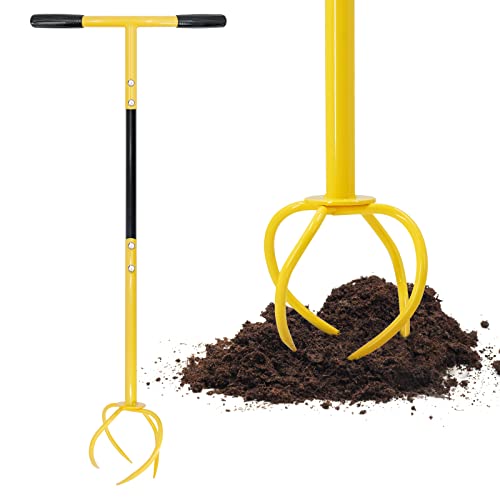
Altdorff Hand Tiller Garden Claw Manual Cultivator

YEELOR Rotary Cultivator with Aluminum Gears

BARAYSTUS Rotary Cultivator Adjustable Hand Tiller

EarthWay 6500 High Wheel Tubular Cultivator

Corona LG 3634 DiscCULTIVATOR (Red)

YEELOR 3-Tine Long Handle Tiller Cultivator

BARAYSTUS Hand Tiller Twist Garden Claw

CKLT 66in Rotary Cultivator with Spring Steel Tines
Inside Each Recommended Option
The Altdorff Hand Tiller leans into a compact twist-and-go design, the kind of tool that fits in a garden tote and works without ceremony. Its 17.7-inch arc handle lets your body do the heavy lifting, rotating steel claw tines straight into compacted ground with each turn. You press, twist, and pull, which makes it a natural fit for raised beds, flower boxes, and tight rows where a long tool gets in the way.
Most soil types will yield to this tool without a fight, though heavy clay may ask for a bit more elbow grease than lighter loam. Compared to the rotary rollers covered later, this claw skips the rolling action entirely and digs with a direct bite. That trade-off works in your favor when you want depth over coverage.
The Case For It
- Compact 17.7-inch arc handle fits tight spaces and raised beds where longer tools cannot reach.
- Four angled steel tines cut through compacted soil with a simple twist-and-pull motion.
- Steel construction handles repeated use across a full growing season.
- Reaches down without requiring you to kneel or crouch for every pass.
- Light enough to carry one-handed while hauling amendments or seedlings.
Things To Consider
- Works best in already-loose or moderately compacted soil, as stubborn ground can wear on your wrists.
- Coated steel may show surface oxidation over time if stored outdoors, so a dry shed shelf helps.
Who It Suits Best
Container gardeners and raised-bed growers who want quick aeration without dragging out a long-handled tool.
Consider Something Else When
If you need to cover a larger plot from a standing position, the BARAYSTUS Rotary Cultivator Adjustable Hand Tiller gives you more reach per pass.
Roller-style cultivators take a different approach than claw tools, using star-shaped wheels that crush and churn the soil as you push them forward. The YEELOR Rotary Cultivator with Aluminum Gears runs with that rolling action, aimed at gardeners who want a finer tilth across a small to mid-size plot. The aluminum gearing keeps the whole tool lighter than steel-heavy alternatives, which matters during long prep sessions.
You will get the best results in seedbed preparation, light aeration, and fertilizer mixing where you want the soil broken into smaller particles. Unlike the Altdorff claw from earlier, it works across a wider swath per pass but does not punch as deep. For most home gardeners, that balance is the point.
Features That Help
- Star-shaped rollers break soil clods into finer particles for smoother seedbeds.
- Aluminum gearing keeps the moving parts light and resists rust in damp soil.
- Compact footprint works in raised beds, flower boxes, and narrow rows.
- Rolling action covers more ground per pass than a claw-style tool.
Honest Caveats
- Rolling star wheels sit shallower than claw tines, so very compacted ground may need a pre-loosening pass.
- Gear mechanisms can collect soil and debris, so a quick rinse after use keeps everything turning smoothly.
Key Product Details
Right Fit For
Vegetable gardeners prepping seedbeds each spring who want a lighter tool than steel rotary models.
A Better Fit Elsewhere
If your plot is bigger and you prefer standing upright, the CKLT 66in Rotary Cultivator with Spring Steel Tines offers longer reach.
Long-handle tools earn their keep when you want to stay upright through a full bed prep. The BARAYSTUS Rotary Cultivator Adjustable Hand Tiller extends from roughly 29.7 inches out to about 57 inches, letting you set the working height to your body rather than hunching over a short tool. Its star-shaped head with four aluminum wheels rolls across the soil, breaking clods and loosening the top layer as it moves.
You trade the deep bite of a claw for a smoother surface finish, which works well for final bed smoothing before seeding. Compared to the YEELOR roller covered earlier, this one adds that adjustable shaft and a wider wheel cluster. For taller gardeners or anyone with back considerations, the height range alone is worth the look.
The Helpful Details
- Adjustable shaft from 29.7 to 57 inches fits different user heights and bed widths.
- Four aluminum wheels create a wider working path per pass than single-star rollers.
- Stainless steel components hold up through seasons of damp garden work.
- Rolling action keeps the tool moving without the wrist strain of a twist claw.
Softer Spots
- Longer handles add reach but also add storage length, so plan for a corner of the shed or garage wall.
- The rolling head works the top layer rather than penetrating deep, so compacted subsoil may need a different tool first.
Best Suited To
Standing gardeners with raised or in-ground beds who want adjustable height and a wider rolling pass.
Look Elsewhere When
If you primarily work small containers or tight corners, the compact Altdorff Hand Tiller Garden Claw Manual Cultivator fits better.
The EarthWay 6500 sits in a different category from the hand tools above. It is a push cultivator with a heavy-duty tubular steel frame and large 24-inch steel wheels, designed to roll through established vegetable rows and wider garden plots. A 3-position adjustable handle lets you tune the working height, and the quick-change implement system swaps attachments as your tasks shift through the season.
You give up portability here, since this is a tool you wheel to the garden rather than carry. The trade-off is real ground coverage and a steel build that holds up to regular use across multiple seasons. For gardeners managing serious vegetable space, the wheel-and-frame design simply covers more dirt per minute than any hand tool on this list.
Why It Works Well
- Tubular steel frame handles years of seasonal pushing without flexing.
- 24-inch steel wheels roll over uneven soil and minor garden debris with stability.
- 3-position adjustable handle adapts to user preference and task height.
- Quick-change implements let you swap tools without a full teardown.
Trade Offs
- Push cultivator size means storage planning, since it will not slide into a small garden tote.
- Works best on relatively flat rows, as tight corners and narrow raised beds are harder to navigate.
- Steel components benefit from a dry storage spot to slow surface wear over time.
Quick Facts
Who Should Grab It
Vegetable gardeners with row-style plots who want a wheeled push tool instead of bending for every pass.
Swap It Out When
If your garden lives on a balcony or in compact raised beds, the Corona LG 3634 DiscCULTIVATOR fits those tighter spaces.
The Corona LG 3634 DiscCULTIVATOR is a short-handle hand tool aimed at the weeding and aerating chores that come up between larger projects. Three sets of detachable metal tines swap out depending on whether you are weeding, aerating, or tilling, and the ComfortGEL grip keeps the handle friendly during longer sessions. It is the kind of tool you reach for when the claw tools above feel like overkill.
Working close to the soil, this cultivator fits between established plants where a rotary roller would be too wide. Corona has built a reputation for garden hand tools, and this one carries that DNA with a focus on ergonomic grip and modular tines. You give up the standing posture, but you gain precision in tight beds.
What Stands Out
- Three interchangeable tine sets adapt the tool to weeding, aerating, or tilling.
- ComfortGEL grip reduces hand fatigue during longer weeding sessions.
- Short handle gives you direct control in tight spaces between plants.
- Solid metal tines handle tough soil conditions across multiple seasons.
A Few Limitations
- Short handle requires kneeling or crouching, which may bother gardeners with back concerns.
- Detachable tines are convenient but should be tracked during storage to avoid losing pieces.
Made For
Detail-oriented gardeners who want precision weeding and aerating in established beds with closely planted crops.
Another Choice May Suit
If you want similar control without kneeling, the YEELOR 3-Tine Long Handle Tiller Cultivator adds reach to a comparable tine concept.
The YEELOR 3-Tine Long Handle Tiller Cultivator blends traditional claw design with a long adjustable shaft, sliding between 15.5 inches and 55 inches depending on the job. That range lets you work close-up around small flower pots or stand fully upright across a wider vegetable plot. The three-tine head is a familiar shape, the kind of tool your grandparents probably used in a smaller form.
You can expect decent bite in moderately loose soil, though truly compacted ground will test your grip strength. Compared to the four-tine Altdorff from earlier, this one trims a tine for a slightly narrower working path and adds that long-shaft flexibility. For gardeners who want one tool that travels between containers and in-ground beds, the adjustability is the main draw.
Where It Excels
- Adjustable handle from 15.5 to 55 inches covers everything from small pots to wide plots.
- Three-tine head bites effectively in moderately loose soil for weeding and aerating.
- Long handle reduces the need to kneel or bend during routine cultivation.
- Lightweight build keeps the tool manageable for gardeners who prefer less bulk.
Potential Drawbacks
- Three-tine head works a narrower path than four-tine or roller tools, so coverage takes more passes.
- Adjustment mechanisms should be checked periodically to keep the shaft locked at the chosen length.
Feature Snapshot
Perfect Match For
Gardeners with mixed plot sizes who want one adjustable tool that travels from containers to open ground.
Not Your Match When
If you need faster coverage on a larger row garden, the wheeled EarthWay 6500 High Wheel Tubular Cultivator covers ground faster.
The BARAYSTUS Hand Tiller is a twist-action claw with a focus on tine geometry, built around longer and wider curved tines than you typically see on compact cultivators. That wider bite lets you work a broader patch with each twist, which adds up over a full bed prep. The sharp curve profile is built to bite cleanly into soil rather than skate across the surface.
You stick it in, twist, and pull soil loose with a single motion, similar to the Altdorff from earlier but with broader coverage per cycle. For moderately compacted soil in raised beds or in-ground plots, the wider tine curve does meaningful work. The honest read is that this is a focused tool rather than a multi-function cultivator.
Positive Takeaways
- Wider and longer curved tines cover more soil per twist than typical claw designs.
- Sharp curve profile bites cleanly into compacted soil instead of skimming the surface.
- Compact footprint works in raised beds, plant boxes, and tight garden corners.
- Twist-and-pull action stays intuitive without a learning curve for first-time users.
Room For Improvement
- Wider tines mean a slightly heavier head, which can build wrist fatigue over long sessions.
- Coated steel benefits from a wipe-down after use, since damp shed storage can dull the finish.
Who Will Love This
Gardeners with compacted soil in raised beds who want a wider bite per twist from a hand-held tool.
Reach For A Different Pick When
If you prefer to stay standing during bed prep, the BARAYSTUS Rotary Cultivator Adjustable Hand Tiller offers similar brand quality with extra reach.
The CKLT 66in Rotary Cultivator closes out this list with the longest reach and a focus on blade material. Tempered spring steel, a metal treated for strength and flexibility, forms the rotary blades, holding its shape under heavy pressure rather than bending out of alignment. The 66-inch shaft keeps you standing upright through full bed prep, which matters for gardeners with back considerations.
Multi-angled, serrated star wheels bite into compacted soil as you push, breaking up weeds and loosening the bed in a single motion. Compared to the BARAYSTUS adjustable rotary covered earlier, this one fixes at a longer length and upgrades the blade material. For gardeners with larger plots and a willingness to pay for durability, that is a fair trade.
Practical Pluses
- Tempered spring steel blades resist bending and breakage under heavy soil pressure.
- 66-inch shaft lets you work a full bed while standing upright.
- Multi-angled, serrated star wheels break up weeds and loosen soil in one pass.
- Long reach covers wider rows without constant repositioning.
Where It Is Less Suited
- Fixed 66-inch length is less versatile for tight or container work where a shorter tool would fit better.
- Longer shaft and steel blades add weight, so this is a standing tool, not a one-hand carry.
Built With In Mind
Standing gardeners with mid-to-large plots who want tempered steel durability and longer reach for routine cultivation.
Where Another Pick Suits Better
If your work happens in small containers or compact raised beds, the Altdorff Hand Tiller Garden Claw Manual Cultivator keeps things short and simple.
Choosing The Right Manual Cultivator For Your Garden
Handle Style And Reach
Short-handle cultivators, like the Corona LG 3634, give you direct control in tight beds at the cost of kneeling or bending. Long-handle and adjustable tools, including the BARAYSTUS Rotary Cultivator Adjustable Hand Tiller and the CKLT 66in model, keep you upright and cover more ground per pass. Tall gardeners and anyone with back concerns will lean toward longer reach, while detail work between plants still calls for a short handle.
Tine Design And Soil Bite
Claw-style tines, as on the Altdorff and BARAYSTUS Hand Tiller, punch into compacted soil with a twist-and-pull motion. Rotary star wheels, seen across the YEELOR and CKLT rollers, crush and churn the top layer for finer tilth. Pick by soil type: heavy or compacted ground favors deeper claw bites, while looser beds reward rolling action.
Coverage Area And Storage
Push cultivators such as the EarthWay 6500 cover row-style plots quickly but need dedicated shed space. Compact hand tools slip into a garden tote and store on a wall hook. Match the tool size to your plot size and your available storage, since a tool that does not have a home often stays in the garage.
Build Materials And Care
Coated steel resists rust when wiped down after use and stored dry. Stainless and aluminum components hold up better in damp sheds but cost a bit more upfront. For any tool, a quick clean and dry after a session extends the working life across multiple seasons.
Key Considerations Across These Picks
Where Shoppers Go Wrong
A common slip is choosing a long-handle tool for tight raised beds where a short claw actually fits better. The opposite mistake also shows up, picking a compact hand cultivator for a half-acre vegetable plot and spending hours on what a wheeled tool handles faster. Match the tool to the plot, not to the catalog photo, and the season goes smoother.
When Paying More Pays Off
The premium end of this category tends to spend the extra on blade material, such as tempered spring steel on the CKLT, and on frame construction, like the tubular steel on the EarthWay. That upgrade pays off for gardeners who cultivate weekly across a full season, since stiffer materials and heavier frames outlast lighter builds. For occasional weekend use in small beds, the entry-level claw and roller tools handle the job without the extra spend.
Frequently Asked Questions
What Is A Manual Cultivator Used For?
A manual cultivator loosens soil, pulls weeds, and aerates garden beds without fuel or cords. It works well for raised beds, flower boxes, and small vegetable plots where a powered tiller would be overkill.
How Do I Choose Between A Claw And A Rotary Cultivator?
Claw cultivators dig deeper with a twisting motion and work well in compacted soil. Rotary cultivators use rolling star wheels to break up the top layer for finer tilth, and they work best in already-loose ground.
Can A Manual Cultivator Replace A Powered Tiller?
For small raised beds, flower boxes, and modest vegetable plots, a manual cultivator handles routine prep effectively. For breaking new ground or working half-acre plots, a powered tiller saves significant time and effort.
How Do I Maintain A Manual Cultivator?
Wipe the tines clean after each session, dry them before storage, and occasionally check adjustable shafts for loose fittings. A light coat of oil on steel components helps slow surface oxidation over time.
What Handle Length Works Best For Standing Use?
For most gardeners, handles between 55 and 66 inches keep you upright during cultivation. Adjustable models offer flexibility if multiple people share the same tool.
Bottom Line
The right manual cultivator comes down to your plot size, soil type, and posture preference. Small raised beds reward short claw tools, while larger rows and standing work call for long-handle rollers or wheeled push cultivators. Match the tool to the actual job ahead of you, and the season ahead looks a lot easier.
