

Manual hedge clippers are still the quiet workhorse of a tidy yard. No battery to babysit, no cord to dodge, just hand-powered blades that reward a slow, deliberate rhythm. You notice the difference on boxwood edges, privet borders, and the awkward angles around a mailbox or downspout where a powered trimmer feels like overkill.
This roundup focuses on hand shears that genuinely suit different gardens and different hands. Lightweight aluminum builds for overhead work, longer-reach models for tall hedges, compact 15-inch shears for tight topiary, and a cordless option for anyone whose grip or stamina wants a powered assist. Each pick earned its place for a clear reason, and each comes with honest trade-offs.
A Quick View Of The Lineup

Kimura Pro Heavy Duty Hedge Shears 22″

GARTOL 23″ Heavy Duty Hedge Shears

YRTSH Loppers, Hedge Shears & Pruners Combo

GARDEN GURU 15″ Hedge Shears
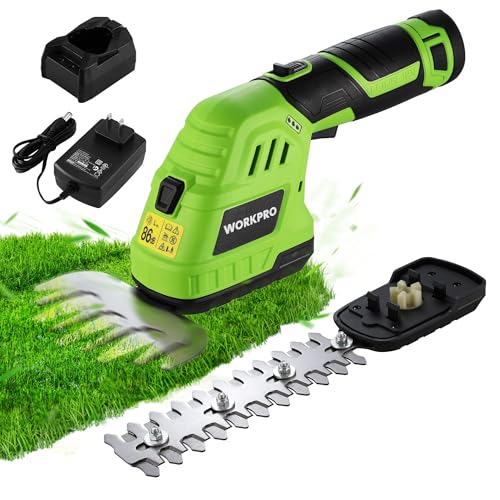
WORKPRO 12V Cordless Grass Shear & Shrubbery Trimmer
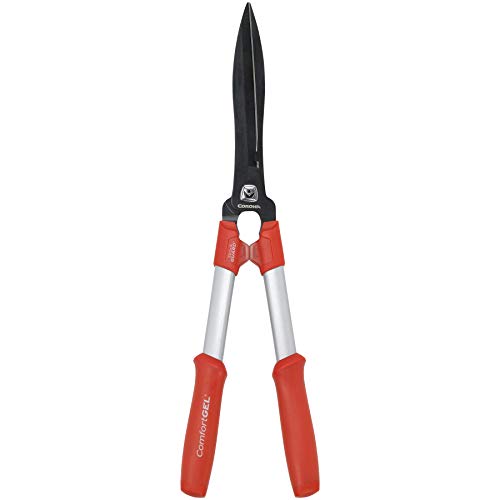
Corona HS3244 Comfortgel Hedge Shear 9″

Fiskars 23″ Power-Lever Hedge Shears

ARS HS-KR1000 Professional Hedge Shears
Why These Options Stand Out
Kimura’s 22-inch shears are the rare pair that feels light in hand without feeling flimsy. The aluminum handles keep the overall weight low, while the gearing multiplies each squeeze so a routine shaping session stops feeling like a workout.
For gardeners with tall privet or yew along a fence line, the long reach matters. Compared with the chunkier GARTOL covered later, these are noticeably easier to hold overhead for repeated cuts. The TPR (thermoplastic rubber) grips also stay grippy when your palms warm up mid-job.
Reasons It Performs
- Patented gearing adds visible cutting power without adding bulk.
- Aluminum frame reduces arm fatigue on extended shaping jobs.
- SK5 steel blades (a high-carbon tool steel known for edge retention) hold sharpness through a full season.
- Soft TPR handles stay secure even when gloves come off briefly.
- 22-inch length reaches mid-height hedges without a ladder.
Points To Keep In Mind
- Best suited to green growth; thicker woody stems belong to a lopper.
- Lightweight build means the gearing pivot wants a drop of oil once a season.
Feature Snapshot
Whose Shelf It Belongs On
Homeowners maintaining mid-height hedges weekly who want a lighter shears that doesn’t punish overhead cuts.
Where Another Pick Suits Better
Topiary artists chasing razor-clean lines will get finer results from the ARS HS-KR1000 covered later.
GARTOL leans into the working side of the category. The 9-inch wavy blade is the headline feature, and it earns that billing: the scalloped edge traps twigs and small branches instead of letting them skate forward, which matters on the kind of dense, slightly woody growth that defeats straight blades.
Where the Kimura feels nimble, these feel planted. They are the right call when you inherit an overgrown border or work through shrubs that have been left alone for a season. The tradeoff is added weight, so smaller hands may want to demo them first.
The Good Stuff
- Wavy blade grips stems cleanly instead of pushing them away.
- Forged high-carbon steel handles thicker cuts without complaint.
- Rust-resistant finish forgives the occasional forgotten rinse.
Trade Offs To Consider
- Heavier than aluminum-built competitors, so shorter sessions feel longer.
- Wavy edges clean up best with a dedicated blade wipe after use.
Made For
Gardeners reclaiming overgrown boxwood, holly, or decorative shrubs where straight blades tend to push growth aside.
Skip It When
You mostly do light touch-ups on low borders, where the lighter GARDEN GURU 15-inch will feel friendlier.
YRTSH’s three-piece kit covers the full manual trimming workflow: a 26-inch compound-action lopper (a lopper whose handle design multiplies hand force for thicker cuts) for branches, 23-inch hedge shears for flat surfaces, and 8-inch pruners for detail work. The low-friction coated alloy blades slide through green growth without grabbing.
For new homeowners starting from scratch, a combo like this skips the guesswork of matching individual tools. Where the Fiskars covered later focuses on sheer cutting leverage, this set spreads capability across three jobs instead of pushing one feature to the limit.
Key Advantages
- Three coordinated tools cover hedges, branches, and detail cuts.
- Coated blades reduce friction and resist sap buildup.
- Alloy steel handles year-round shaping without flex.
Honest Caveats
- None of the three tools match a dedicated specialist in any single category.
- Storage becomes easier with a pegboard or shed bin for all three.
Right Fit For
First-time gardeners outfitting a shed in one purchase rather than piecing tools together over months.
Not Your Match When
You only need a single-purpose pair of shears for tidy topiary, where the ARS HS-KR1000 does that one job better.
GARDEN GURU’s 15-inch shears are built for the close-quarters work that longer tools fumble. Tight boxwood borders, knot gardens, and the small ornamental shrubs near a front walk all benefit from a short, controllable blade and a non-slip grip that fits smaller hands.
These will not replace a long-reach pair for tall hedges, but that is the point. They fill the role that the Kimura and GARTOL deliberately leave open, and they do it without forcing you into a powered trimmer for a five-minute touch-up.
What Stands Out
- Compact 15-inch frame keeps cuts precise on small topiary.
- High-carbon steel blades stay sharp across light seasonal use.
- Non-slip handle suits both small and large hand sizes.
Small Caveats
- Short reach rules out mid-height hedges without a step stool.
- Hardened steel wants a quick dry wipe after each use to prevent surface rust.
Quick Facts
Who It Suits Best
Apartment gardeners, topiary fans, and anyone whose trimming list centers on small ornamental shrubs.
A Better Fit Elsewhere
Tackling tall, established hedges points you toward the longer-reach Fiskars Power-Lever instead.
WORKPRO’s 12V cordless trimmer slots into a manual-hedge roundup for a specific reason: it carries the load when grip strength, arthritis, or simply a long day makes hand shears feel punishing. The battery and charger ship in the box, and the swap between grass shear and shrubbery blades is the easiest part of the routine.
Compared with the Corona Comfortgel later in the list, this trades pure hand feel for powered efficiency. You give up the quiet rhythm of manual shears, but you gain the ability to tidy a bed edge in minutes rather than stretching the work across an afternoon.
Notable Upsides
- Cordless design removes the wrist strain of repeated manual cuts.
- Dual blades handle both grass edges and small shrubs.
- Battery and charger included, no separate purchase required.
Where It Is Less Suited
- Not a substitute for long-blade shears on tall hedges.
- Battery life limits very large yards to one or two sessions per charge.
Best Suited To
Anyone with grip fatigue, joint sensitivity, or a smaller yard where powered convenience trumps the manual ritual.
Reach For A Different Pick When
You want the meditative pace and quiet of hand tools, where the Corona HS3244 delivers cushioned, all-day comfort.
Corona built the HS 3244 around a simple promise: that hand shears should not punish the people who use them. The Comfortgel grips absorb vibration and pressure that would otherwise travel straight into the heel of the hand during a long shaping session.
The 9-inch blades are short enough for control on ornamental shrubs but long enough to clean up a flat privet face in a reasonable number of strokes. Compared with the WORKPRO above, this stays fully manual and quiet, which many gardeners prefer for topiary work where concentration matters.
What It Does Well
- Comfortgel grips reduce pressure points during extended use.
- 9-inch blades balance control with reasonable cut width.
- Corona’s reputation in professional landscaping tools means replacement parts are widely available.
Small Limitations
- Not built for thick, woody growth that belongs to a lopper.
- Comfortgel surface benefits from occasional cleaning to maintain tackiness.
Who Should Grab It
Gardeners with sensitive hands, arthritis, or a weekly trimming routine where comfort compounds over months.
Swap It Out When
You need lever-assisted power for thicker stems, where the Fiskars Power-Lever offers more cutting authority.
Fiskars’ Power-Lever design is the most mechanically interesting tool in this roundup. The compound lever mechanism multiplies hand force at the blades, so cuts that would stall a standard shear keep moving. Add the self-sharpening blade design (a coating that exposes fresh steel as the edge wears) and you get a tool that stays useful well past a single season.
Where the Kimura uses gearing to stay light, Fiskars uses leverage to stay strong. Both ideas work; the difference shows up when you hit a slightly thicker stem and want the cut to finish without swapping tools. The 23-inch length also keeps the shears relevant on taller hedges.
Why It Works Well
- Compound lever delivers up to twice the cutting force of standard shears.
- Self-sharpening blade coating extends usable life between sharpenings.
- Fully hardened steel blades (heat-treated for durability) resist nicks from stray twigs.
Practical Considerations
- Lever mechanism adds slight weight compared with plain geared shears.
- Self-sharpening design works gradually; routine cleaning still matters.
Key Attributes
Perfect Match For
Gardeners with woodier hedges, established shrubs, or anyone who wants more cutting authority without reaching for a powered tool.
Consider Something Else When
You prioritize lightest-possible weight for overhead shaping, where the Kimura Pro takes that niche.
ARS earns its professional reputation by treating hedge shears as precision instruments rather than general-purpose cutters. The blade steel and heat treatment are tuned for the kind of clean, scissor-like cut that experienced topiary artists expect, and the pivot bolt lets you dial in blade tension over years of service.
This is the pick for gardeners who treat shaping as a craft. Compared with the Kimura’s gearing focus or Fiskars’ leverage, ARS bets everything on blade quality. The international shipping note in the listing matters: warranty terms may differ from domestic tools, so factor that in before checkout.
Well-Handled Touches
- Premium steel and blade treatment deliver clean, plant-friendly edges.
- Adjustable pivot bolt maintains tension across years of use.
- Lightweight feel despite professional-grade construction.
Factors To Consider
- International listing means warranty and return terms differ from domestic picks.
- Premium positioning costs more than the everyday options above.
Who Will Love This
Serious topiary artists, nursery professionals, and detail-focused gardeners who want the cleanest cut the category offers.
Look Elsewhere When
You need an all-purpose, low-fuss pair for general yard cleanup, where the YRTSH combo set covers more ground for less.
What Matters Most When Choosing Manual Hedge Clippers
Manual hedge clippers reward the right match between tool and task. The differences that matter most live in blade geometry, weight distribution, and reach, not in brand cachet.
Blade Type And Cut Quality
Straight blades deliver the cleanest, most visible cut on flat hedge faces and ornamental shrubs. Wavy or serrated blades (like those on the GARTOL) trap stems so they cannot slide forward, which helps on dense or twiggy growth where straight blades push material aside. For topiary and crisp edges, a straight, high-carbon blade keeps lines sharp.
Total Length And Reach
Longer shears (22 to 23 inches) reach mid-height hedges without a ladder and give older gardeners a little extra clearance from the work. Shorter shears (15 inches) give finer control on small topiary and tight borders. Match length to the average height you maintain, not the tallest hedge you face once a year.
Handle Weight And Comfort
Aluminum handles reduce fatigue during overhead shaping. Cushioned grips (gel or thermoplastic rubber) absorb vibration during longer sessions. For sensitive hands or weekly routines, comfort compounds: a few minutes of relief per cut turns into hours across a season.
Maintenance Realities
Carbon-steel blades stay sharper but want a dry wipe after each use. Coated or stainless finishes forgive occasional neglect. A drop of oil on the pivot once a season keeps any geared or levered mechanism moving smoothly, regardless of brand.
Key Considerations Across These Picks
Mistakes Worth Dodging
Picking shears by total length alone is a common miss: a long pair on a low border feels unwieldy, while a short pair on a tall hedge forces a step stool. Another trap is assuming all wavy blades cut the same: the tooth profile matters more than the presence of waves. Finally, do not skip the pivot bolt check, because a loose pivot turns clean cuts into crushed stems.
Where The Extra Money Goes
Premium pricing in this category pays for steel quality, heat treatment, and pivot precision. The ARS HS-KR1000 and Kimura Pro both earn their keep with blade steel that holds an edge through seasons, while budget tools often need resharpening within months. For gardeners who shape weekly, that difference shows up quickly in both cut quality and time spent maintaining the tool.
Frequently Asked Questions
How often should I sharpen manual hedge clippers?
For light weekly use, a once-per-season touch-up with a diamond file keeps edges clean. Heavy use on woody growth may need a mid-season pass as well.
Can manual hedge clippers handle woody branches?
Most can manage green stems up to about a quarter inch, but anything thicker belongs to a lopper. Pushing shears beyond their limit bends blades and strains the pivot.
What is the difference between straight and wavy blades?
Straight blades make the cleanest visible cut on flat surfaces. Wavy blades grip twigs so they do not slide forward, which suits dense or twiggy growth.
How do I prevent rust on carbon-steel blades?
Wipe blades dry after each session and store the shears indoors. A thin coat of camellia oil or light machine oil adds extra protection in humid climates.
Are longer shears always better?
Not necessarily. Longer shears reach higher hedges but feel awkward on small topiary. Match length to your most common trimming task rather than your tallest hedge.
Closing Remarks
The right pair of manual hedge clippers disappears into the routine and lets the work speak for itself. Match the tool to the hedges you actually maintain, give the blades a wipe after each session, and the rest is just patience and a steady hand.
