

A lawn that thins out every summer, turns pale by midsummer, or refuses to green up after a hard winter often comes back to life with the right organic input. Composted manure feeds soil biology slowly, while richer blends push top growth for a fast visual payoff. The eight picks below match different yard sizes, grass types, and patience levels, so you can match the bag to the result you actually want.
The Shortlist At A Glance

Hoffman 20505 Dehydrated Super Manure 4-2-3

Black Kow Composted Cow Manure Fertilizer 8 qt
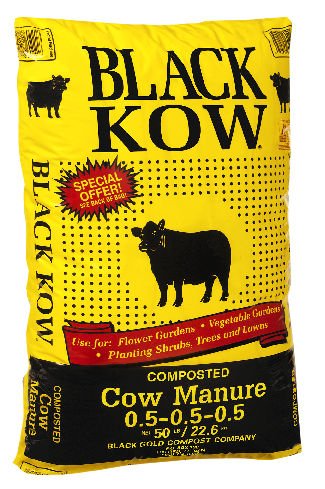
Black Kow Composted Cow Manure 35 lb Bag

Hoffman Organic Cow Manure Fertilizer 1-1-1 20 lbs

Farmer’s Secret Lawn Booster 128oz Concentrate
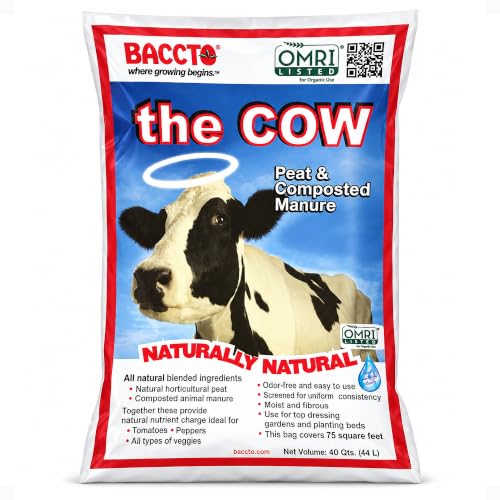
BACCTO Wholly Cow Compost Manure 40 qt
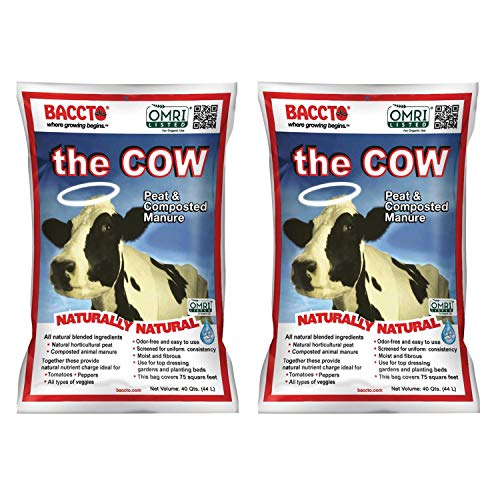
BACCTO Wholly Cow Compost Manure 40 qt 2-Pack

Slow Release Lawn Fertilizer 25-5-10 44 lb Bag
A Closer Look At Each Pick
Small yards and spot repairs rarely need a 40-pound bag, and the Hoffman 20505 Dehydrated Super Manure 4-2-3 fits that job neatly. The dehydrated poultry base arrives in pellet form, which means you can broadcast it with a small hand spreader without the dust or smell of raw manure. The 4-2-3 ratio leans toward balanced feeding rather than a nitrogen surge, so thin patches get a slow push instead of a quick flush that fades within a week.
For homeowners maintaining a modest lawn or just reviving a few tired strips along the driveway, this size is practical to store in a garage shelf. Compared to the Black Kow 8 qt entry, the pellet format spreads faster across turf, though it carries a higher nitrogen ratio that you will want to water in promptly after application.
Strengths Worth Knowing
- Pelletized form drops through standard broadcast spreaders without clumping.
- Low-odor profile suits neighborhoods where smell from raw manure draws complaints.
- Compact 5-pound package stores on a shelf or in a small garden bin.
- Balanced 4-2-3 ratio supports steady color without forcing tender top growth.
Things To Consider
- Coverage is modest, so larger yards will need multiple bags per feeding cycle.
- Pellets break down faster when applied to dry thatch, so watering in shortly after spreading helps activation.
Best Suited To
Small-lawn owners and spot-treatment gardeners who want a tidy pellet rather than a wheelbarrow full of compost.
Look Elsewhere When
Your yard exceeds a quarter acre and you want one bag to finish the job, since the Eco Solutions 44-pound slow-release option covers far more ground per application.
Composted cow manure is the gentlest entry point for anyone rebuilding tired soil, and this 8-quart Black Kow bag keeps the scale friendly. The composted material breaks down further through the season, holding moisture around roots instead of letting it run straight through sandy ground. The smaller bag also removes the intimidation factor for first-time users who don’t want to wrestle a 35-pound sack.
Apartment gardeners with a balcony container or flower bed will find the size manageable. Compare it to the larger Black Kow 35-pound bag reviewed next, and the difference is purely volume and reach rather than formulation. For a small front strip of grass or a raised planter, the 8-quart format gets used up before it has a chance to lose freshness.
Features That Help
- Composted texture spreads evenly with a hand trowel across small areas.
- Improves water retention in sandy beds where moisture normally drains past roots.
- Breaks up heavy clay patches when mixed into the top few inches of soil.
Worth Noting
- The 8-quart volume runs out quickly on lawn-scale projects.
- Composted cow manure carries a faint earthy smell until watered in fully.
- Bag weight can feel denser than expected compared to lighter peat blends.
Made For
New gardeners handling a single raised bed or small lawn patch who want composted manure without buying in bulk.
Reach For A Different Pick When
You are amending a full yard of turf, since the Black Kow 35 lb Bag delivers the same composition at lawn-appropriate volume.
When the goal is rebuilding the soil under an entire lawn rather than pampering a single bed, the Black Kow Composted Cow Manure 35 lb Bag steps up. The slow-release 0.5-0.5-0.5 analysis reads low on paper, yet composted manure feeds the soil biology that drives long-term grass health. Spread across a yard at the recommended rate, this single bag covers a meaningful slice of turf without forcing repeat trips to the garden center.
Homeowners restoring a patchy lawn in fall or prepping a vegetable plot for spring will appreciate the volume. The trade-off against the lighter 8-quart Black Kow is weight and storage space, so plan a spot near the application area before delivery. Against the Eco Solutions synthetic blend, this option trades quick color for organic matter that keeps building season after season.
Everyday Perks
- Slow-release feeding supports earthworm activity and soil structure across seasons.
- Won’t burn tender grass even when applied a little heavy by accident.
- Single 35-pound bag typically covers a modest yard for one feeding pass.
Trade Offs
- Low NPK numbers mean visible greening takes longer than synthetic alternatives.
- The bag is heavy to carry down a slope or up porch steps.
Feature Snapshot
Right Fit For
Homeowners rebuilding soil across a full lawn who can wait weeks for visible results rather than days.
Skip It When
You want visible greening within a weekend, since the Eco Solutions 25-5-10 granular formula greens turf much faster.
Vegetable gardens and flower borders need a manure that won’t scorch roots or leaves, and the Hoffman Organic Cow Manure 1-1-1 20 lbs is built for exactly that caution. The 1-1-1 analysis keeps nitrogen, phosphorus, and potassium in step, so herbs, leafy greens, and blooming perennials all get the same gentle push. The all-natural formula also reassures households gardening around kids and pets.
Compared to the Hoffman 5-pound dehydrated pellets from Pick 1, this is the same brand’s looser, higher-volume option that spreads easily around established plants. The 20-pound size sits comfortably between the small Black Kow 8-quart bag and the lawn-scale Black Kow 35-pounder. For anyone blending manure into a kitchen garden, the gentle nutrient profile reduces the risk of fertilizer burn on young transplants.
The Value In It
- Even 1-1-1 ratio suits mixed plantings from tomatoes to flowering shrubs.
- Non-burning formula protects young seedlings and tender root systems.
- Organic composition supports gardeners avoiding synthetic inputs.
Room For Improvement
- Lower nutrient concentration than the dehydrated Hoffman pellets, so visible results take patience.
- Bag weight makes hand-carrying across a long garden path tiring.
Who Will Love This
Organic vegetable gardeners managing mixed beds where burning risk matters more than rapid greening.
A Better Fit Elsewhere
You are focused on open turf rather than edibles, in which case the BACCTO Wholly Cow blend suits lawn top-dressing better.
Liquid fertilizers bypass the slow soil-building route entirely, and the Farmer’s Secret Lawn Booster 128oz Concentrate trades that patience for monthly feeding convenience. Hooked to a hose-end or pump sprayer, a single bottle covers broad lawn areas with a well-balanced formula intended for routine use on any grass type. The 128-ounce size dilutes into many applications, so the cost-per-feeding stays reasonable.
Homeowners who want to avoid hauling bags or wheelbarrows through the yard will appreciate the spray-and-go format. Compared to the Eco Solutions granular option from Pick 8, this liquid feeds more frequently in smaller doses, which suits gardeners who treat lawn care as a routine habit rather than a twice-yearly project. Storage is also simpler, since the bottle fits on a garage shelf alongside other liquid feeds.
Good Reasons To Consider
- Works across cool-season and warm-season grass without separate blends.
- Monthly feeding rhythm fits a calendar-based maintenance routine.
- Liquid format reaches blades directly without depending on soil biology to break down granules.
Small Caveats
- Requires a sprayer or hose attachment to apply evenly.
- Doesn’t build long-term soil structure the way composted manure does.
Perfect Match For
Homeowners with established turf who prefer monthly liquid feeding over seasonal granular applications.
Consider Something Else When
Your lawn also needs organic matter added to the soil, in which case the Black Kow 35 lb Bag builds long-term structure that liquids cannot.
Top-dressing a visible lawn calls for a blend that disappears into the turf without announcing itself, and the BACCTO Wholly Cow Compost Manure 40 qt pulls that off with a peat-and-manure mix. The 40-quart volume covers a generous patch of grass in a single bag, and the odor-free formula keeps neighbors from raising eyebrows during application. Improved moisture retention means less hose time during summer stress periods.
For homeowners who treat lawn care as both soil work and curb appeal, the peat blend offers a finer texture than straight cow manure. Compared to the Black Kow 35 lb Bag, this option trades pure composted manure for a peat-amended blend that integrates more easily into existing turf. The 40-quart size handles a moderate lawn pass without leaving you short partway across the yard.
Practical Pluses
- Odor-free formula suits front-yard applications near open windows.
- Natural peat content lifts water-holding capacity in fast-draining soils.
- Single 40-quart bag covers a meaningful lawn section per application.
- Rich nutrient profile feeds vegetables, flowers, and turf from the same bag.
Points To Note
- Peat content lightens the color, which can look out of place on dark loam until watered in.
- Bulk bag needs a wheelbarrow or garden cart for sensible transport.
Feature Card
Whose Shelf It Belongs On
Homeowners who want a low-odor top-dressing for visible lawn areas without sacrificing organic content.
Swap It Out When
You need double the volume for a full property renovation, since the BACCTO 2-Pack saves a second reorder.
Large lawn restorations eat through single bags faster than expected, and the BACCTO Wholly Cow Compost Manure 40 qt 2-Pack doubles the working supply in one delivery. Two 40-quart bags mean you can finish a front-and-back top-dressing without pausing to reorder, and the same peat-blended, odor-controlled formula from the single-bag version carries over here. The combined volume also suits lawn repair projects that follow construction or renovation work.
Homeowners with half an acre or more will run through a single 40-quart bag in a hurry, so pairing two at once cuts a second shipping window out of the schedule. Compared to the single BACCTO bag reviewed above, this format assumes you have somewhere dry to keep the second bag until it’s needed. Moisture-sensitive storage matters, since bags stored wet tend to clump.
Positive Points
- Two bags in one shipment cut a second reorder out of large lawn projects.
- Same odor-free peat blend keeps top-dressing neighbor-friendly.
- Combined 80-quart volume handles broad lawn renovations in a single work session.
Things To Keep In Mind
- Two bags require dry storage space until the second bag is opened.
- Heavier combined weight is awkward for solo delivery to a backyard shed.
Built With In Mind
Homeowners managing multi-zone lawn projects who want one delivery to cover the whole property.
Where Another Pick Suits Better
You only need a small lawn patch refreshed, in which case the lighter Black Kow 8 qt bag avoids the storage commitment.
Big turf areas with deep color goals need a fertilizer engineered for long feeding intervals, and the Slow Release Lawn Fertilizer 25-5-10 44 lb Bag answers that brief. The 25-5-10 NPK blend leans heavily on nitrogen for visible greening, while 65% granular formulation extends feeding up to 110 days. A single 44-pound bag covers a substantial lawn without forcing mid-season reapplications.
Households with kids and pets often want a product that stays put once applied, and the granular format spreads predictably through a broadcast spreader. Compared to the composted manure options earlier in this list, this synthetic blend greens turf faster but skips the organic matter side benefits. For anyone who values deep color and fewer feedings above all else, the trade-off is reasonable.
What Stands Out
- Up to 110 days of feeding per application reduces seasonal work.
- High nitrogen ratio delivers visible greening within the first weeks.
- 44-pound bag covers a large turf area in one pass.
- Granular format spreads evenly through standard broadcast equipment.
Factors To Consider
- Synthetic formula doesn’t add organic matter to the underlying soil.
- Spreader calibration matters, since over-application risks nitrogen burn on tender grass.
- Bag weight demands a sturdy wheelbarrow for sensible transport.
Who Should Grab It
Homeowners with large turf areas who want fewer feedings per year and prioritize visible color results.
Not Your Match When
You want to improve soil structure alongside feeding, since the Black Kow 35 lb Bag adds organic matter that granular synthetics skip.
Picking The Right Manure Or Fertilizer For Your Lawn
Matching the bag to the lawn matters more than chasing the highest nutrient numbers on the label. Composted cow manure products rebuild the soil biology that supports grass roots across seasons, while dehydrated pellets and concentrated liquids offer faster visible results with less volume. Granular high-nitrogen formulas deliver deep color but skip the long-term organic matter side benefits.
Nutrient Ratios And What They Mean
The three numbers on any fertilizer bag stand for nitrogen, phosphorus, and potassium by weight, in that order. A 4-2-3 blend leans slightly toward nitrogen for steady green growth, while a 1-1-1 blend keeps all three nutrients in step for mixed plantings. Higher nitrogen numbers like 25-5-10 push fast top growth, which suits tired turf that needs visible recovery but carries more burn risk on tender shoots.
Format And Application Style
Pellets drop through broadcast spreaders without clumping, which speeds up coverage on open lawns. Composted blends spread best with a shovel and wheelbarrow, then rake into the topsoil. Liquid concentrates like the Farmer’s Secret Lawn Booster attach to a sprayer and feed through the blades, suiting monthly routines rather than seasonal overhauls.
Coverage And Yard Size
An 8-quart bag handles a flower bed or small lawn patch, while 35 to 44-pound bags cover meaningful turf area in one pass. Two-bag packs suit multi-zone renovations where running out mid-project is not an option. Matching bag size to yard size avoids both excess storage and the frustration of an empty bag halfway across the front lawn.
What To Watch Before You Commit
Pitfalls Shoppers Hit
Buying the cheapest bag per pound often means more applications and slower results, so the per-feeding cost tells a different story than the sticker. Skipping a soil test leaves you guessing on whether your lawn actually needs nitrogen or simply better water retention, which is where composted manure outperforms synthetic blends.
Why Top Tier Costs More
Higher-nitrogen synthetic fertilizers cost more because the nutrient concentration is denser and the formulation extends feeding across months. Composted manure blends that include peat or aged materials also command a premium for the extra processing. For large yards where coverage and feeding duration dominate the value calculation, the upgrade often pays back in fewer applications and better soil structure over time.
Frequently Asked Questions
How often should manure be applied to grass?
Most composted manure products feed soil biology continuously, so one or two applications per growing season generally suffice. Liquid fertilizers like the Farmer’s Secret Lawn Booster usually call for monthly feedings during the active growth window.
Can cow manure burn a lawn?
Composted cow manure is naturally low in salts and won’t burn grass when applied at the recommended rate. Raw or fresh manure carries higher ammonia levels and can scorch turf, which is why aged or composted products remain the safer pick for lawn use.
Is manure better than synthetic fertilizer for grass?
Manure builds soil structure and feeds the biology beneath the grass, while synthetic fertilizer delivers faster visible greening. The two approaches complement each other, with manure rebuilding the foundation and synthetics handling quick color recovery.
When is the best time to apply manure to a lawn?
Early fall and spring are the most common windows, when grass enters active root growth and absorbs nutrients efficiently. Avoid mid-summer application in hot climates, since heat stress reduces uptake and raises burn risk.
How long does it take to see results from manure?
Composted cow manure typically shows visible greening within three to six weeks as soil biology responds. Synthetic blends like the 25-5-10 granular formula often produce visible color changes within one to two weeks, depending on watering and temperature.
Closing Remarks
The right manure or fertilizer depends on whether you want to rebuild soil for the long haul or push fast color this season. Composted cow manure products suit homeowners treating lawn care as a multi-year soil project, while liquid and granular blends suit those chasing quick visual recovery. Match the bag size and format to your yard, your patience level, and the storage space you actually have.
