

Growing plants without soil sounds simple until you’re staring at a shelf of clay pebbles, coco coir discs, and foam sponges, wondering which one your herbs will actually like. The right medium holds moisture and oxygen in the right balance, supports roots physically, and stays clean across multiple grow cycles. Picking the wrong one means soggy roots, salt buildup, or plants that just sit there refusing to grow.
The lineup below covers eight solid options across clay pebbles, organic starters, and plug-style sponges, each suited to a different kind of setup. Match the medium to your system, your crops, and your tolerance for maintenance, and the rest of the work gets easier.
The Picks In Brief
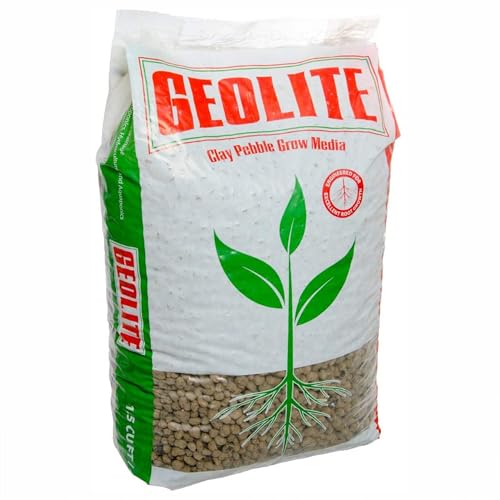
GEOLITE Clay Pebble Grow Media 1.5 Cu Ft

TOYPOPOR Clay Pebbles 4-5mm Ceramsite 6lb

Voulosimi Clay Pebbles Ceramsite 18LB

MAQIHAN 50 Grow Sponges for Hydroponics
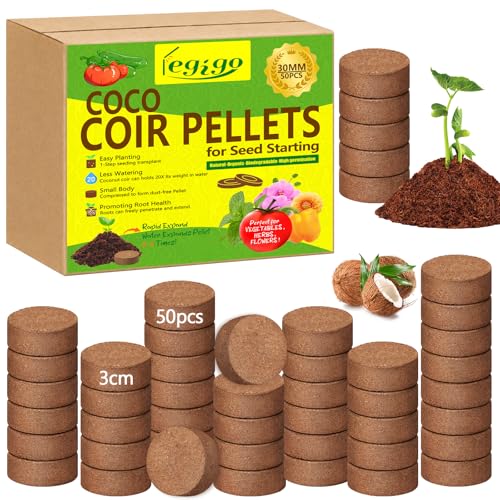
Legigo 50 Pcs 30mm Coco Coir Pellets

Pulovin 10 lbs LECA Clay Pebbles 4-16mm

GASPRO 10lb LECA Expanded Clay Pebbles 4-16mm

T4U Clay Pebbles 4.6 QT LECA Balls
A Deeper Look At The Lineup
GEOLITE’s 1.5 cubic foot bag of expanded Italian clay anchors this lineup because it covers the most common hydroponic use cases in a single container. The pebbles fall in the 8 to 20 mm range, which means enough size variety to anchor mature root systems while still nestling around smaller transplants. Compared to the smaller TOYPOPOR bag further down, this is a step up in scale rather than pebble dimension.
The clay is fired at a level where the porosity holds air at the root zone without drying out faster than your reservoir can refill. For anyone running a multi-pot ebb and flow or drip system, the bag volume here translates to fewer restocks mid-cycle.
Where It Helps
- Neutral pH treatment means no acid flush needed before first use.
- Durable fired clay holds up across multiple grow cycles.
- High porosity supports beneficial bacteria at the root surface.
- Large bag volume suits growers filling several net pots at once.
- Stable structure prevents compaction under root mass.
Things To Consider
- Bigger pebbles can shift out of smaller net cups during heavy water flow.
- Dust from shipping settles at the bottom and needs rinsing before use.
- Heavier than lightweight plugs, so moving full pots takes effort.
Who Will Love This
Intermediate growers running Dutch buckets or flood tables who want one dependable medium to refill across the whole system.
Look Elsewhere When
Anyone working in tiny countertop pods should consider the compact T4U clay bag further down instead.
TOYPOPOR ships a tight 4 to 5 mm ceramsite grade, which is the smaller end of the clay pebble spectrum. That smaller dimension makes these stones well suited to shallow net cups, orchid mounts, and decorative pots where bigger pebbles from the GEOLITE bag would look out of scale. The 6-pound size keeps the price approachable for anyone experimenting with hydroponics before committing to a larger volume.
The internal honeycomb structure, formed through high temperature sintering, gives each bead a slow-release moisture profile. For semi-hydro setups that rely on wicking action between reservoir and root, that retention matters more than raw drainage.
The Practical Payoff
- Compact 4 to 5 mm size fits tight net cups and decorative glass jars.
- Sintered clay structure releases moisture gradually for wick-fed setups.
- Affordable entry point for new growers.
- Non-toxic composition safe around fish in aquaponic tanks.
Honest Caveats
- Small beads can clog the bottom of wider net pots if poured loosely.
- 6-pound bag runs short for larger multi-pot systems.
Made For
Beginners filling a small herb jar or orchid pot who want a forgiving, low-cost medium to learn the basics with.
Consider Something Else When
Setup demand calls for anything heavier than a few small jars, the Voulosimi bulk bag further down is the better match.
Voulosimi’s 18-pound bag lands in the middle of this list because it bridges scale and versatility. The pebbles fall in the 0.3 to 0.5 inch range, sitting right between the smaller TOYPOPOR ceramsite and the broader 4 to 16 mm grades you’ll see on Pulovin and GASPRO. With that kind of volume, this bag handles a multi-pot system without forcing a mid-cycle refill.
The clay carries a neutral pH and a sterile profile, which simplifies the early stages of a new setup. Capillary action through the porous structure means nutrient solution wicks upward evenly rather than pooling at the base.
What Pays Off
- Mid-range bead size works in standard net cups and Dutch buckets alike.
- 18-pound volume covers larger multi-plant layouts.
- Sterile, neutral pH skips the calibration headaches common with cheaper mixes.
- Balanced capillary action supports even nutrient draw upward.
- Compatible with both hydroponic and aquaponic configurations.
Where It May Fall Short
- Heavier bag means more weight on shelving once pots are filled.
- Bead uniformity varies enough that some sifting may help before use.
- Storage requires a dry bin to keep unused portions clean.
Right Fit For
Growers managing a multi-pot system or a backyard aquaponic tank who want one bulk medium that handles volume without constant restocking.
Skip It When
The setup is a single small jar, where the TOYPOPOR bag earlier is easier to handle and finish before the pebbles lose freshness.
MAQIHAN ships peat-based grow sponges designed for countertop hydroponic units with seed pod trays. The 50-count format is the practical part: enough pods to run successive seed starts without waiting for a previous batch to finish. The sponge medium itself is balanced around a 5.8 to 6.2 pH range, which is the comfortable middle ground for most leafy greens and herbs during germination.
Unlike the loose clay pebbles reviewed earlier, these pods arrive pre-shaped. That removes the guesswork around how much medium to pack into each slot, which matters for first-timers still learning how root mass should sit in the tray.
Useful Touches
- Pre-cut pods drop straight into standard seed tray slots.
- Stable 5.8 to 6.2 pH supports germination without adjustment.
- Air-and-water balance suits tender seedling roots.
- Compact packaging stores easily on a kitchen counter.
Points To Keep In Mind
- Single-use pods wear out within a couple of cycles.
- Smaller sponge size restricts the root mass of larger plants.
Perfect Match For
Countertop growers running a small pod-based garden who want a clean, low-mess starting medium.
Reach For A Different Pick When
Crops need to mature into larger pots, where the GEOLITE clay pebbles further up offer more anchoring depth.
Legigo’s coco coir pellets come compressed into 30 mm discs that expand when soaked. That compact format flips the usual storage problem on its head: rather than a heavy bag of loose medium taking up shelf space, you get 50 small discs that fit in a drawer. The coir is organic and peat-free, which appeals to growers steering away from harvested peat sources.
Once hydrated, each disc holds enough moisture to support a seedling through the early root stage. Compared to the MAQIHAN sponges reviewed just above, these pellets bring a more natural fiber to the germination step.
Well-Handled Touches
- Compressed discs expand on demand, cutting storage space significantly.
- Organic coconut fiber avoids peat harvesting concerns.
- Natural water retention keeps seedlings hydrated between reservoir cycles.
- 50-count pack supports staggered planting across a season.
Trade-Offs
- Once expanded, the coir breaks down faster than fired clay does.
- Some pellets arrive slightly denser than others, which affects expansion time.
Best Suited To
Seed-starting gardeners who want an organic, space-efficient medium before transplanting into a larger clay or perlite bed.
A Better Fit Elsewhere
Anyone running a fully reusable clay setup should look at the GASPRO expanded pebbles further down instead.
Feature Snapshot
Pulovin offers a 10-pound bag of LECA (lightweight expanded clay aggregate) in the same broad 4 to 16 mm size range as several others in this category. The mixed sizes give the medium flexibility: smaller pebbles settle into tight corners, larger ones create air pockets in the middle of the root zone. For mixed-vegetable indoor gardens where one pot might host lettuce and another might host a small pepper, that range saves having to buy two separate media.
The lightweight fired clay is easy to handle during repotting, which matters more than people expect when you’re moving pots across a shelving unit on cleaning day.
Real-World Strengths
- Mixed 4 to 16 mm sizes accommodate both small and medium root systems.
- Lightweight fired clay makes wet pots easier to lift.
- Porous surface stores and releases nutrient solution on demand.
- Suitable for hydroponic, aquaponic, and orchid applications.
Some Limits To Know
- 10-pound bag runs short for very large grow room setups.
- Size mix means a quick rinse and sift helps separate dust on arrival.
Built With In Mind
Indoor vegetable gardeners running a mix of pot sizes who want one versatile clay grade to cover everything.
Swap It Out When
The system fills more than a handful of pots, the Voulosimi 18-pound bag earlier offers better value at scale.
Feature Rundown
GASPRO’s expanded clay hits the same 4 to 16 mm size window as Pulovin, but the positioning here is about reusability. The fired LECA structure holds up to repeated rinse cycles, which matters for deep water culture or flood systems where the same pebbles cycle through the same reservoir for months. Compared to the smaller TOYPOPOR ceramsite, these larger pebbles also resist clogging at the bottom of wider net cups.
For growers tracking cost per cycle, the ability to rinse and reuse the same medium across multiple plantings shifts the math in their direction over a season.
Positive Takeaways
- Fired LECA structure survives multiple rinse cycles between plantings.
- Broad 4 to 16 mm range covers most standard net cup sizes.
- Porous interior supports nutrient absorption at the root surface.
- Natural clay composition works for hydroponic and aquaponic setups.
- Lightweight profile reduces strain on shelving when pots are wet.
What To Weigh
- Initial dust on arrival requires a thorough rinse before first use.
- Bead uniformity varies slightly within the bag.
- 10-pound volume may still run short for multi-shelf operations.
Whose Shelf It Belongs On
Long-cycle growers running deep water culture or flood tables who treat their pebbles as reusable infrastructure rather than consumable media.
Where Another Pick Suits Better
Seed-starting gardeners focused on germination should reach for the Legigo coco pellets reviewed earlier instead.
Key Specs
T4U closes out the list with a 4.6 quart bag sized for countertop use. The smaller volume keeps the weight down, which matters when you’re filling three or four small jars on a kitchen shelf rather than refilling an entire flood table. The LECA balls here carry the same honeycomb structure that defines the larger expanded clay products above, just in a more compact package.
Compared to the GEOLITE bag at the top of the list, this is a smaller format targeted at hobbyist gardeners who don’t need a cubic foot of pebbles. The trade-off shows up when scale increases, where restocking becomes more frequent.
Where It Excels
- 4.6 quart bag size fits one or two small countertop gardens comfortably.
- Honeycomb clay structure holds moisture for slow release between watering.
- Lightweight profile simplifies handling during setup.
Possible Compromises
- Smaller bag means more frequent repurchasing at scale.
- Some dust arrives in the bag and needs rinsing before potting.
Who Should Grab It
Apartment growers running a small countertop herb garden who want clean clay pebbles without committing to a bulk-sized bag.
Not Your Match When
Setup grows past a handful of jars, the Voulosimi 18-pound bag further up is a better volume match.
At A Glance
What Matters Most Before Choosing Mediums For Hydroponics
The medium you choose has to do three jobs at once: anchor roots physically, hold oxygen at the root zone, and deliver moisture without drowning the plant. Clay pebbles excel at aeration because their fired structure holds permanent air pockets, while sponges and coco coir retain more moisture around tender seedlings. The trade-off shows up fast when a system runs wet cycles, since pebbles drain faster and sponges can suffocate roots if left sitting.
Matching Medium To System Type
Flood and drain systems need a medium that drains fast and won’t compact under repeated wet-dry cycles, which is where expanded clay pebbles earn their place. Drip systems can handle slightly more retention, opening the door to coco coir blends. Pod-based countertop units typically ship with their own sponge inserts, making the MAQIHAN-style pre-cut pods the simplest match for that hardware.
Sizing And Net Cup Compatibility
Pebble size has to clear the bottom slots of your net cups without falling through. Anything in the 4 to 16 mm range usually settles into standard 2-inch net cups comfortably, while sub-5 mm grades can sift through wider slots. For tight net cups, the smaller TOYPOPOR ceramsite avoids the constant fishing-out of stray pebbles.
Reusability And Maintenance
Clay pebbles rinse and reuse across multiple cycles, which lowers the long-term cost of running the same setup. Coco pellets and grow sponges are single-use by design and break down faster. If you’re tracking cost per harvest, reusable clay generally pulls ahead after two or three grow cycles on the same medium.
Common Shopping Slip Ups And Worth-It Upgrades
Pitfalls Shoppers Hit
The most common mistake is buying a medium that doesn’t match the system’s flow rate. A high-drain clay pebble bed will dry out seedlings in a slow-drip setup, while a moisture-heavy sponge will suffocate roots in a flood table. Match the medium’s retention profile to how often the system cycles water, not to the crop alone.
Where The Extra Money Goes
Higher-tier clay pebbles usually show up in better firing consistency, which means fewer dust fines and more uniform bead size across the bag. That uniformity translates to even drainage across all your pots, which matters more in larger systems. Premium coco and sponge products tend to ship with tighter pH control, which removes one calibration step at setup time.
Frequently Asked Questions
What is the best medium for beginner hydroponic gardeners?
Expanded clay pebbles are the most forgiving medium for beginners because they drain fast, rinse clean, and don’t compact under repeated watering cycles. Pre-cut grow sponges are a close second for countertop pod systems where the hardware already dictates the medium format.
How often should hydroponic medium be replaced?
Clay pebbles can last several grow cycles if rinsed between plantings and inspected for salt buildup. Coco coir and grow sponges typically need replacing after one or two cycles because the fiber breaks down and loses its structure.
Can I mix different hydroponic media together?
Mixing media is possible but rarely necessary. A common blend pairs clay pebbles at the bottom of the pot for drainage with coco or sponge at the top for moisture retention, though most growers find sticking to one medium easier to manage.
Do hydroponic media need to be pH adjusted before use?
Most quality clay pebbles ship pre-treated at the factory and only need a thorough rinse. Coco coir and peat-based sponges may carry a lower initial pH and benefit from a brief soak in balanced nutrient solution before seeds go in.
How do I clean and store leftover hydroponic medium?
Rinse used clay pebbles under running water, let them dry completely, and store them in a breathable bin away from direct sunlight. Coco and sponge products generally aren’t worth storing since they break down faster than they degrade.
Closing Remarks
The best medium for hydroponics is the one that matches your system’s flow, your crops’ root habits, and your tolerance for replacing media between cycles. Start with the smallest volume that fits your setup, run a single grow cycle, and adjust from there rather than buying in bulk before you’ve confirmed what works in your space.
