

A backyard bed that’s gone half rock-hard by August doesn’t need a full rototiller or a weekend of back-breaking digging. The right compact tiller turns soil prep into a 15-minute job instead of an all-day project. This lineup focuses on portable cultivators sized for raised beds, narrow rows, and tight urban plots, the tools that earn their space in a small shed and your shortlist when the growing season calls.
A Closer Look At The Lineup

SOARFLY Cordless Tiller Cultivator 9″ Width 6.6″ Depth

Honda FG110 Mini Tiller Cultivator (FG110KiAT)

Muylux 20V Cordless Tiller Cultivator with 2 Batteries
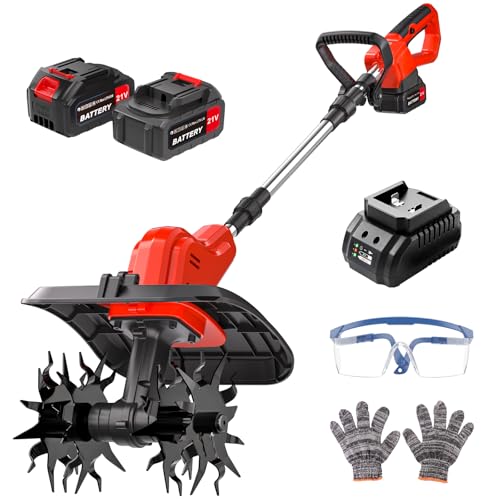
POGGT 21V Cordless Garden Tiller with 2×4.0Ah Batteries

VEVOR 43CC Gas-Powered Garden Tiller Cultivator

etoolab 20V Cordless Electric Tiller with 2×2.0Ah Batteries

Seesii Mini Cordless Tiller Cultivator 20V Electric Rototiller
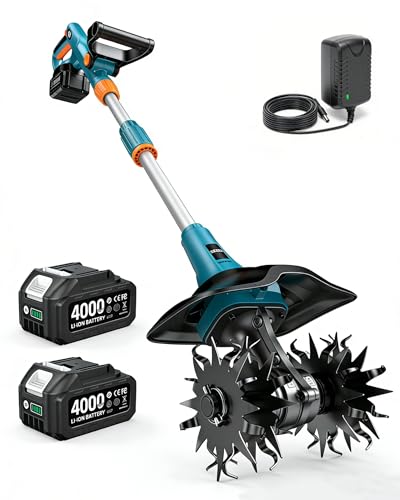
Seesii 20V Cordless Tiller Cultivator for Gardening
The Strengths Of Each Pick
SOARFLY’s cordless cultivator targets the gardener who runs more than one bed in a session. Two 4.0Ah batteries keep the motor turning long after a single pack would have quit, which matters when you’re moving from a tomato patch to a herb row without a wall outlet in sight. The 9-inch working width leaves a tidy footprint between rows, and the adjustable shaft helps shorter users avoid stooping.
Compared to the budget Muylux and etoolab models further down, this one leans on higher-capacity batteries rather than a wider tine span. For most suburban lots that translates to fewer swap breaks and steadier torque through clay-heavy patches.
What Helps Most
- Dual 4.0Ah batteries extend runtime well past smaller 2.0Ah packs
- 9-inch path fits raised beds and tight garden rows
- Adjustable handle suits a wide range of user heights
- Cordless design removes tripping hazards on uneven terrain
Trade-Offs Worth Knowing
- Not as compact as the Seesii Mini, so storage in tight sheds takes planning
- Battery runtime drops noticeably in dense, compacted soil
Best Suited To
Backyard gardeners juggling multiple beds in a single afternoon who want cordless convenience without a mid-project recharge.
Where Another Pick Suits Better
For a wider single-pass sweep over a large lawn patch, the POGGT 21V Cordless Garden Tiller’s 11.8-inch path covers more ground per pass.
The Honda FG110 carries the kind of engine pedigree that sets it apart on a parts shelf. A 4-stroke gas motor means no oil-to-fuel mixing, easier cold starts, and steady torque through old, root-threaded soil. The hybrid tine design angles some blades for digging and others for cultivating, so it transitions from breaking new ground to fluffing established beds without swapping accessories.
Side-by-side with the cordless picks above, the FG110 trades silent operation for raw pulling power. For gardeners who already keep fuel and a spark plug wrench nearby, that’s a fair swap.
Reasons It Performs
- Honda GX25 engine is widely respected for cold-start reliability
- Hybrid tines handle both breaking ground and light cultivation
- 4-stroke design eliminates fuel-oil mixing steps
- Gas runtime is limited only by your fuel can, not battery capacity
Honest Caveats
- Heavier than any cordless pick on this list, so transport matters
- Engine maintenance (oil changes, air filter) is part of ownership
- Louder operation rules out very early-morning use in close neighborhoods
Who Should Grab It
Experienced gardeners working tougher soil who want a gas tiller that starts cleanly and lasts across many seasons.
Reach For A Different Pick When
For a quiet, fume-free option on a small urban balcony, the Seesii Mini Cordless Tiller Cultivator is far easier to store and handle.
The Muylux 20V keeps things simple: steel tines, two compact batteries, and a price tag that won’t sting for a first-time gardener. The tines turn at up to 240 RPM, enough to break up the top few inches of a previously worked bed and refresh soil around established plants. It’s a clear step up from hand tools without the jump to premium gas power.
Where the SOARFLY leans on battery capacity and the Honda on engine strength, this pick leans on price. For a single raised bed or a few herb planters, that’s often the right call.
Useful Strengths
- Steel tines handle compacted soil better than plastic alternatives
- Dual 2.0Ah batteries let you finish without waiting for a recharge
- Lightweight frame is easy to carry from car to garden
- Cord-free design keeps you away from outdoor outlets and extension cords
Points To Keep In Mind
- 2.0Ah batteries run shorter sessions than the SOARFLY’s 4.0Ah packs
- Smaller cutting depth limits use to already-worked soil
Right Fit For
Beginners turning a single raised bed for the first time who want cordless convenience without overspending.
Look Elsewhere When
For heavier sod or unbroken ground, the VEVOR 43CC Gas-Powered Garden Tiller Cultivator’s engine cuts through far more aggressively.
POGGT’s 21V cultivator stretches wider than most cordless picks in this lineup. The 11.8-inch working path covers a band of lawn or flower bed in a single sweep, and four steel tines spinning at 360 RPM churn through topsoil with notable authority. A built-in battery display keeps the runtime honest, so you’re not guessing when one pack is about to call it quits.
Compared to the SOARFLY, you trade a narrower 9-inch cut for noticeably faster coverage of larger beds. The dock-style charger rounds out a setup that feels closer to a mid-tier cordless drill than a garden gadget.
Benefits That Matter
- Wide 11.8-inch path speeds up big flower beds and lawn edges
- 360 RPM tine speed breaks up compacted soil efficiently
- Onboard battery display removes guesswork mid-task
- Dual 4.0Ah batteries keep work moving across longer sessions
Worth Bearing In Mind
- Wider footprint is harder to maneuver in tight raised-bed corners
- Heavier than smaller 20V picks, so fatigue shows up sooner
Key Specs
Whose Shelf It Belongs On
Suburban gardeners with broad flower beds who want cordless convenience but need more cutting width than a narrow cultivator offers.
Not Your Match When
For tight work between established perennials, the Seesii Mini Cordless Tiller Cultivator’s compact frame slips into narrower gaps more easily.
The VEVOR 43CC sits at the heavier end of the mini-tiller category, and that’s the point. Four steel front tines, adjustable for depth, bite into compacted soil that a typical 20V cultivator would skate across. The nylon transport wheels ease the 31-pound package across the yard between rows, which matters when a session runs more than a few minutes.
Unlike the cordless picks above, this one runs on a 2-stroke gas mix, so fuel prep is part of ownership. For larger vegetable plots and rougher terrain, that trade-off is usually worth it.
Real-World Strengths
- 43cc gas engine tackles compacted soil that stalls electric cultivators
- 4 adjustable front tines adapt to different soil conditions
- Nylon wheels simplify transport across uneven ground
- 11.8-inch working width covers bigger plots efficiently
Some Limits To Know
- 2-stroke engine requires fuel-oil mixing at every fill-up
- At roughly 31 pounds, it’s the heaviest pick on this list
- Louder than any cordless option, so ear protection is wise
Feature Card
Built With In Mind
Rural property owners and serious veggie gardeners breaking new ground or restoring neglected beds who need genuine engine torque.
A Better Fit Elsewhere
For a small urban patio where quiet operation and zero exhaust matter, the SOARFLY Cordless Tiller Cultivator runs cleaner and stores easier.
etoolab’s 20V cultivator shares a similar cordless platform with the Muylux above, but the design tilts toward tidy small-space use. A high-torque motor spins the steel tines at 360 RPM, which is faster than some direct competitors at this size. Each 2.0Ah battery covers roughly 30 minutes of light cultivation, enough for a quick pass through a few herb pots or a small flower border.
Where the SOARFLY chases long runtime and the POGGT chases width, this pick chases compact storage and quick swaps for weekend touch-ups.
The Value In It
- 360 RPM motor breaks up loose soil with minimal effort
- Dual batteries allow continuous work with a quick swap
- Steel tines resist wear from gritty or mildly rocky soil
- Compact frame fits on most garage shelves without rearranging
A Few Limitations
- 2.0Ah batteries deliver shorter sessions than 4.0Ah alternatives
- Not designed for breaking sod or heavily compacted ground
Perfect Match For
Apartment dwellers and patio gardeners maintaining small raised beds, herb planters, or narrow borders a few times per season.
Skip It When
For larger gardens where you’d otherwise spend an hour recharging, the POGGT 21V Cordless Garden Tiller’s bigger batteries keep work flowing.
At roughly 2.6 pounds, the Seesii Mini is the lightest tiller in this lineup by a wide margin. That weight makes it approachable for one-handed use, which is a real benefit for older gardeners, anyone with grip or joint concerns, or anyone who simply wants to point and till without wrestling a heavier tool. Two 2.0Ah batteries cover short sessions without cable fuss.
Where the Honda and VEVOR dominate heavy soil, this pick fills the role of a quick-refresh cultivator for beds that are already in good shape.
Everyday Perks
- 2.6-pound body is far lighter than any other pick here
- One-handed operation reduces wrist and shoulder strain
- Cordless design suits balconies and porches with no outlets
- Quieter than gas alternatives, with no fumes to manage
Where It May Fall Short
- Compact tines cannot break new ground the way heavier tillers can
- Short runtime per battery limits use to small, well-maintained beds
Quick Facts
Who Will Love This
Seniors, casual gardeners, and apartment growers who want a no-strain cultivator for light, frequent touch-ups rather than heavy digging.
Swap It Out When
For first-time bed prep on compacted soil, the VEVOR 43CC Gas-Powered Garden Tiller Cultivator’s engine torque handles the deeper work.
The Seesii 20V rounds out the list as a year-round soil-care tool rather than a single-purpose tiller. The same machine breaks hard ground, loosens compacted soil, mixes compost into beds, and aerates established plantings. That versatility appeals to gardeners who’d rather buy one tool that handles spring prep, midseason feeding, and fall cleanup.
Compared to the smaller Seesii Mini above, this one trades featherweight handling for broader functionality. You give up some one-hand comfort and gain the ability to mix amendments through the topsoil layer.
A Few Strong Suits
- Multi-purpose design handles tilling, mixing, and aerating in one tool
- 20V cordless platform works across multiple Seesii garden tools
- Useful through more seasons than single-purpose cultivators
- No fuel mixing or engine maintenance to schedule
Practical Considerations
- Not as light as the Seesii Mini for extended one-handed sessions
- Battery runtime may fall short on large unbroken plots
Right Fit For
Multi-season gardeners who want one cordless tool that covers spring bed prep, midseason compost mixing, and fall soil refreshes.
Not Your Match When
For raw, unbroken ground that needs serious engine torque, the Honda FG110 Mini Tiller Cultivator’s gas motor clears it more efficiently.
Picking The Right Match For Your Beds
Power Source: Cordless vs Gas
The first fork in the road is cordless versus gas, and it shapes everything downstream. Cordless cultivators run on 20V or 21V battery platforms, which means no fuel mixing, no spark plugs, and quieter sessions that won’t draw side-eye from neighbors at 7 a.m. The trade-off is runtime, since each battery delivers a fixed window of work before needing a recharge.
Gas tillers like the Honda FG110 and VEVOR 43CC trade that silent convenience for steady torque and unlimited runtime, limited only by your fuel can. They handle root-threaded, compacted, or previously untouched soil that would stall many electric models. Maintenance (oil changes, air filters, spark plugs) is part of ownership, and storage needs to account for fumes and weight.
Working Width and Depth
Width and depth determine how fast a tiller covers a bed, and matching them to your plot saves real time. Compact picks around 9 inches wide handle raised beds and narrow rows, while 11.8-inch cultivators like the POGGT sweep across larger flower beds faster. Working depth in the 4 to 6.6-inch range suits most annuals, vegetables, and herb plantings. Anything deeper starts crossing into full rototiller territory.
Battery Capacity and Runtime
For cordless models, amp-hours (Ah) tell you how long a battery lasts before recharging. A 2.0Ah pack covers lighter cultivators for around 30 minutes of typical use, while 4.0Ah packs double that window. Two batteries in the box, like several picks above include, lets you swap mid-task and keep working without waiting for a recharge.
Storage, Weight, and Ergonomics
A tiller that doesn’t fit in your shed won’t get used. Compact cordless models around 2.6 pounds disappear onto a shelf, while 30-plus-pound gas units need a corner of the garage. Adjustable handles help multiple users share the same tool, and one-handed designs suit gardeners managing joint pain or grip strength concerns.
Shopping Insights Worth Knowing
Pitfalls Shoppers Hit
The most common mistake is buying a cordless cultivator expecting it to break new ground the way a gas tiller does. Battery-powered units work best in already-worked soil or lightly compacted beds. For first-time bed prep on hard-packed earth, a gas engine will save hours of frustration and battery swaps. Another frequent misstep is overlooking total weight: a 30-pound tiller sounds fine on paper, but after 20 minutes of guiding it through clay-heavy soil, that weight shows up fast in your shoulders and lower back.
Where The Extra Money Goes
Stepping up to a premium-tier cultivator typically buys a more durable engine, a stronger tine material, and longer-lasting components. The Honda FG110 carries that premium in its GX25 engine, a powerplant with a reputation for cold-start reliability and years of service. Higher-tier cordless picks invest in larger 4.0Ah batteries and stronger motors that hold torque under load. For gardeners who till frequently or face tough soil, that upgrade pays back through fewer stalls, longer tool life, and faster job completion.
Frequently Asked Questions
How deep do mini-tiller cultivators typically dig?
Most compact cultivators in this category reach 4 to 6.6 inches deep, which covers the root zone for annuals, vegetables, and most herbs. Gas tillers with adjustable tines sometimes push a bit deeper into previously broken ground.
Are cordless tillers powerful enough for hard soil?
Cordless tillers handle previously worked and lightly compacted soil well. For unbroken ground or clay-heavy plots, a gas tiller like the Honda FG110 or VEVOR 43CC delivers the torque needed without constant battery swaps.
How long does a 20V battery last when tilling?
A 2.0Ah battery typically covers around 30 minutes of light cultivation, while 4.0Ah packs extend that to roughly 60 minutes under similar conditions. Runtime drops noticeably in dense or compacted soil, where motor load stays high.
Can I use a mini-tiller in raised beds?
Yes, compact cultivators with 9-inch working widths are well-suited to raised beds, where a full-size rototiller would be overkill. The lighter weight also protects the bed frame from the stress a heavier machine might cause.
What maintenance do these tillers need?
Cordless models need almost no maintenance beyond keeping batteries charged and tines clean. Gas tillers require periodic oil changes, air filter checks, and fresh fuel mix for 2-stroke engines. A quick tine cleaning after each session helps any tiller last longer.
Wrap Up
For small beds and quick refreshes, a cordless cultivator like the SOARFLY or POGGT makes soil work almost effortless. Tougher plots call for the pulling power of a gas tiller, where the Honda FG110 and VEVOR 43CC earn their place. Match the tool to your soil, your storage space, and how often you till, and the rest of the season tends to take care of itself.
