

A small garden plot doesn’t need a full-size rototiller rattling the fence posts. The best Mini-Tillers on the market this year turn raised beds, flower borders, and tight backyard rows into workable soil without the gas-can ritual or a sore back by Saturday afternoon. Whether you’re loosening compacted dirt between perennials or prepping a fresh vegetable patch, the right compact machine saves hours of hand-digging. This roundup focuses on portable, storage-friendly tools that fit a real suburban yard.
How The Shortlist Stacks Up

SOARFLY Cordless Tiller Cultivator 9″ Width 6.6″ Depth

TaskStar 2-in-1 Cordless Tiller Cultivator 20V

TaskStar Mini Cordless Tiller Cultivator 20V

Honda FG110 Mini Tiller Cultivator

Muylux 20V Cordless Tiller Cultivator
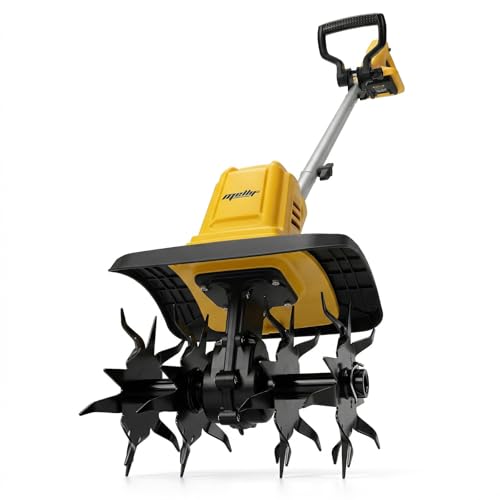
Mayoki Brushless Cultivator for DeWalt 20V
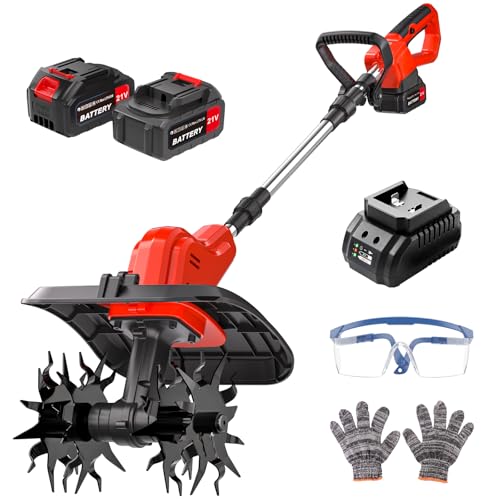
POGGT 21V Cordless Tiller 11.8″ Width
IncwBo 12″ Electric Roto Tiller Cultivator
Why These Options Stand Out
The SOARFLY Cordless Tiller arrives with a generous 9-inch working width and a 6.6-inch digging depth, sized for the kind of mid-size backyard bed most suburban gardeners face. Two 4.0Ah batteries ship in the box, which means no last-minute charger runs before the first session.
Compared to the smaller 4-inch models further down this list, the SOARFLY covers ground twice as fast per pass, yet still tucks into a corner of the garage without complaint. It suits anyone juggling multiple raised beds who wants to swap batteries and keep momentum rather than waiting on a recharge.
Everyday Perks
- Dual 4.0Ah batteries deliver longer continuous runtime than typical 2.0Ah setups, so a full Saturday session is realistic.
- The 9-inch swath trims time on bigger plots without tipping into full-size tiller territory.
- Height-adjustable shaft helps taller users avoid the hunched-over ache by lunchtime.
- Cordless design clears the path between greenhouse and shed without a tangled extension lead.
Things To Consider
- Owners commonly report that very rocky soil taxes the motor faster than softer loam, so expect slower progress in those zones.
- Storage requires room for both batteries on a charger dock, which matters for a small mudroom.
Feature Snapshot
Who It Suits Best
Home growers managing two or three raised beds who want cordless convenience without babysitting a battery every twenty minutes.
Where Another Pick Suits Better
Renters working on a small balcony garden will find the TaskStar Mini Cordless Tiller Cultivator a more comfortable fit thanks to its lighter frame.
TaskStar’s 2-in-1 design solves a real gardening headache: one tool that handles a long standing row of vegetables and a tight cluster of patio pots. The extension pole twists off without tools, dropping the unit down to handheld size in seconds.
At roughly 4.9 lbs, this is the kind of tiller you carry out alongside the watering can rather than wheeling from the shed. Where the SOARFLY leans toward broader sweeps, this one trades raw width for the freedom to work above knees and below shrubs in the same afternoon.
Why It Works Well
- Twist-off pole converts from stand-up to handheld without grabbing a single wrench.
- 300 RPM motor punches through light compaction and loosens topsoil efficiently for replanting.
- Two included 2.0Ah batteries keep the project moving when one runs dry.
- Compact footprint stores neatly on a shelf, freeing shed space for pots and tools.
Points To Note
- Battery runtime is shorter than the larger 4.0Ah kits, so heavy plots may need a charging pause.
- The narrower working width means more passes across a large bed.
Built With In Mind
Mixed gardeners who alternate between a standing row of tomatoes and a hand-height herb patch will appreciate the quick mode switch.
Skip It When
Anyone tilling a half-acre food plot should reach for the Honda FG110 Mini Tiller Cultivator instead, since gas power handles extended sessions more comfortably.
At 2.6 lbs, the TaskStar Mini Cordless Tiller Cultivator feels closer to a power drill than a garden tool, and that’s exactly the point. The 4-inch working width is built for the tight world of container gardens, window boxes, and the nooks between established perennials.
Stepping down from the 2-in-1 model, this one drops the extension pole entirely in favor of pure handheld agility. For seniors or anyone with shoulder sensitivity, the lightweight frame removes the usual fatigue that comes with compact tilling.
The Good Stuff
- The 2.6 lb frame allows comfortable one-handed operation during longer sessions.
- 4-inch width slips between shrubs and along fence lines without damaging roots.
- 300 RPM motor handles soft cultivation and shallow weeding in established beds.
Honest Caveats
- Working depth caps at 4 inches, so deeper soil turning requires multiple passes.
- The compact tine layout is less effective on heavy clay soils that need more aggressive breaking.
- Two 2.0Ah batteries are the only power source, with no upgrade path included.
Quick Facts
Right Fit For
Urban balcony gardeners and seniors who need a barely-there cultivator for container refreshes.
Reach For A Different Pick When
Backyard vegetable growers needing broader coverage should consider the SOARFLY Cordless Tiller Cultivator, which trades portability for wider swaths.
The Honda FG110 is the outlier in this lineup: a gas-powered Mini Tiller built around the Honda GX25 four-stroke engine (a compact, fuel-efficient motor that runs without mixing oil into the gasoline). In a field of cordless options, it earns its spot by handling soil conditions that tend to stall battery units.
Honda’s patented hybrid tines blend angled digging blades with cultivating blades, letting one pass break new ground and fluff established soil. For gardeners with clay-heavy plots or thick root networks, that hybrid approach matters more than headline RPM numbers.
The Practical Payoff
- The GX25 four-stroke engine starts easily and runs without fuel-oil mixing, simplifying storage and maintenance.
- Hybrid tine design tackles both fresh digging and gentle cultivation with the same hardware.
- Gas power avoids the battery drain that limits cordless models during longer sessions.
- Refined engineering tends to translate into years of dependable service for serious gardeners.
Trade Offs
- Gas engines require seasonal tune-ups, fuel stabilizer, and occasional spark plug checks.
- Operating noise and exhaust make it less neighbor-friendly than electric alternatives.
- The price step reflects its premium positioning, which may not suit casual weekend users.
Feature Snapshot
Best Suited To
Serious home growers with dense, compacted, or root-heavy soil who need more sustained torque than battery units typically deliver.
Consider Another Pick When
Anyone prioritizing low noise and zero fuel mixing will find the POGGT 21V Cordless Tiller a more comfortable match for suburban settings.
The Muylux 20V Cordless Tiller Cultivator lands in that comfortable beginner zone: two 2.0Ah batteries, a charger, and steel tines capable of 240 RPM. It’s not chasing premium specs, and that’s the appeal for first-time tool owners.
Loosening 4 inches into soft soil is its sweet spot, and the cordless setup keeps things simple in a yard without outdoor outlets. The trade-off arrives when gardeners tackle thicker ground, where this unit’s torque runs out sooner than premium alternatives.
Where It Delivers
- Two steel tines at 240 RPM handle routine bed prep and light weeding without complication.
- Complete kit includes batteries and charger, removing the add-on cost that surprises some first-time shoppers.
- Cordless design clears patio beds and fence-line gardens where extension cords are awkward.
Worth Noting
- Battery capacity is on the smaller side, so larger plots may demand mid-session recharges.
- The 4-inch depth suits annual vegetables but won’t break new ground for deep-rooted crops.
At A Glance
Whose Shelf It Belongs On
Casual gardeners and first-time tiller owners who want a straightforward, no-frills introduction to cordless cultivation.
Swap It Out When
Heavier soil and longer sessions call for the SOARFLY Cordless Tiller Cultivator, which pairs a wider working width with larger batteries.
The Mayoki cultivator slides into an existing tool ecosystem rather than creating a new one. Sold as tool-only, it accepts DeWalt 20V batteries (a widely owned cordless tool platform), making it a natural add-on for anyone who already owns DeWalt drills, saws, or trimmers.
The brushless motor (a motor design that uses electronic controllers instead of carbon brushes, reducing wear and extending runtime) spins up to 280 RPM and drives 48 tines across a 10-inch swath. That wider reach outpaces most of the smaller units in this roundup, while the brushless design tends to extend runtime and motor life compared to brushed alternatives.
Useful Highlights
- Brushless motor delivers higher efficiency and longer runtime than brushed equivalents.
- 48 tines spread across 10 inches tackle mid-size beds in fewer passes.
- DeWalt 20V compatibility means no new batteries or chargers crowding the workshop.
- 7-inch digging depth suits root vegetables and deeper amendments.
Practical Considerations
- Tool-only packaging requires owned DeWalt batteries, which is a barrier for newcomers to the platform.
- Heavier than compact handheld units, so longer sessions may still tire the shoulders.
Technical Highlights
Perfect Match For
Homeowners with a DeWalt 20V collection who want a tiller that reuses batteries already on the shelf.
A Better Fit Elsewhere
Anyone without existing DeWalt batteries should look at the Muylux 20V Cordless Tiller Cultivator, which ships ready to run out of the box.
The POGGT 21V Cordless Tiller stretches its working width to 11.8 inches, the broadest in this lineup, and backs it with two 4.0Ah batteries for extended runtime. Where smaller cultivators demand repeated passes, this one resets the math on bigger backyard plots.
The 360 RPM top speed adds a comfortable margin over the SOARFLY’s setup, which can matter when slicing through crusted topsoil after a dry spell. A real-time battery display on the unit itself takes the guesswork out of pacing a long session.
Positive Points
- The 11.8-inch swath handles larger beds in fewer passes, saving real time on plot prep.
- Dual 4.0Ah batteries support longer runtime before a recharge becomes mandatory.
- Onboard battery display removes the surprise of a sudden power cut mid-row.
- 360 RPM speed offers extra headroom for tougher soil conditions.
A Few Limitations
- Wider tilling head is harder to maneuver between tightly planted perennials.
- Storage space needed for two 4.0Ah batteries plus the charging dock is greater than slimmer kits.
Who Should Grab It
Backyard growers with broad vegetable plots who want cordless freedom without spending all weekend on a single bed.
Not Your Match When
Container gardeners and tight-space growers will find the TaskStar Mini Cordless Tiller Cultivator easier to handle in confined areas.
The IncwBo 12-inch roto tiller brings a different proposition to the list: corded power at 10.5 amps, with no batteries to charge, no runtime anxiety, and consistent torque from the first minute to the last. For gardeners with a nearby outdoor outlet and beds within reach of an extension cord, that simplicity is genuinely useful.
Its 12-inch working width tops the POGGT, and the corded design means it doesn’t slow down as batteries deplete. The trade-off, of course, is range, since you’re tethered to an outlet and need a cord rated for outdoor use.
Useful Strengths
- Steady corded power avoids the gradual slowdown that affects battery units as they deplete.
- 12-inch width covers substantial ground in a single pass, the widest in this roundup.
- 10.5-amp motor maintains working speed through moderately compacted soil without bogging down.
- No batteries means no replacement cost down the road.
Soft Spots
- Range is capped by extension cord length, restricting use to beds near an outlet.
- Cord management adds a small hassle during turns and transport.
Made For
Gardeners with a fixed plot near an outdoor outlet who value consistent, unlimited runtime over cordless mobility.
Where Another Pick Suits Better
Anyone working across a yard without easy outlet access will appreciate the cordless freedom of the SOARFLY Cordless Tiller Cultivator.
What To Weigh Before Choosing Your Mini-Tiller
The right size depends less on marketing and more on the soil and space you actually manage. Bed width, soil density, and storage footprint matter more than headline RPM figures, since two tillers with identical stats can feel very different in the hand.
Power Source Trade-Offs
Cordless models swap gas-free convenience for limited runtime, while corded units offer steady torque at the cost of mobility. Gas-powered options, like the Honda FG110, deliver muscle for tougher ground but bring fuel, noise, and seasonal maintenance into the routine. For most suburban plots, a quality cordless unit hits the balance, with gas reserved for genuinely demanding conditions.
Width and Depth Matching
Working width determines how many passes a bed needs, while depth sets the limit for root vegetables and deep amendments. Compact 4-inch handhelds excel in tight spots but slow down on open beds, where an 11- or 12-inch unit reclaims hours per session. Tilling depth matters most for carrots, parsnips, and any double-digging approach to soil building.
Battery Capacity Real Talk
A 2.0Ah battery handles small beds, while 4.0Ah packs stretch runtime into longer sessions. Two-battery kits offer practical insurance against mid-project power loss, especially in plots far from a charger. For most weekend gardeners, dual 4.0Ah setups remove the most common cordless frustration: stopping halfway through a row to wait on a recharge.
Key Considerations Across These Picks
Common Shopping Slip Ups
The biggest mistake is buying by RPM alone, since raw speed tells you little about how a tiller handles real soil. A high-revving unit with weak torque stalls in clay, while a slower, stronger motor pushes through. Equally common is overlooking weight: a lightweight handheld feels great in the store and exhausting after twenty minutes in compacted soil. Match the tool’s working envelope to your actual bed size before falling for spec-sheet appeal.
Where The Extra Money Goes
Higher-tier models like the Honda FG110 buy engineering depth, longer motor life, and components that survive years of seasonal abuse. Brushless motors, included in picks like the Mayoki cultivator, cost more upfront but reduce wear and extend service intervals. The honest read is that budget models serve casual gardeners well, while the upgrade pays off when tillers see weekly use across multiple seasons.
Frequently Asked Questions
How deep should a Mini-Tiller dig?
Most home-use units reach 4 to 8 inches, which covers typical vegetable root zones and annual bed prep. Deeper tilling matters mainly for root crops like carrots and parsnips, or for breaking new ground in compacted soil.
Can a Mini-Tiller break new ground?
Lightweight models handle established beds and soft cultivation well, but truly compacted or rocky soil calls for a gas-powered unit or a more robust electric option. Starting with a hand fork for the first pass often makes sense before bringing in any tiller.
How long do cordless tiller batteries last?
A 2.0Ah battery typically runs 20 to 30 minutes under moderate load, while 4.0Ah packs stretch to roughly 45 to 60 minutes. Real-world results depend on soil density, tine speed, and how deep you push the unit.
Are corded tillers still worth considering?
Corded models deliver steady torque without battery replacements, making them strong choices for fixed plots near an outdoor outlet. The mobility trade-off is real, but for stationary gardens the simplicity appeals to many home growers.
How do I maintain a Mini-Tiller?
Cordless and corded electric units need little beyond cleaning tines after each session and storing batteries dry. Gas models require seasonal oil checks, fresh fuel with stabilizer, and occasional spark plug replacement to stay reliable.
Closing Thoughts
The right Mini-Tiller comes down to your soil, your bed layout, and how much weight you actually want to carry. Start with the working width that matches your biggest bed, then narrow by power source and battery capacity from there. Any of the eight picks above will save real time over hand-digging, and the rest is just matching the tool to your weekend routine.
